



Skip to content
Home / Notes

Pit Lane Notes

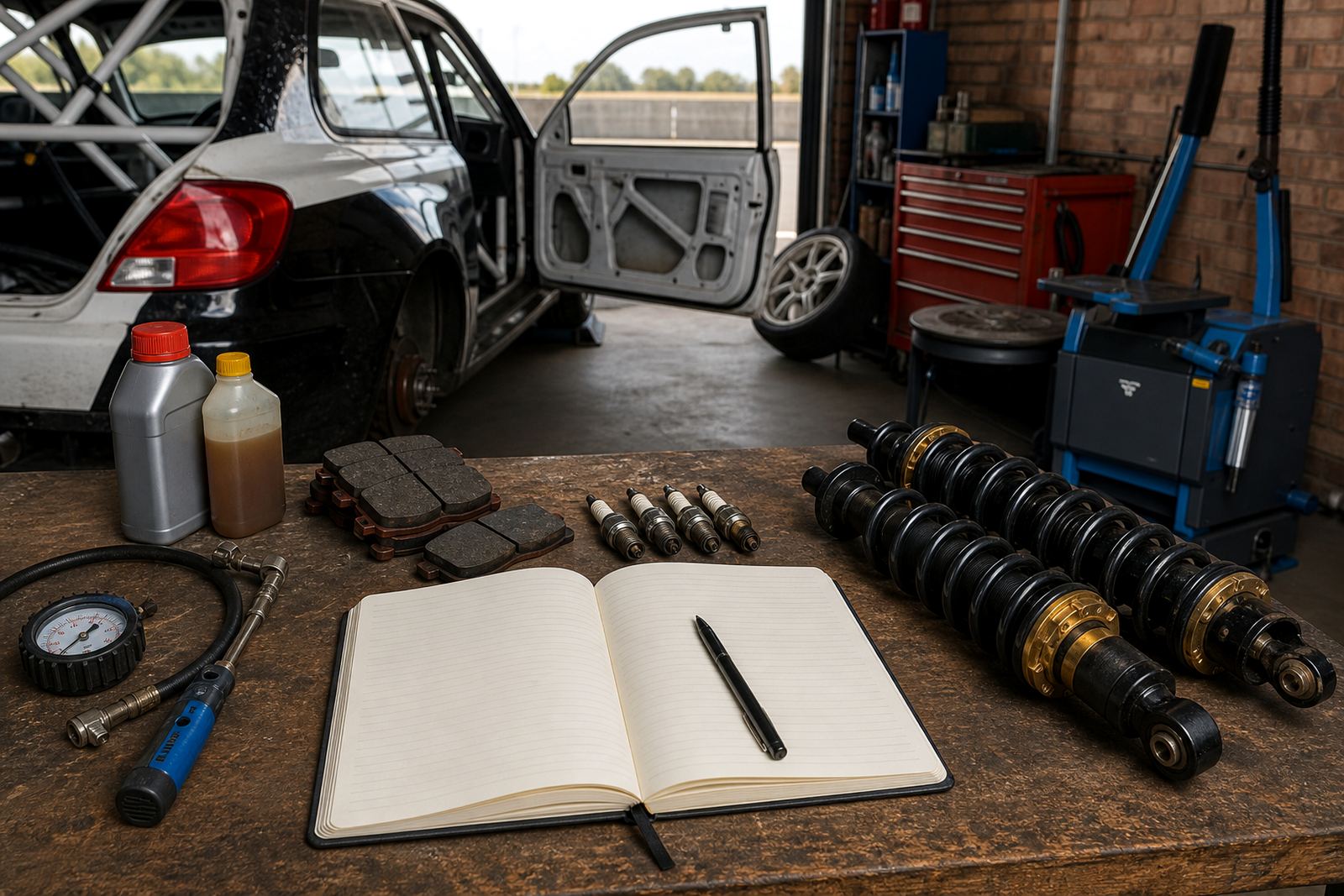
The RaceHouse workshop sees the same faults before and after race weekends: worn pads, tired bushes, seats mounted too high. Fitment basics, setup thinking and maintenance habits for South African drivers, kept free of hype.

Pit Lane Notes
Brake Pad Bedding

Brake Pad Bedding

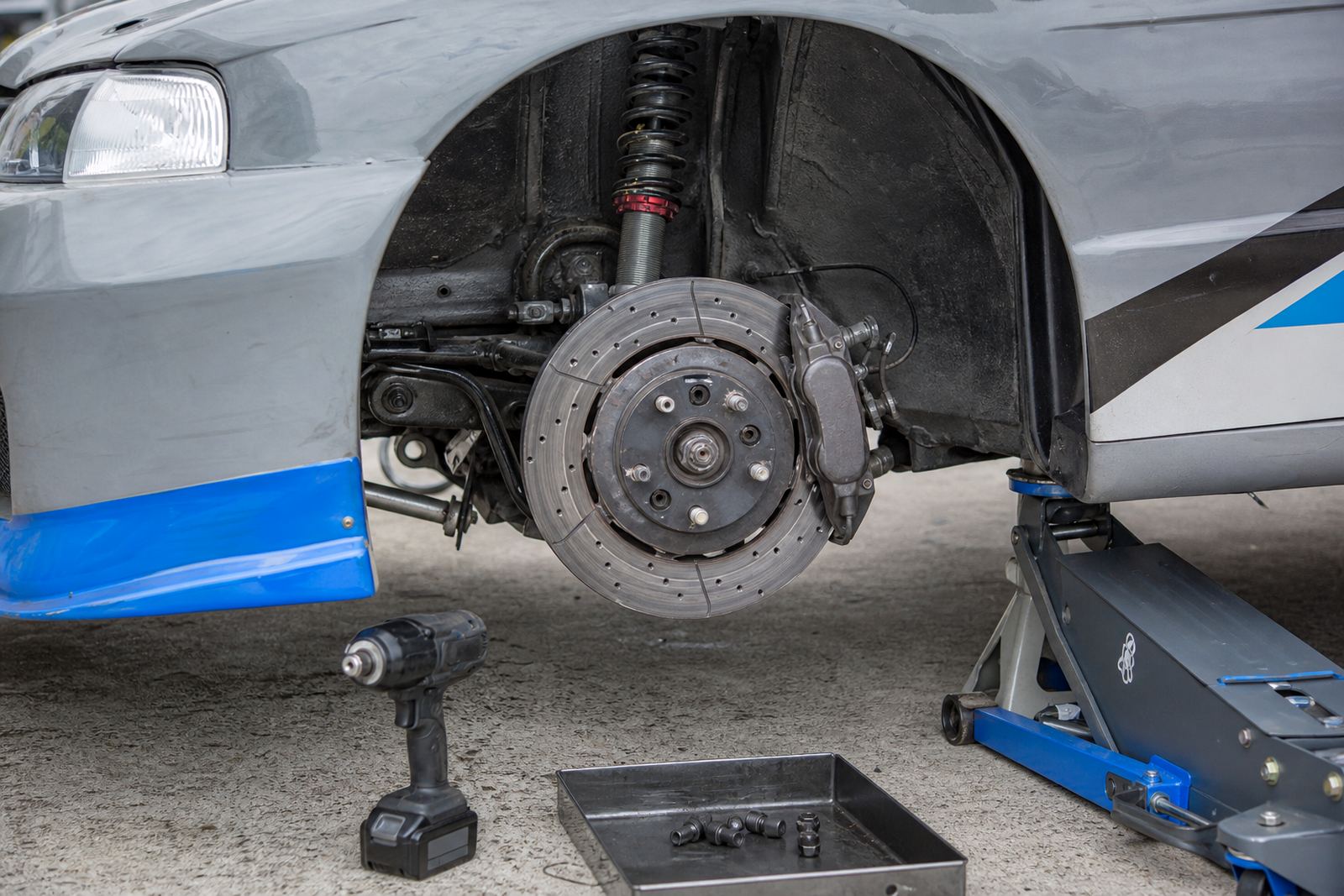
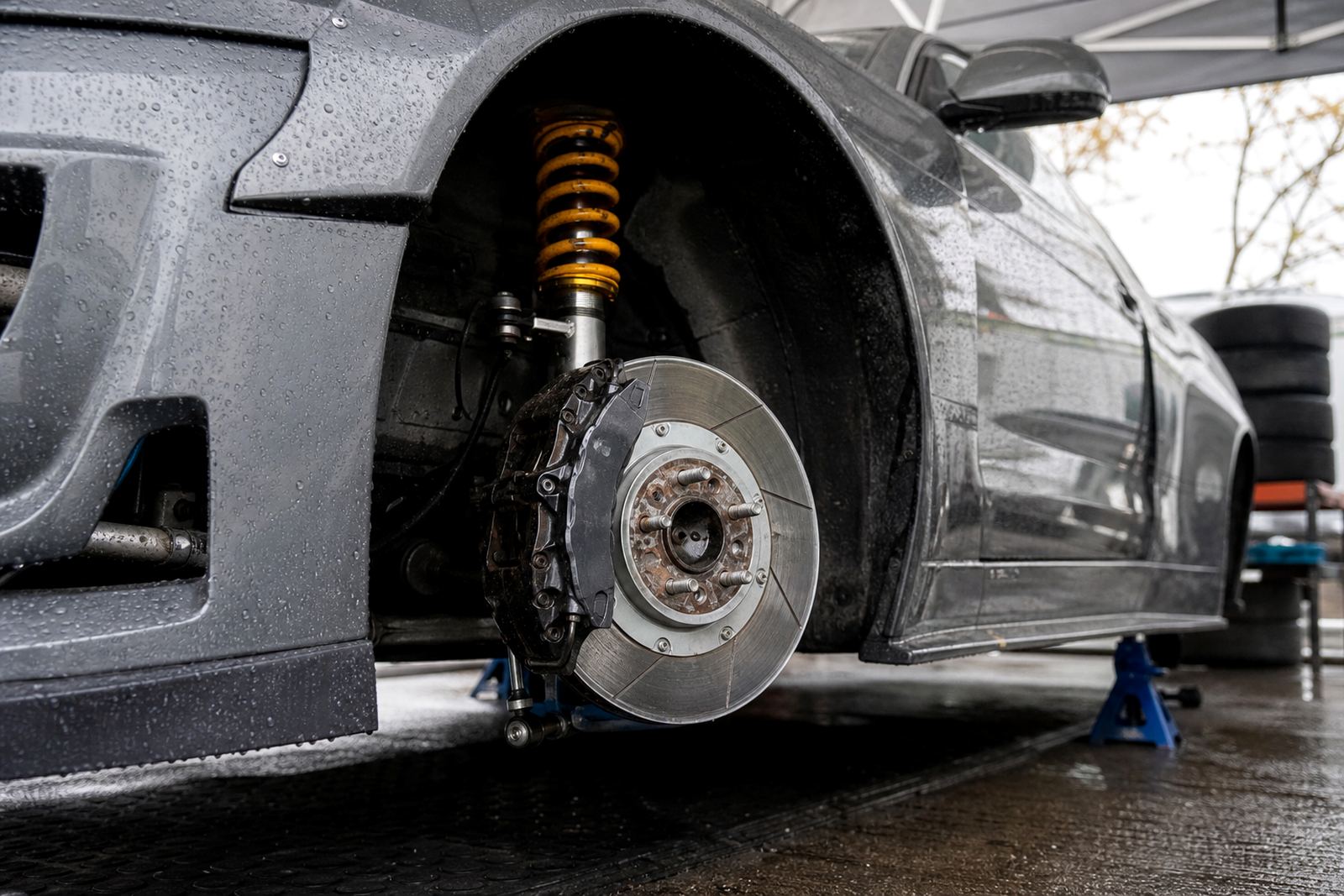
How to bed in new pads and rotors without glazing or uneven transfer.

Reading Brake Wear

Reading Brake Wear

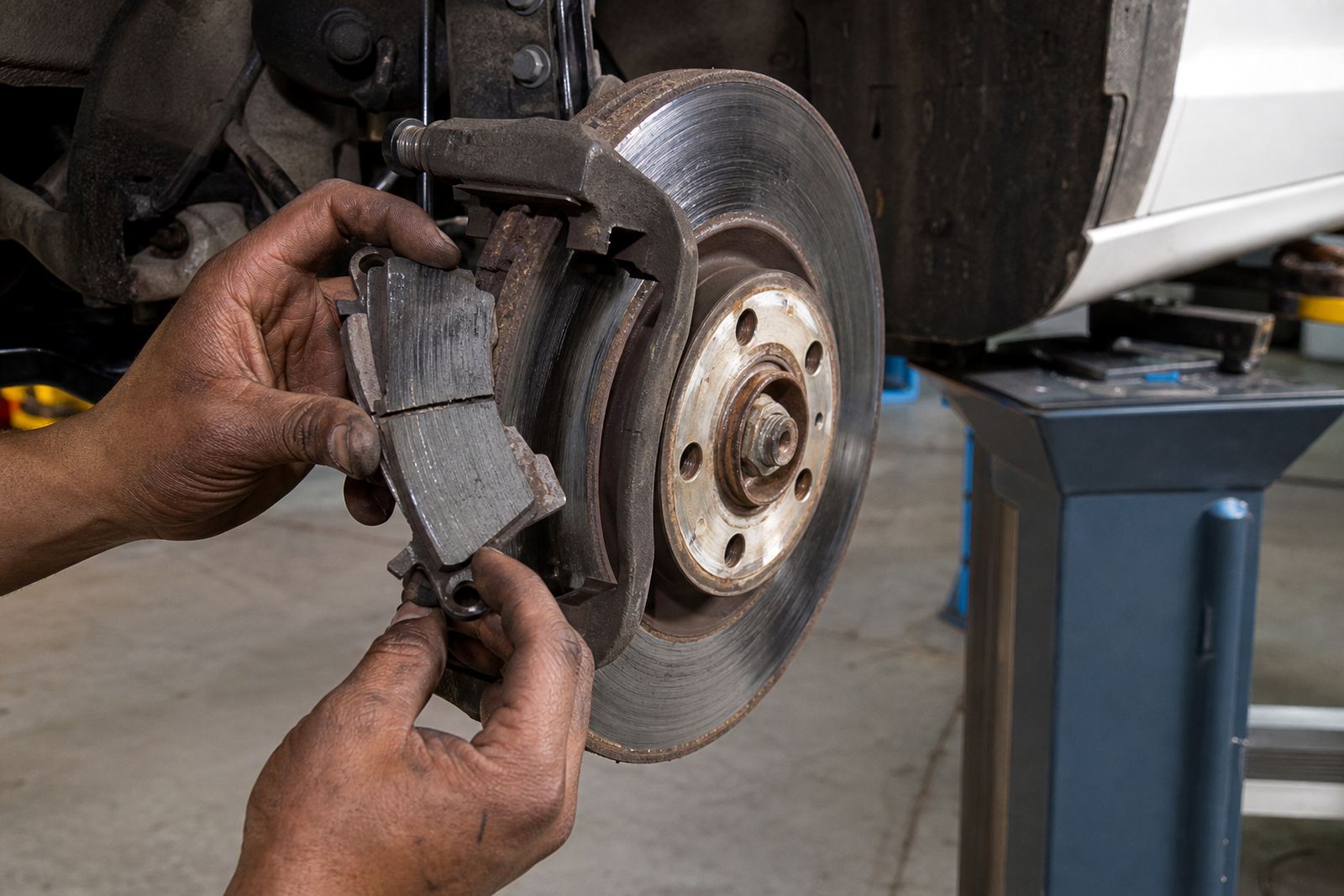
Simple ways to inspect pad and disc wear before the next outing.

When Change Fluid

When Change Fluid

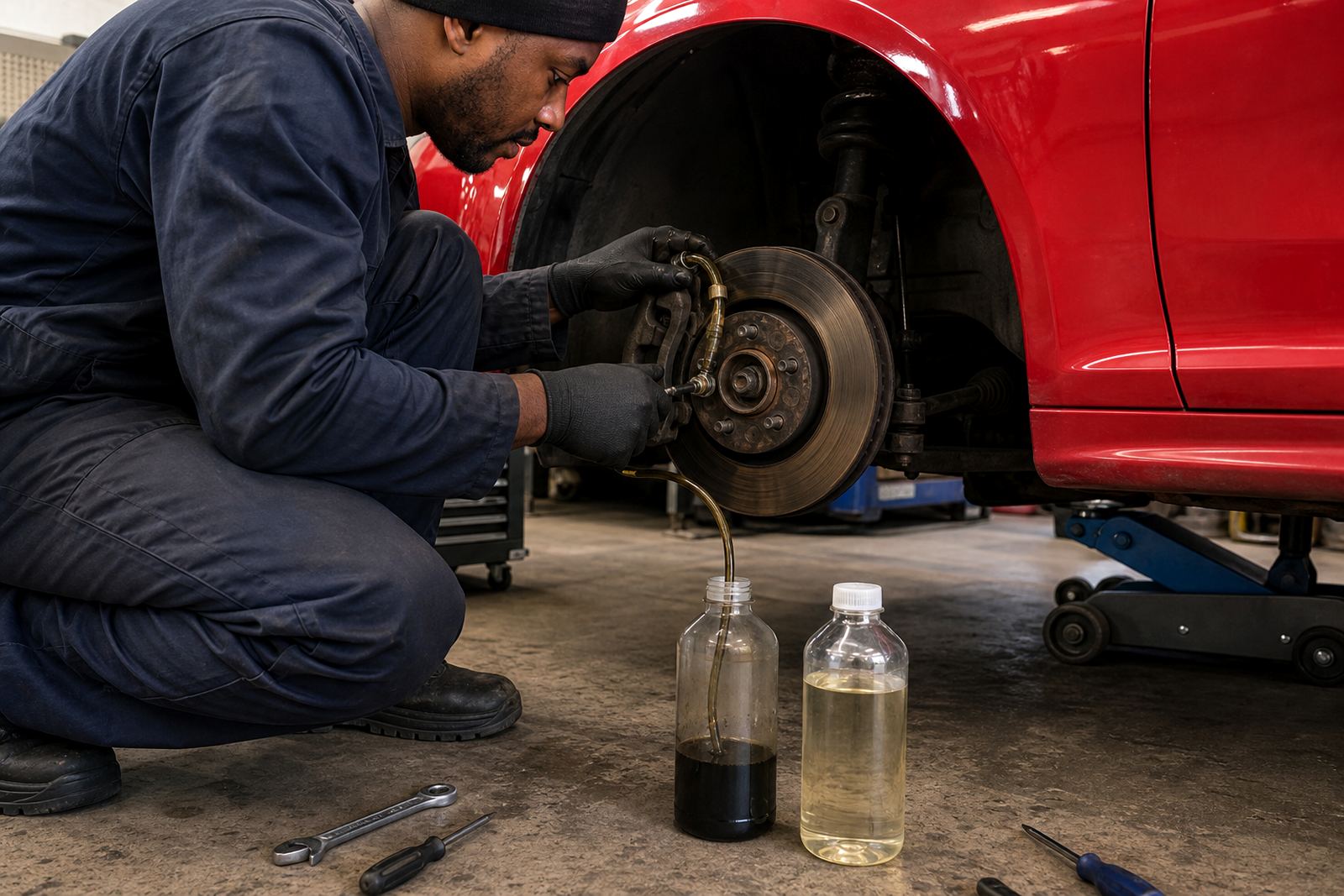
Signs that brake fluid should be replaced before heat takes away pedal confidence.

Coilover Baseline Start

Coilover Baseline Start

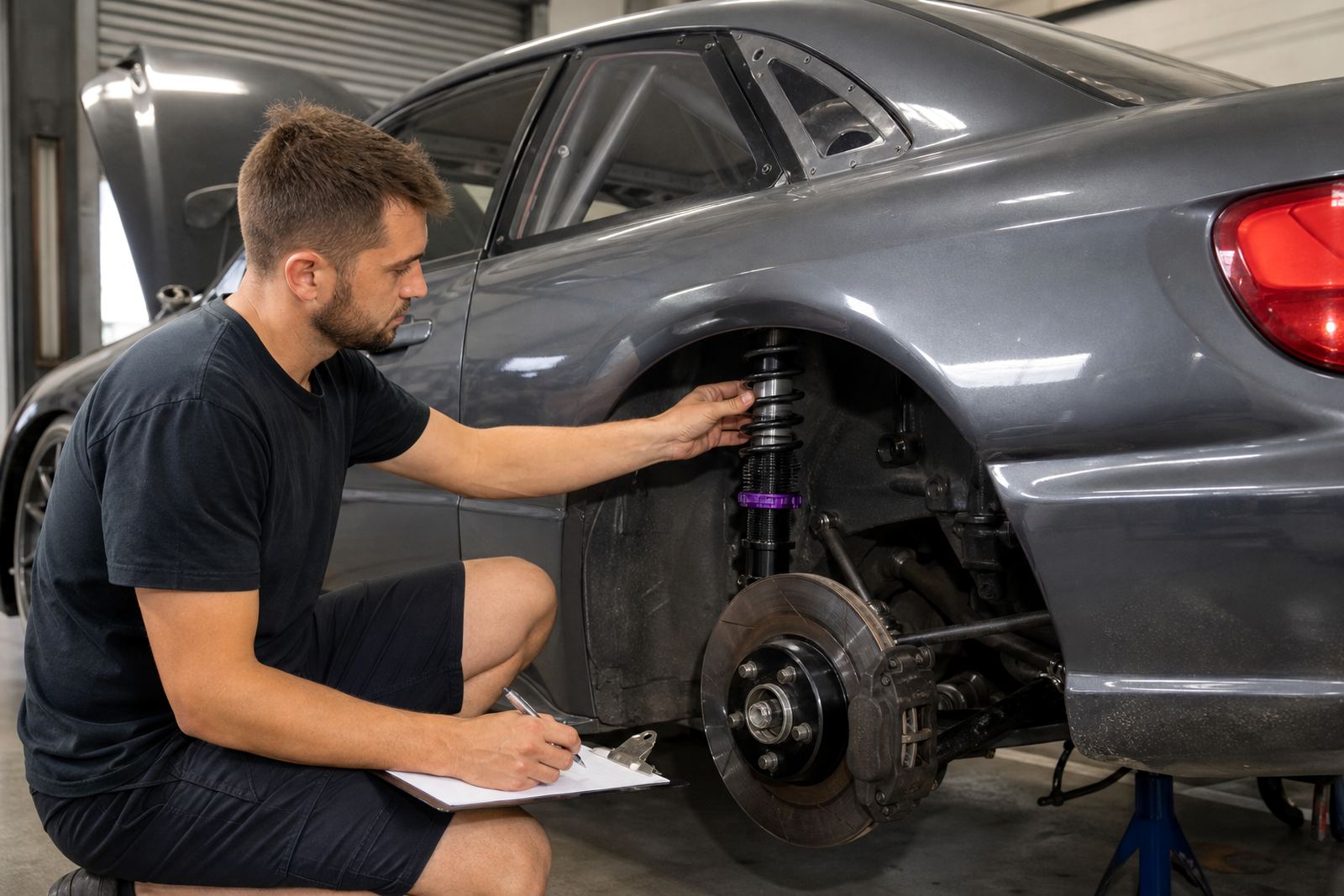
A sensible starting point for ride height and damping after installation.

Bushes Vs Joints

Bushes Vs Joints

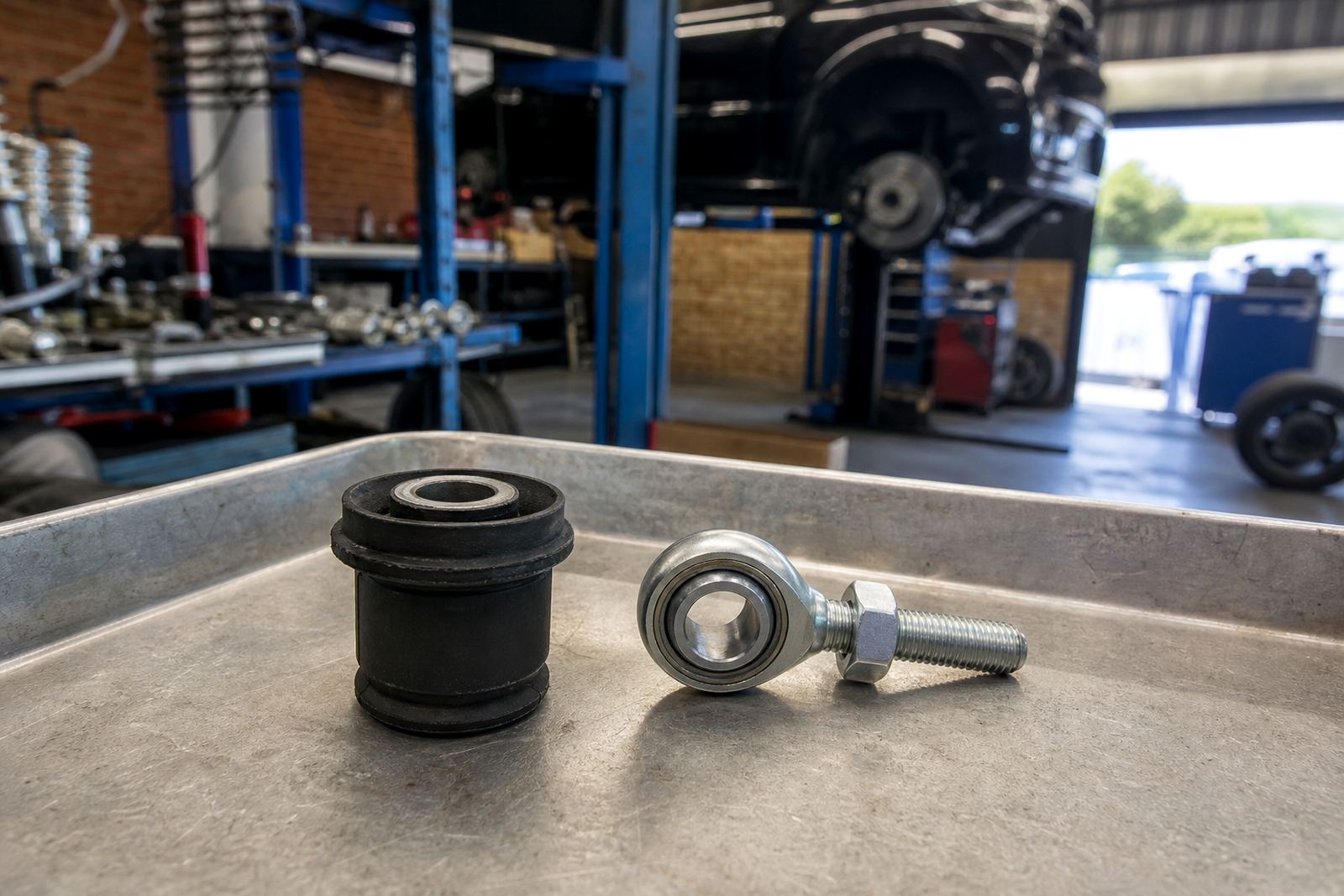
Where bushes work well and where solid joints make more sense.

Toe Settings Basics

Toe Settings Basics

What toe changes do to turn-in, stability and tyre scrub.

Camber For Club Racing

Camber For Club Racing

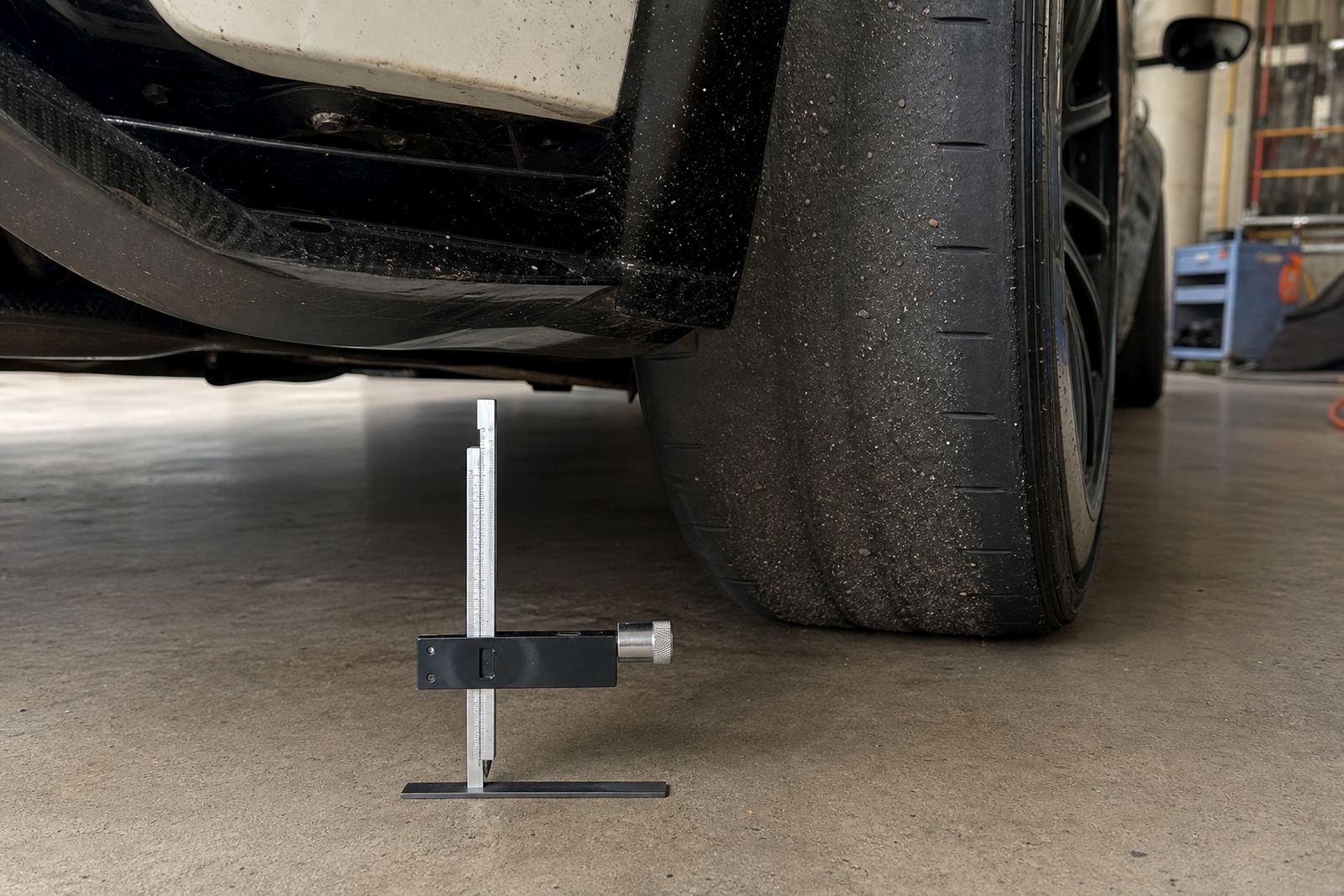
Using tyre wear and driver feedback to judge camber needs.

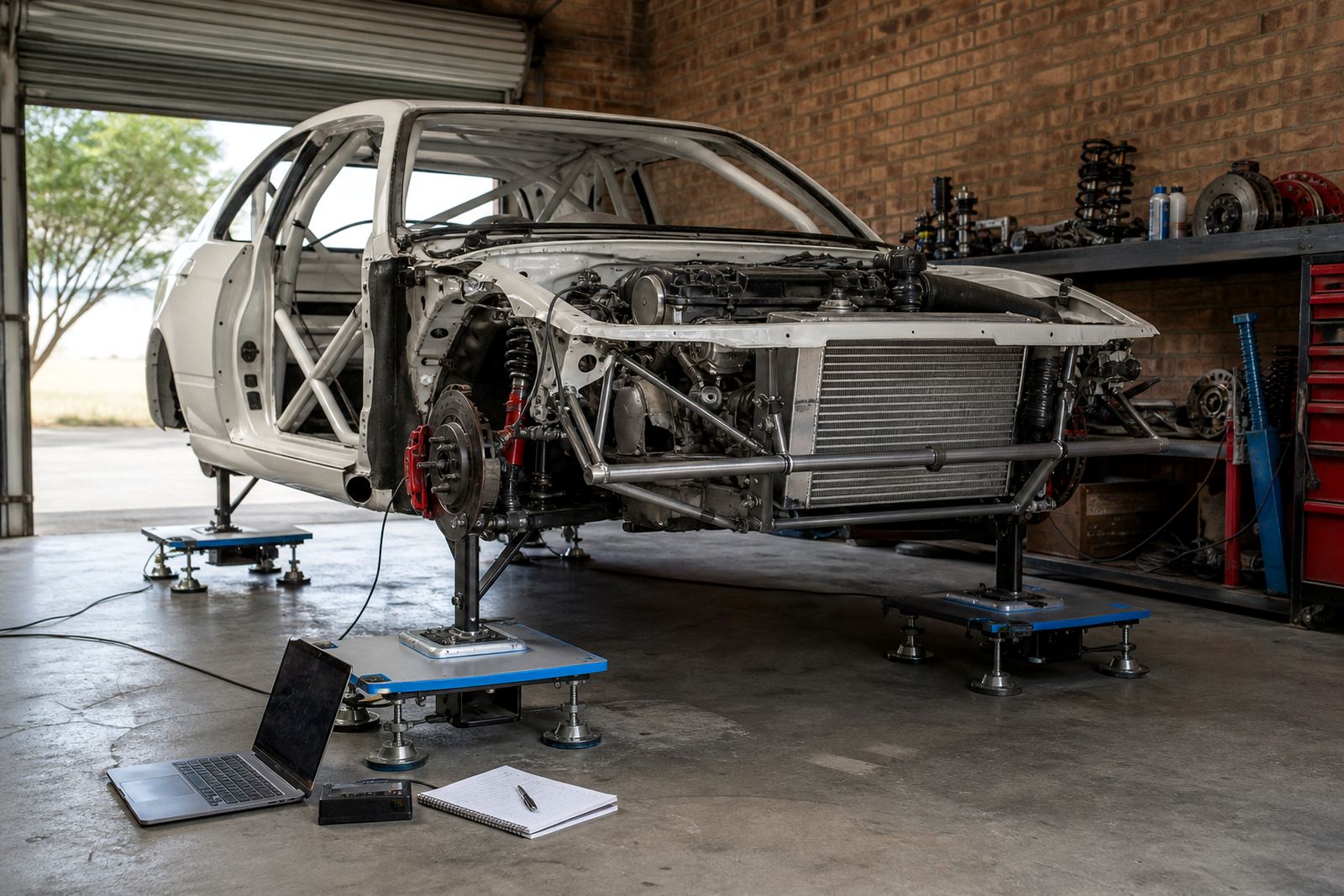
Corner Weighting Explained

Corner Weighting Explained

Why left-right balance matters even on modest club race builds.

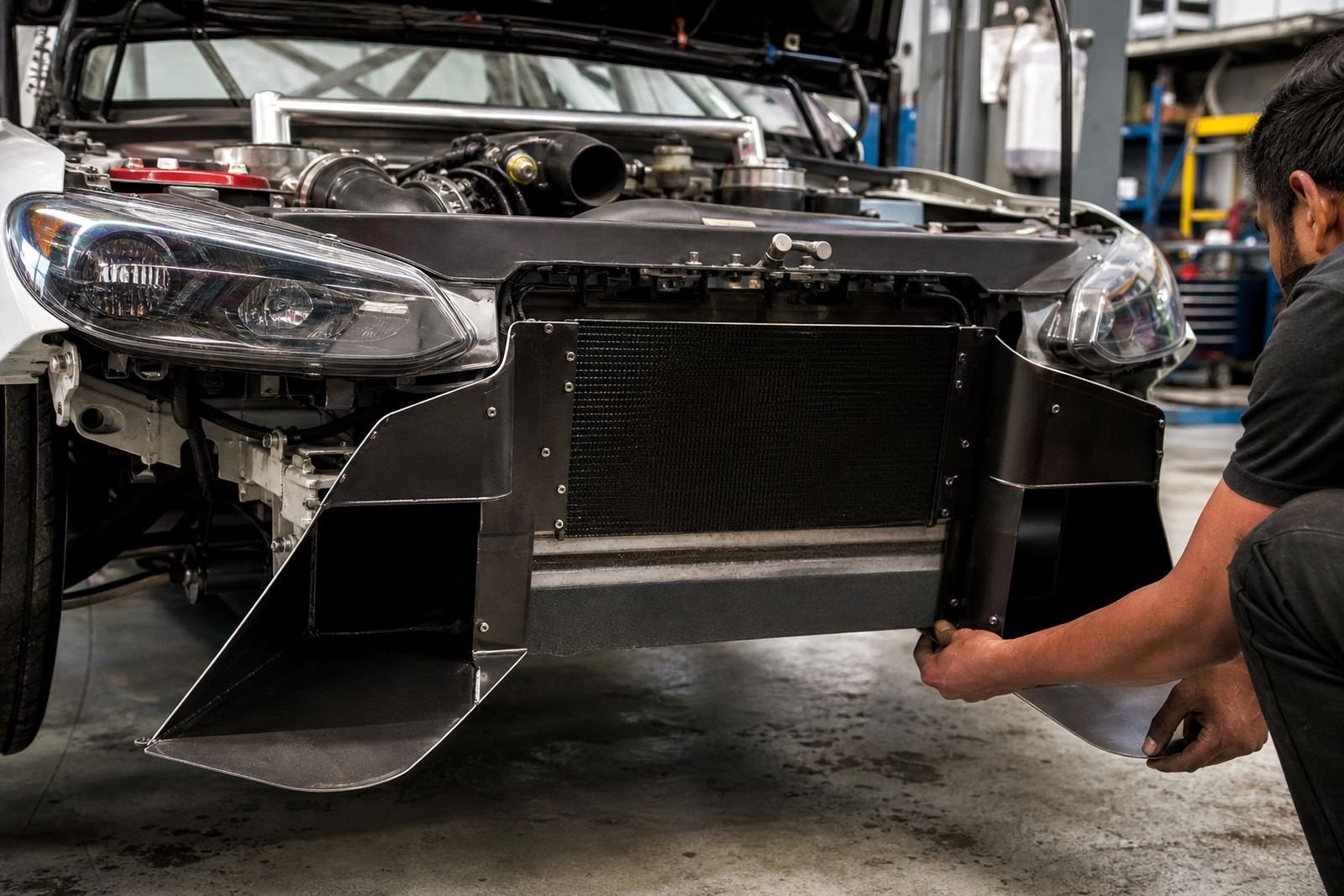
Radiator Airflow Paths

Radiator Airflow Paths

Good radiator performance depends on air path management, not core size alone.

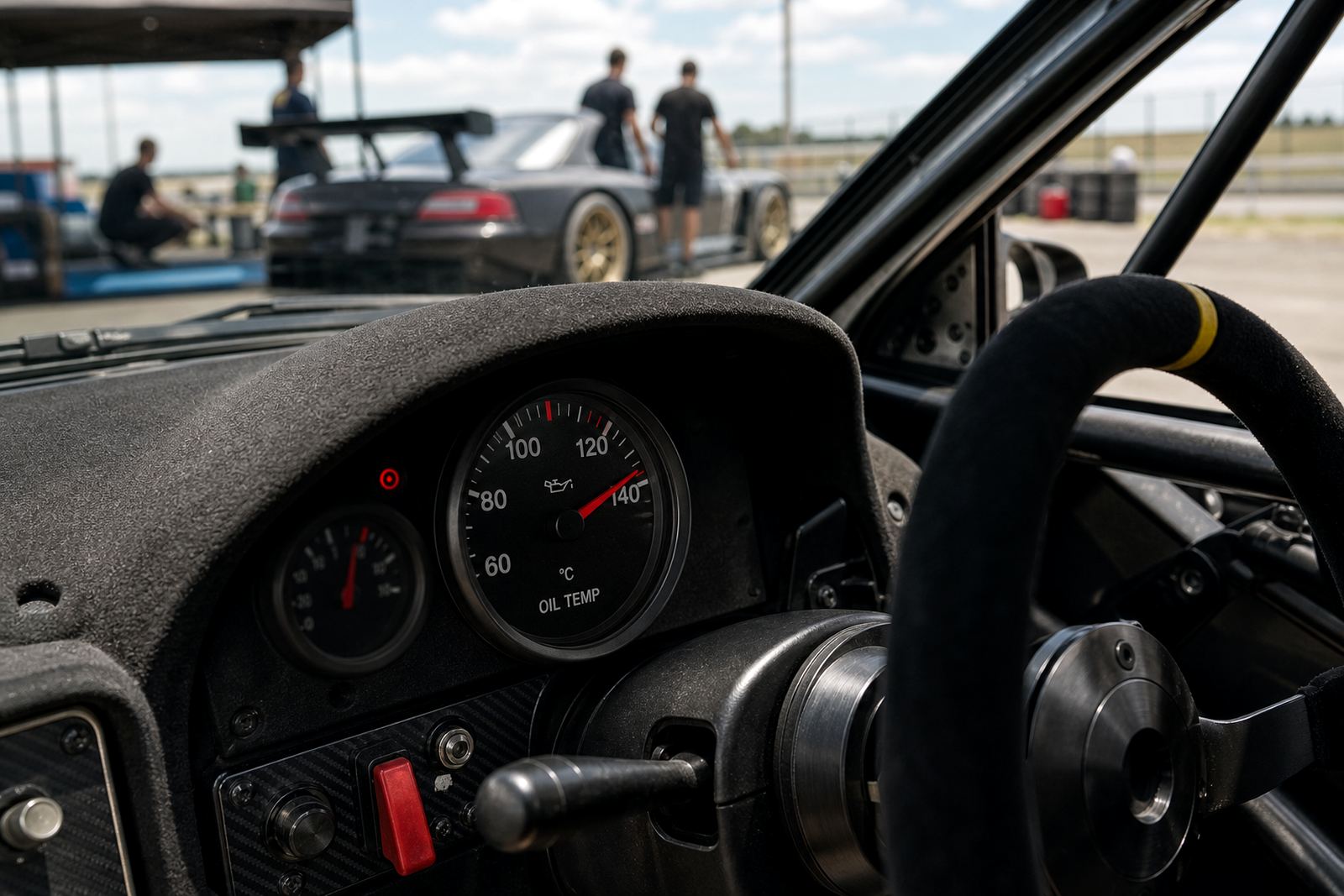
Oil Temp Control

Oil Temp Control

Why oil temperature trends matter for engine life and session planning.

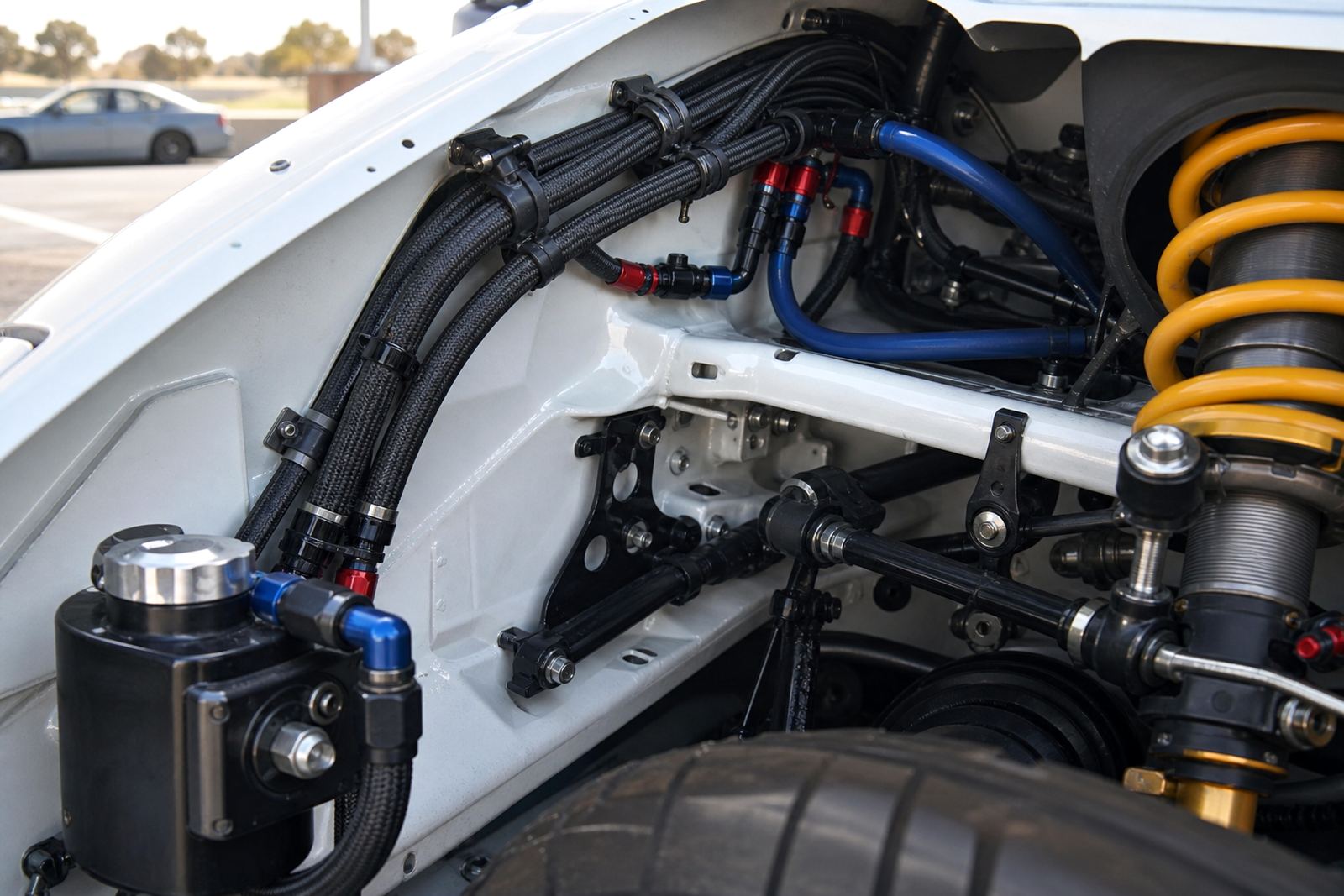
Hose Routing Tips

Hose Routing Tips

Basic routing habits that reduce chafing, leaks and awkward servicing.

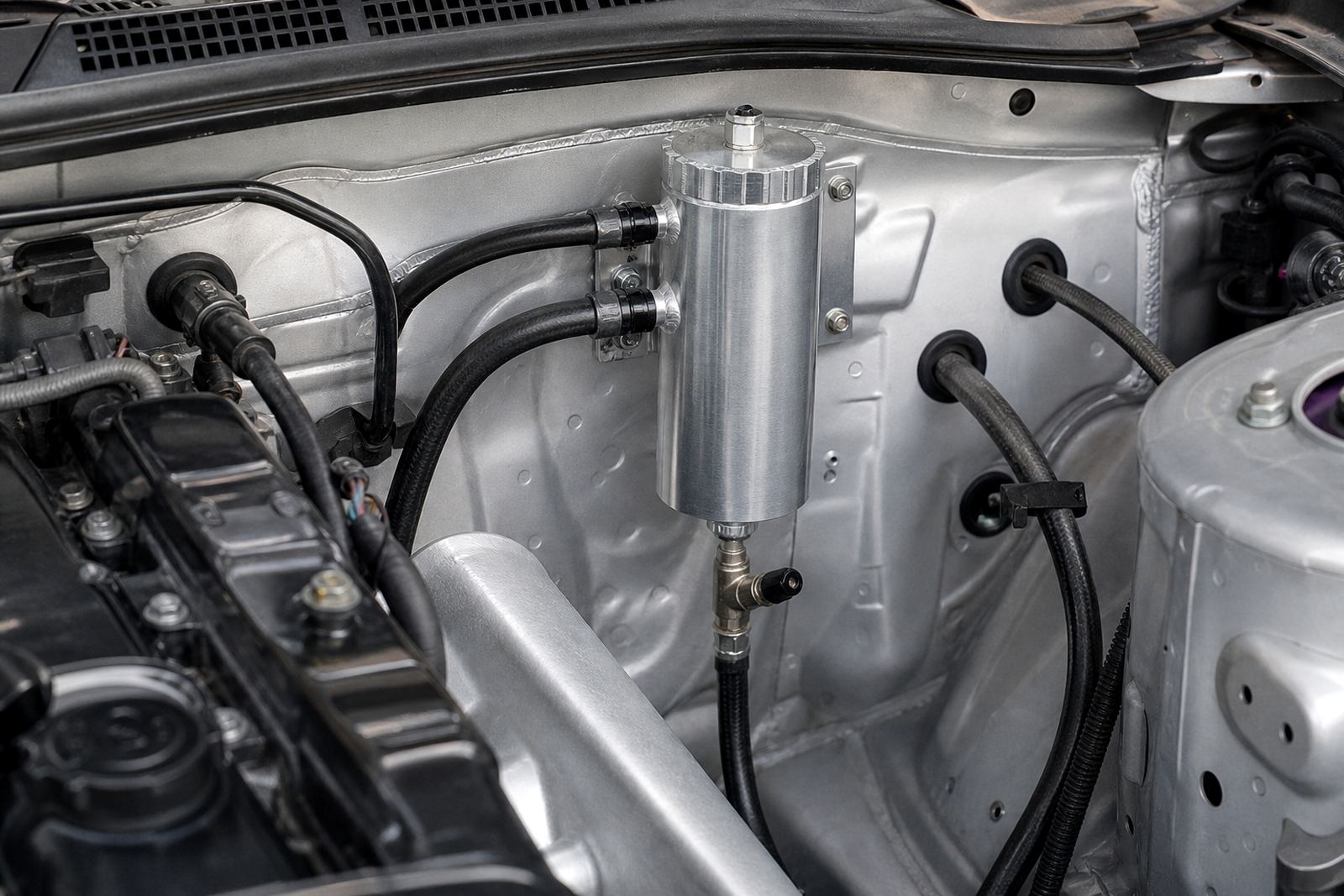
Catch Can Purpose

Catch Can Purpose

What a catch can does and where it fits into a race engine bay.

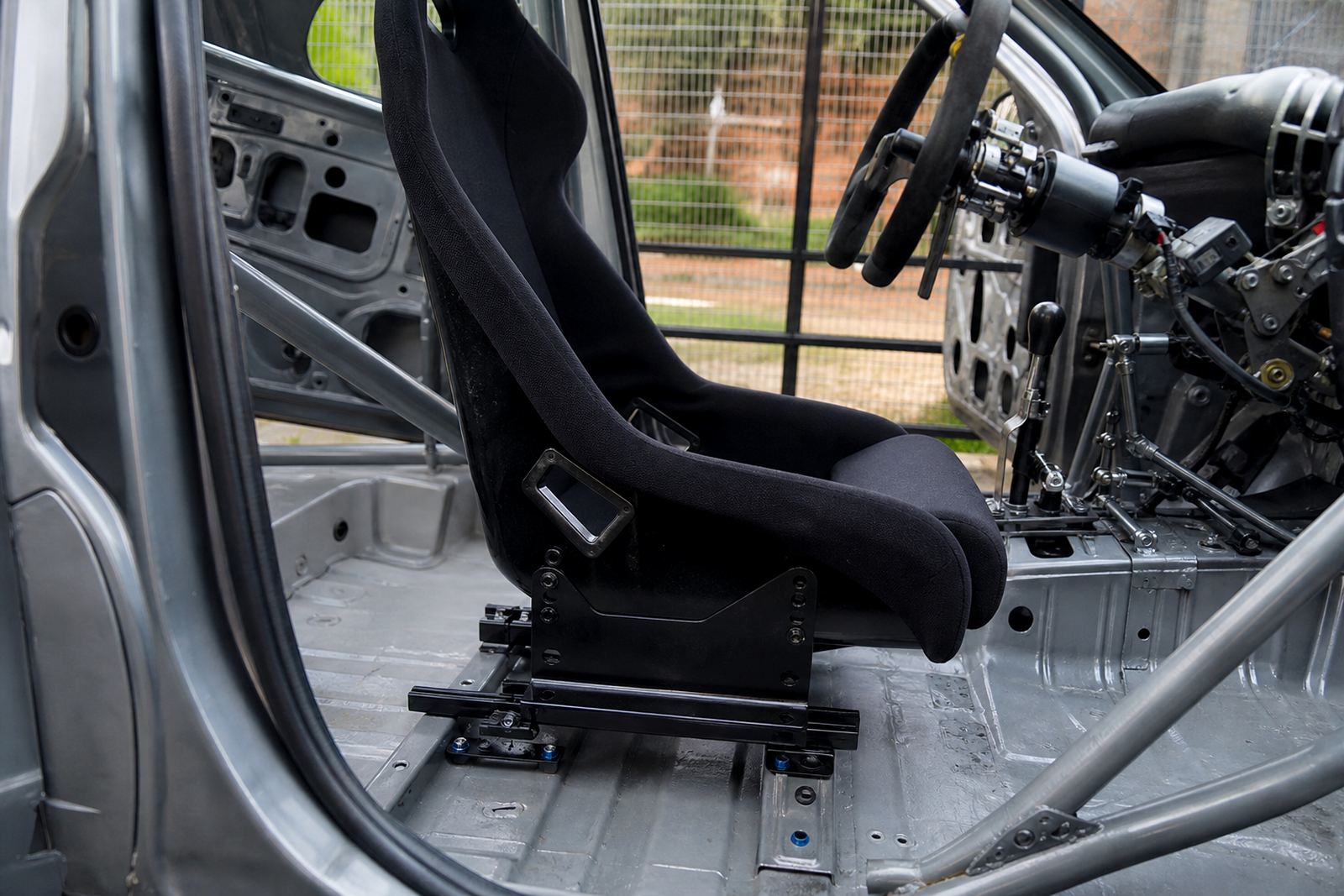
Seat Mounting Basics

Seat Mounting Basics

Common seat mounting checks for posture, helmet clearance and reach.

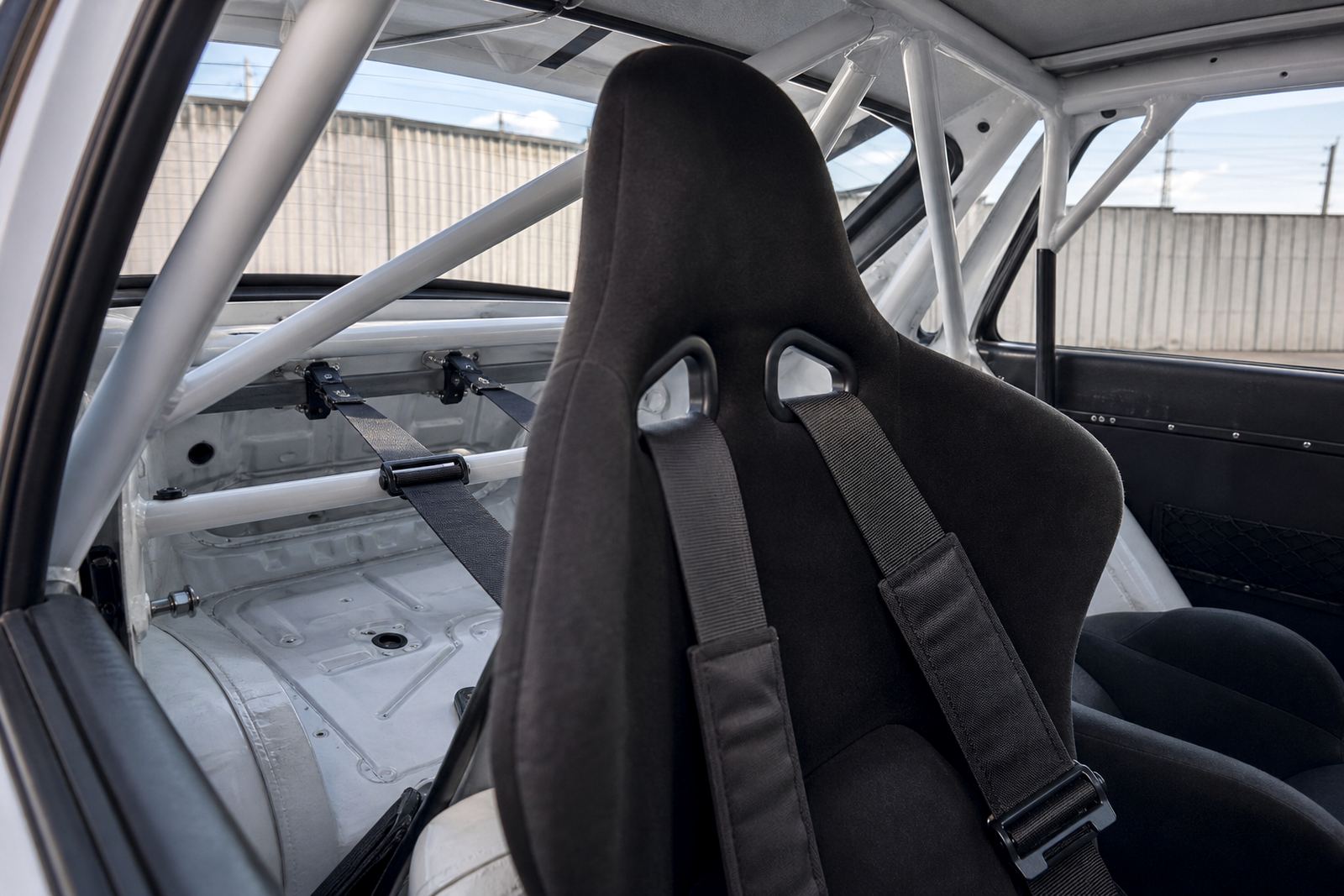
Harness Angle Guide

Harness Angle Guide

Why strap angles and anchor positions deserve careful planning.

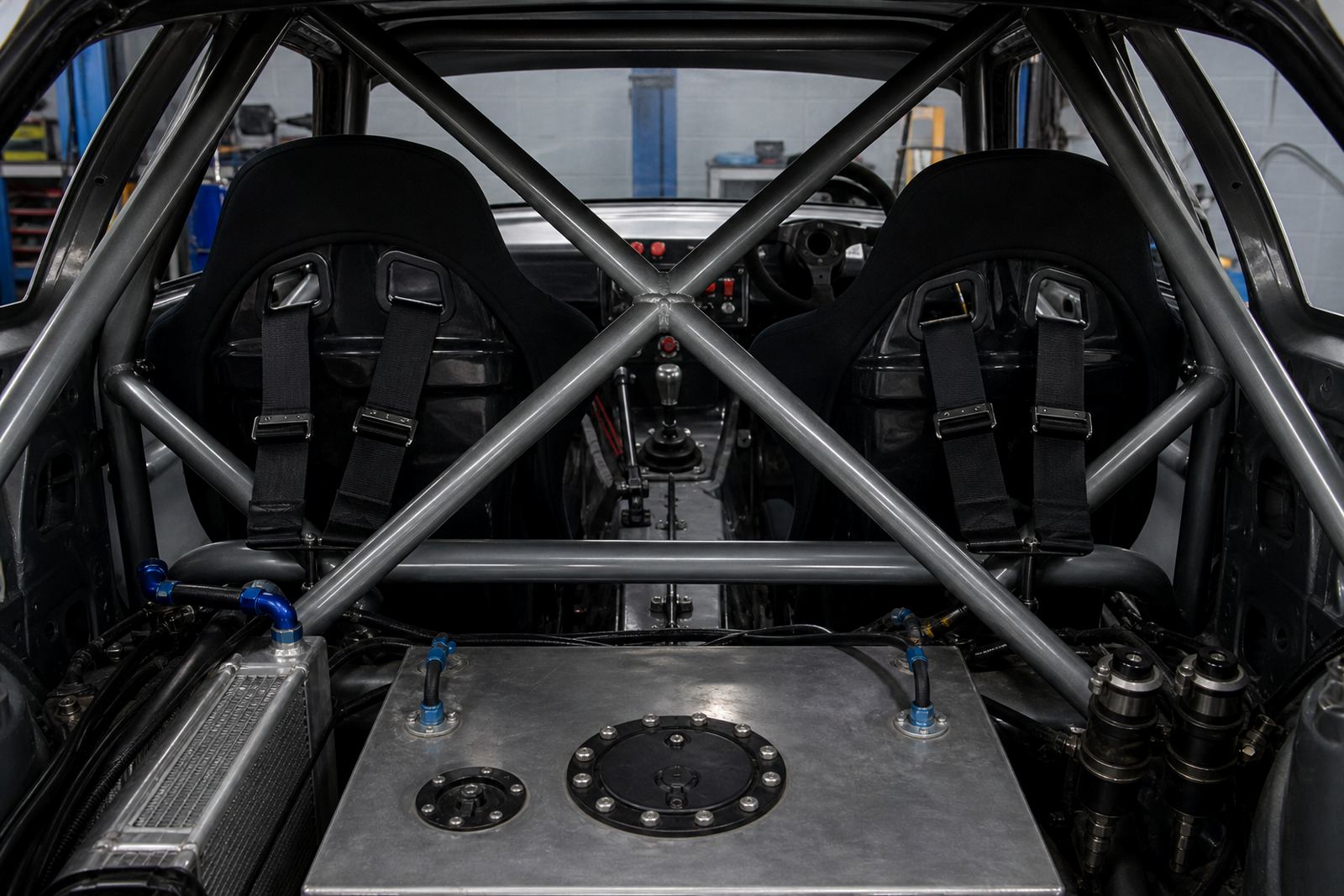
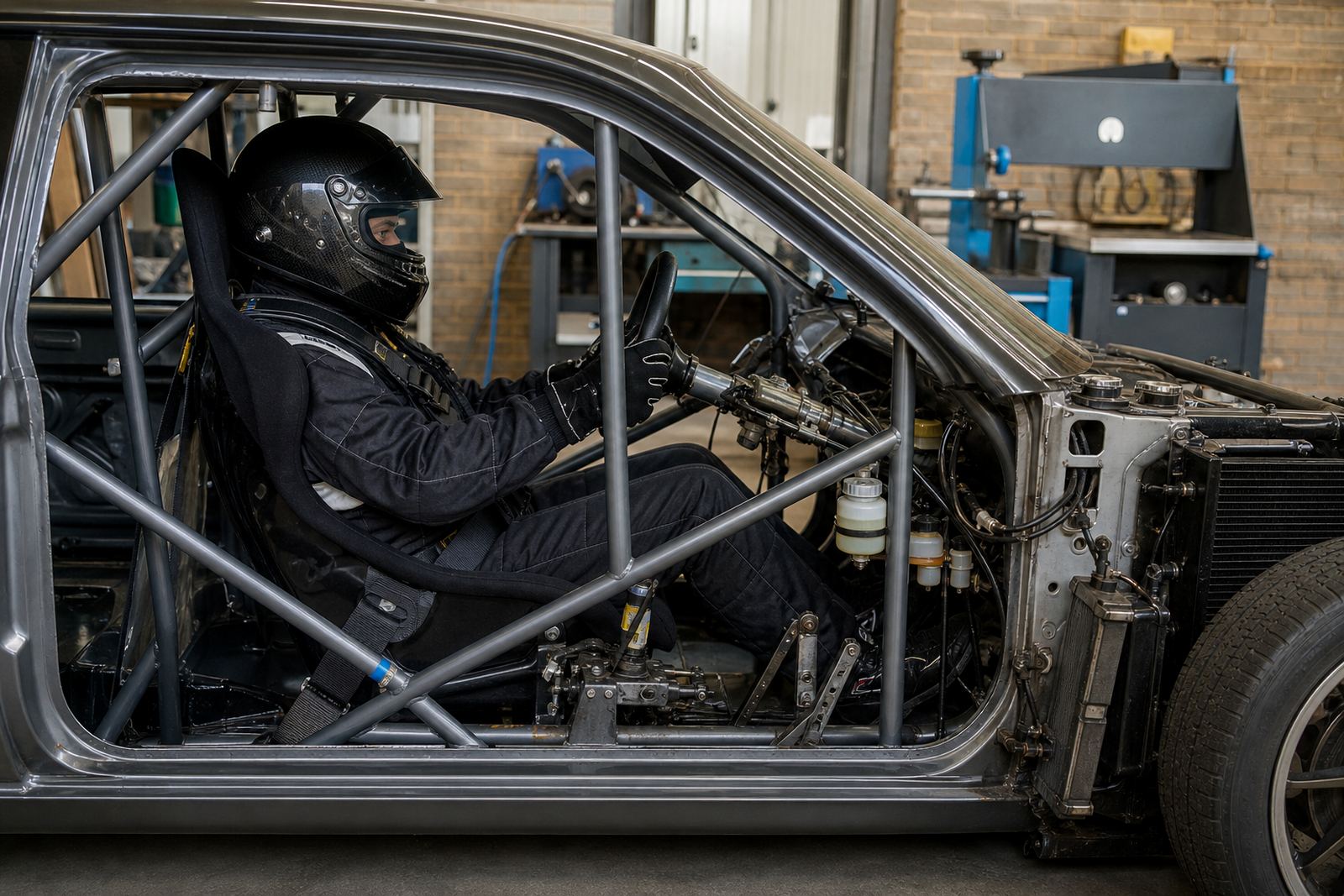
Roll Cage Clearance

Roll Cage Clearance

Interior clearances that help the driver move safely and service the car.

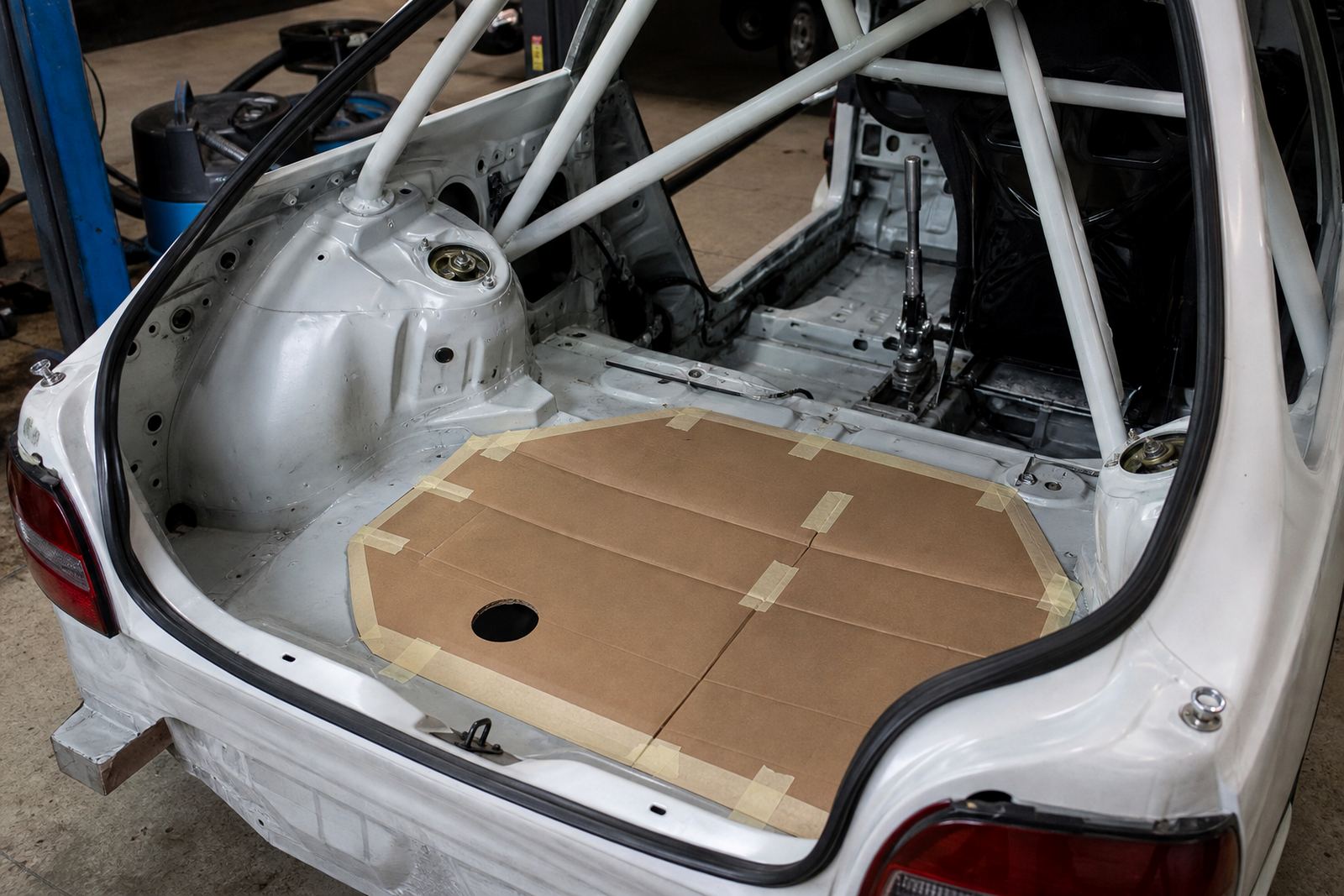
Fuel Cell Placement

Fuel Cell Placement

Planning safe placement, fill access and line routing for fuel cells.

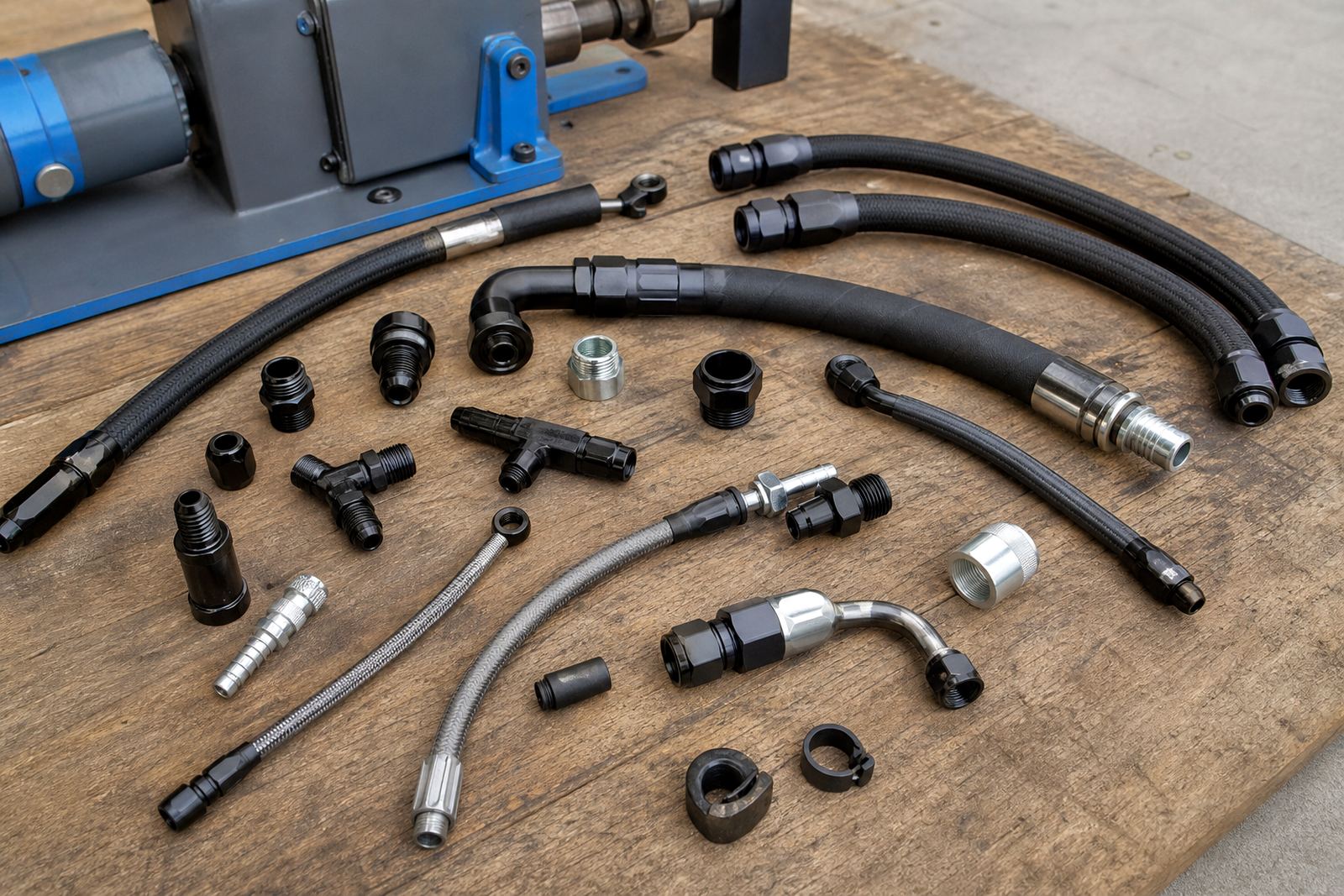
Choosing Fuel Hose

Choosing Fuel Hose

Fuel hose selection depends on compatibility, routing and service intervals.

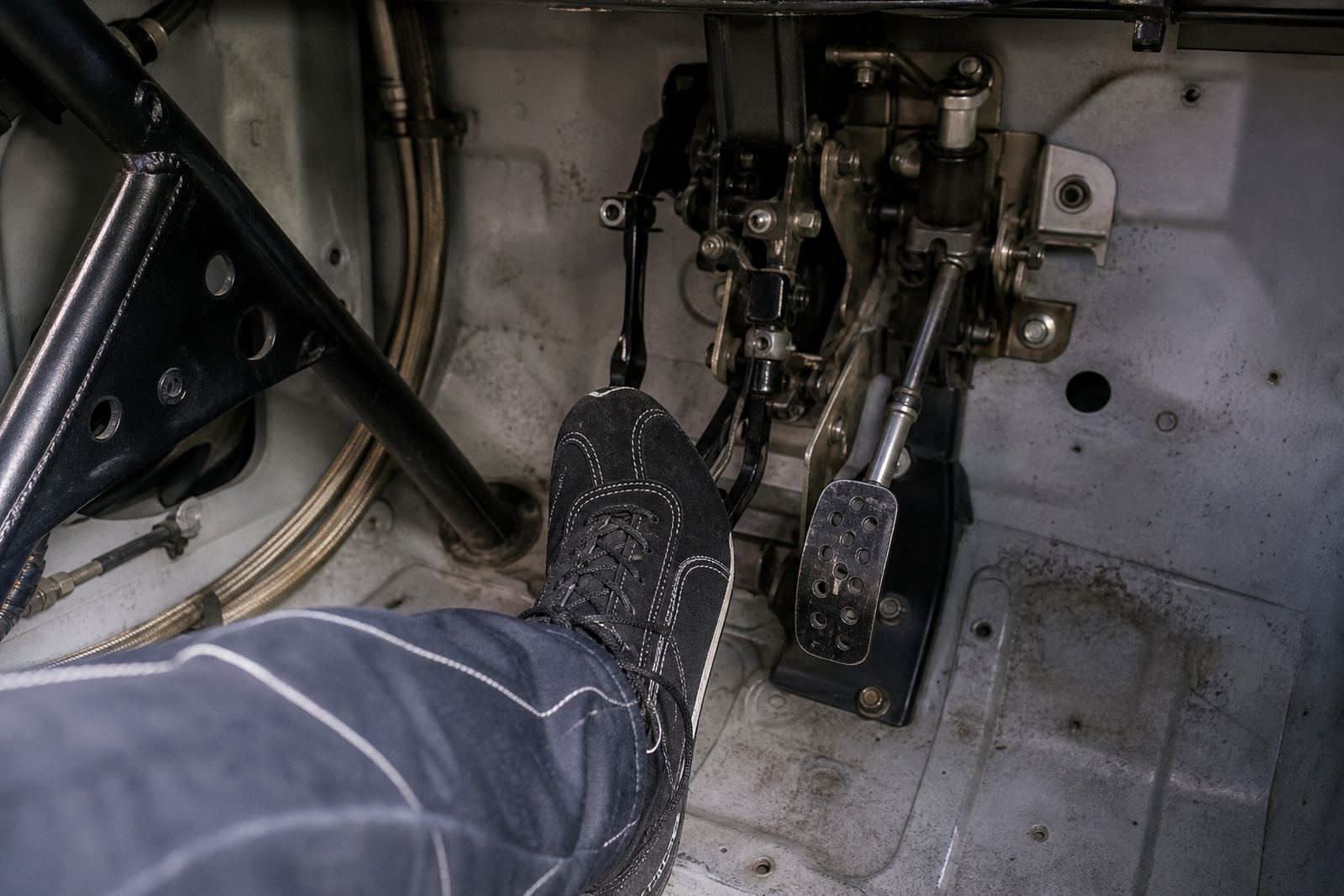
Clutch Pedal Feel

Clutch Pedal Feel

What affects pedal effort and engagement feel in performance clutch setups.

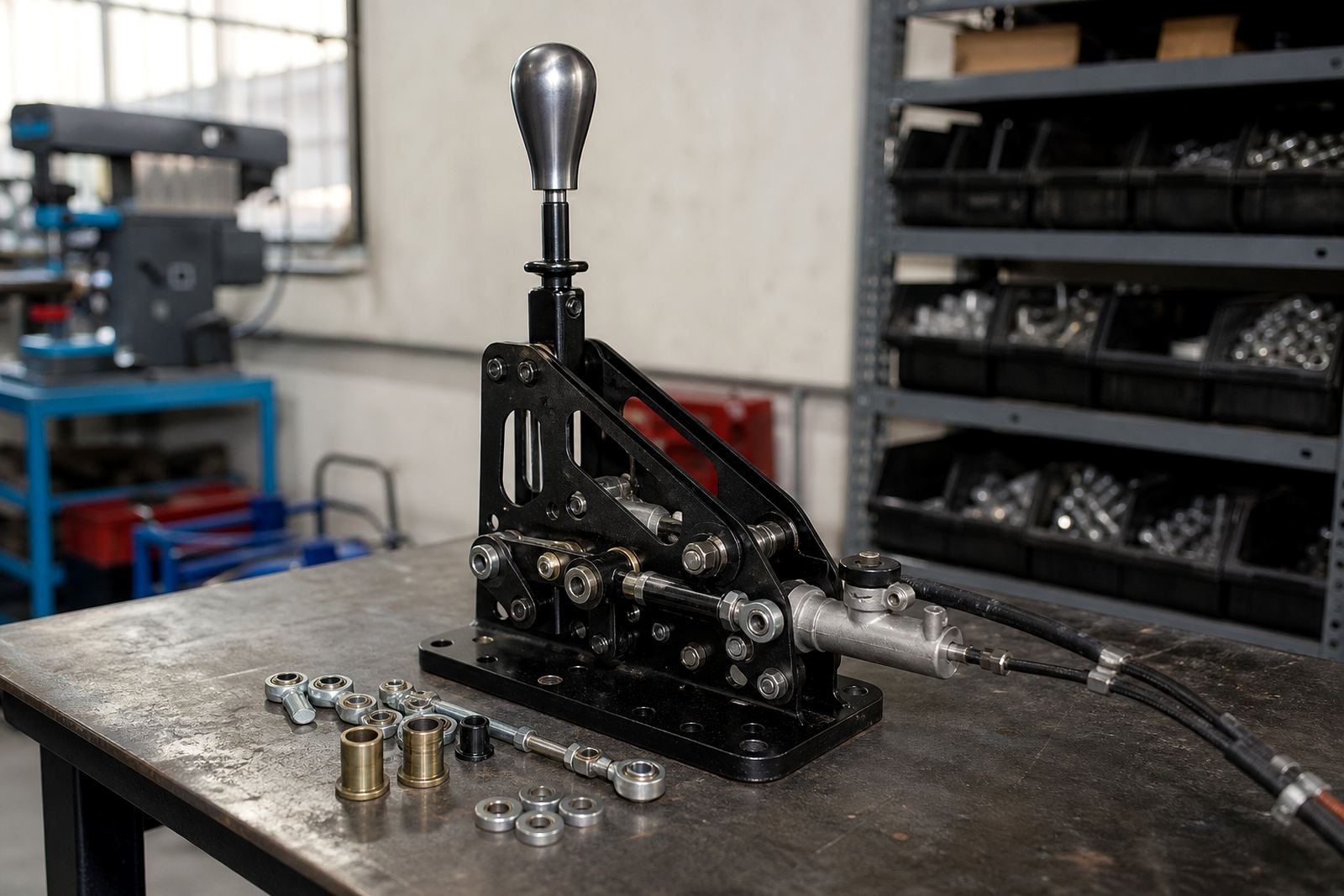
Short Shift Tradeoffs

Short Shift Tradeoffs

Shorter throw can feel sharper, but linkage quality and setup still matter.

Wheel Stud Checks

Wheel Stud Checks

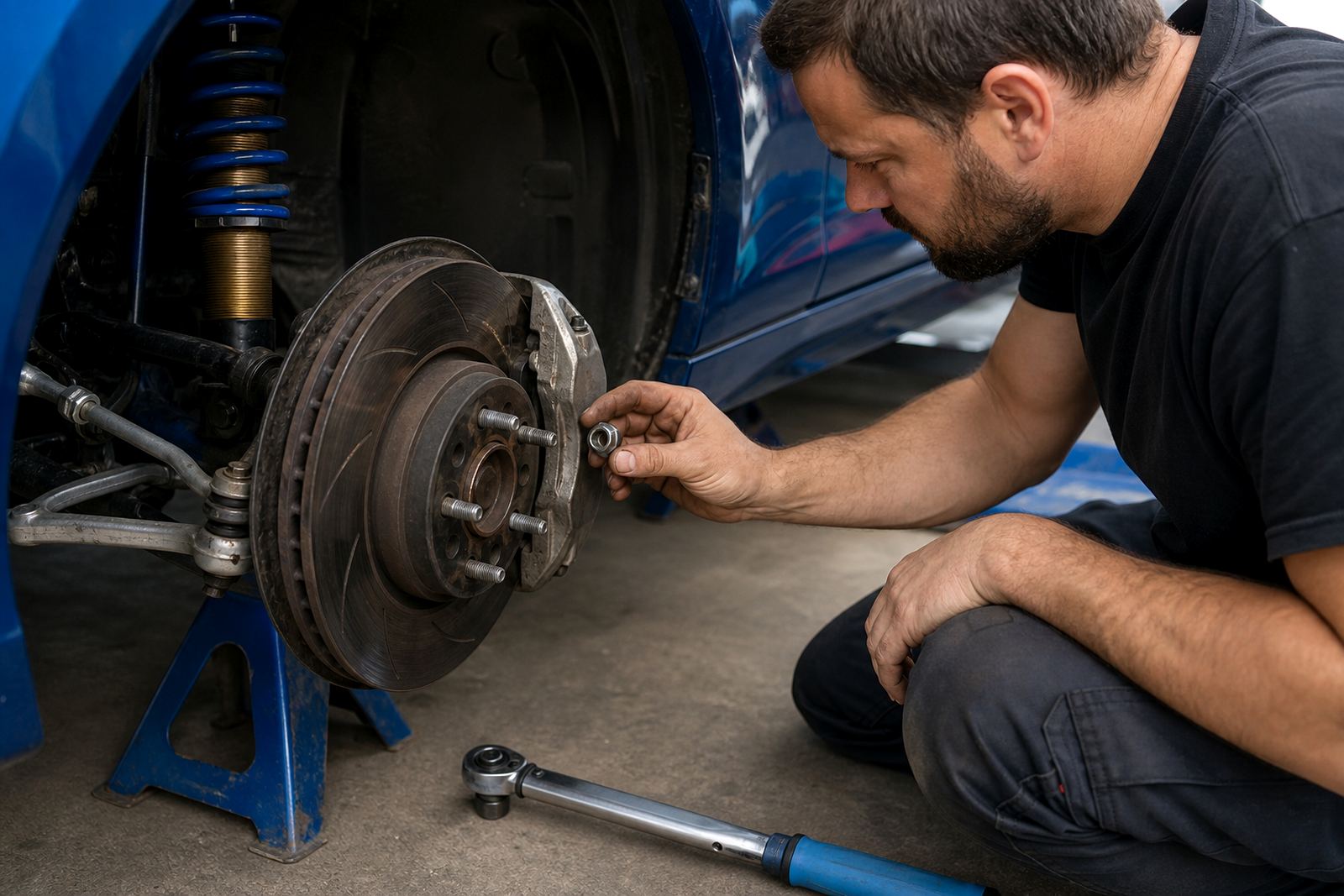
Thread engagement and re-torque checks before repeated wheel changes.

Spacer Clearance Notes

Spacer Clearance Notes

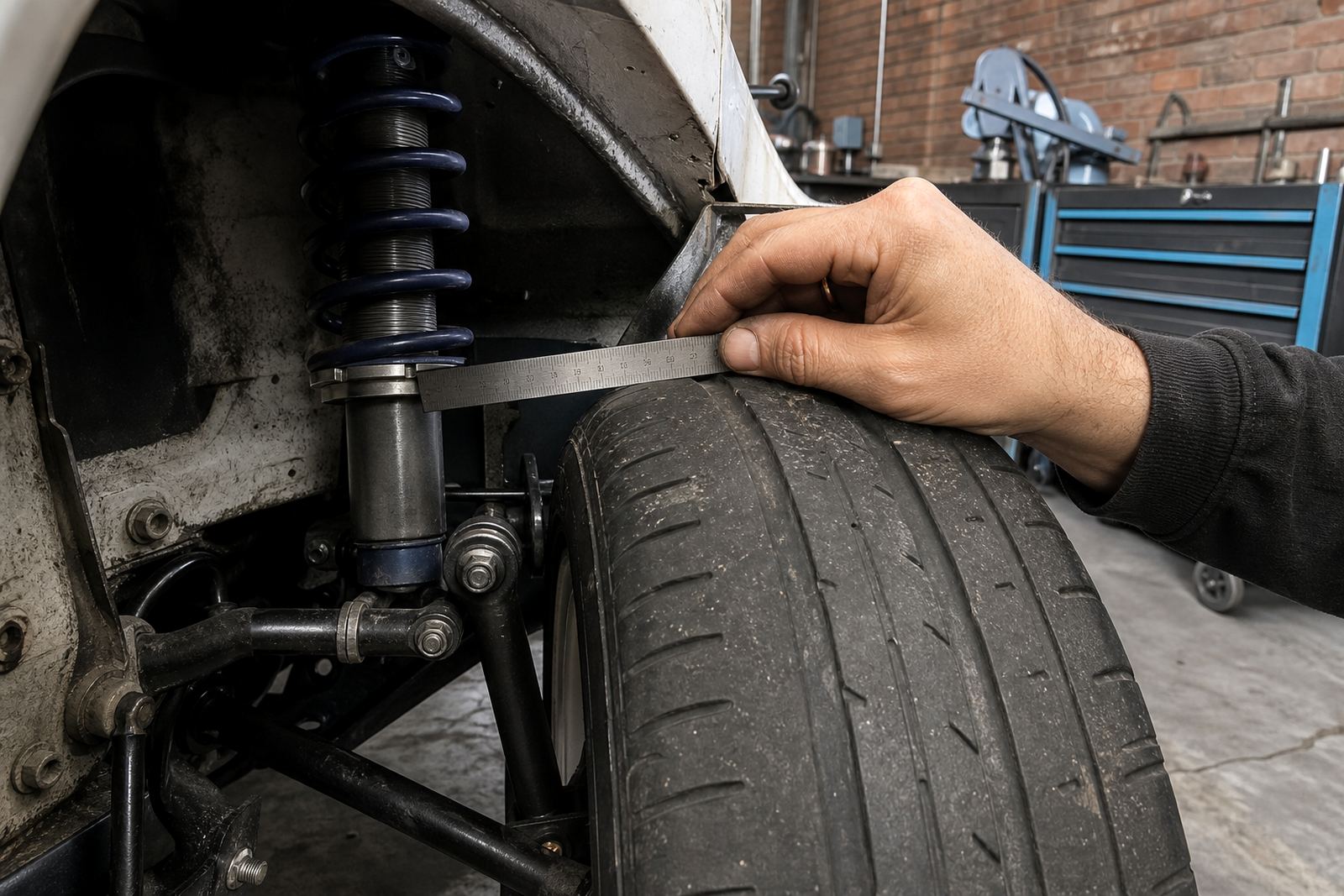
How to check wheel-to-strut and tyre-to-arch clearance after spacing changes.

Pedal Box Bias

Pedal Box Bias

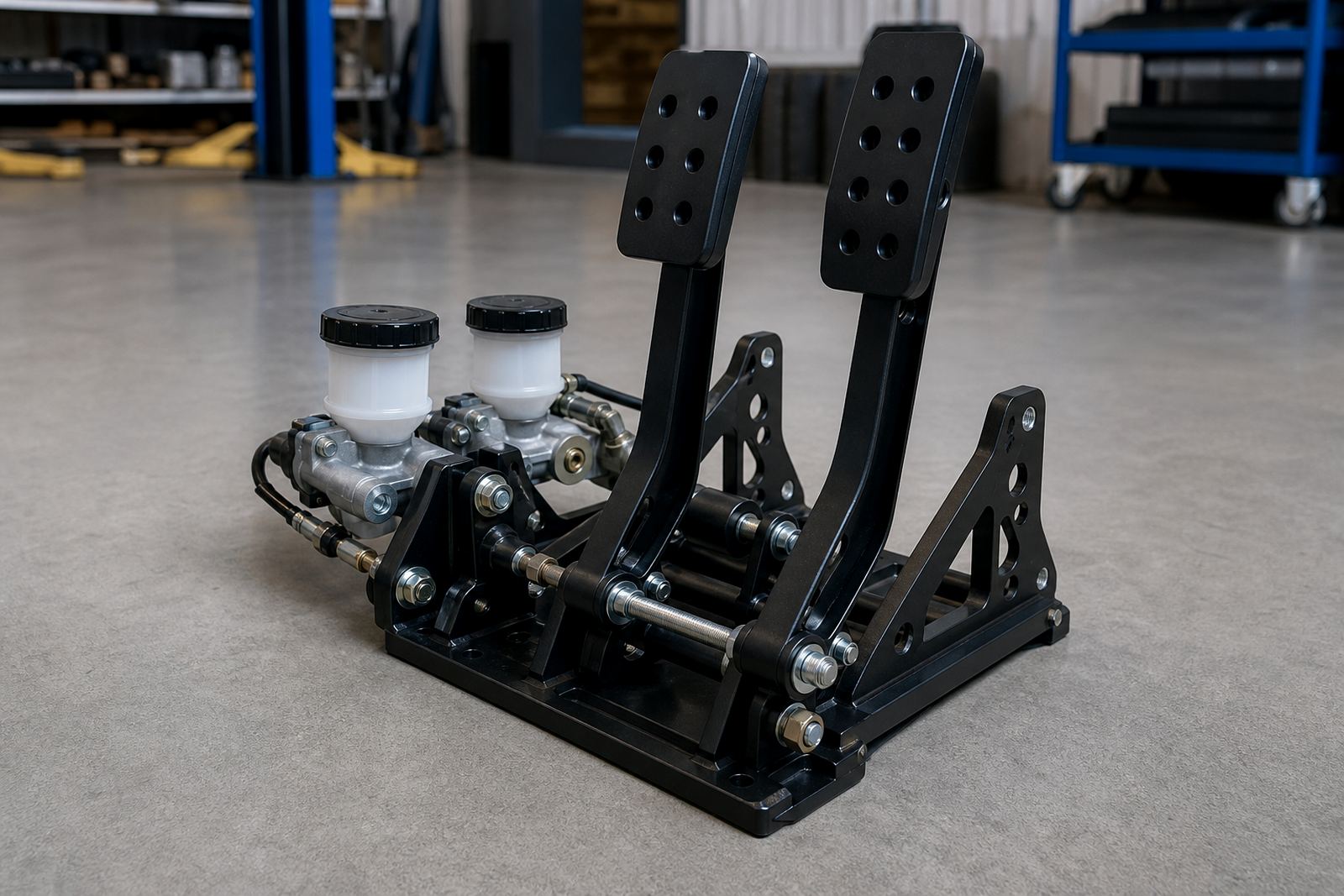
Brake bias changes should be approached carefully and tested methodically.

Fire Kit Position

Fire Kit Position

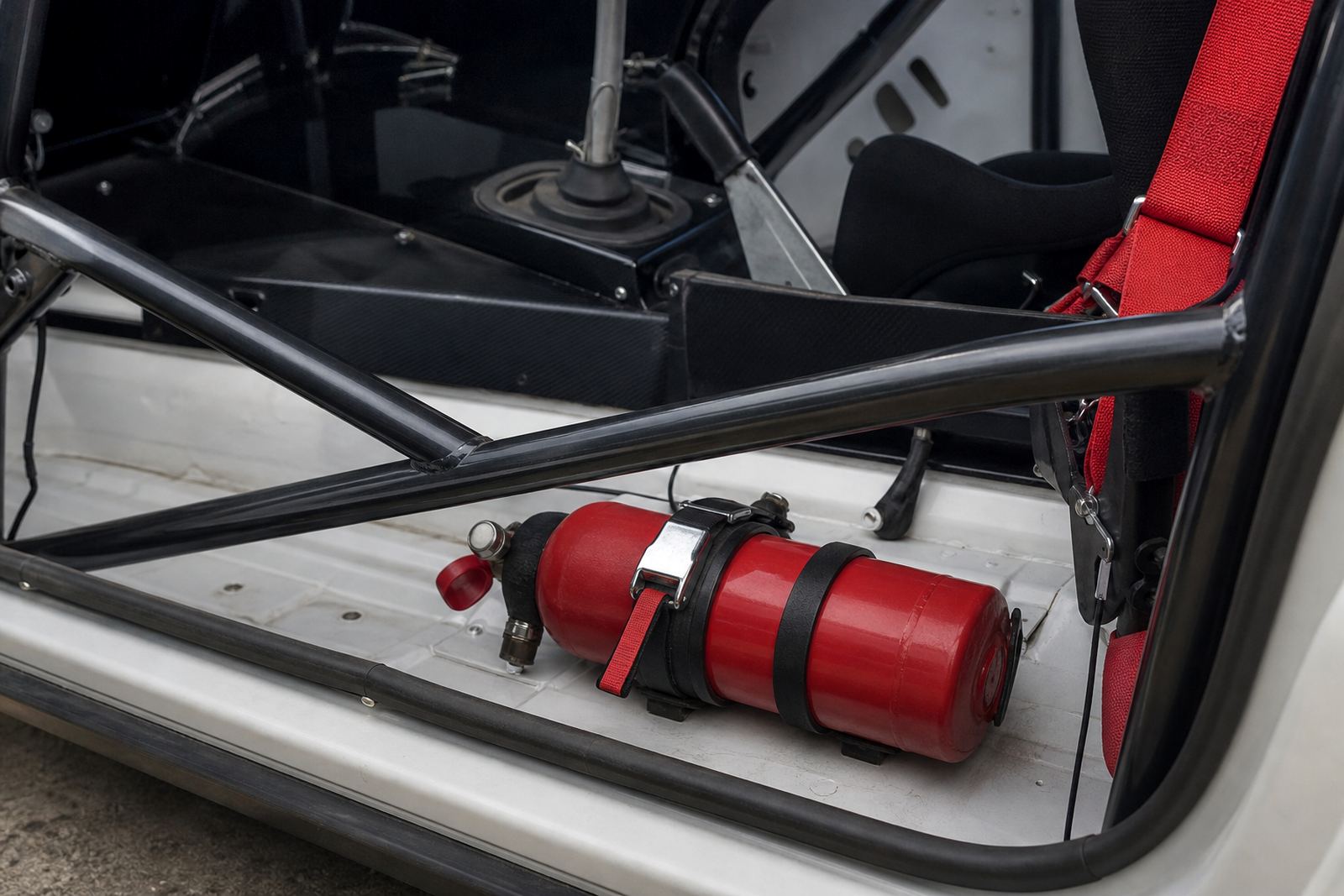
Mounting location affects access, inspection and practical use under pressure.

Battery Isolator Basics

Battery Isolator Basics

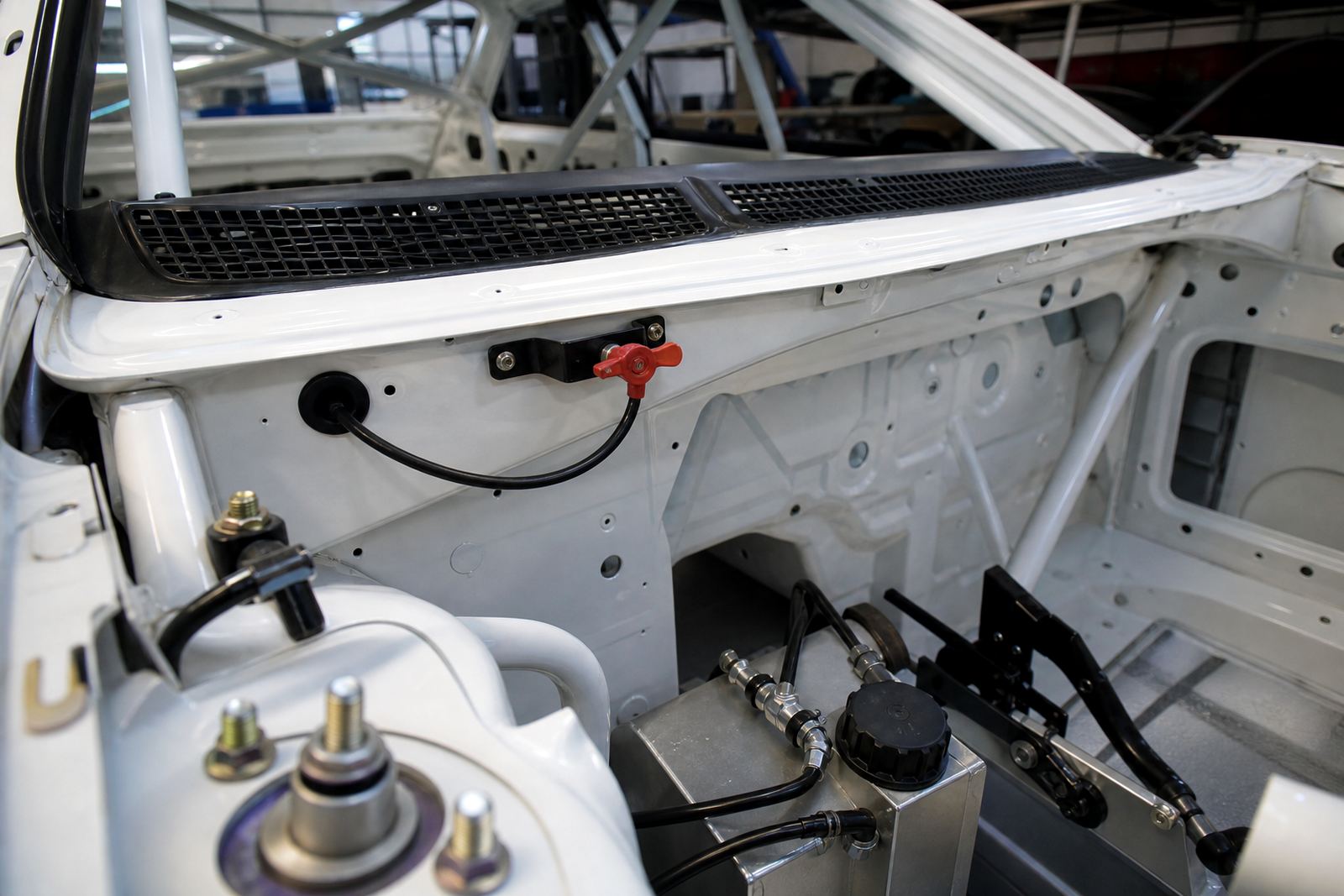
Why isolation switches need clear mounting and sensible cable routing.

Pre-Event Nut Check

Pre-Event Nut Check

A calm nut-and-bolt inspection catches many issues before loading up.

Track Day Toolkit

Track Day Toolkit

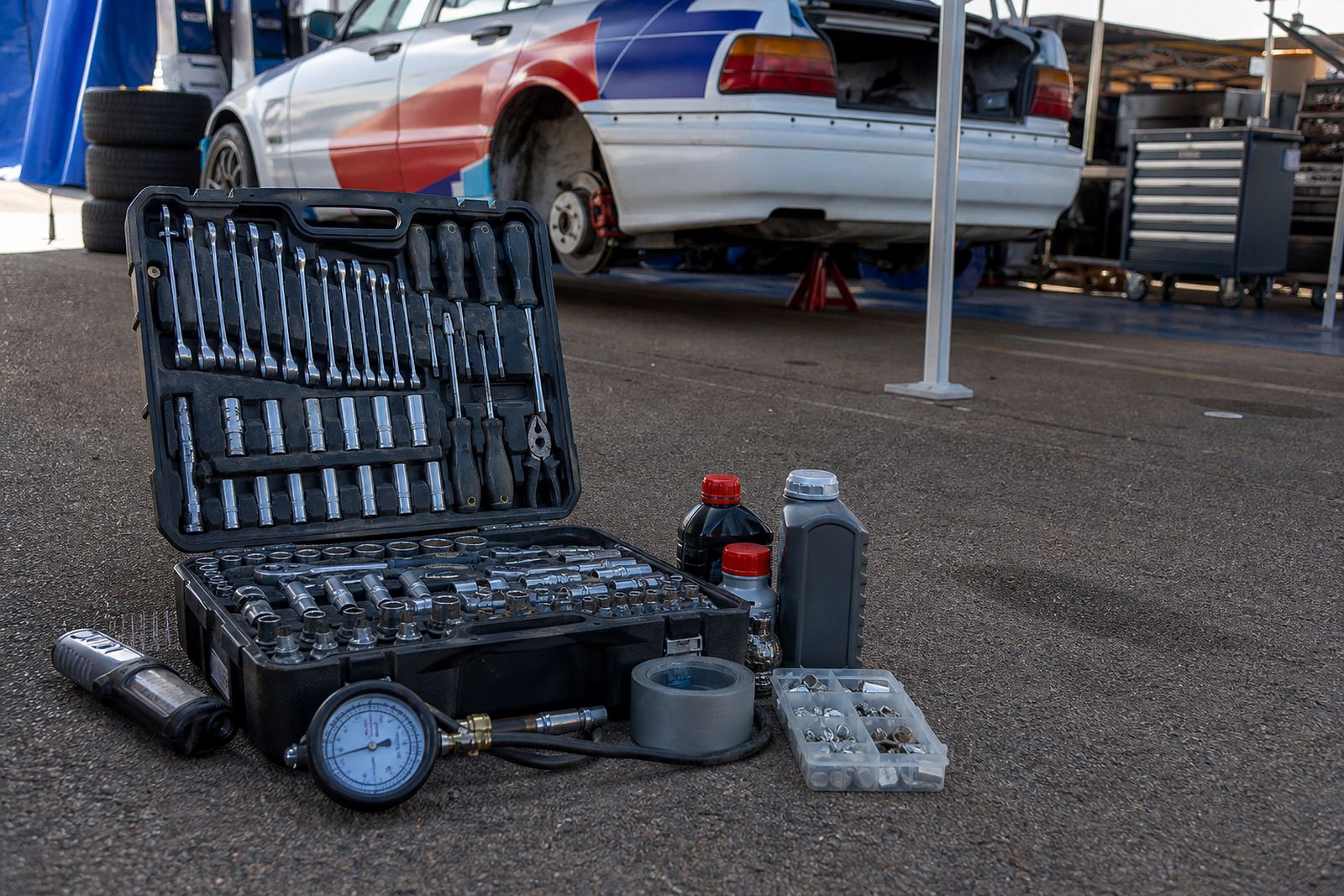
Essential tools and consumables worth packing for a private track outing.

Spares To Carry

Spares To Carry

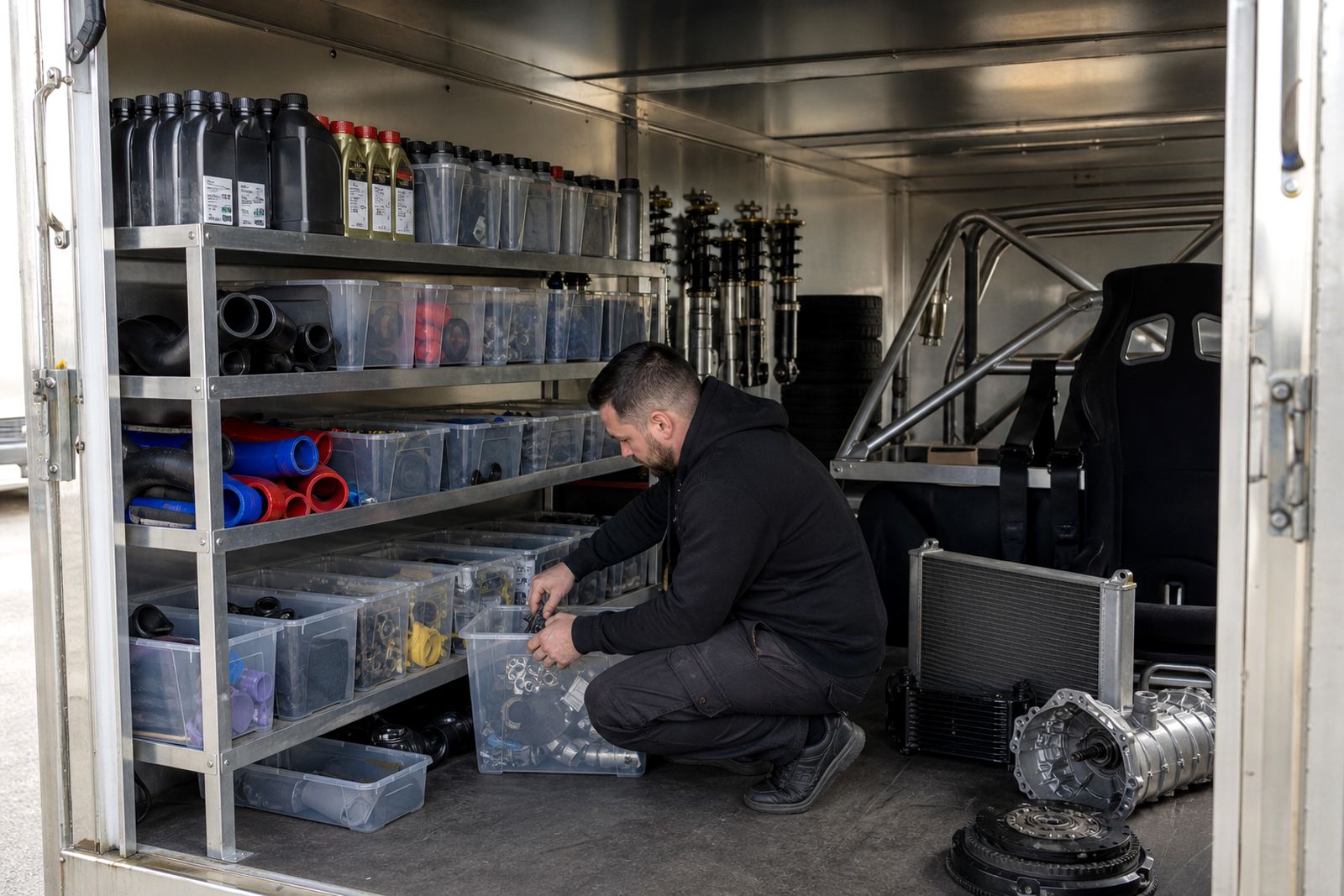
Useful spare parts that reduce stress when small problems appear at the circuit.

Tyre Pressure Logging

Tyre Pressure Logging

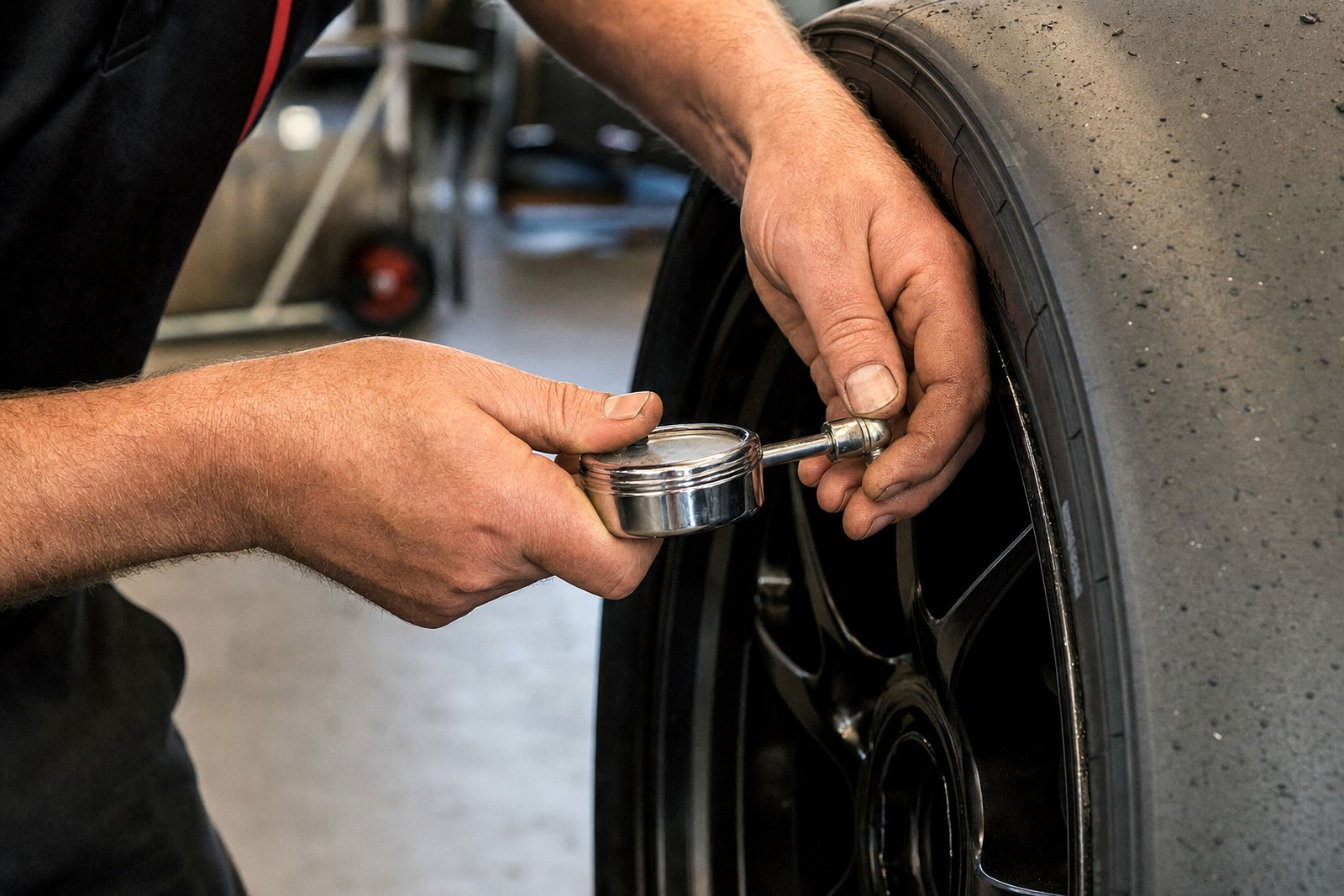
A simple pressure log helps explain handling changes through the day.

Cooldown Lap Habits

Cooldown Lap Habits

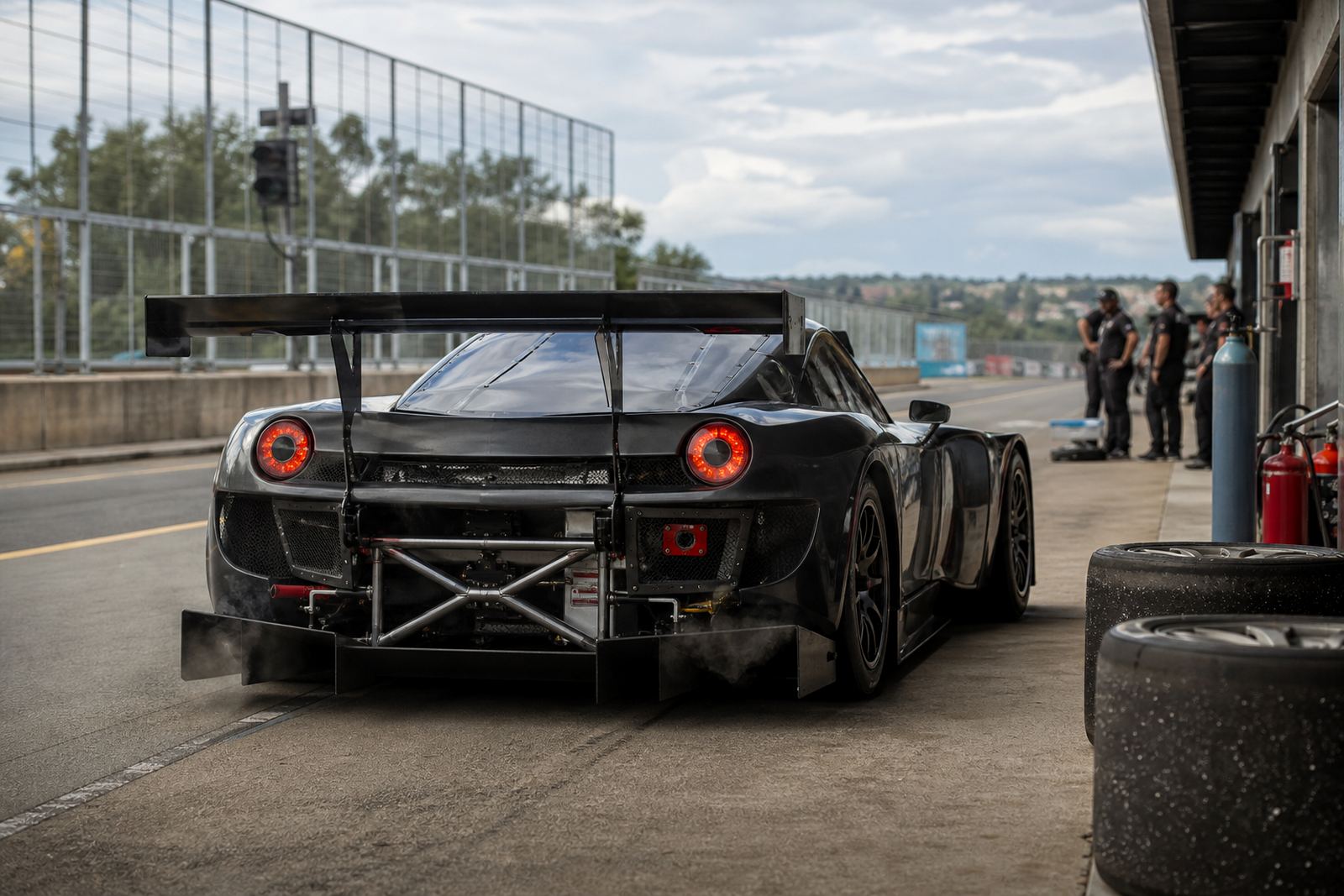
Good cooldown habits help brakes and engine bay temperatures settle properly.

Wet Weather Braking

Wet Weather Braking

Brake feel and heat patterns change in the wet, so driving habits should too.

Rally Service Routine

Rally Service Routine

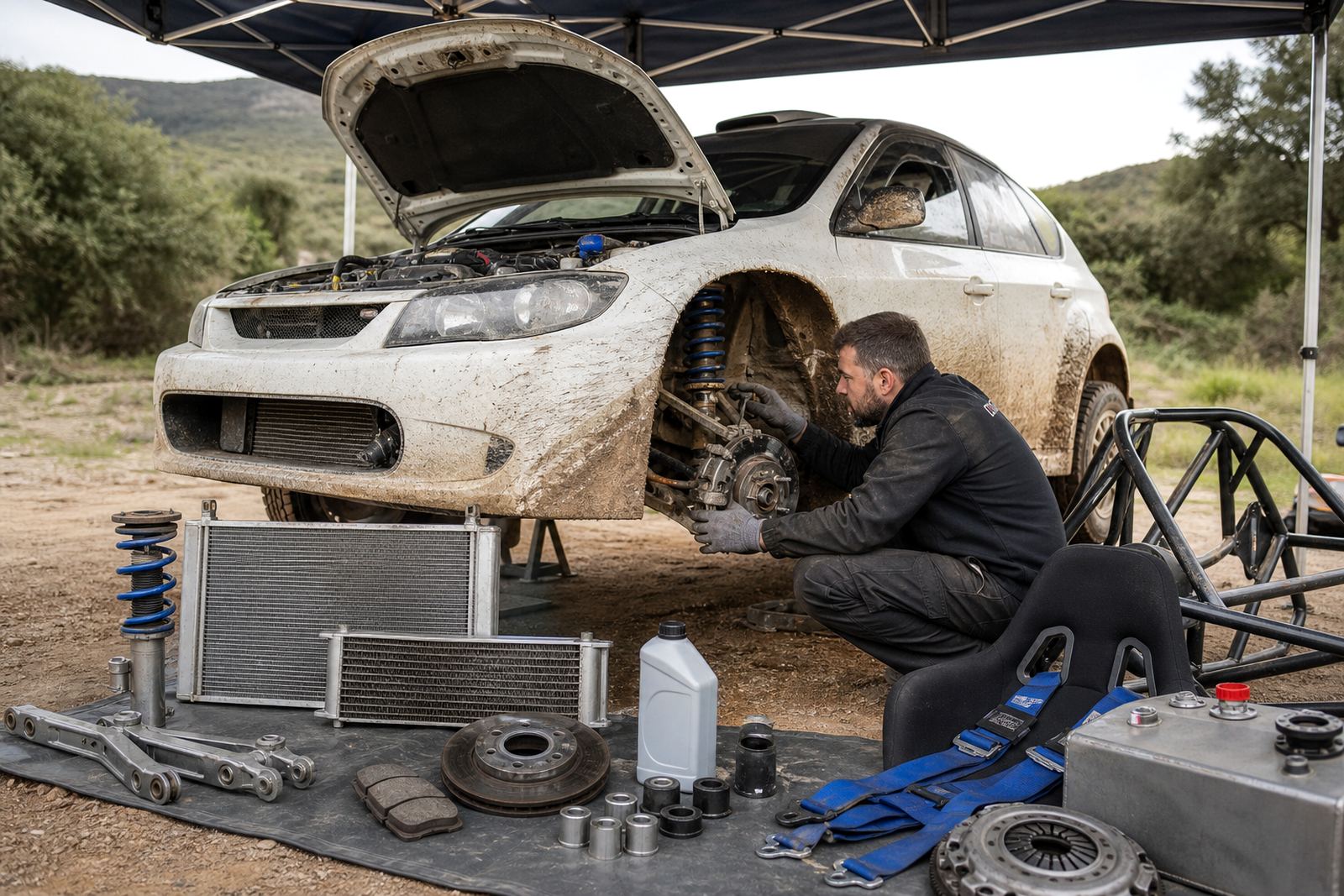
Quick stage service checks should focus on leaks, damage and fastener security.

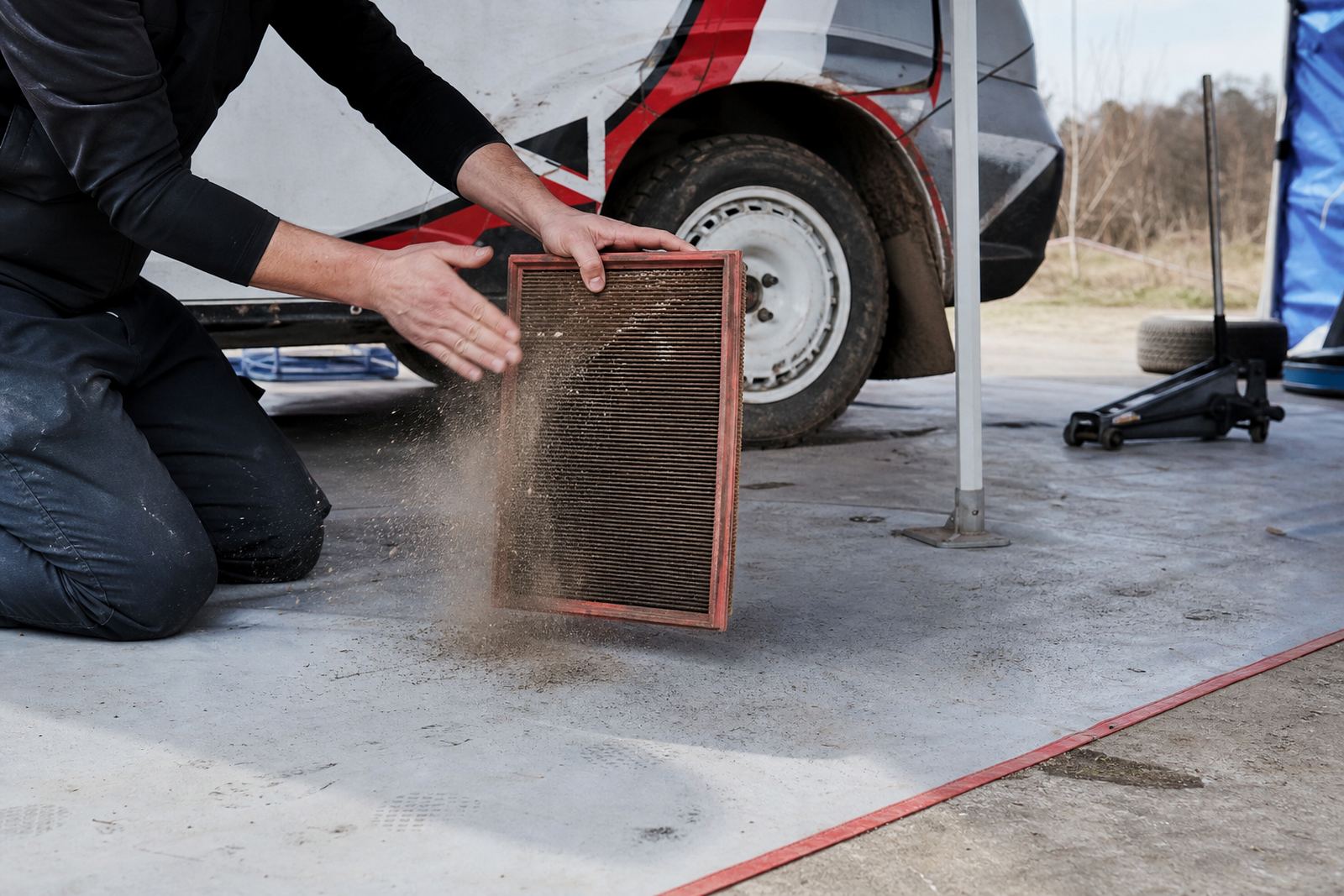
Dust And Filter Care

Dust And Filter Care

Dusty running means intake filters need more frequent inspection and cleaning.

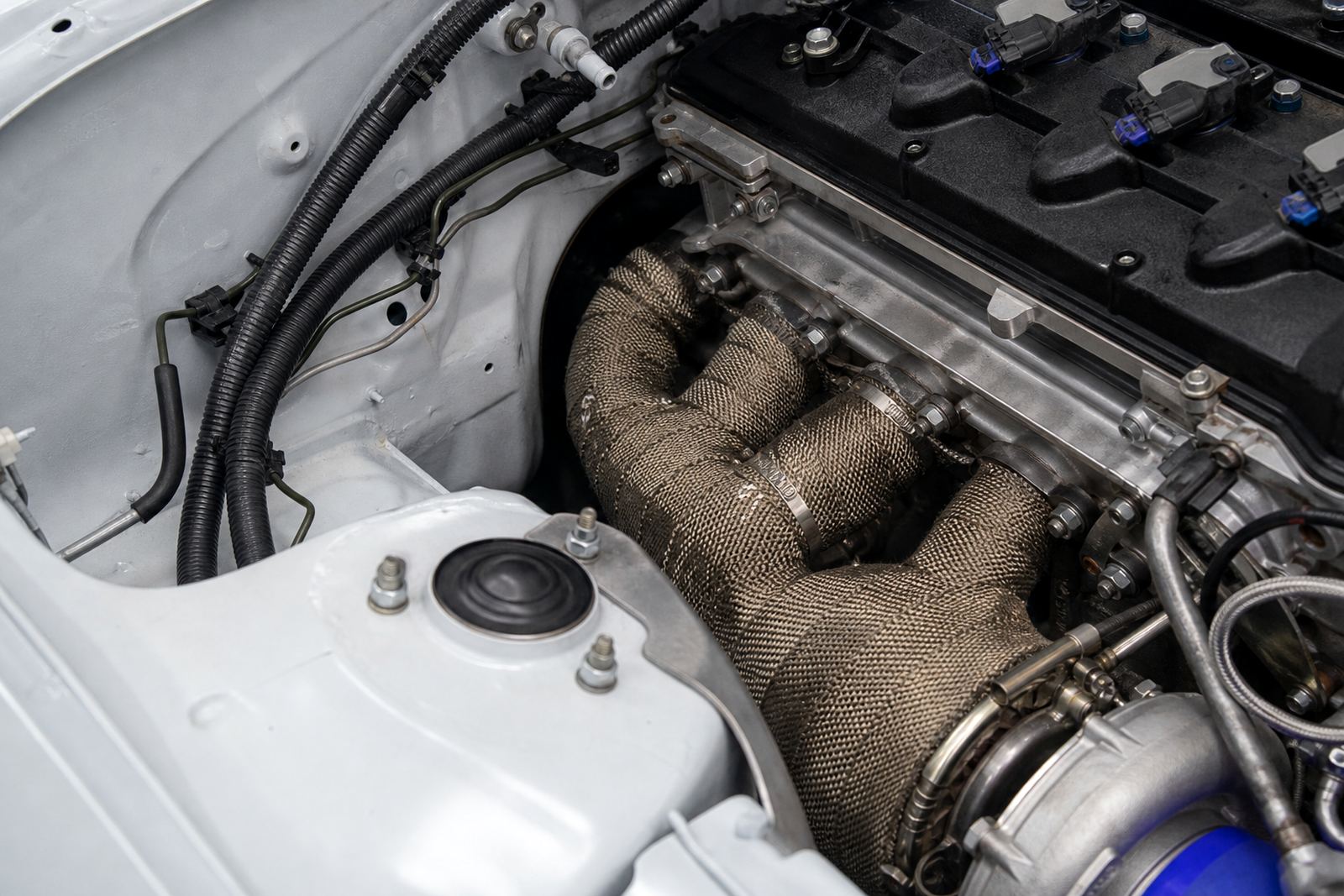
Heat Wrap Caution

Heat Wrap Caution

Heat control methods should be used thoughtfully around nearby hoses and wiring.

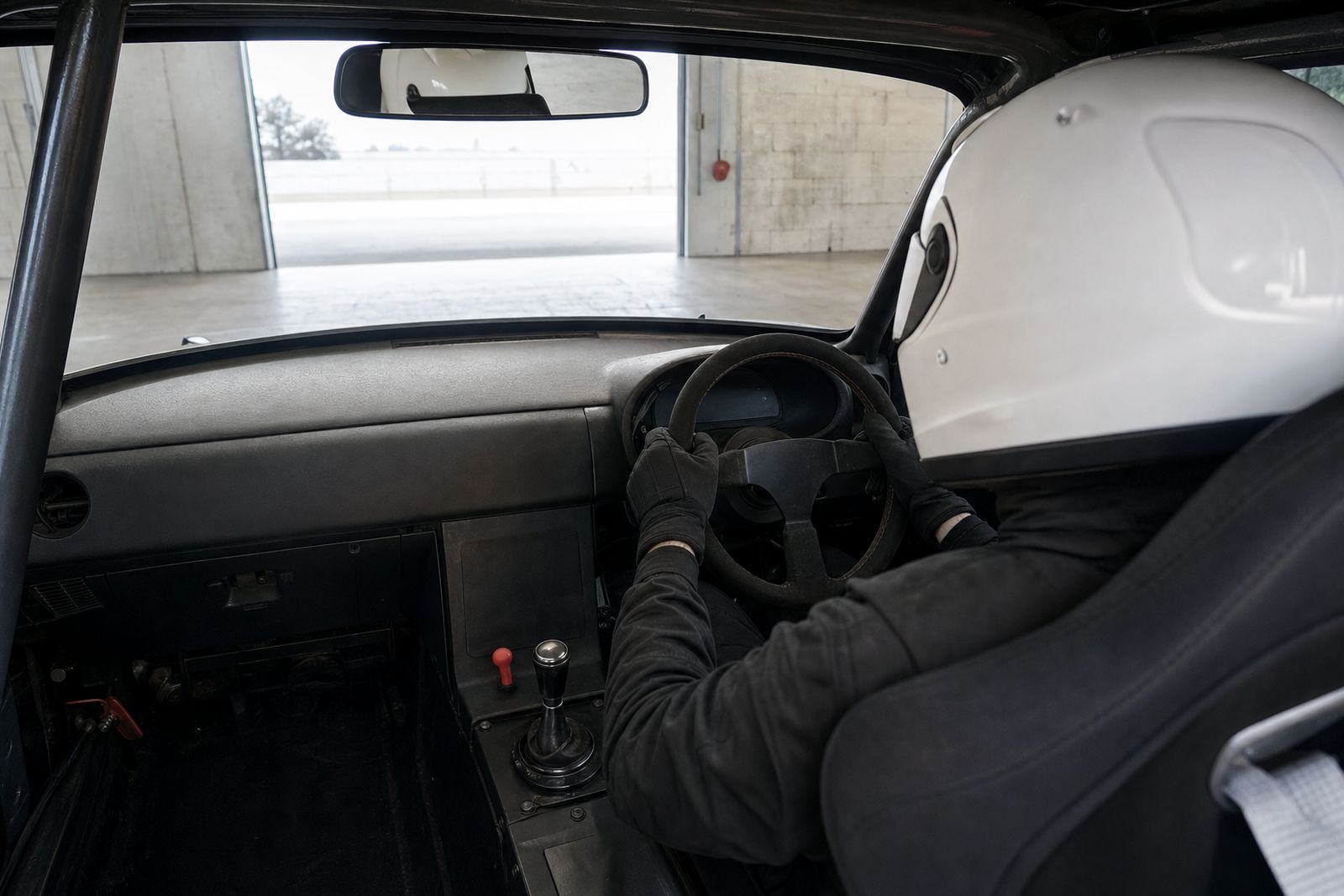
Driver Seating Posture

Driver Seating Posture

A stable driving posture supports consistency, comfort and safer steering inputs.

Steering Wheel Reach

Steering Wheel Reach

Wheel position influences leverage, shoulder fatigue and confidence over long runs.

Simple Data Notes

Simple Data Notes

Even basic notes on pressures, clicks and temperatures make setup work clearer.

Reading the car before the first lap

Not every racer starts from the same place, so we look first at the signs that show up before a weekend. Brake feel, tyre wear, heat control, seating position and pedal balance all tell a useful story long before the car reaches the grid.

Some pieces are about the hardware itself, while others deal with how the driver sits in the shell and how the car behaves under braking, turn-in and power delivery. The aim is to make the next decision clearer, whether the car runs at Kyalami, Midrand, Pretoria or a coastal circuit with heavier humidity and salty air.

Fitment notes that save time in the workshop

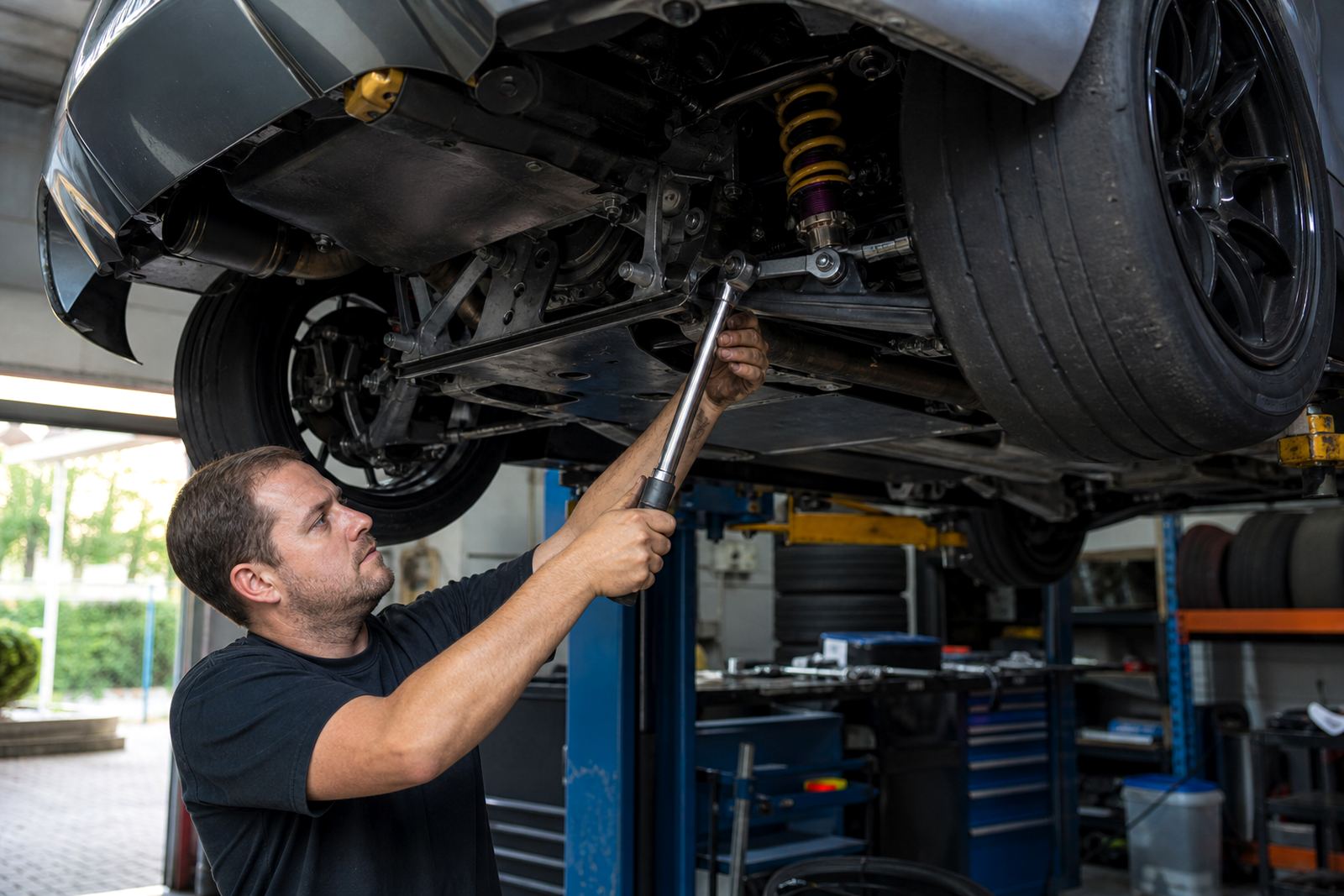
Brake pads and fluid need the right pairing for the temperatures the car sees. Coilovers need spring rate, ride height and damper setting to sit together properly. Bushes, alignment and corner weighting must be read as one system, not separate jobs done in isolation.

  • Brake Upgrade Planning for pad compound, fluid choice and pedal feel
  • Brake Bleeding when the pedal needs a firmer, more repeatable stroke
  • Coilover Setup for ride height, platform balance and grip on uneven surfaces
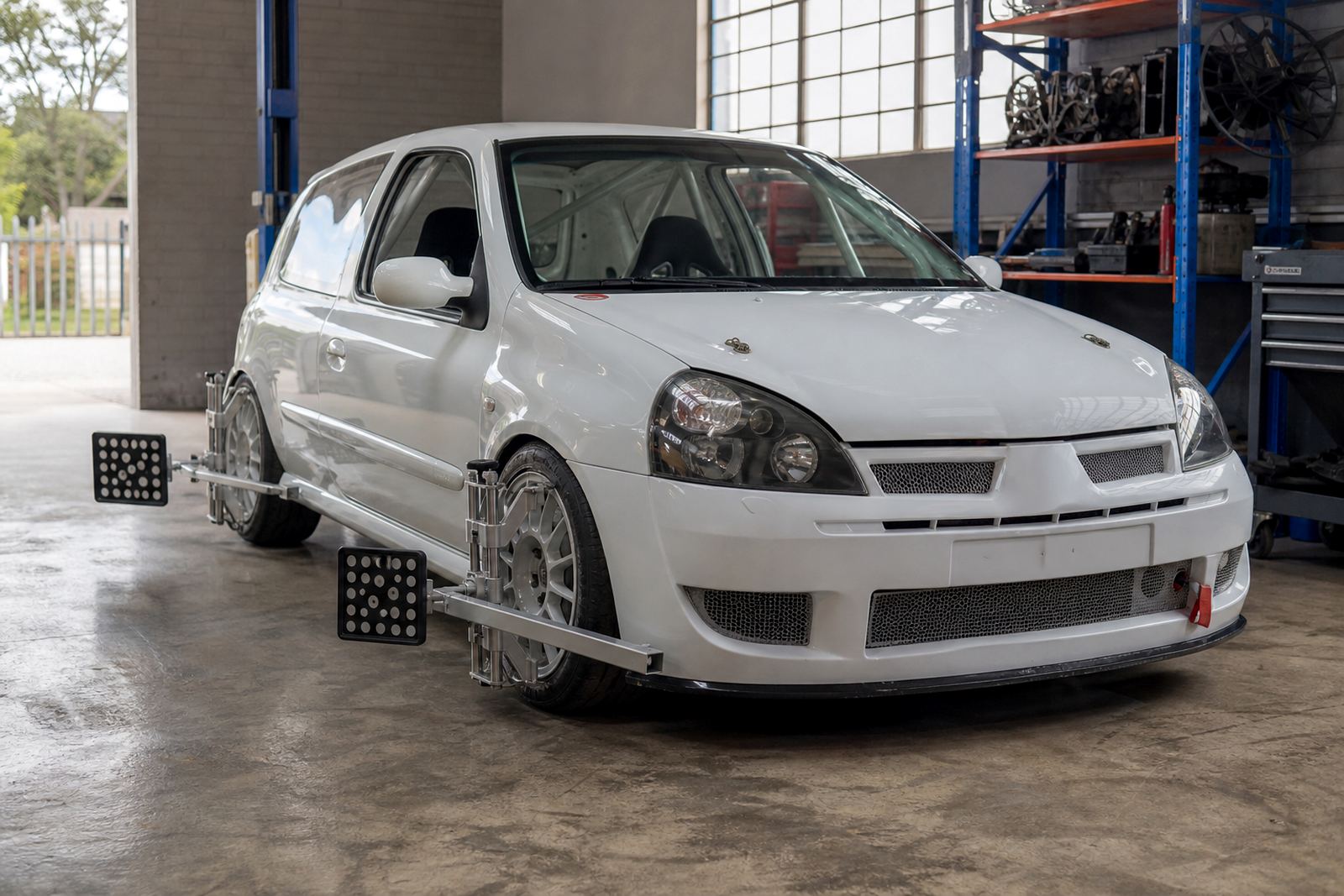
  • Alignment Checks when the car pulls, scrubs or turns unevenly
  • Corner Weighting after a seat move, spring change or cage fitment

Cooling, fuel and clutch notes from real race prep

Heat management is often the part that gets ignored until the warning light or rising gauge makes itself known. Radiators, oil coolers and ducting need enough flow to keep temperatures in range without disturbing the rest of the package. Fuel system layout matters as well, especially where braking, corner entry and low tank levels can expose poor pickup or slosh.

Clutch and shift setup also deserve proper attention. A hard pedal, a short bite point or a vague lever can throw the driver off when the lap is already hectic, so small changes that keep the car easy to place under pressure are worth the time.

  • Cooling System Checks for track days and longer stints
  • Fuel System Layout for stable supply under braking and cornering
  • Clutch And Shift Setup when the car needs cleaner gear changes

Safety gear and the seat position that keeps the driver settled

Seat position, harness fitment and roll cage clearance all affect how a driver reads the car. A seat that sits too high or too far back changes visibility, steering reach and pedal control, while a poor harness angle can make the driver brace in the wrong places.

Seat and cage layout gets the same treatment. We look at mounting height, belt angles, helmet clearance and the space needed around the shoulders, hips and helmet when a cage is fitted into a tight cabin.

Midrand base, South African roads, mixed race weekends

Our base in Midrand keeps the focus on cars that travel between circuits, regional tracks and workshop bays across Gauteng and beyond. A setup that works on a smooth day at one venue may need a different balance for a bumpy local circuit, a hot inland event or a long tow from Durban or Cape Town.

Track, rally and club racers here deal with heat, dust, altitude and long tows, so overseas advice only goes so far. That means practical checks, realistic wear patterns and the kind of detail that helps before a race weekend, not after it.

Where to start when the car feels wrong

Start with the subject that matches the car's current problem, then move to the supporting pieces around it. A braking issue can point to pads, fluid, bleeding and bias. A handling complaint may begin with coilover setup, bushes, alignment and corner weighting.

After that, the useful move is a direct chat about the parts or setup work involved. Tell us what the car did, where it did it and what has changed since, and the workshop can answer properly.

Race parts questions

What problems does the RaceHouse workshop see most often?

Fitment slips, setup mistakes and skipped maintenance. Braking, suspension, cooling, safety gear, fuel layout and drivetrain setup all come up.

Is the advice aimed at one type of racer only?

No. Track, rally and club racers all come through the workshop, and the advice suits South African conditions and mixed event calendars.

Will this help me choose parts?

Yes. We explain the thinking behind brake pads, fluid, coilovers, cooling parts, seats, harnesses, roll cages, fuel cells and clutches so the next step is clearer.

Planning a build? Send the team a message.

Contact form