



Track Days Need Repeatable Braking and Cooling
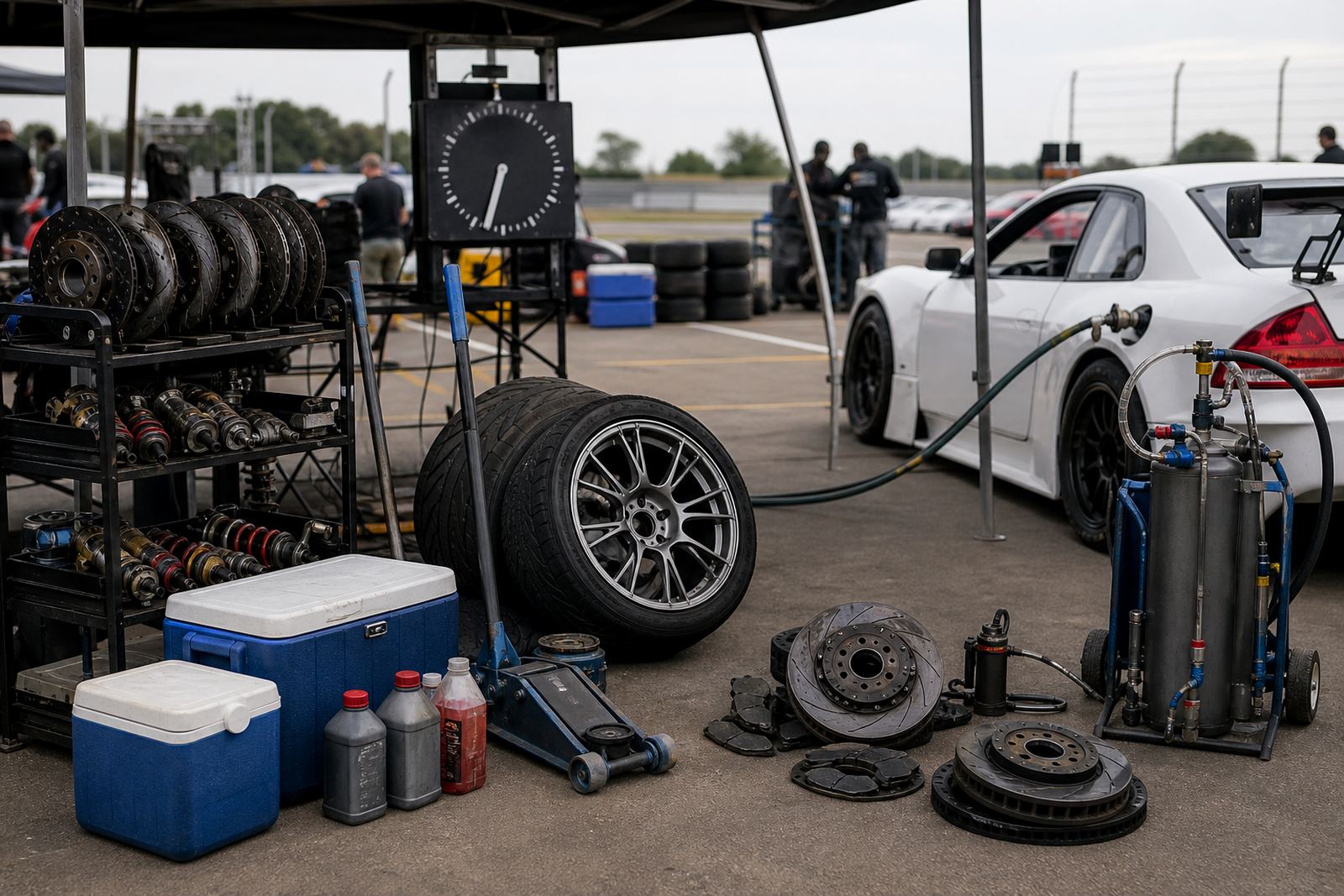
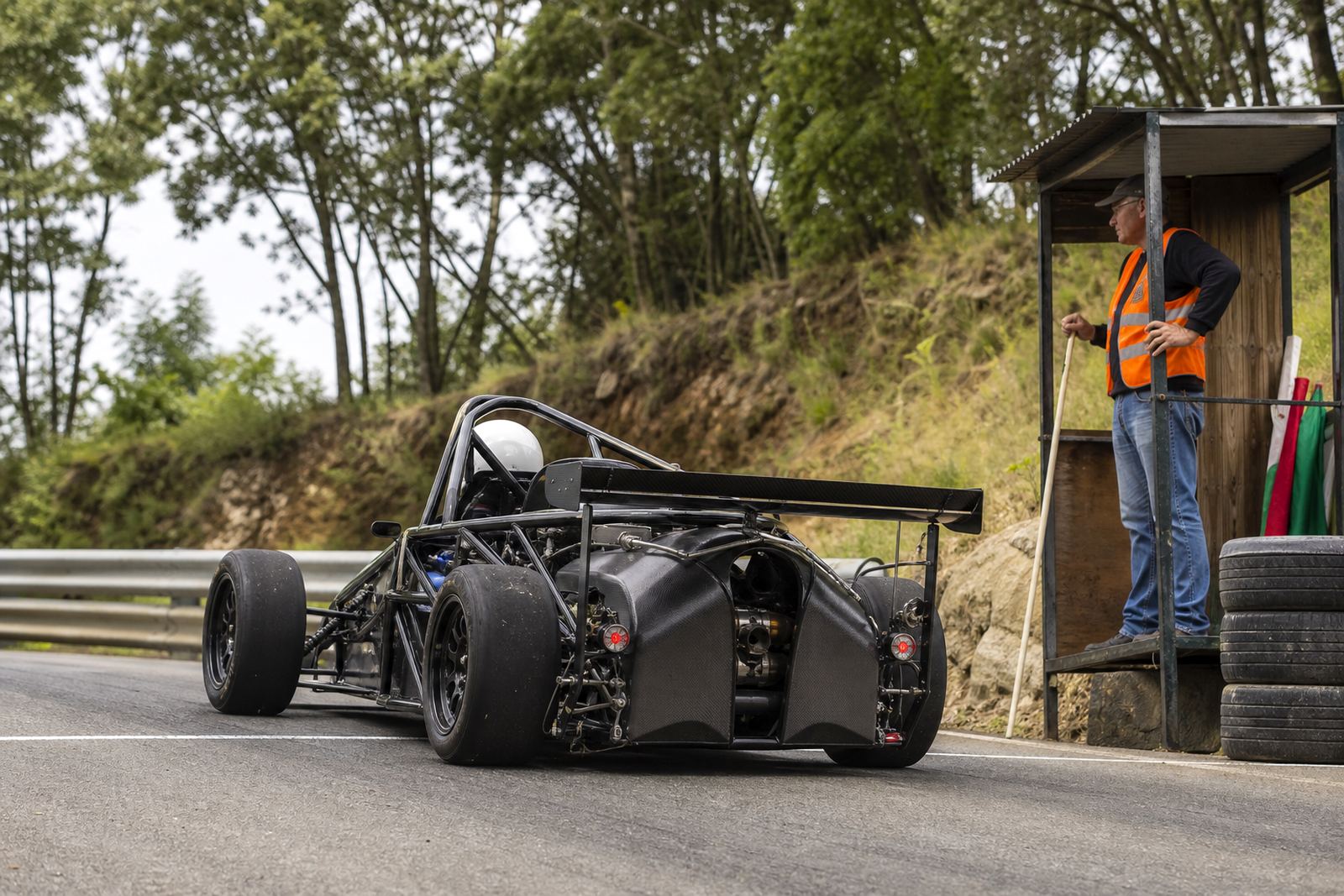
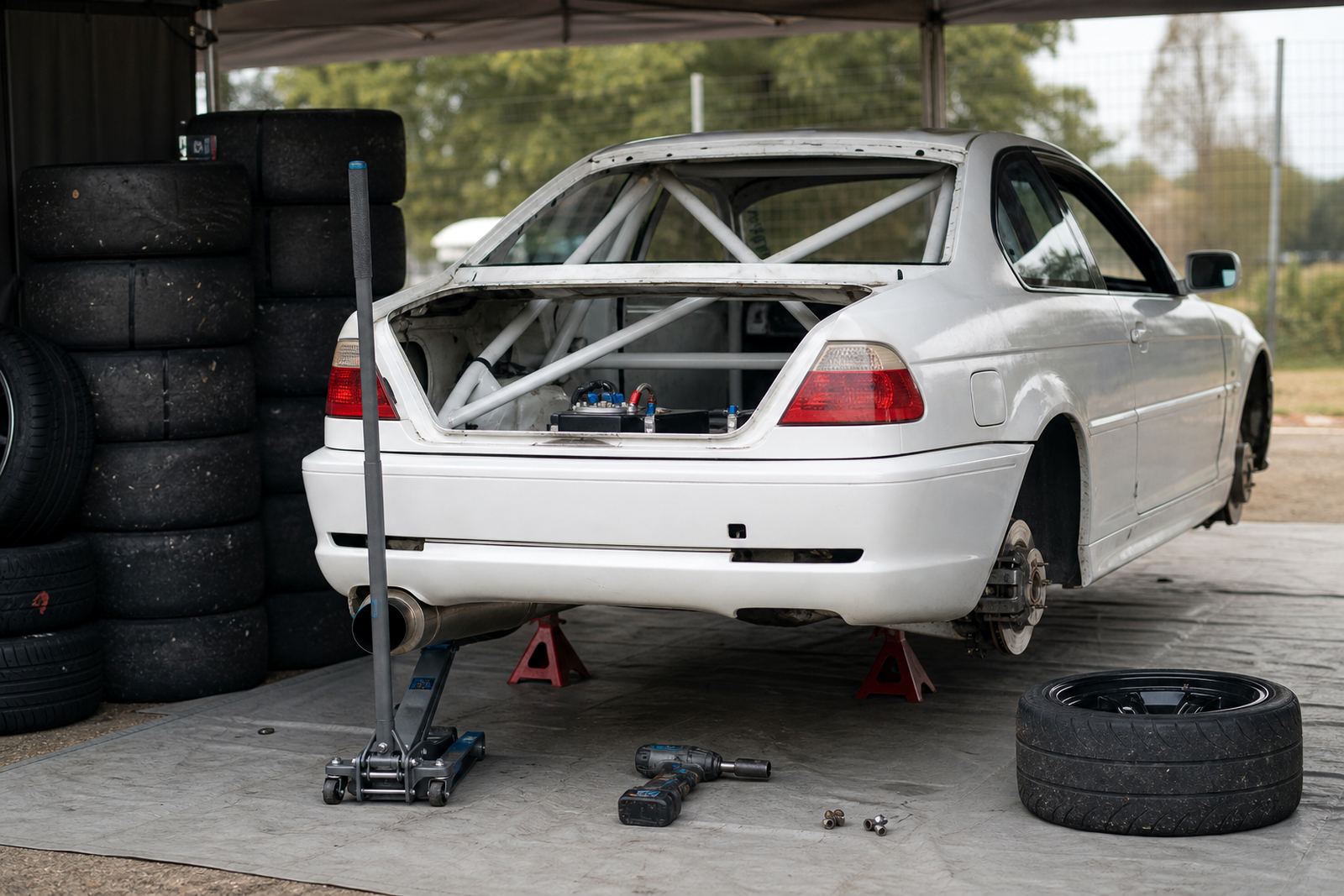
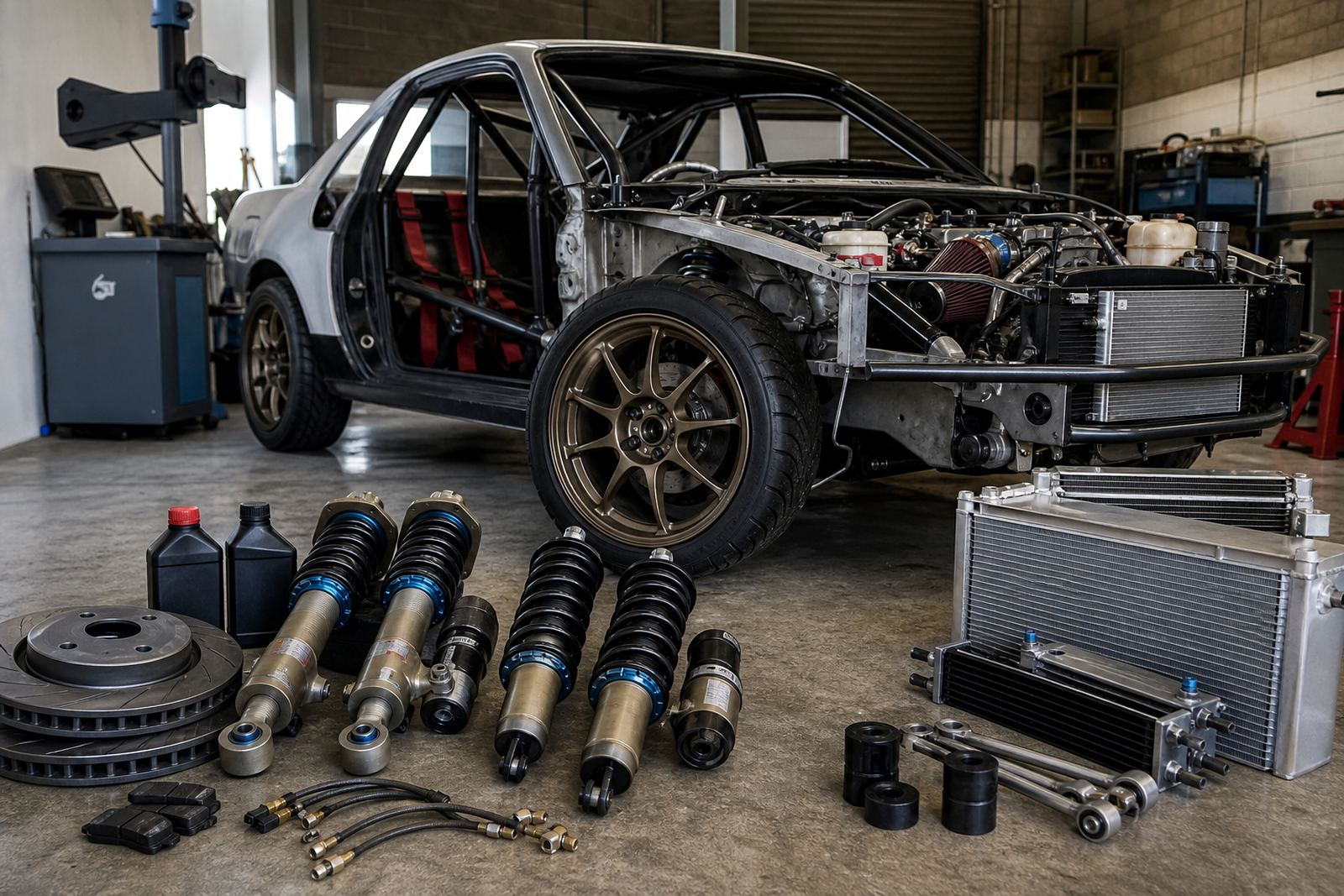
Track day cars often run longer stints than a road car ever sees, with hotter brake fluid, rising intake temperatures and tyres that need a sensible setup. A pad that feels fine on the road can fade fast once the laps stack up, so brake compound choice, disc condition and fluid boiling point all need proper attention.
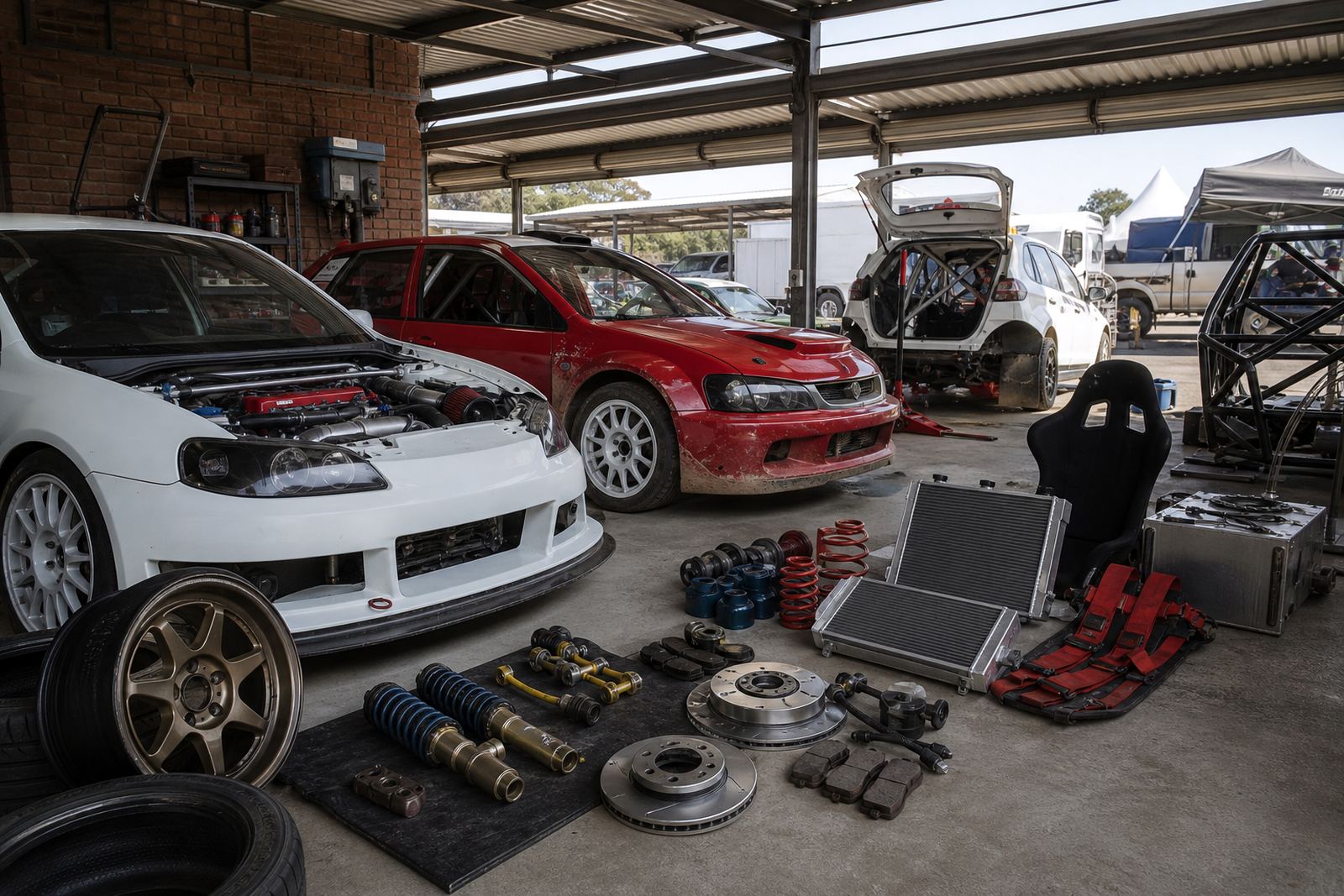
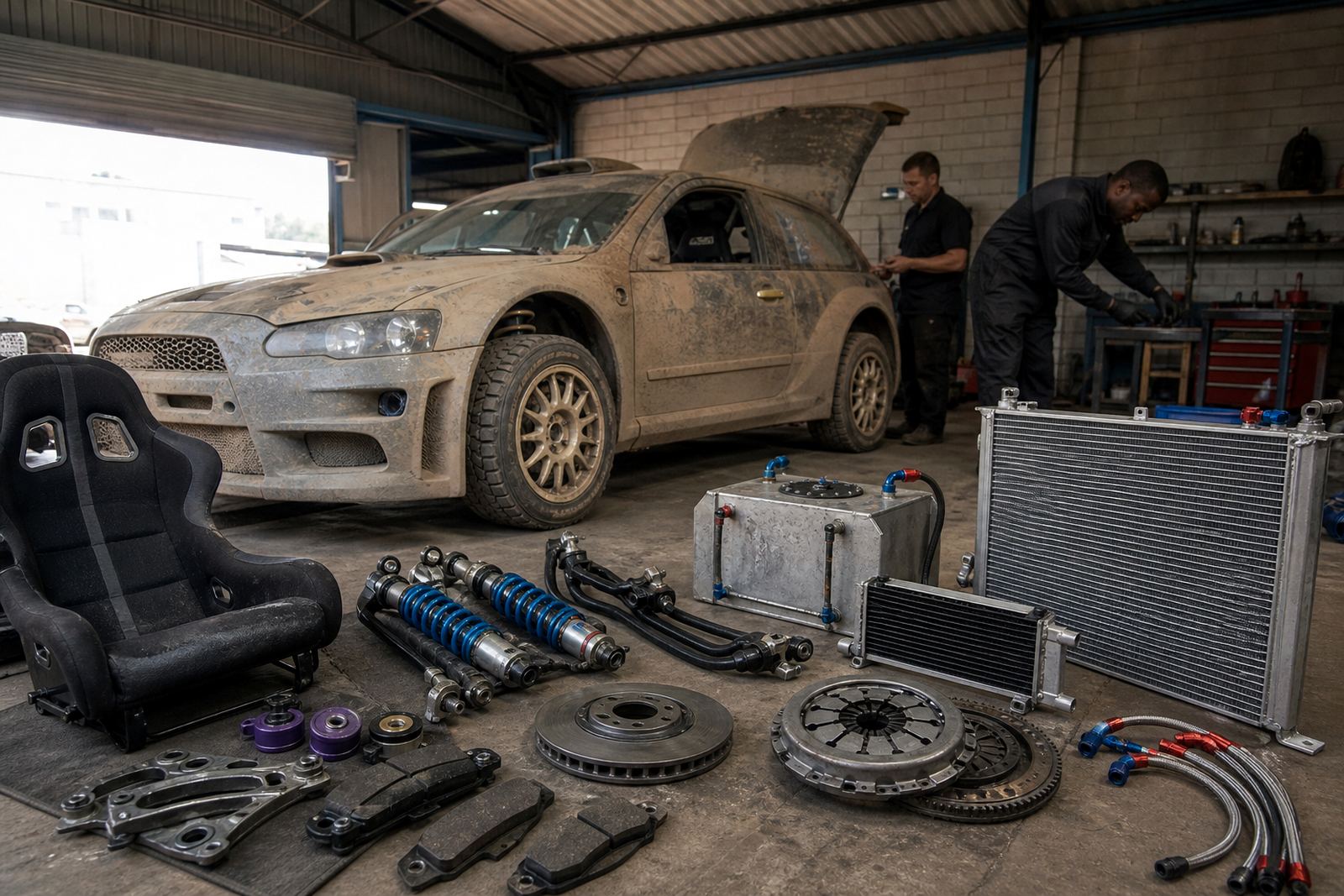
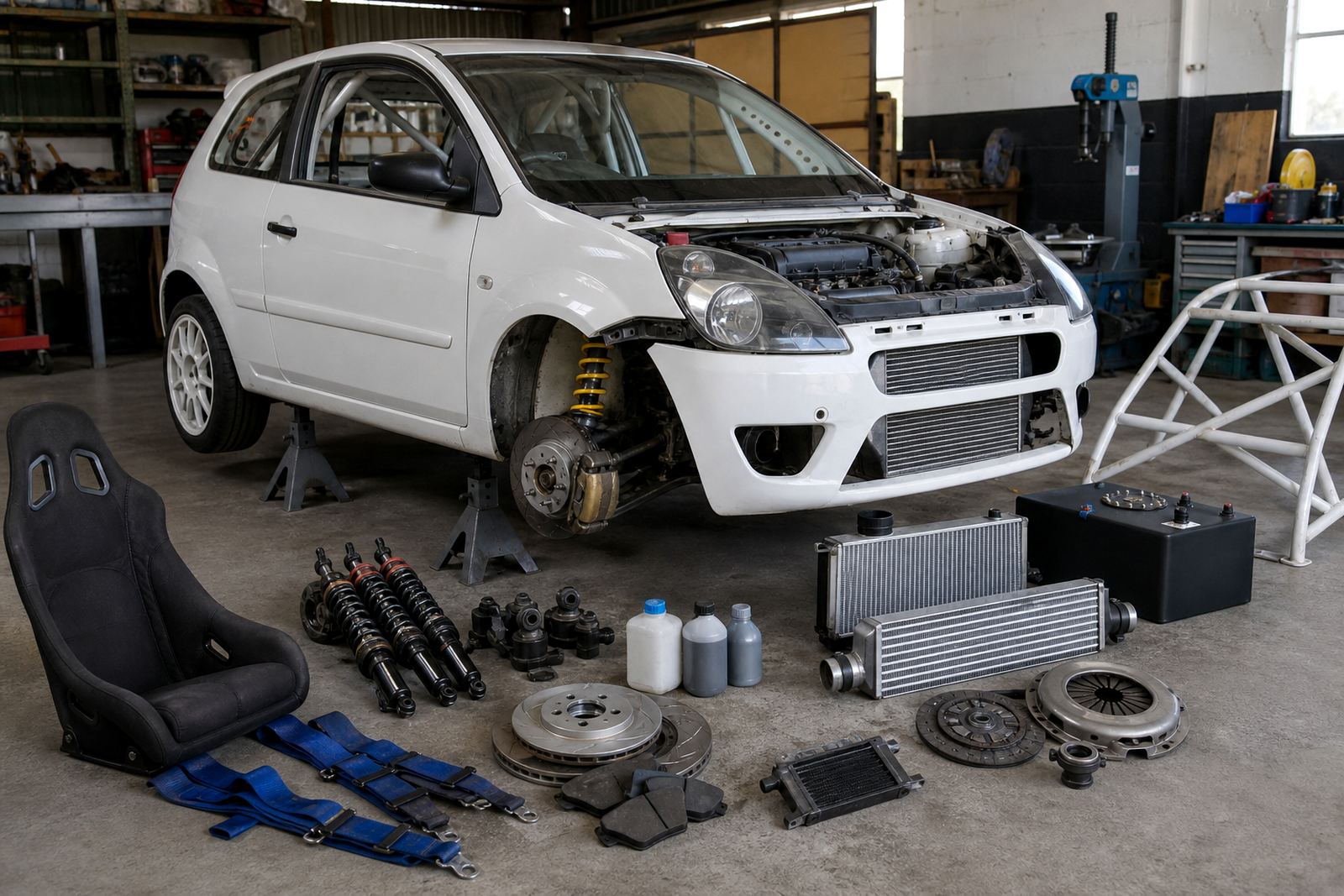
For these cars we look at the full package rather than one part on its own. That usually means brake pads and fluid, cooler running temperatures, firmer suspension settings and a cabin layout that keeps the driver planted without making the car awkward to use between events.
- Brake pad selection for the circuit and tyre type
- Fresh high-temperature brake fluid and bleed checks
- Coilover setup, ride height and spring balance
- Cooling checks for radiator, oil cooler and ducting
Rally Cars Live With Dirt, Shock Loads and Heat
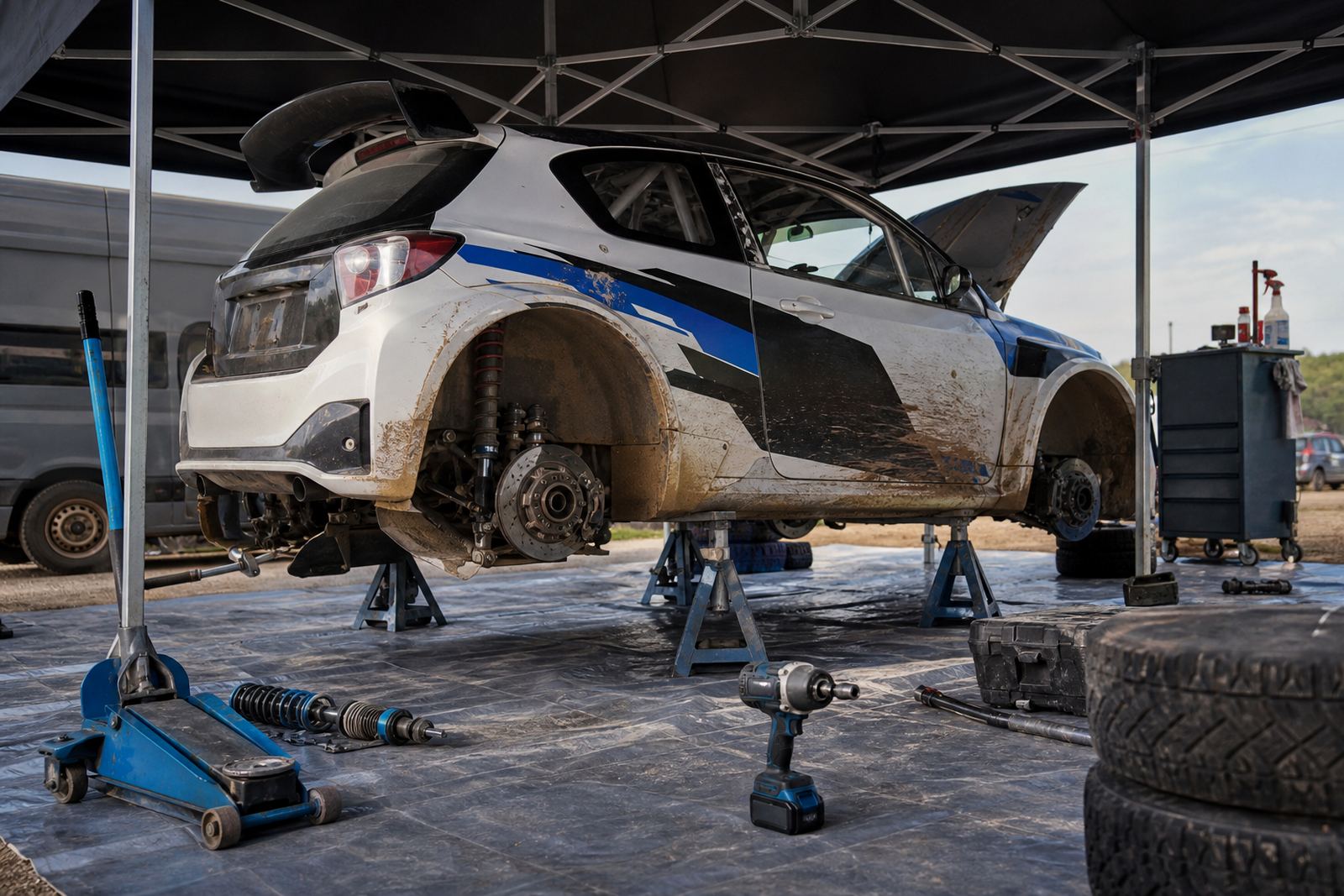
Rally cars see loose surfaces, rough roads and sudden weight transfer, so the parts list changes quickly. Bushes, dampers, harness fitment and cooling all have to cope with repeated hits, while the driver still needs clear control over brake feel, steering response and gear changes.
We help with fitment advice for the items that matter most in that environment. A car set up for gravel stages will rarely feel right with the same spring rates, alignment numbers or seat position used for circuit work, and the wrong compromise can wear parts out early.
- Suspension settings for rough surfaces and tarmac stages
- Harness checks and seat positioning for stability
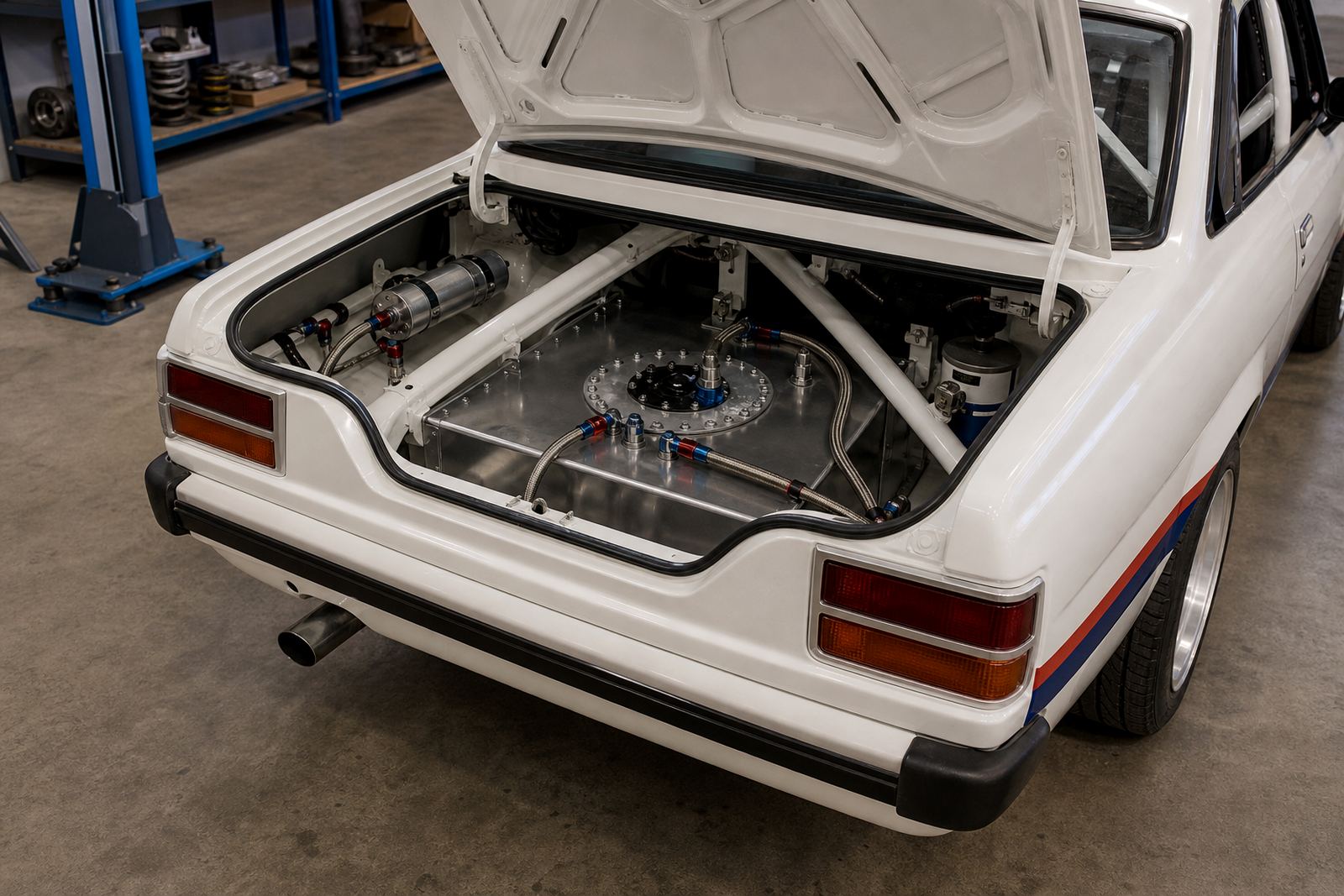
- Fuel system layout suited to hard cornering and long stages
- Roll cage fit advice where the shell needs proper support
Club Racing Wants Balance More Than Drama
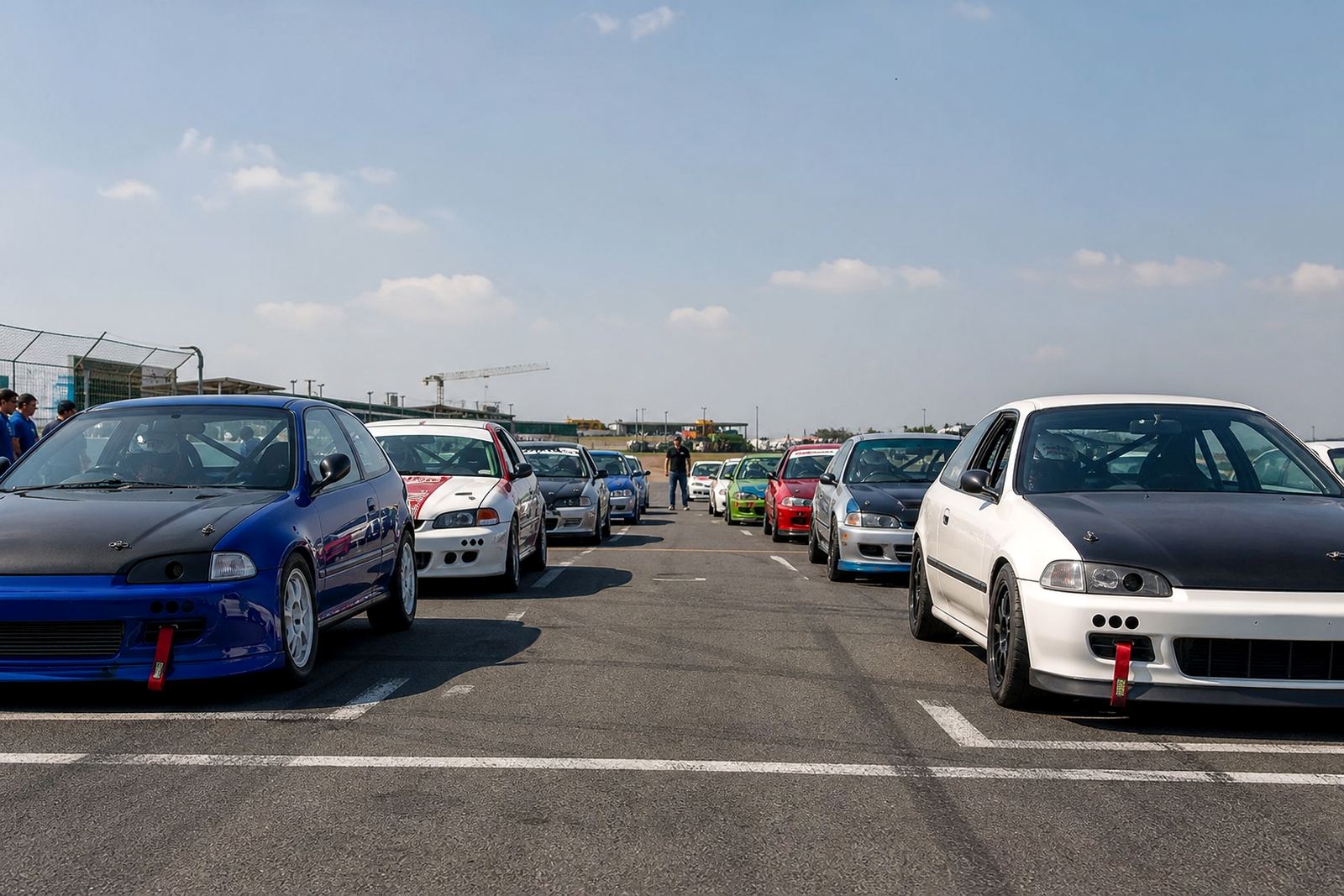
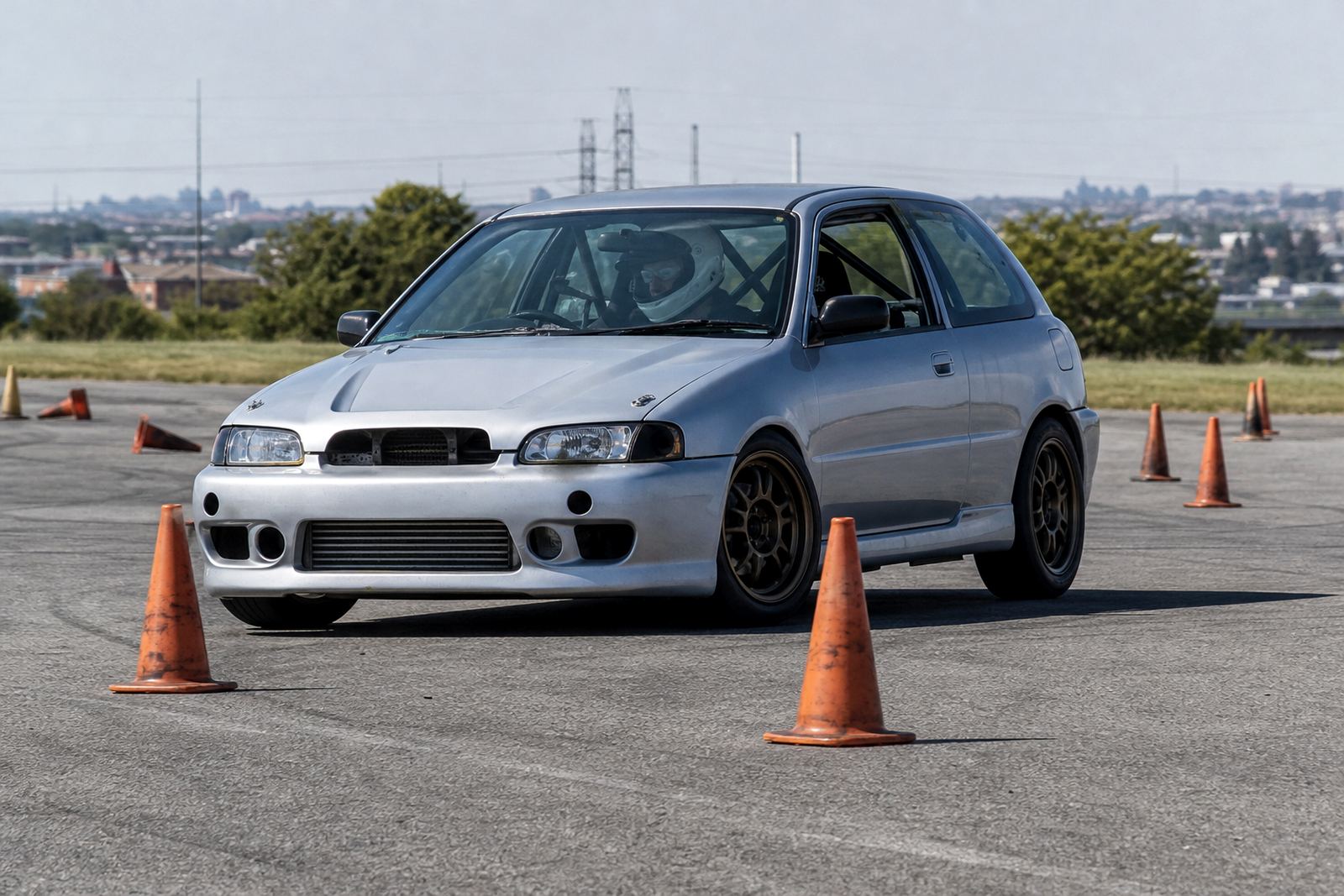
Club racing usually rewards a car that is consistent, predictable and easy to repeat lap after lap. That means the setup has to be sorted without turning the car into something twitchy or hard on tyres. Brake balance, corner weighting and alignment often make a bigger difference than chasing parts for their own sake.
For these builds we work through the basics in plain terms. If the chassis is fighting the driver, the answer may sit in bush condition, damper choice, seat position or clutch and shift setup rather than a bigger headline part.
- Corner weighting and alignment checks for even load distribution
- Brake upgrade planning for repeated short sessions
- Clutch and shift setup for cleaner changes under pressure
- Suspension tuning that suits the class rules and tyre choice
Endurance Entries Ask for Parts That Survive Heat
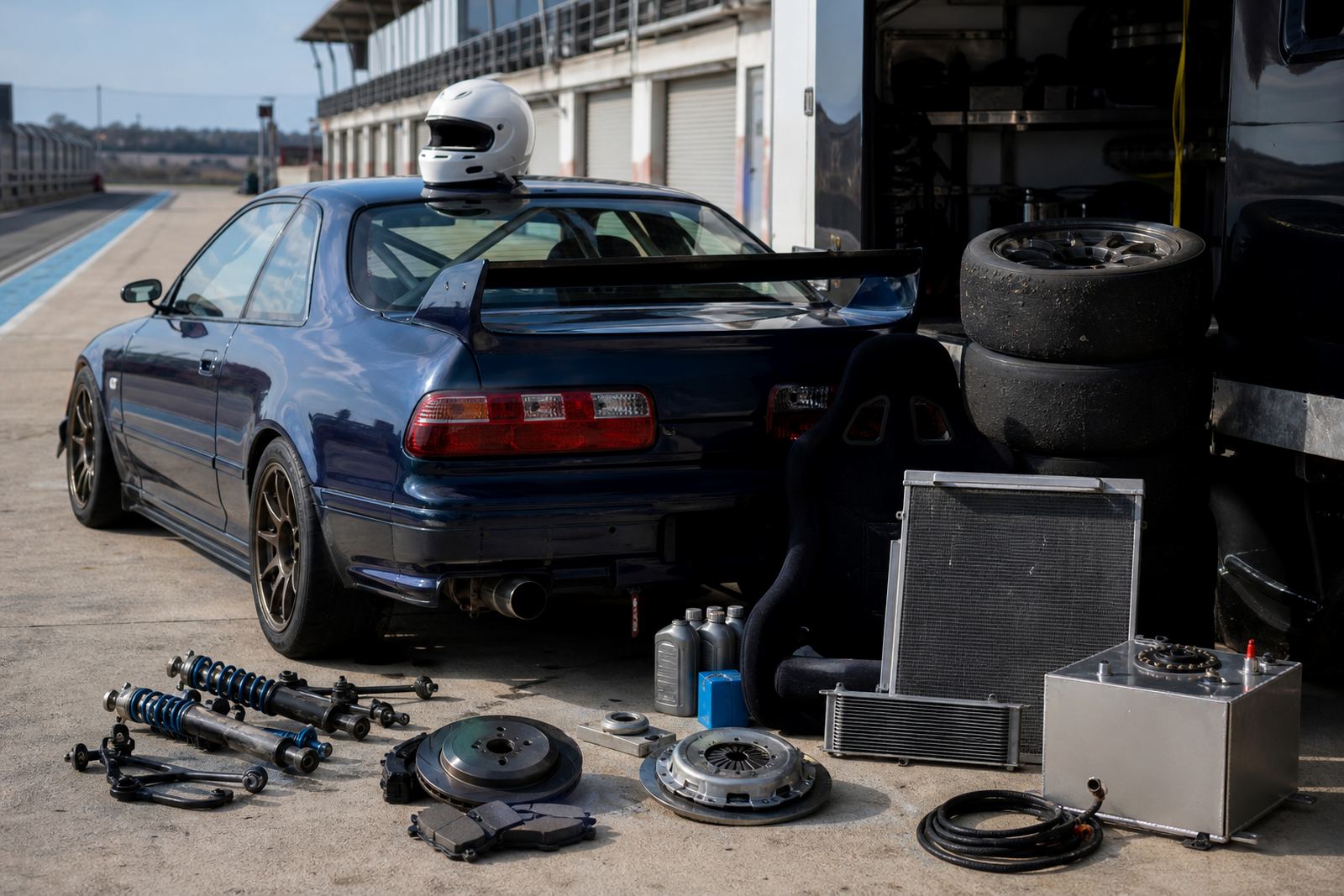
Endurance racing puts a car under heat, vibration and constant use for longer than most other formats. Cooling systems, brake fluid and driver ergonomics all need to hold together when the pace settles into a long run. A part that works for a sprint can fall short once the stint length grows.
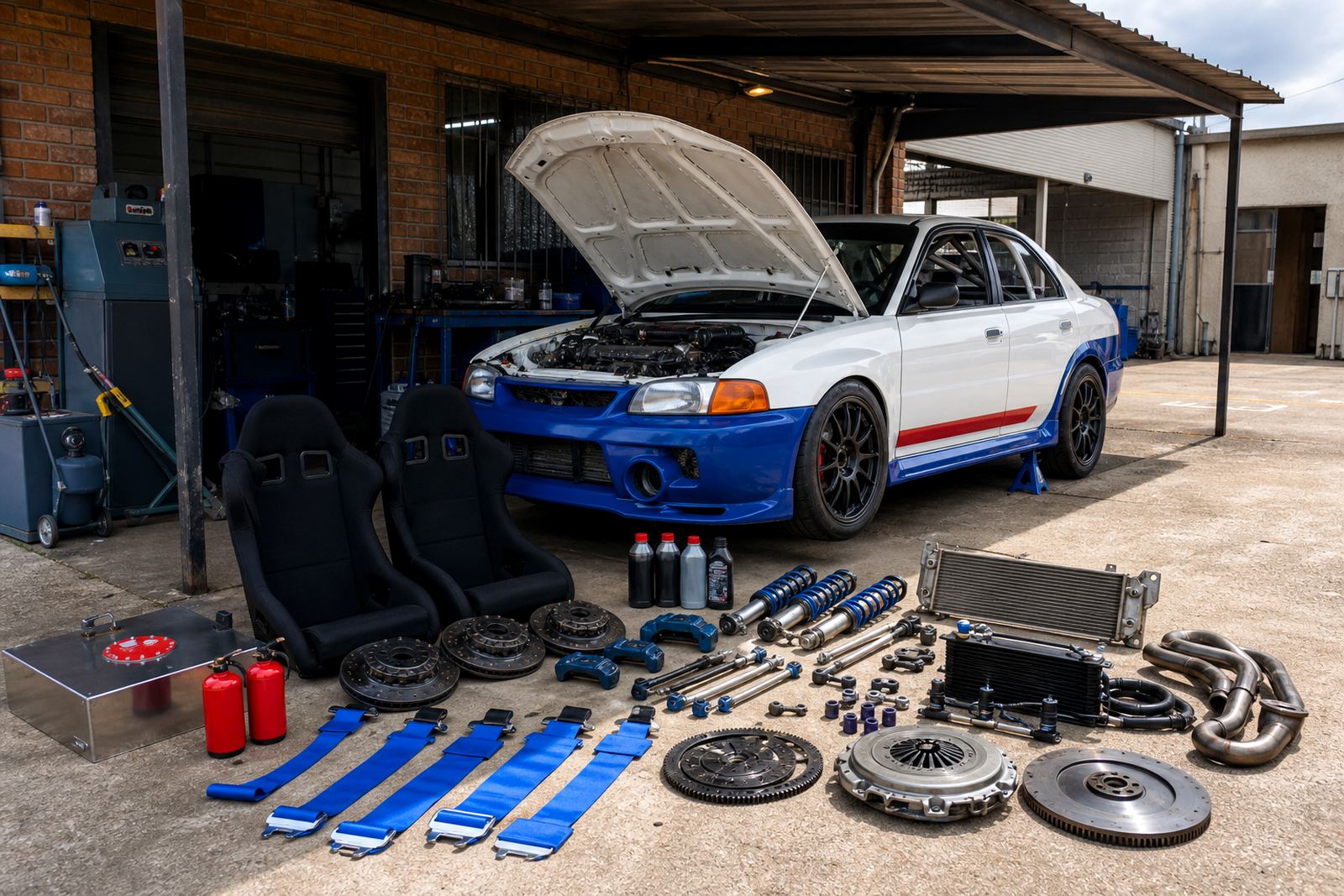
That is where oil coolers, radiators, proper brake fluid and secure safety gear earn their place. The aim is not to overbuild the car, but to stop small weak points from turning into a missed stint or an uncomfortable driver change.
In these builds we often look at the practical details first:
- Cooling system checks for water temperature and oil control
- Seat and harness fitment so the driver stays supported
- Brake bleeding and fluid choice for repeated hard use
- Fuel cell layout and access for refuelling routine
Safety Equipment Has to Match the Car and the Class
A rally seat and a circuit seat rarely end up being the same part. Seat position, harness angles, cage clearance and driver size all affect how the car works in a real incident and on a fast lap. A neat fit is not enough if the belts sit wrong or the driver cannot reach the controls cleanly.
We keep the advice grounded in the way the car is actually used. That covers seats, harnesses, roll cage fit advice and related layout checks, with an eye on how the driver gets in, straps in and moves through the cockpit during a race weekend.
Midrand Support for Drivers Across Gauteng and Beyond
Our Midrand base works with drivers from Johannesburg, Pretoria, Kyalami, Centurion and the wider Gauteng racing scene, plus teams travelling in from Durban, Cape Town and Port Elizabeth. The parts mix may change from one class to the next, but the questions stay practical: what the car needs, what the rules allow and what will hold up under race conditions.
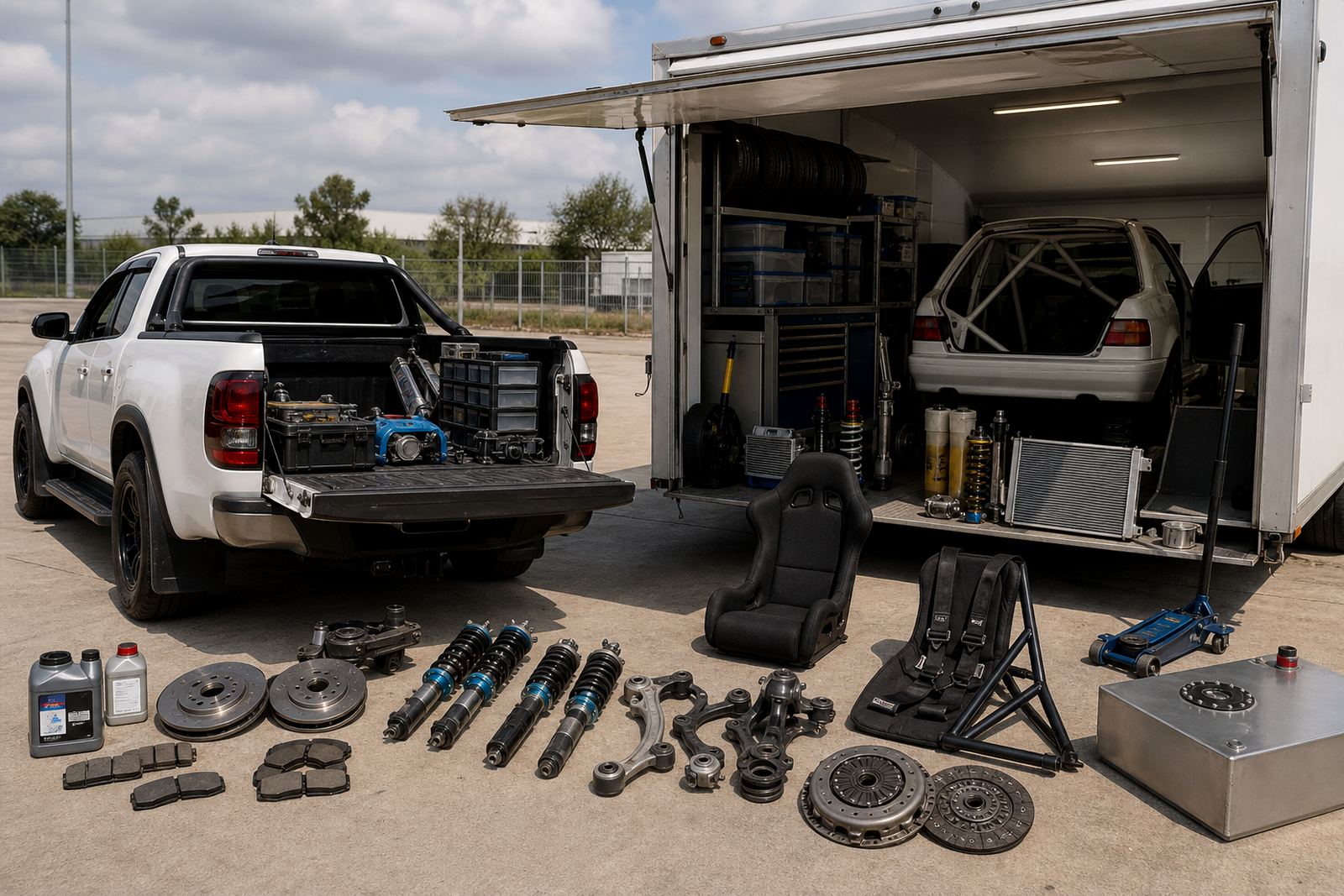
RaceHouse supplies motorsport parts and performance upgrades for track, rally and club racers, with fitting advice and setup days for cars that need more than a quick parts swap. If you are working to a class, surface or season plan, send the details through our contact form.
Workshop Time Makes the Difference Between Close and Correct
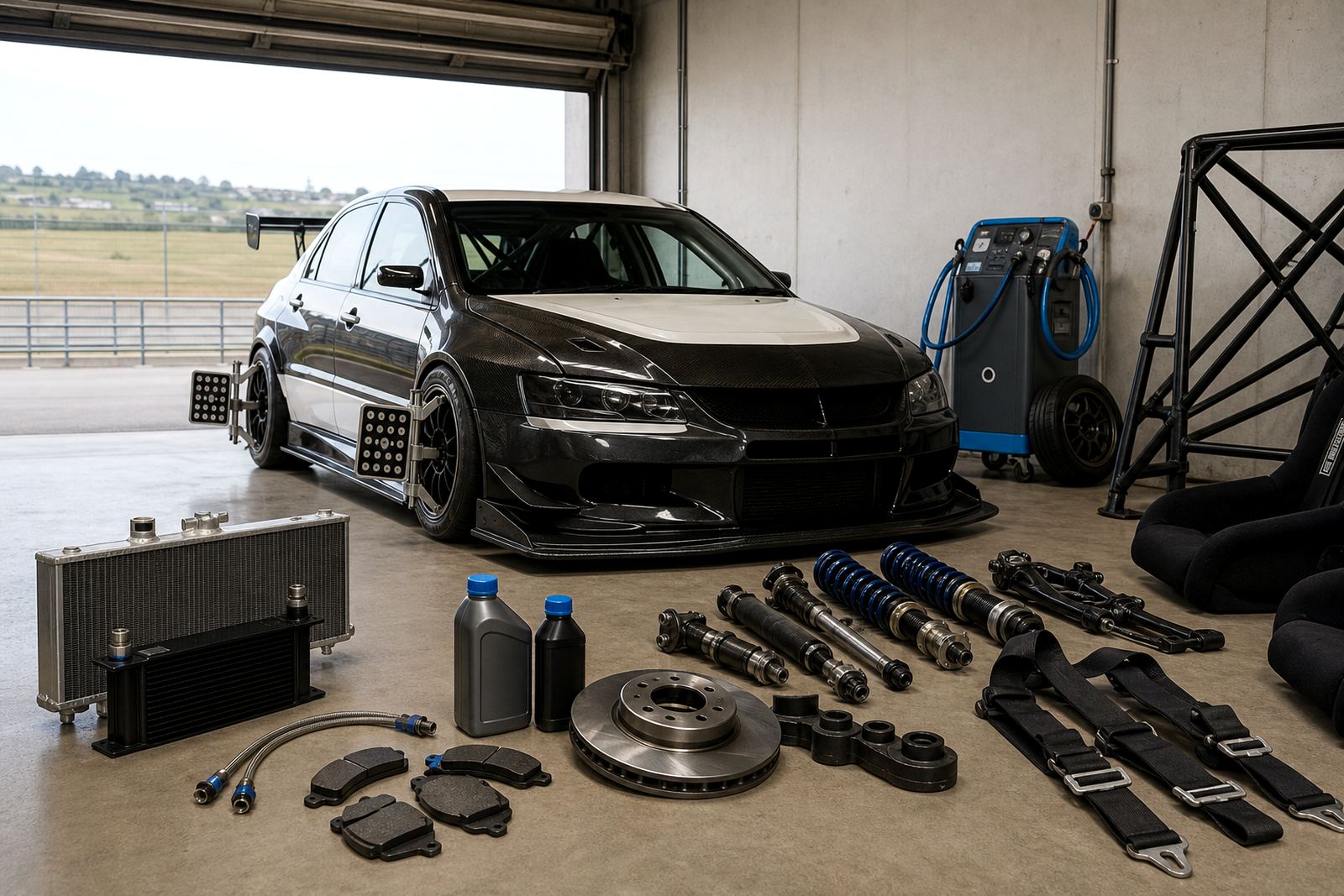
Two cars with the same parts can behave very differently once the setup is measured properly. Small changes in corner weight, alignment, pedal feel or seat position can alter how the driver brakes into a corner, turns in and picks up throttle on exit.
That is why setup days matter for drivers who want the car to feel sorted before race weekend. The workshop side covers the practical work, not just the boxes of parts.