



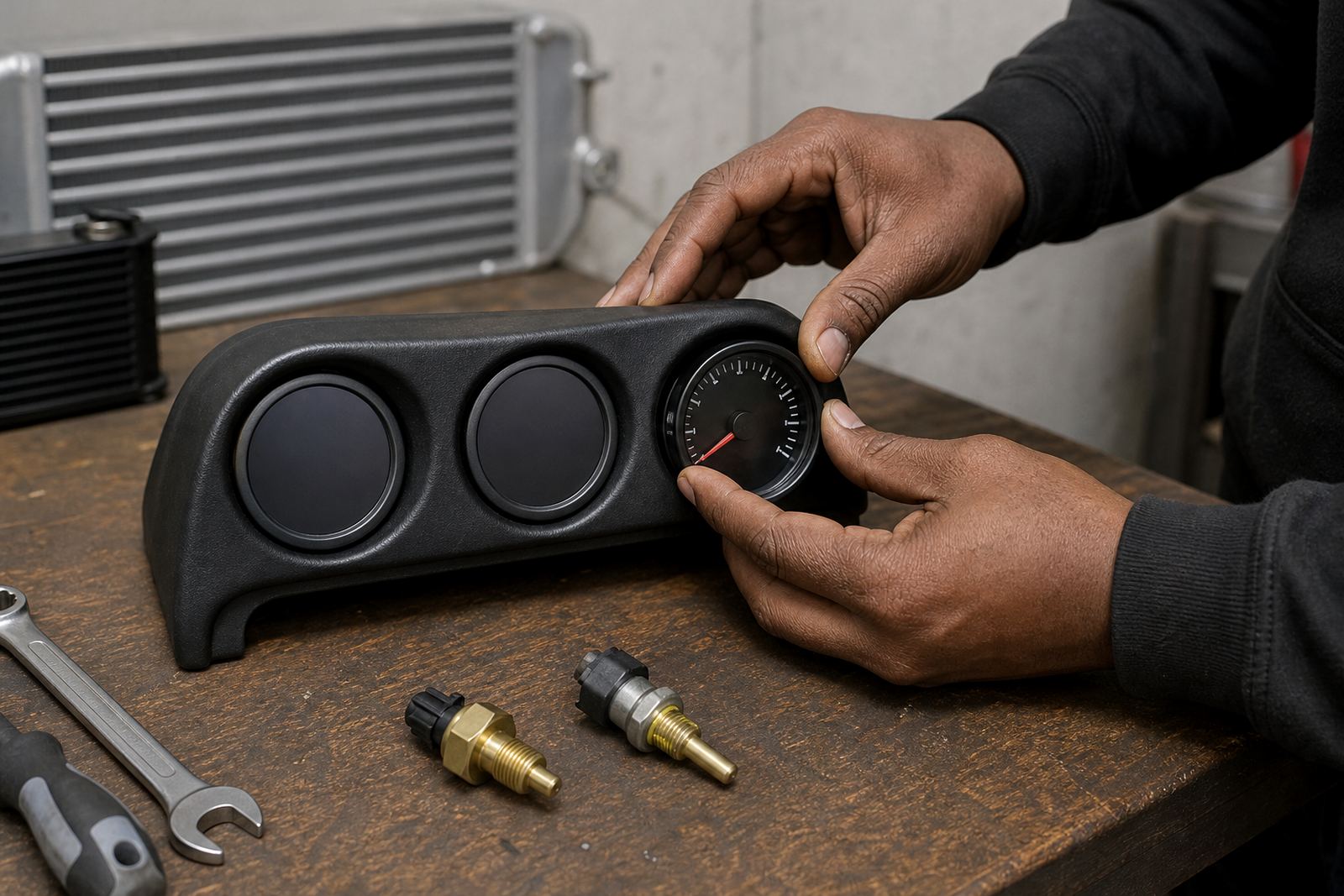
The parts that shape a race car
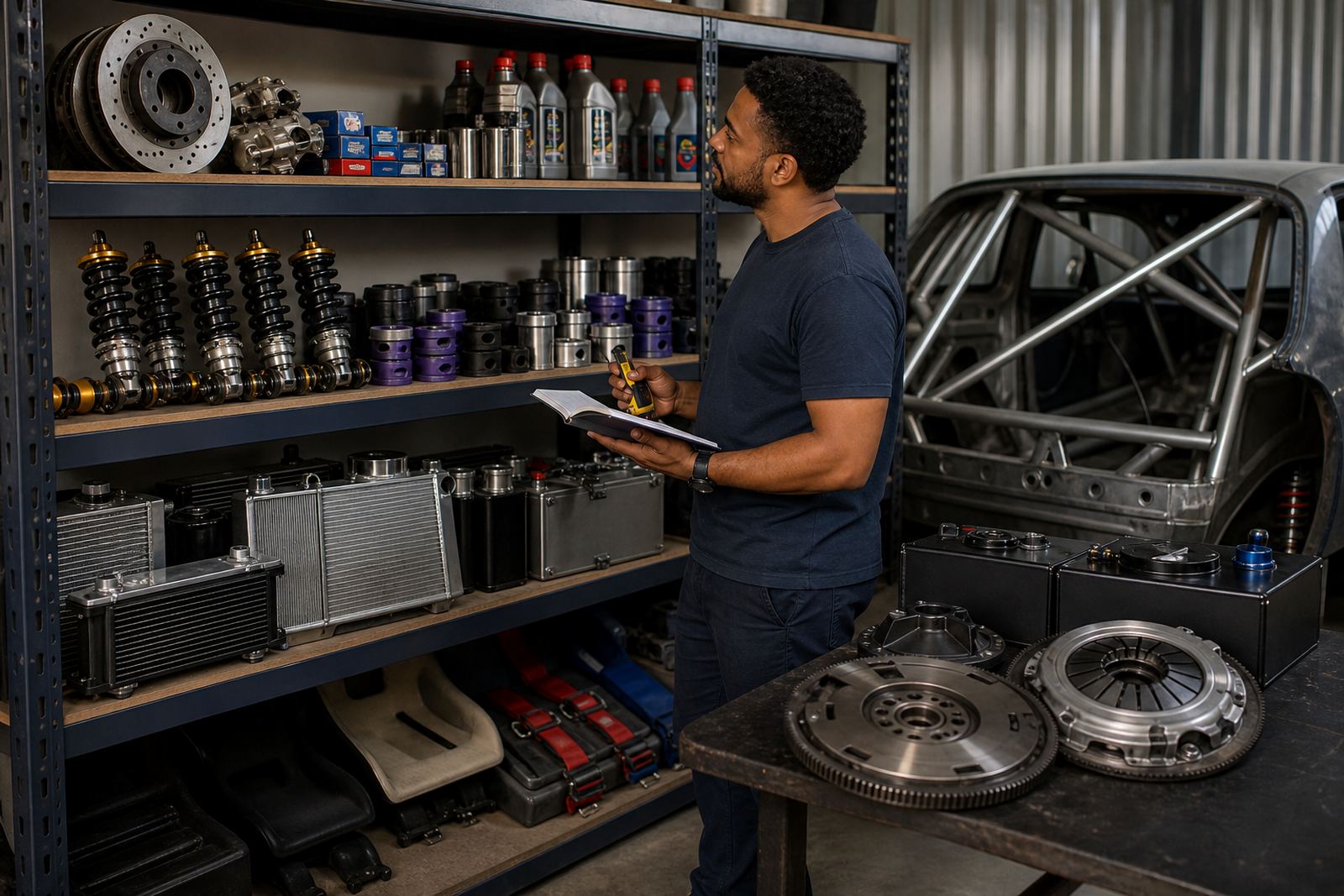
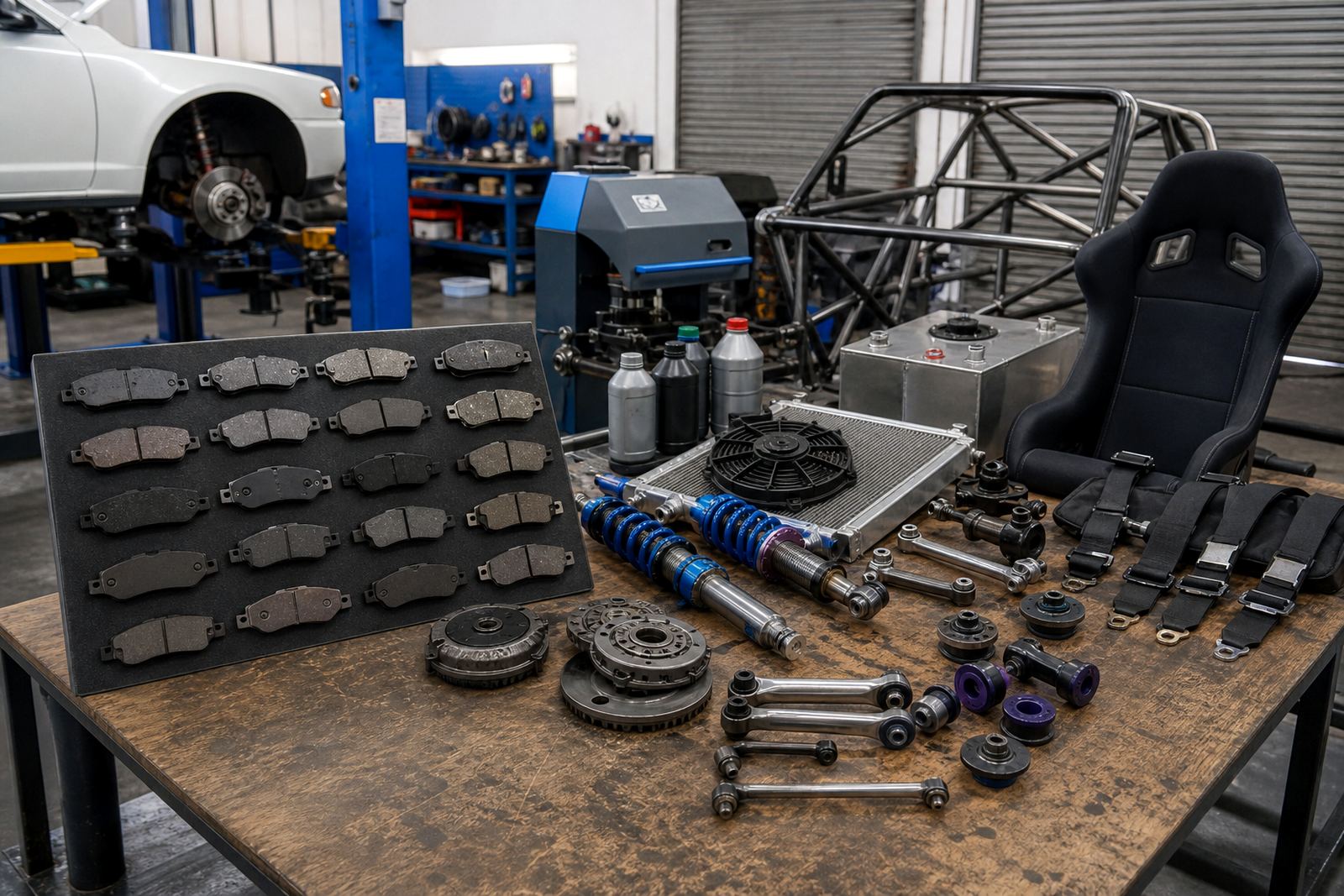
A handful of parts decide how a car stops, turns, cools and survives a hard session. That includes brake pads and fluid, coilovers, bushes, radiators and oil coolers, seats, harnesses, roll cages, fuel cells, clutches and related setup items.
The aim is to make the options easier to read before any order is placed. A pad compound that works on a short circuit may feel different on a heavier car or a long rally stage, and the same goes for spring rates, fluid choice and cooling capacity.
How to read fitment without getting caught out
Fitment is never only about the part number. Wheel size, caliper shape, hub clearance, chassis model, gearbox layout and seat mounting space all matter, and one changed part can affect three others.
- Check the car model, year and chassis code first.
- Match the use case to the part type, not only the size.
- Look at clearance around brake lines, dampers and wheel arches.
- Plan for the steering lock, ride height and corner weight setup.
On many cars, a neat install starts with the small details. A brake kit may fit physically but still need the right hose routing or fluid choice to work properly on track.
Braking parts that need honest attention
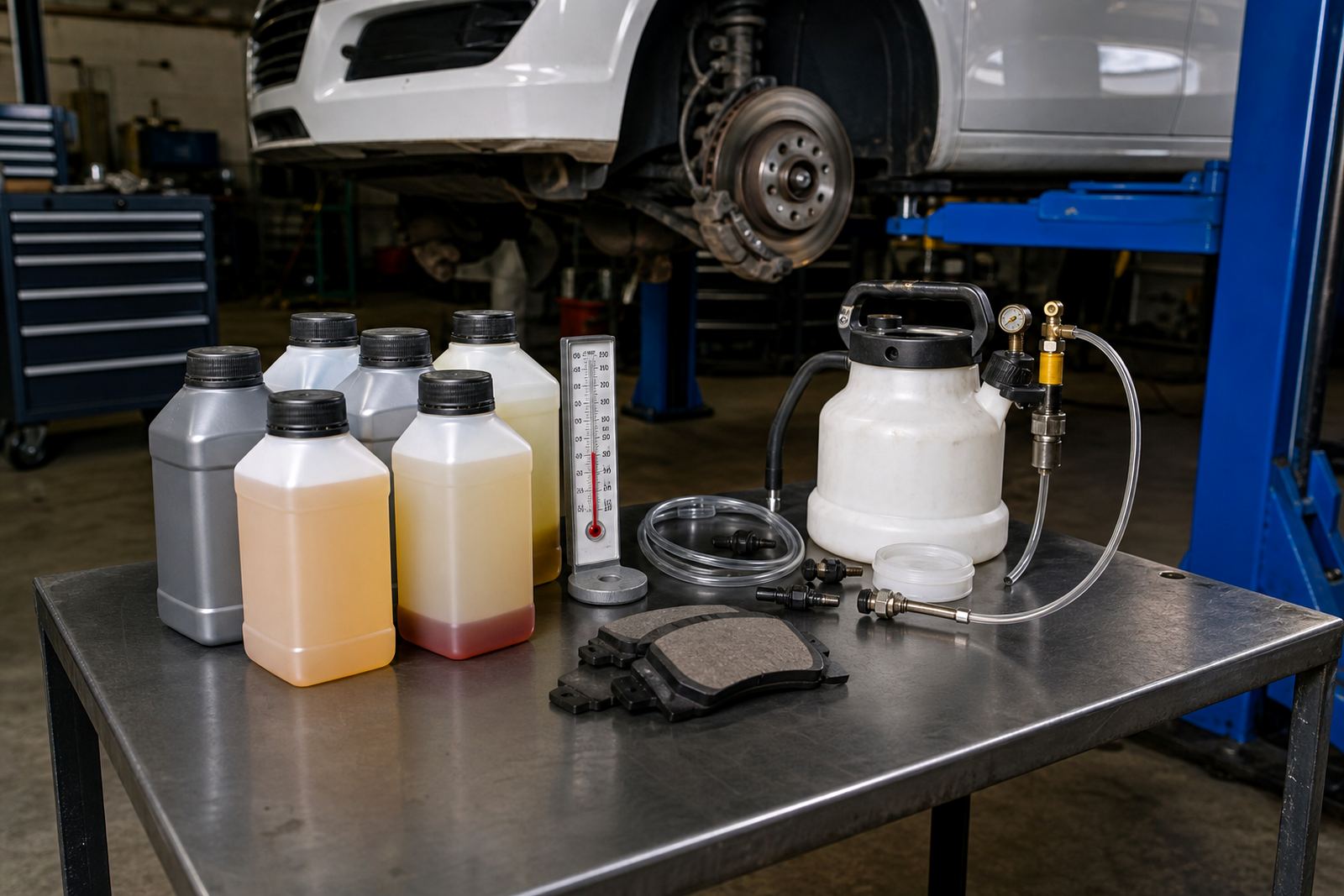
Brake upgrades are not just about bigger discs. Pad compound, fluid boiling point, ducting and pedal feel all change how the car behaves over a session. For circuit work, drivers often want a firmer bite and repeatable pedal travel, while rally use can ask for more tolerance on loose surfaces and rougher conditions.
Brake bleeding is part of the picture too. Old fluid can hide in the system and soften pedal feel under heat, especially on cars that see long stints or repeated hard stops. We also look at wear patterns, because uneven pad wear often points to caliper slide issues or a setup problem elsewhere.
Suspension notes for faster, calmer cars
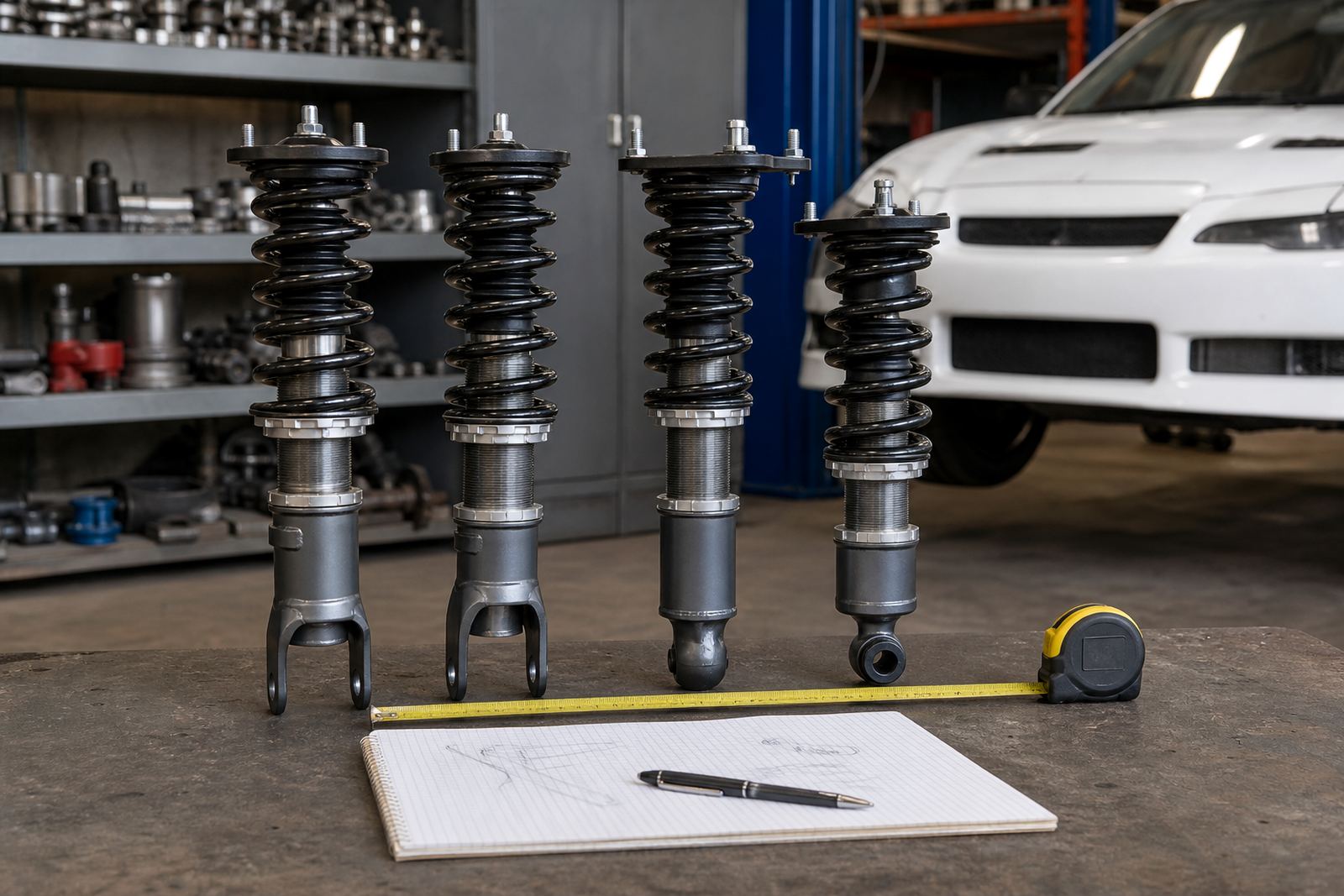
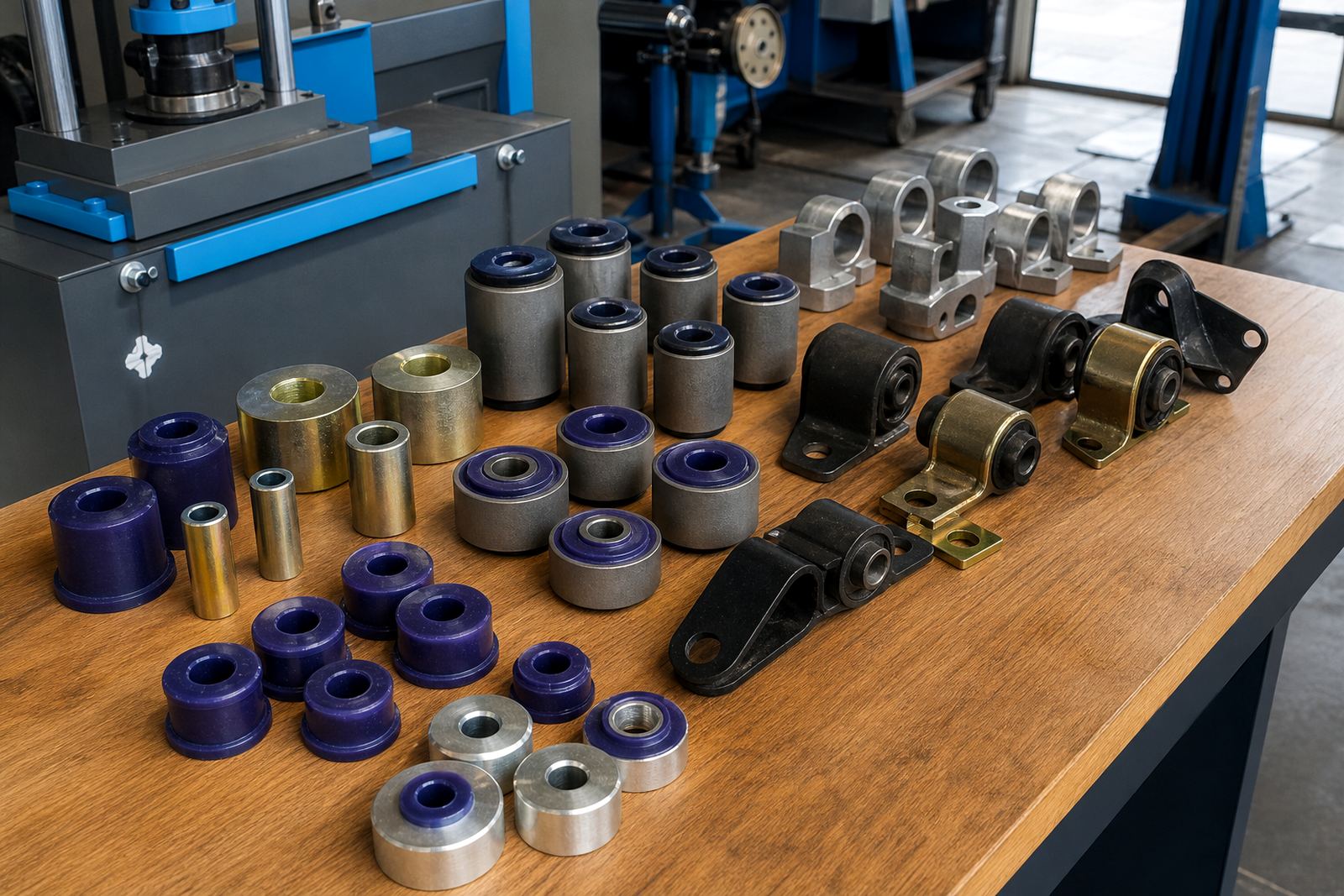
Coilovers, bushes and alignment changes can sharpen a car, but they need a sensible balance. Too much spring or too little bump travel can make the car nervous over kerbs and rough public roads to the venue. Too soft and the car rolls more than the driver wants.
- Set ride height with bump travel in mind.
- Use alignment to suit the tyre and event type.
- Check bushes for play before blaming damping.
- Use corner weighting to settle the car across all four wheels.
For South African racers moving between venues like Kyalami, Red Star style circuits, street stages and long highway runs, a setup that keeps its manners matters as much as outright pace.
Cooling and engine support in warm conditions
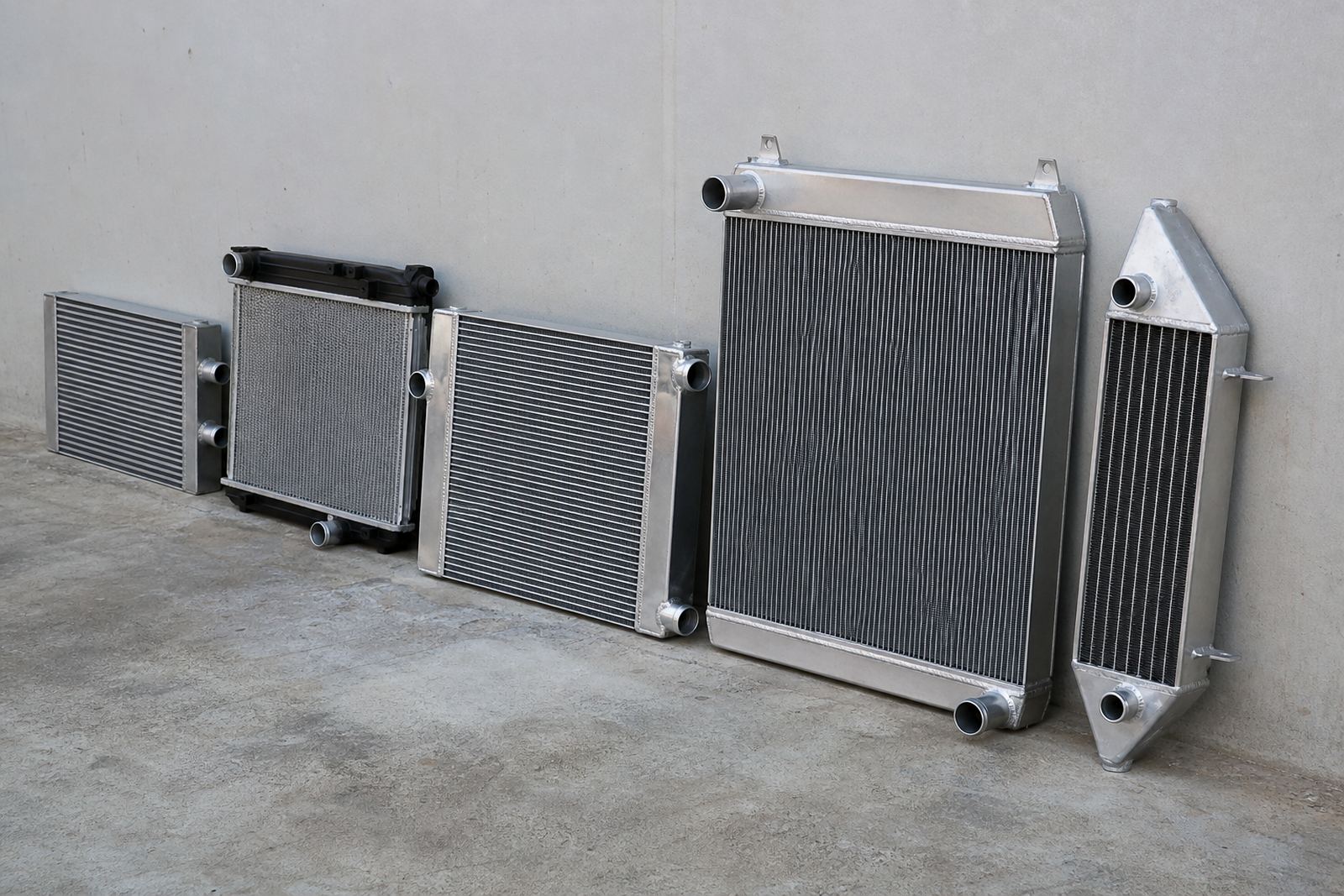
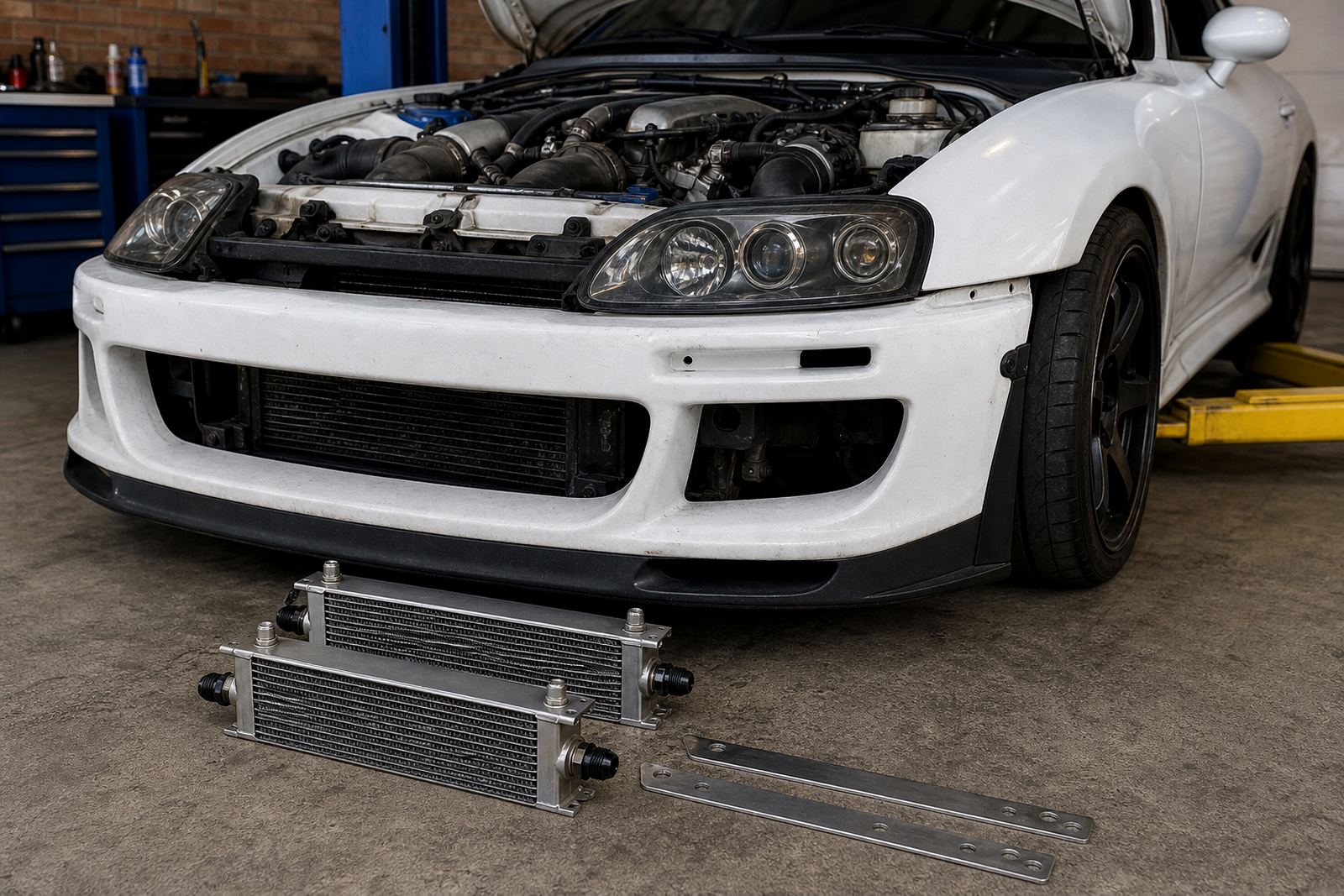
Cooling systems work harder when ambient temperatures climb and airflow is limited in traffic between sessions. Radiators, oil coolers, fans, ducting and coolant mix all influence how stable the car stays once the pace rises.
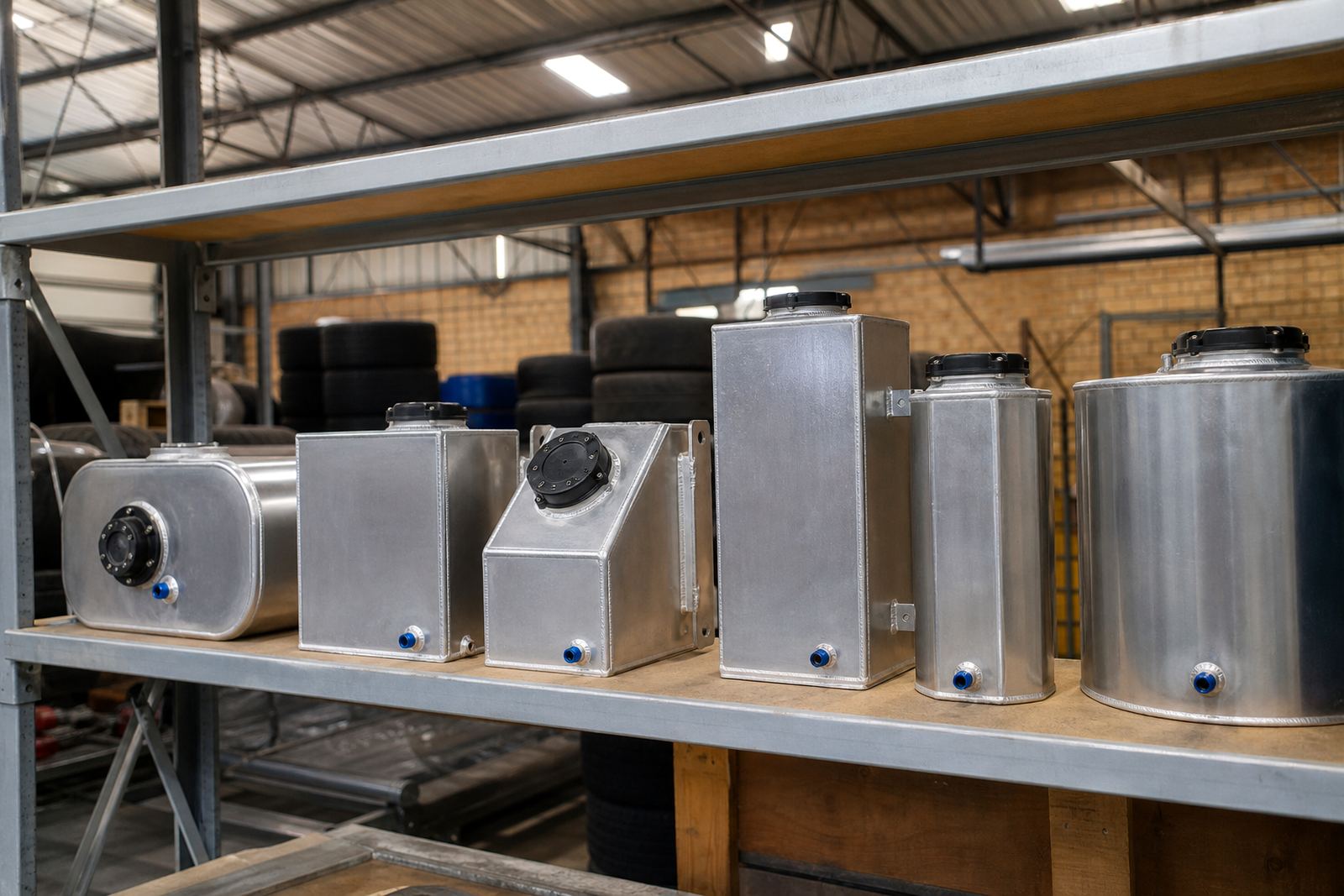
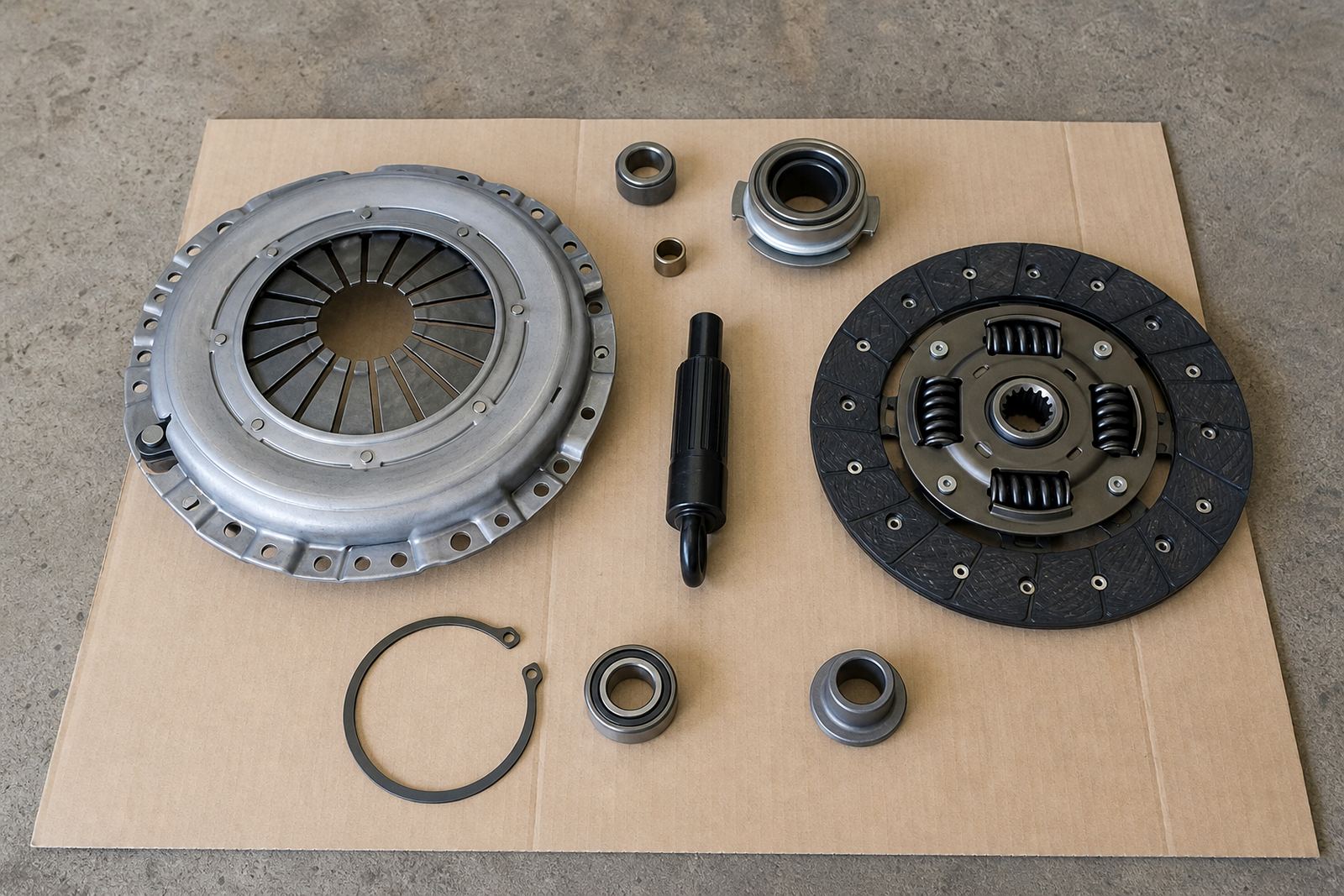
Cooling upgrades also depend on installation space, hose routing and where hot air exits the bay. A neat core mounted in the wrong place can still struggle. The same applies to engine support parts like clutches and fuel system layout, where heat, vibration and access for service should be considered before the first lap.
Safety and control parts that deserve careful measuring
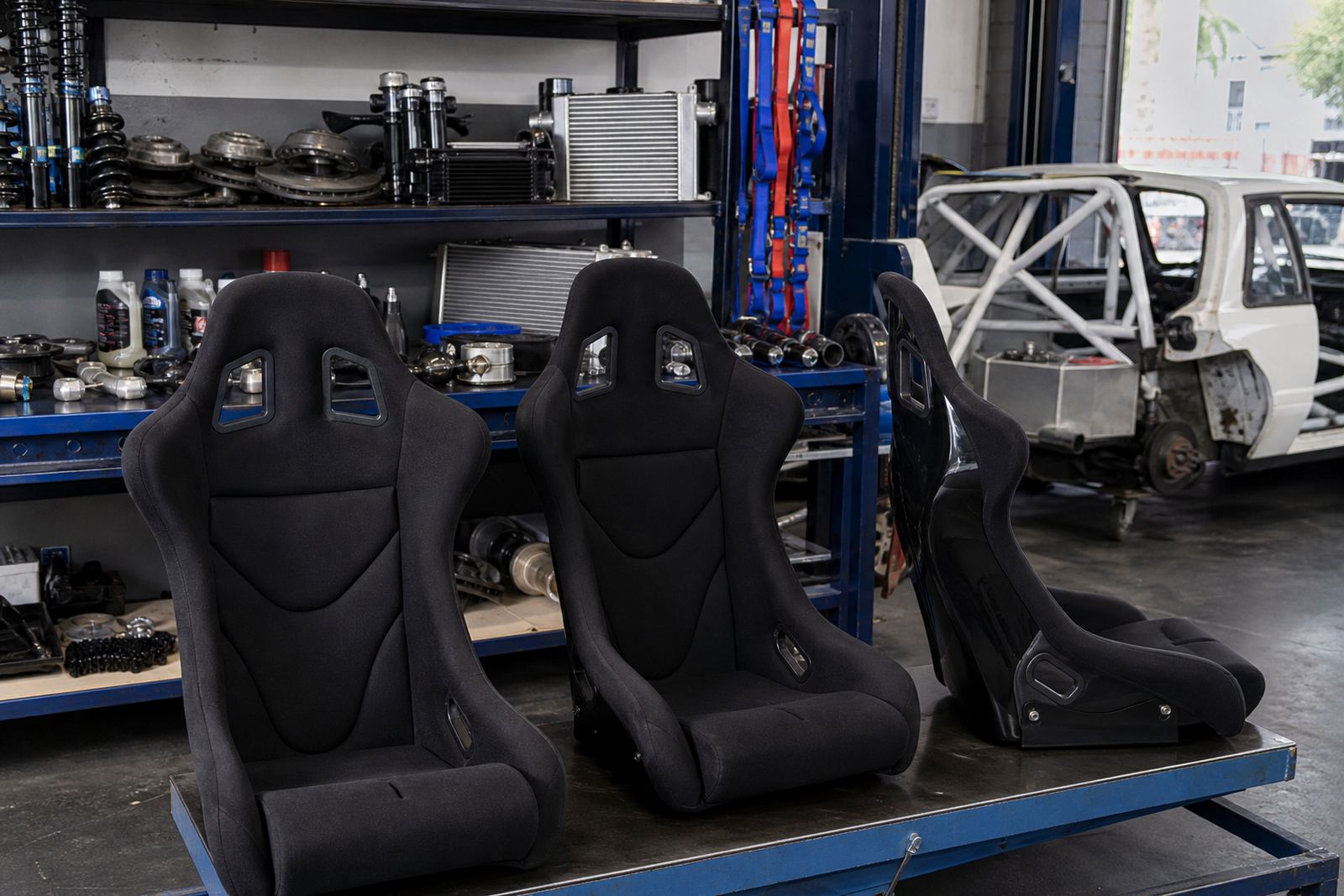
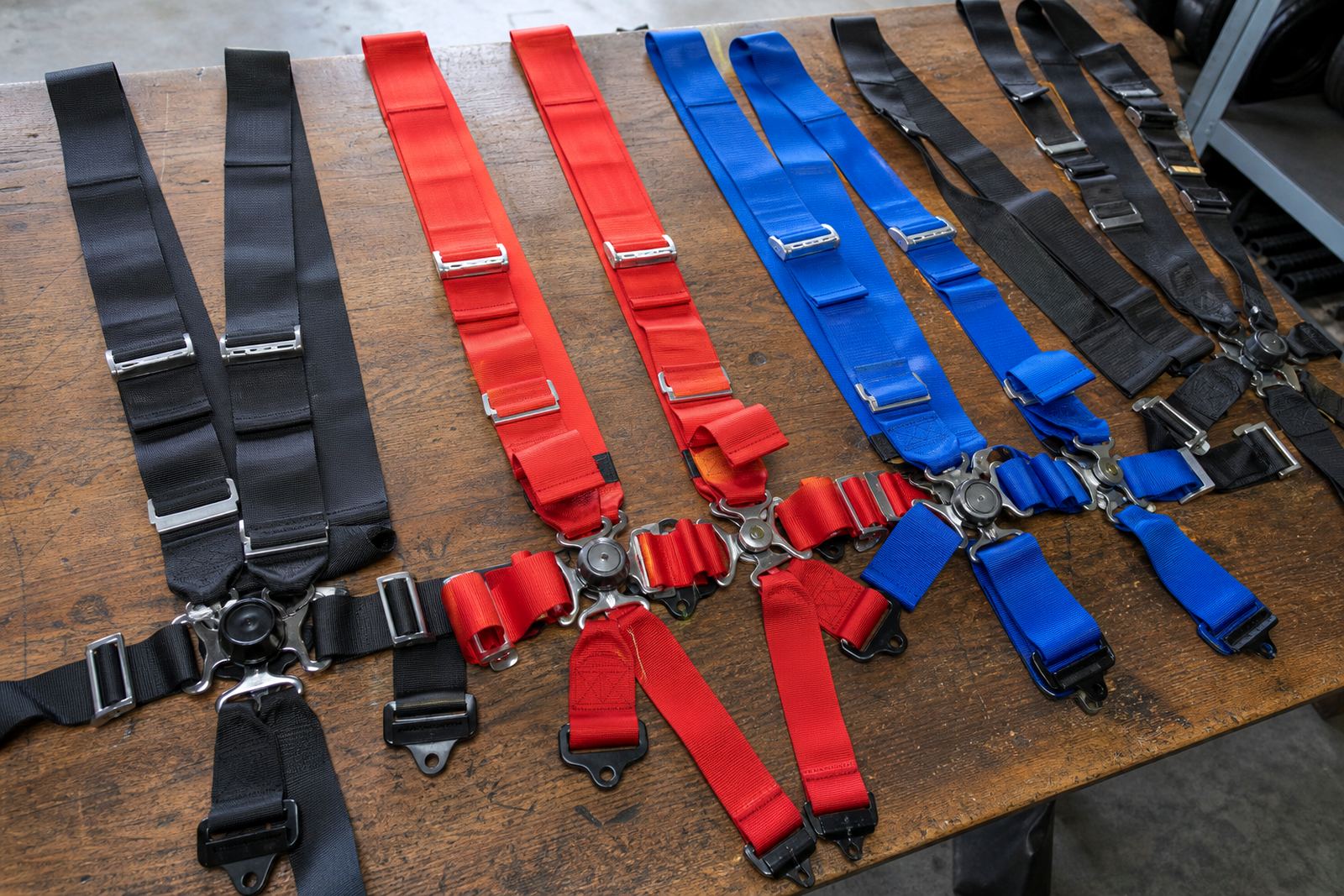
Seats, harnesses and roll cage fit come down to safety first. Driver position affects control, visibility and how well the belts hold the body under load. A seat that is too upright or too wide can make long sessions tiring, and a harness that is mounted poorly can work against the driver instead of helping.
- Measure seat base width and shoulder clearance before ordering.
- Check harness angles against the seat and mounting points.
- Allow space for helmet, HANS style equipment and steering movement.
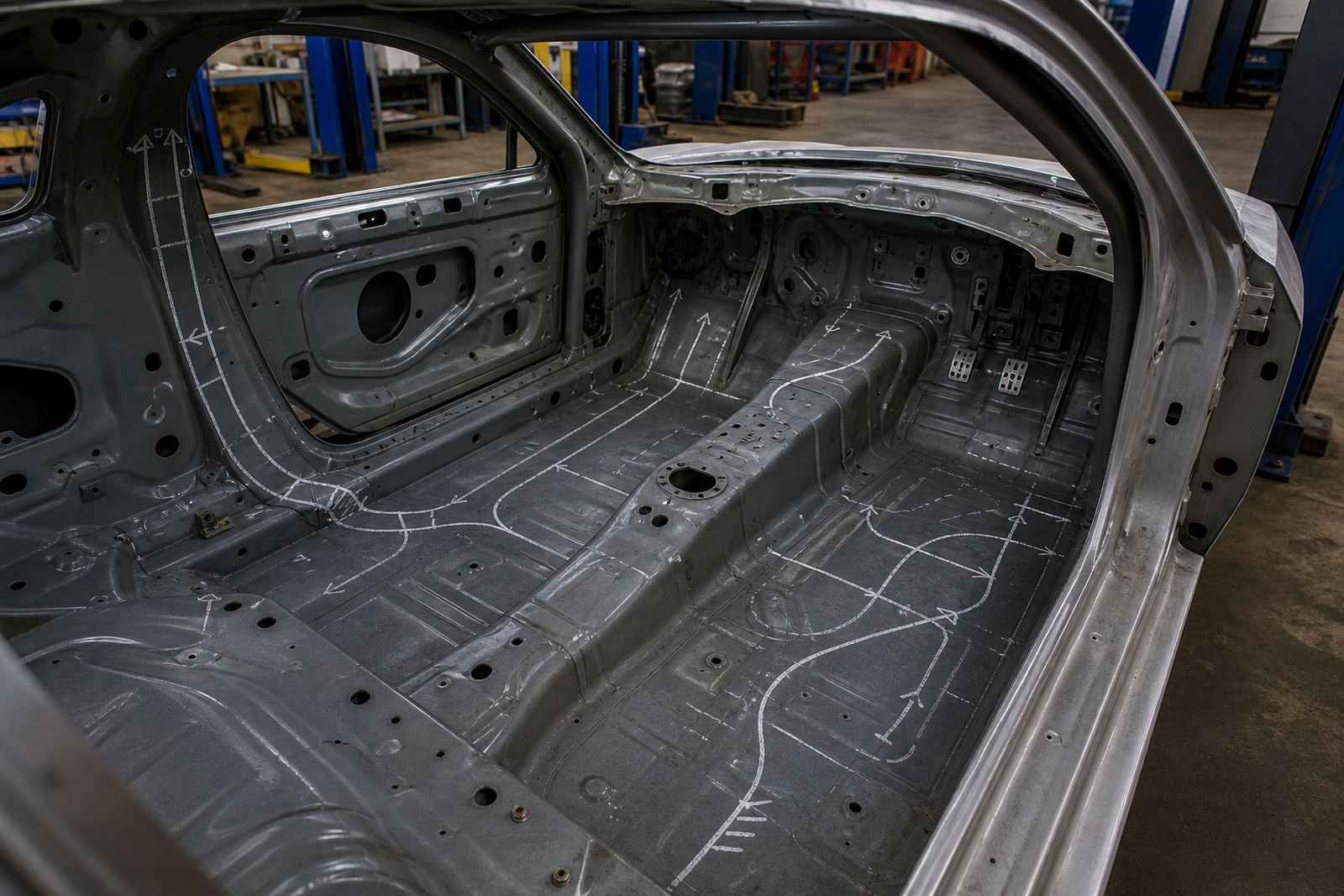
- Confirm roll cage clearance near the dash, roof and doors.
These points matter in club racing where cars are often built in stages and the interior layout changes over time.
Using a guide before the order is placed
Reading up narrows the choices, but someone still has to look at the car. If a driver is unsure about brake balance, suspension range, cooling headroom or seat fit, a written brief helps us point the next step in the right direction.
RaceHouse works from Midrand and supports racers across Johannesburg, Pretoria, Centurion, Durban, Cape Town and Port Elizabeth. Our contact form is the best place to send the car details, event type and the parts already on the vehicle, so the advice fits the real build rather than a generic list.