



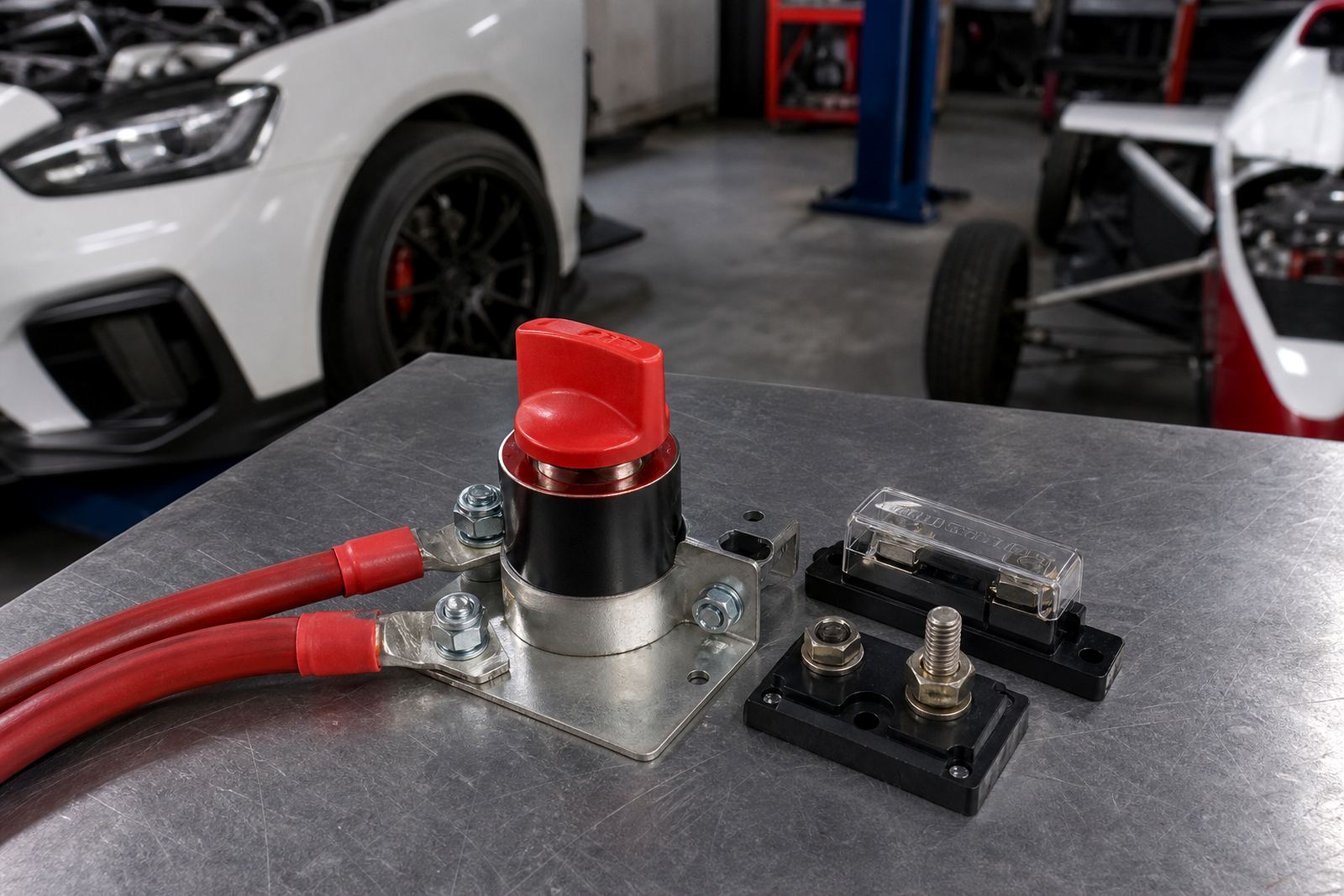
Parts for the way a racing car is used
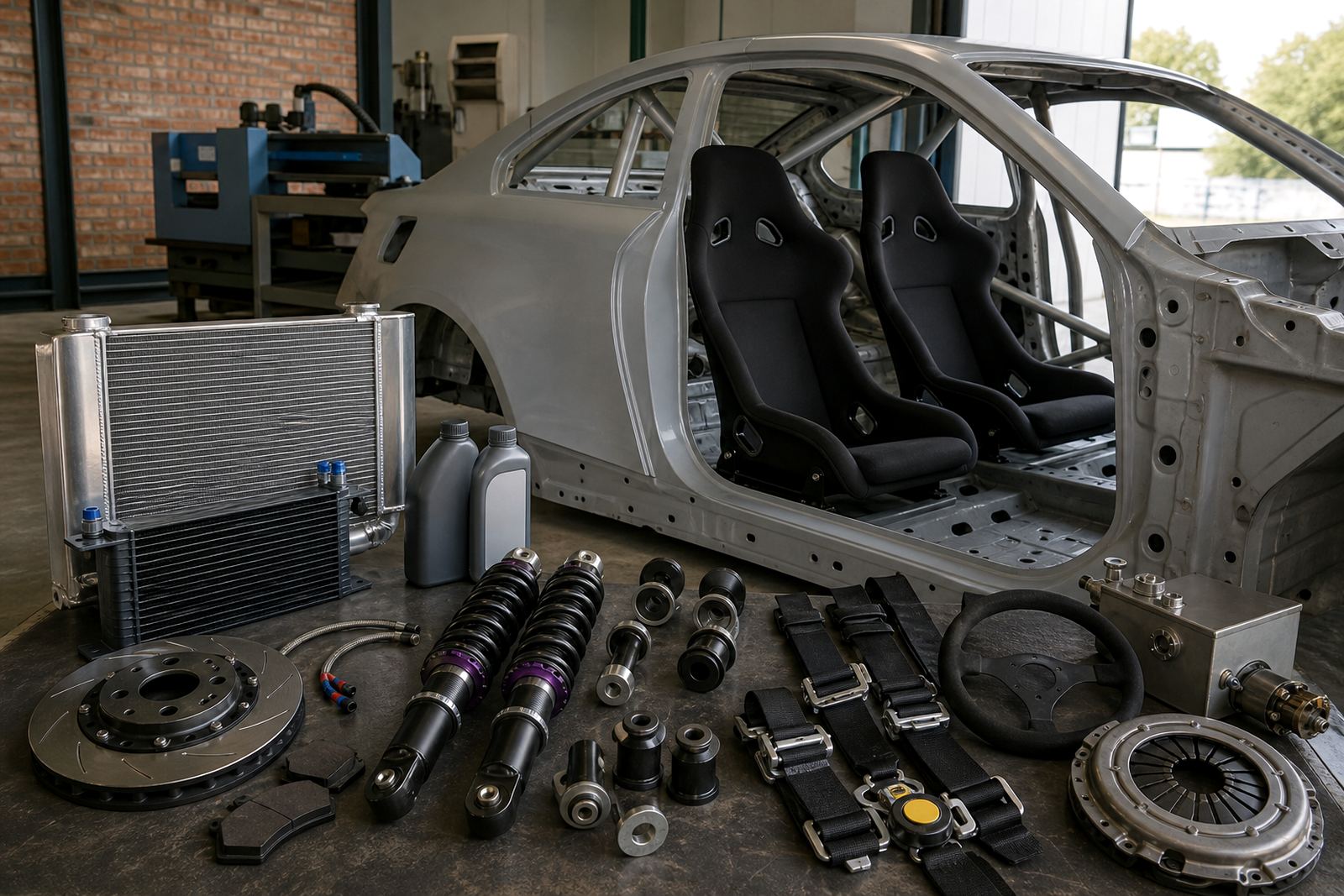
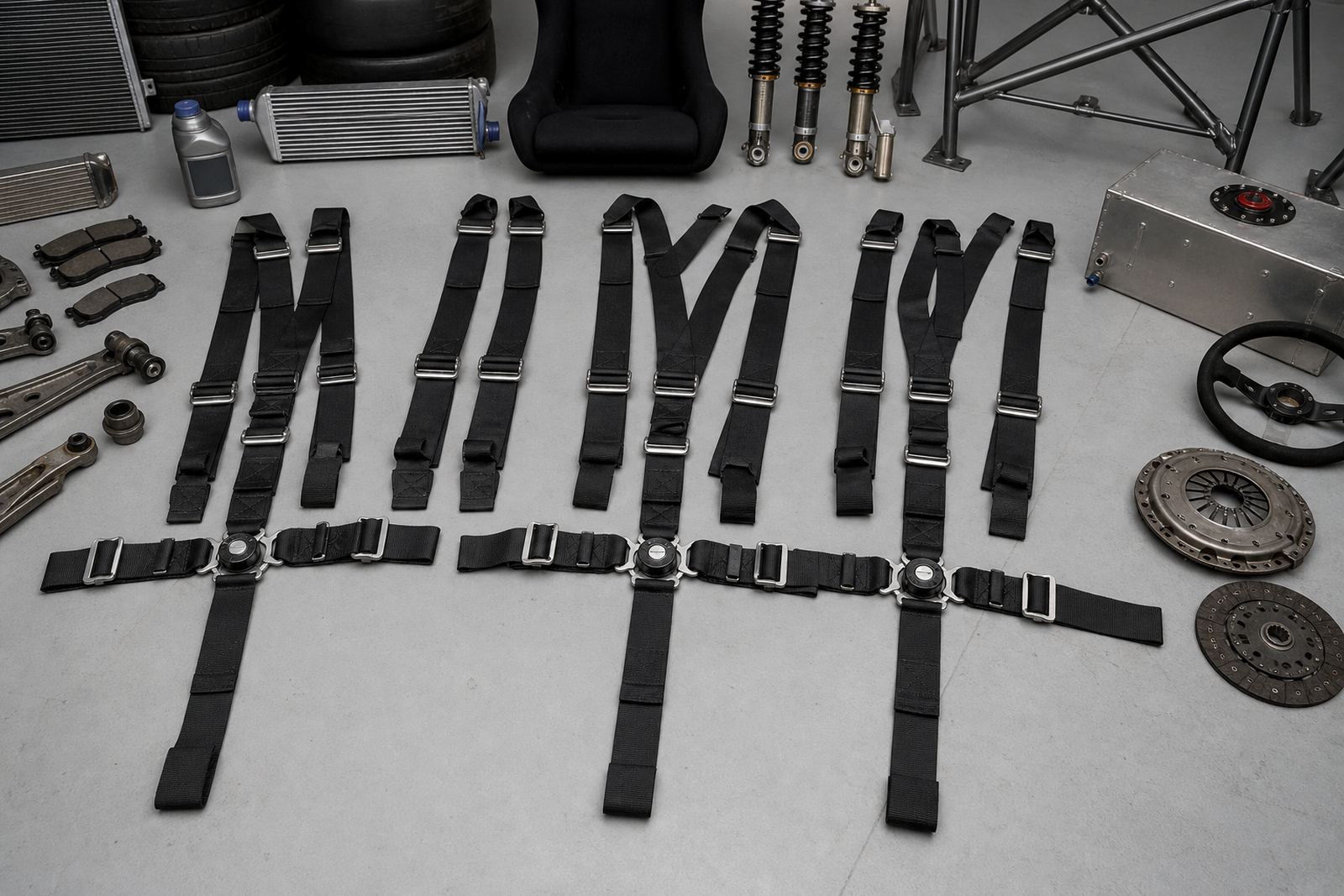
Motorsport parts need to match the car, the class, the tyre choice and the sort of running it sees. A sprint car that only does short sessions asks for a different brake and cooling package than a rally car that works hard on rough surfaces and long road sections. Club racers in Gauteng often want the car to stay predictable through a whole meeting, not just feel sharp for one lap.
We work through the parts that matter most on a real car, then narrow the list to suit the setup. That usually starts with the weak point you can feel first, whether that is brake fade, soft damping, high fluid temperatures or an awkward driving position. The goal is a parts list that suits the build and the budget without loading the car with pieces it will not use.
Braking hardware that stays calm under heat
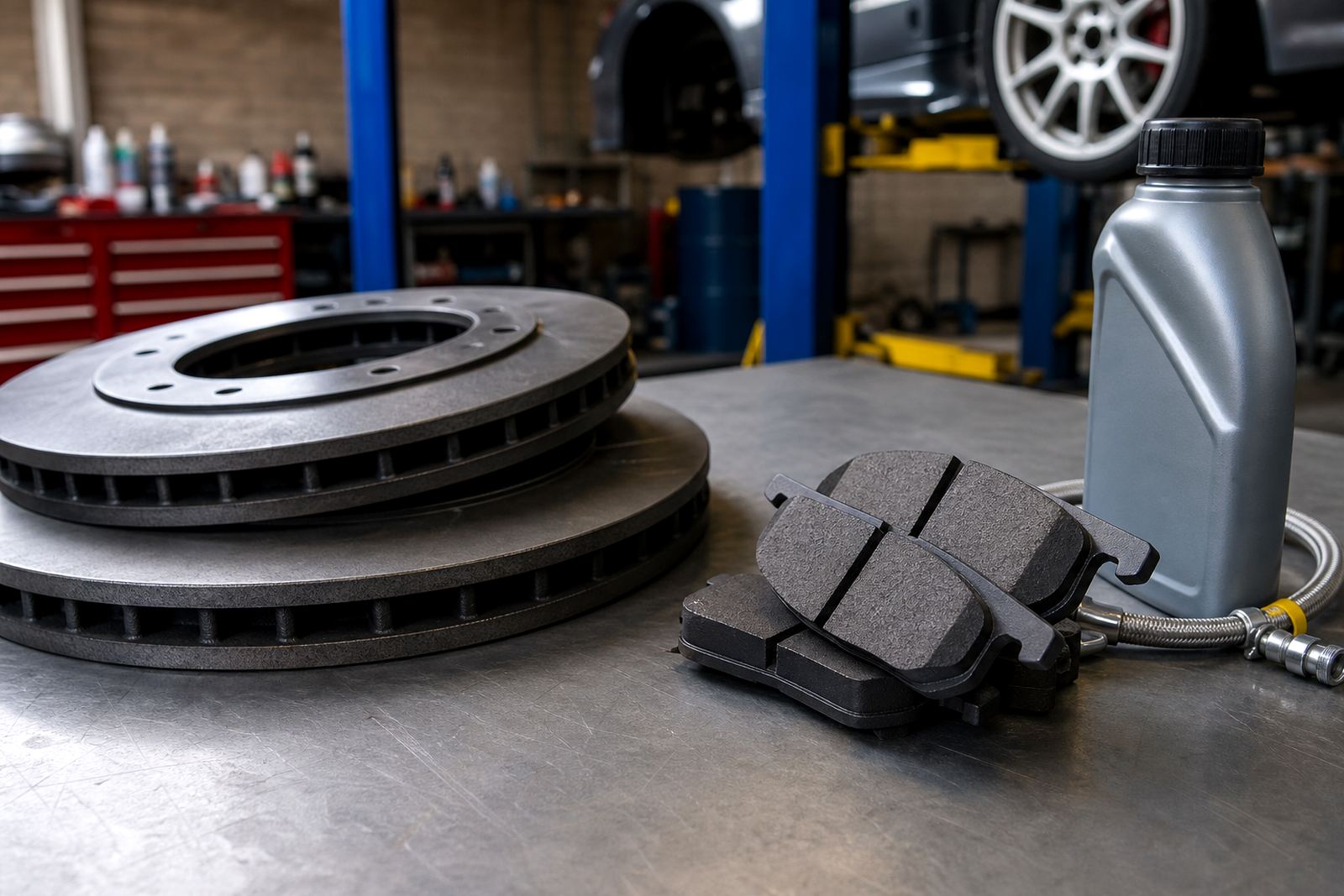
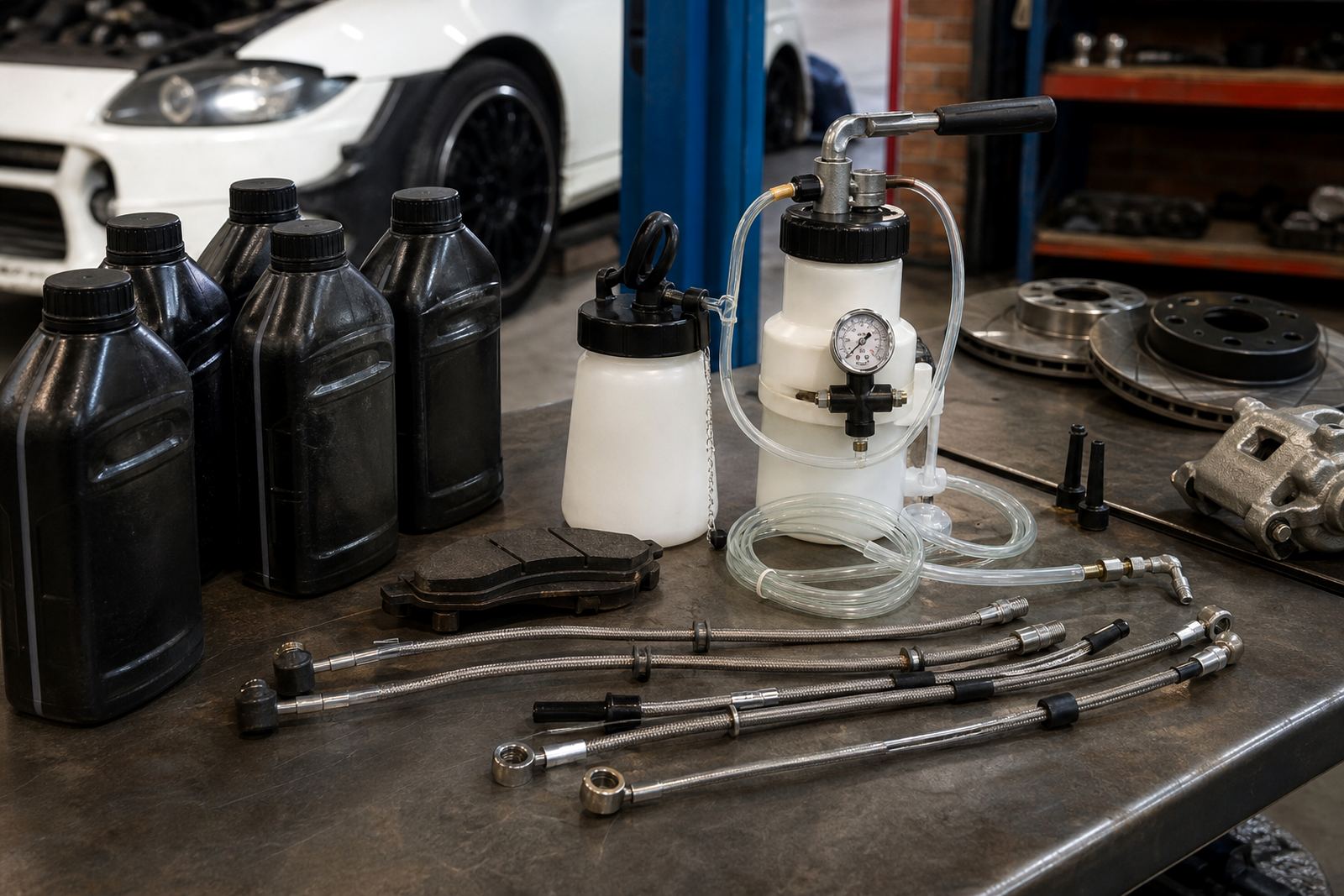
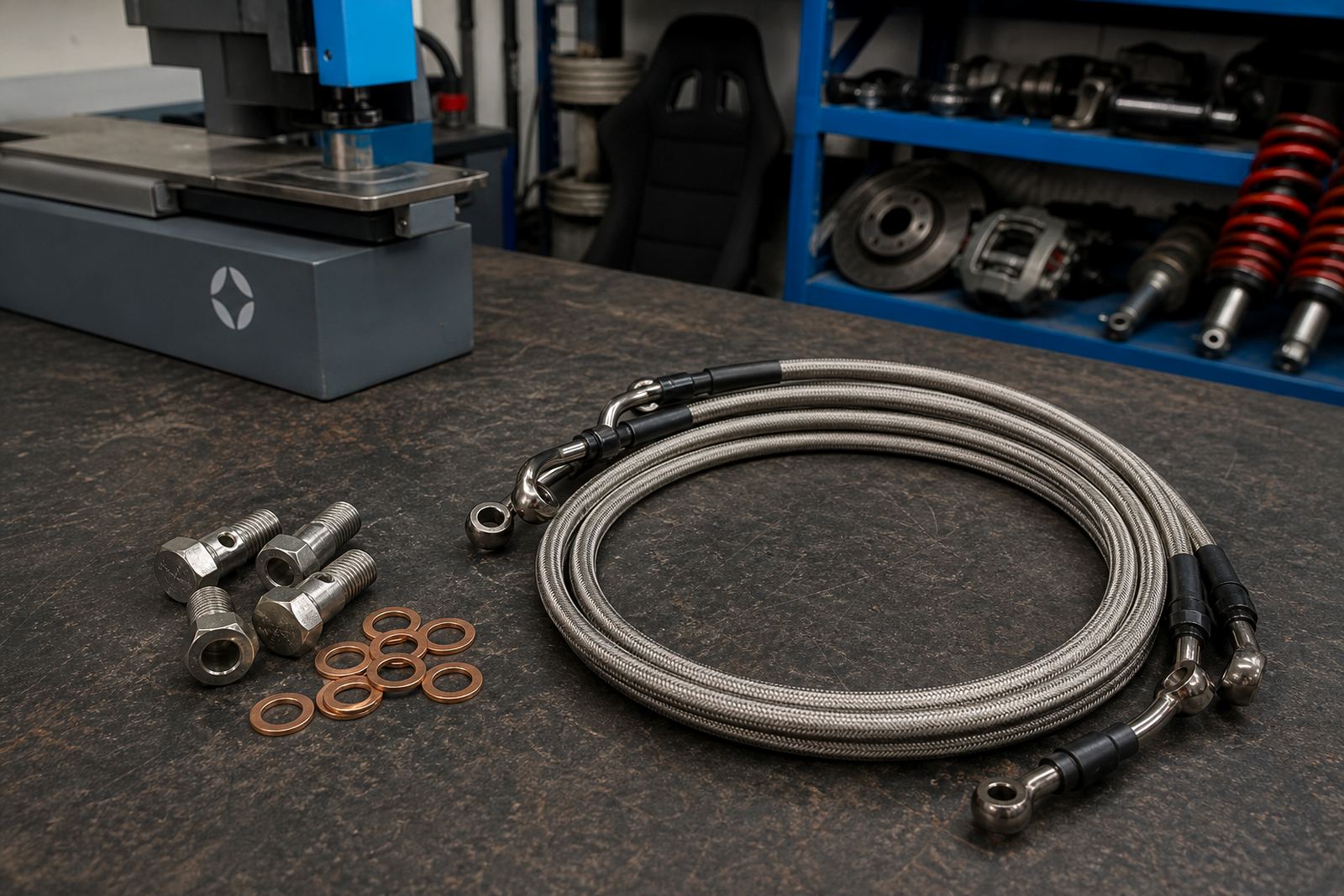
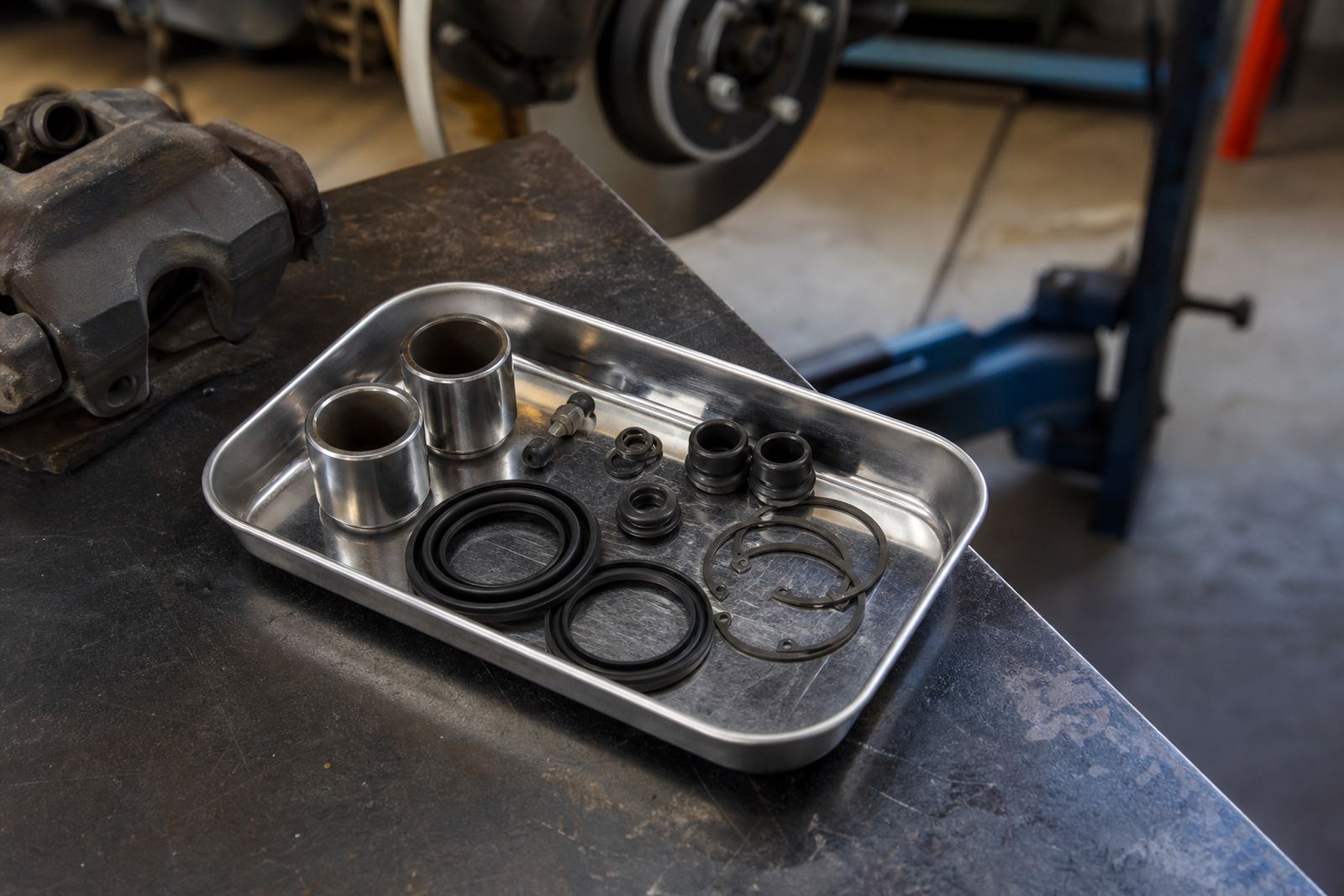
Brake upgrades often begin with pad choice, fluid quality and the way the system is bled. From there, some cars need better discs, stronger lines or a pad compound that suits repeated stops instead of daily-road use. A good brake setup should give a firm pedal and steady feel after several laps, not only on the first run out of pit lane.
RaceHouse can talk through brake bleeding, pad wear patterns and the signs of overheating in fluid or calipers. On many cars the fix is not one dramatic change, it is a cleaner balance between pad, fluid and cooling around the brakes.
Suspension parts that keep the car honest
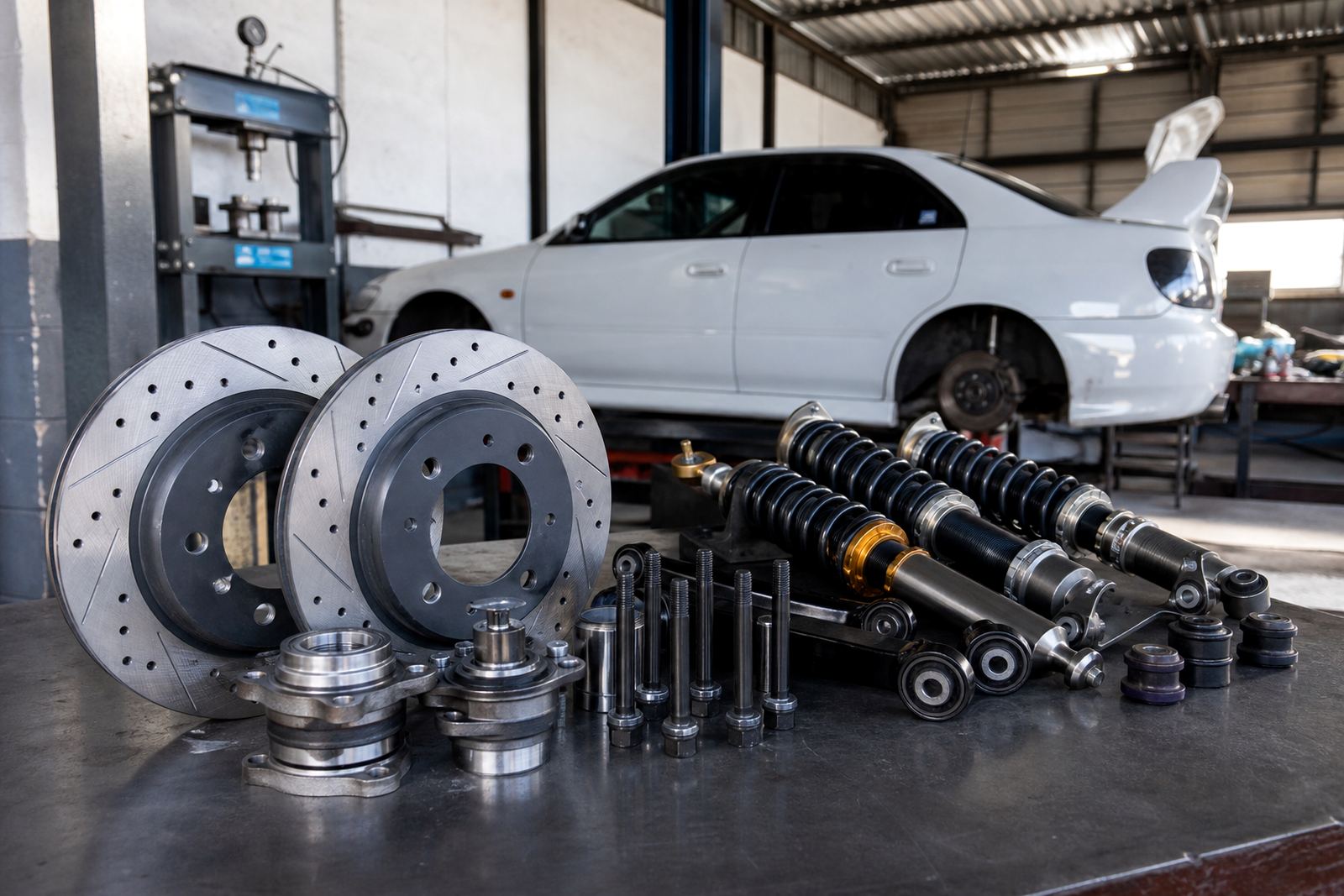
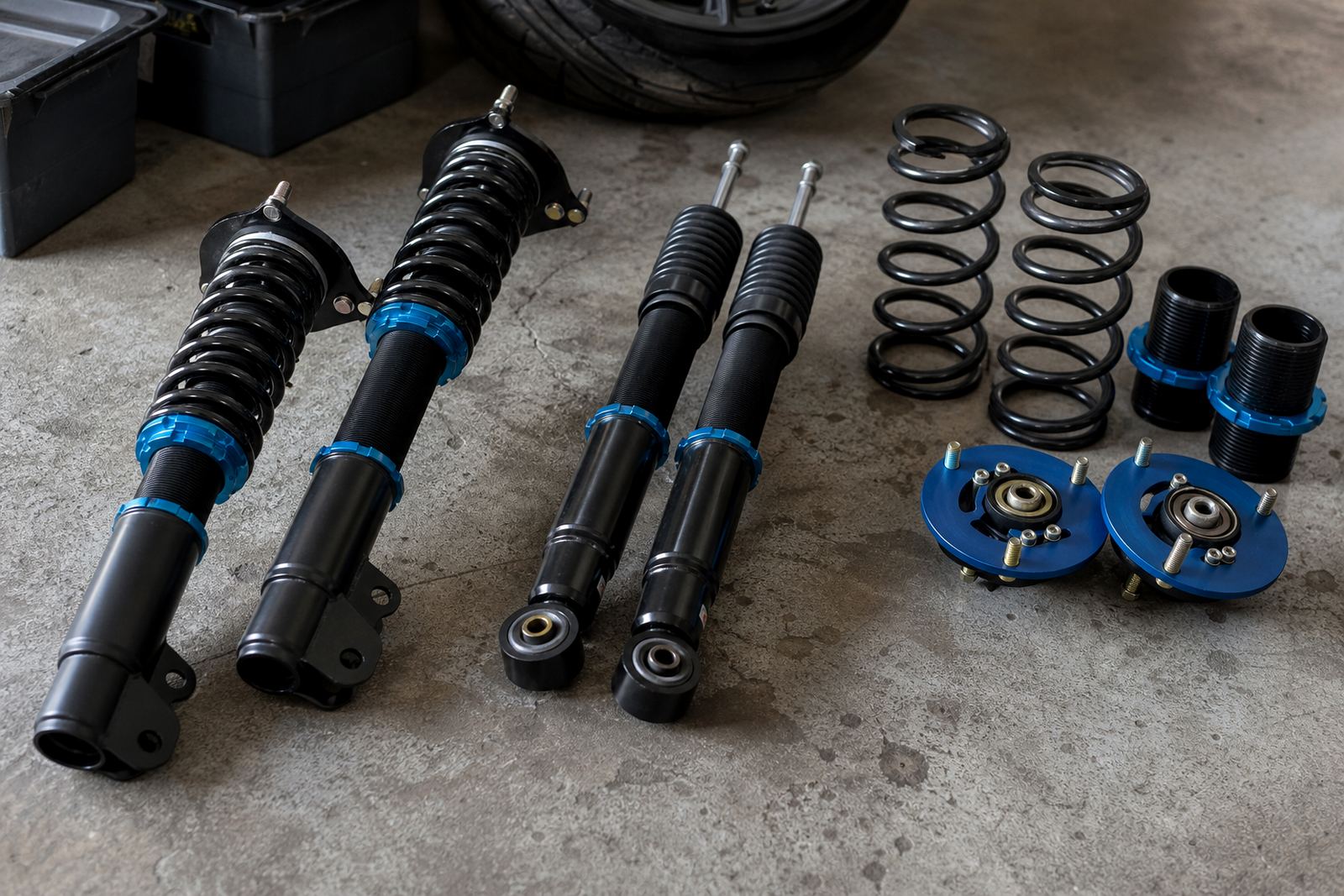
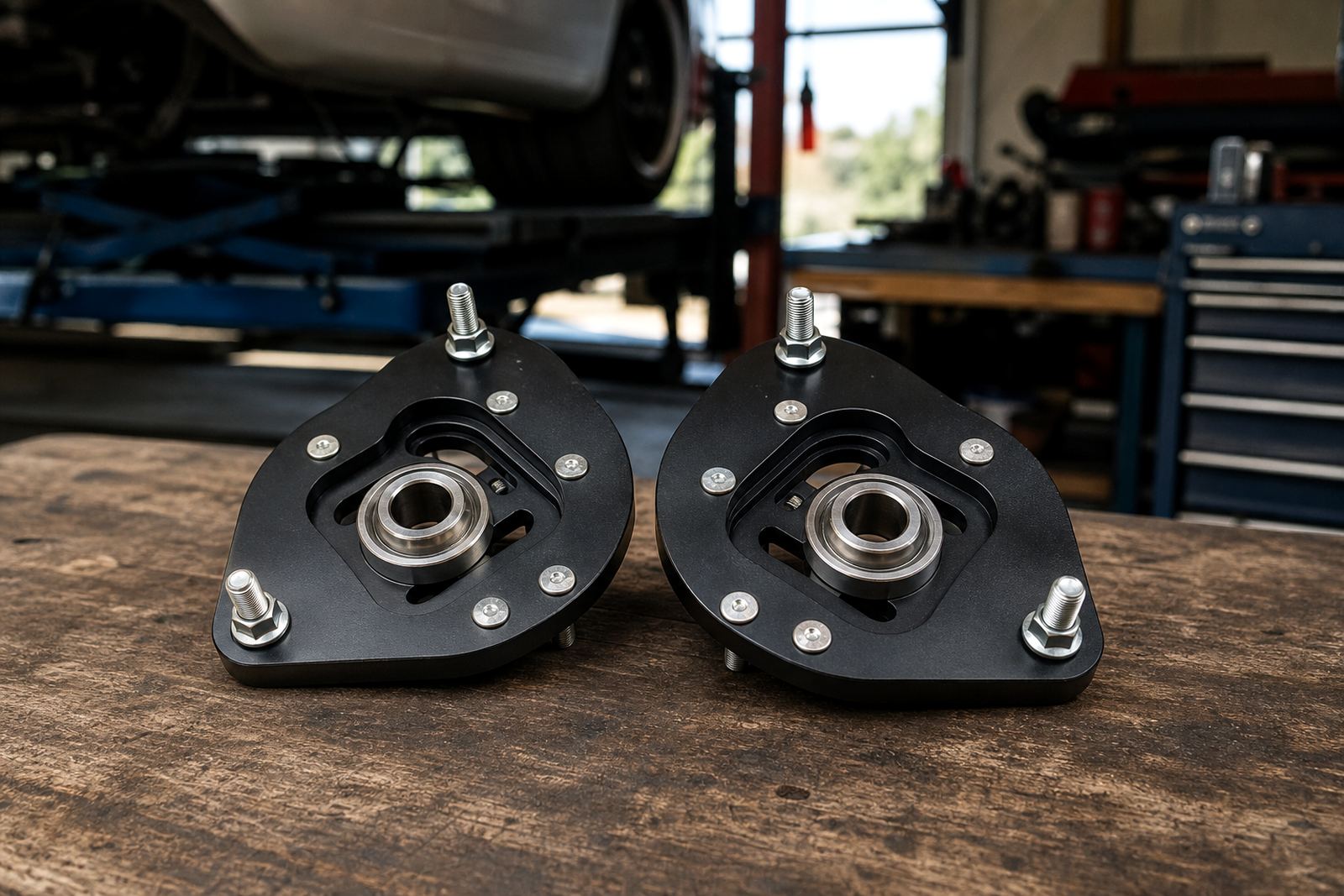
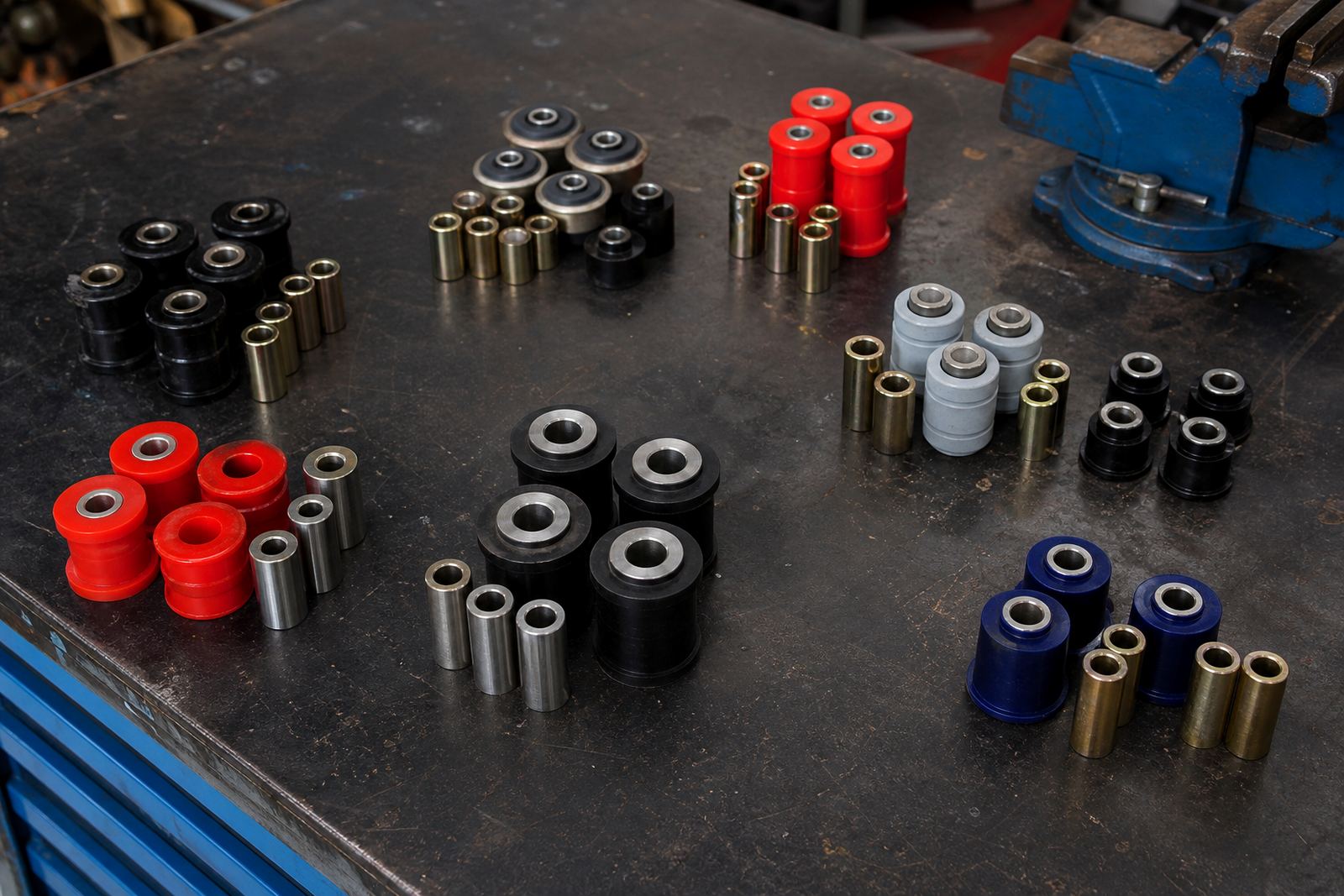
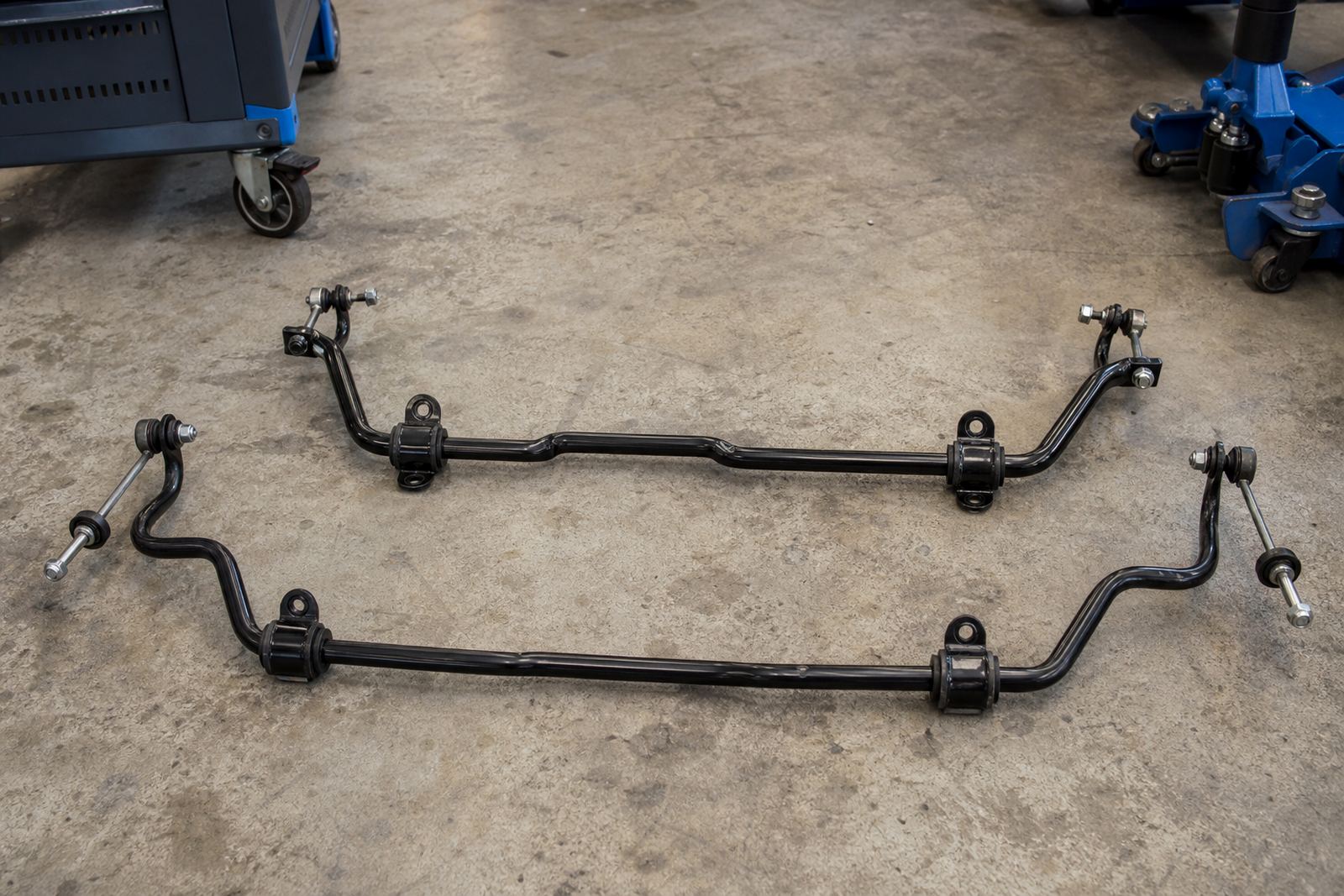
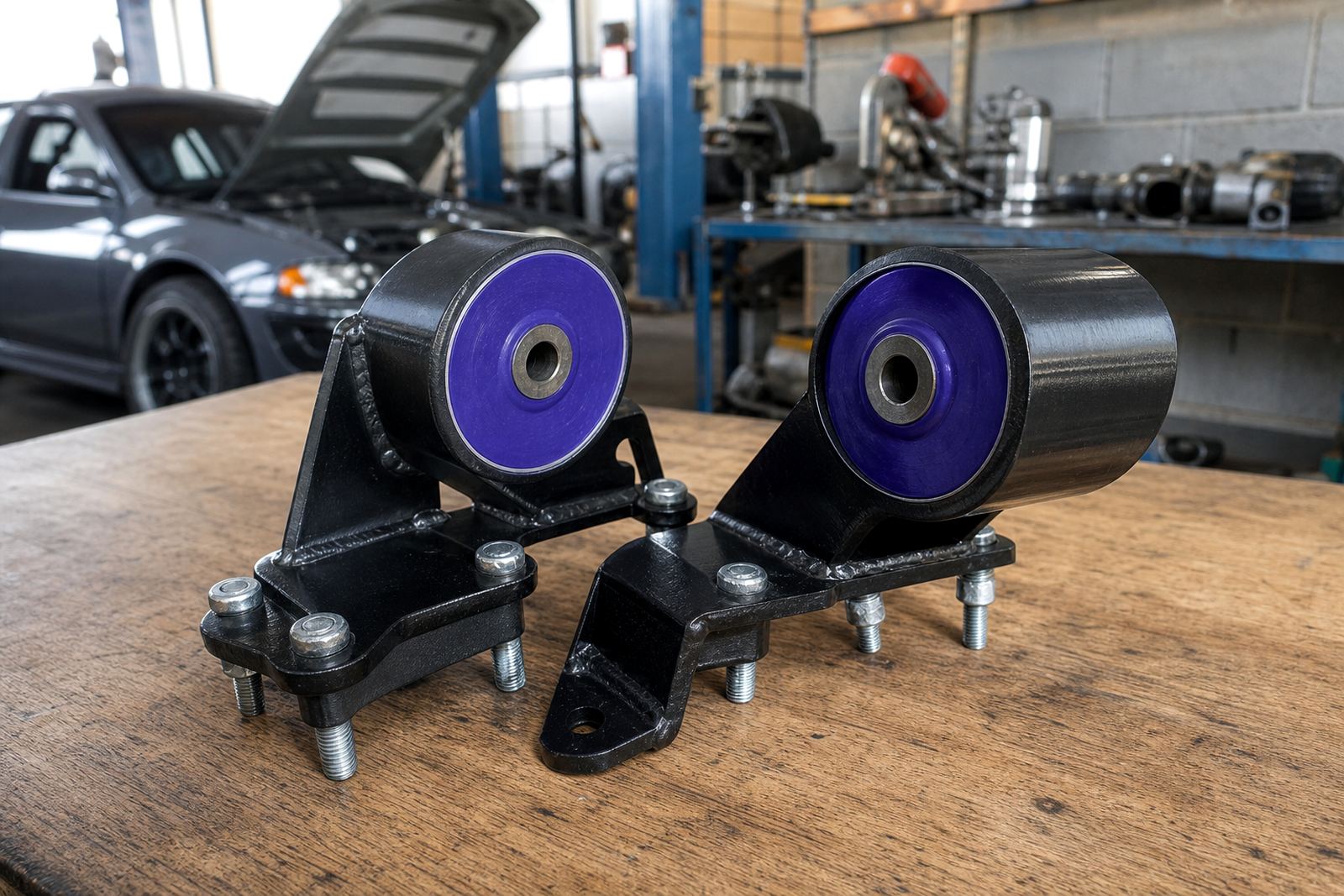
Coilovers, bushes, top mounts and related hardware shape how the car settles into a corner and how it takes a kerb. The right setup depends on spring rate, damper adjustment, ride height and the road surface at the venues you run. Kyalami does not ask for the same compromise as a rougher club circuit or a rally stage.
Suspension parts only work properly when they are matched to alignment and corner weight. If one end of the car carries too much load, the driver ends up chasing balance with steering and throttle instead of using the chassis the way it should be used.
Keeping heat under control on long sessions
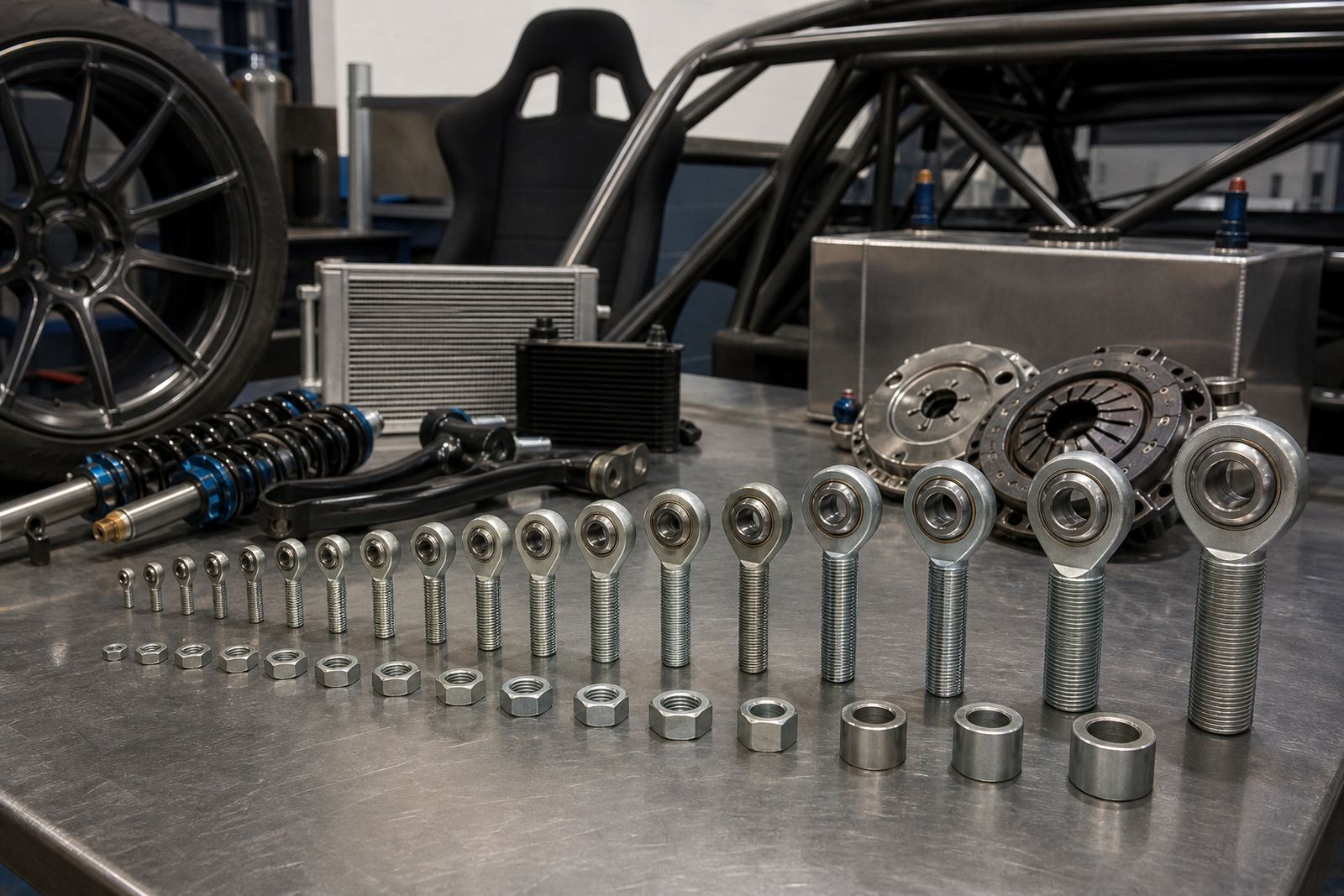
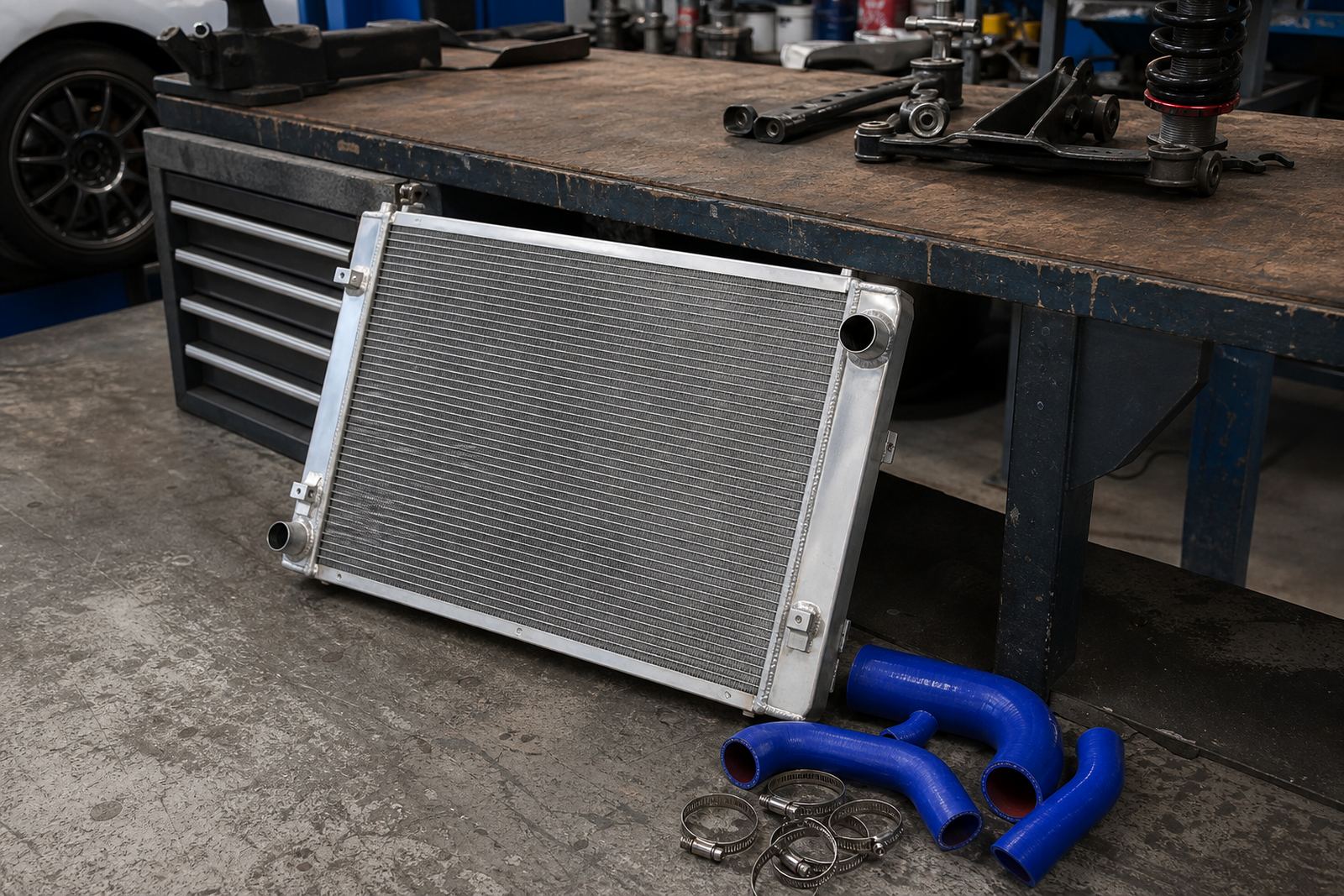
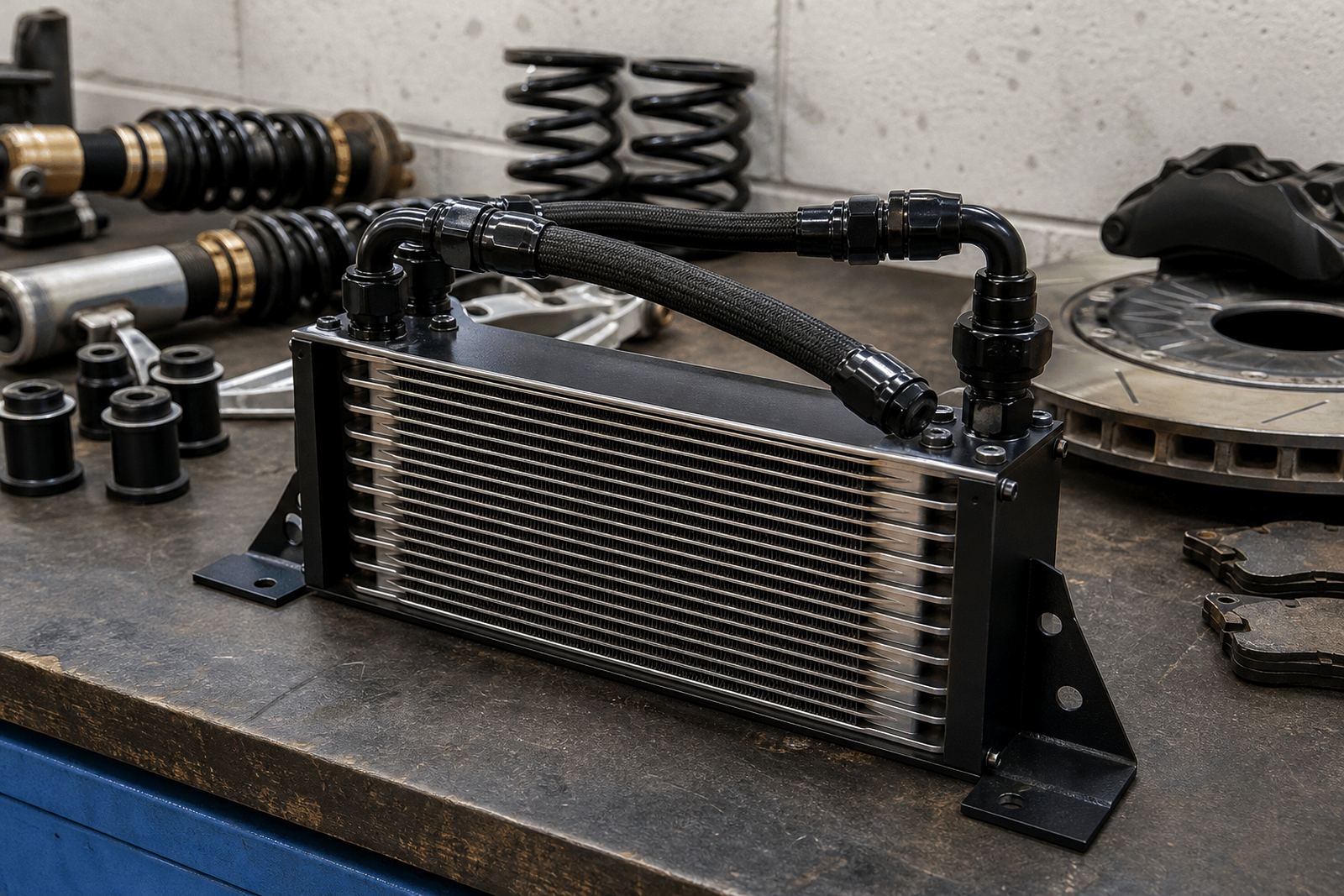
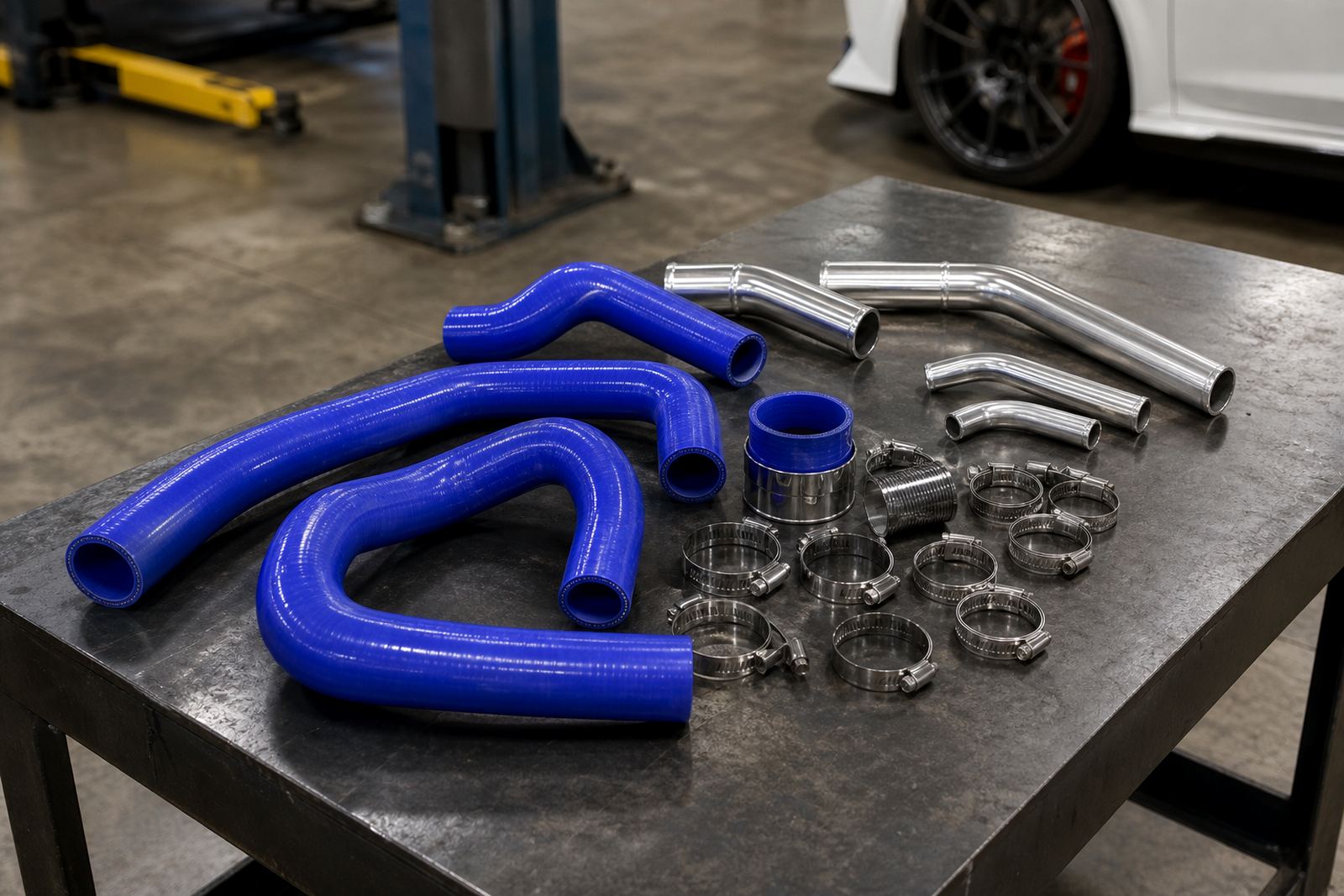
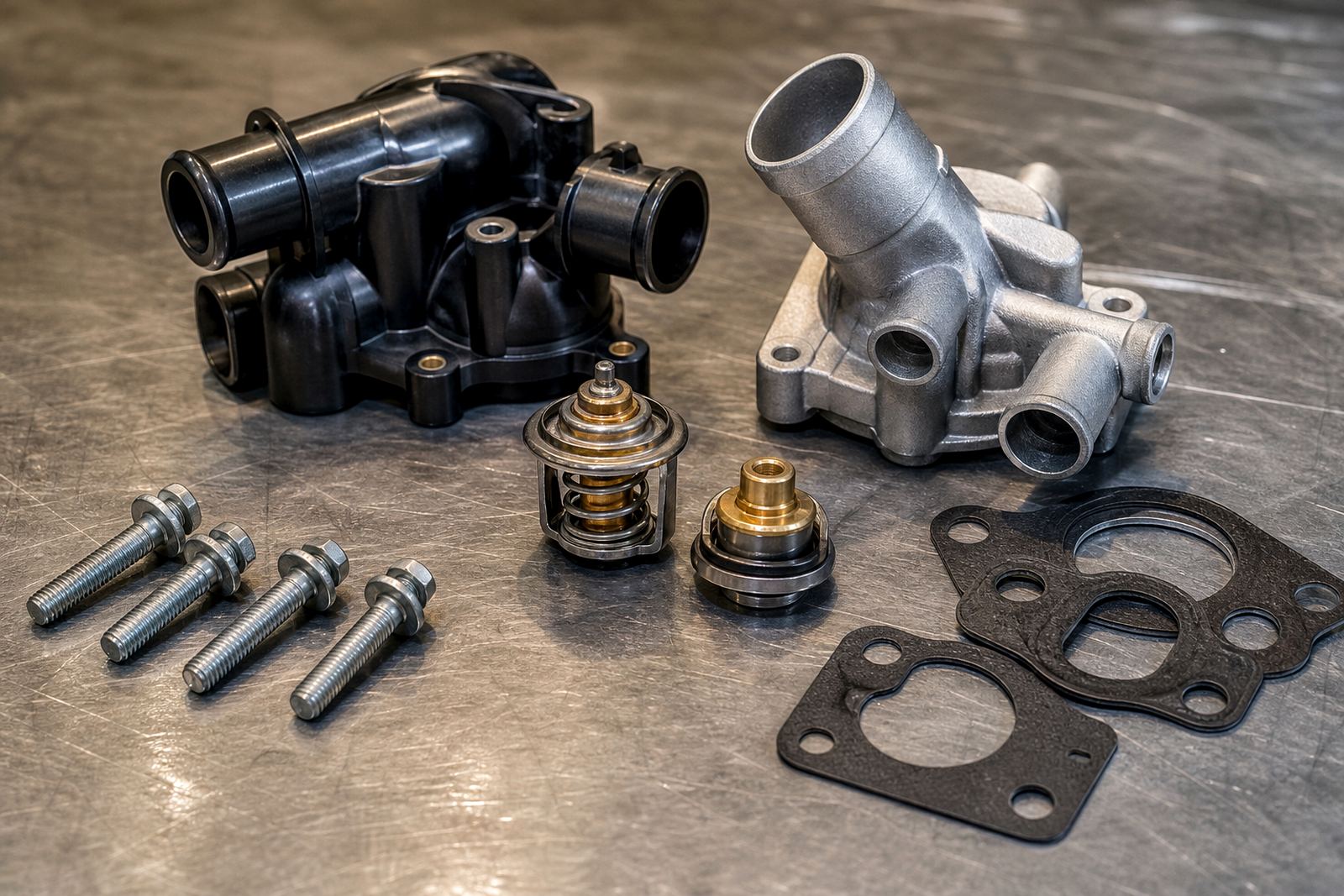
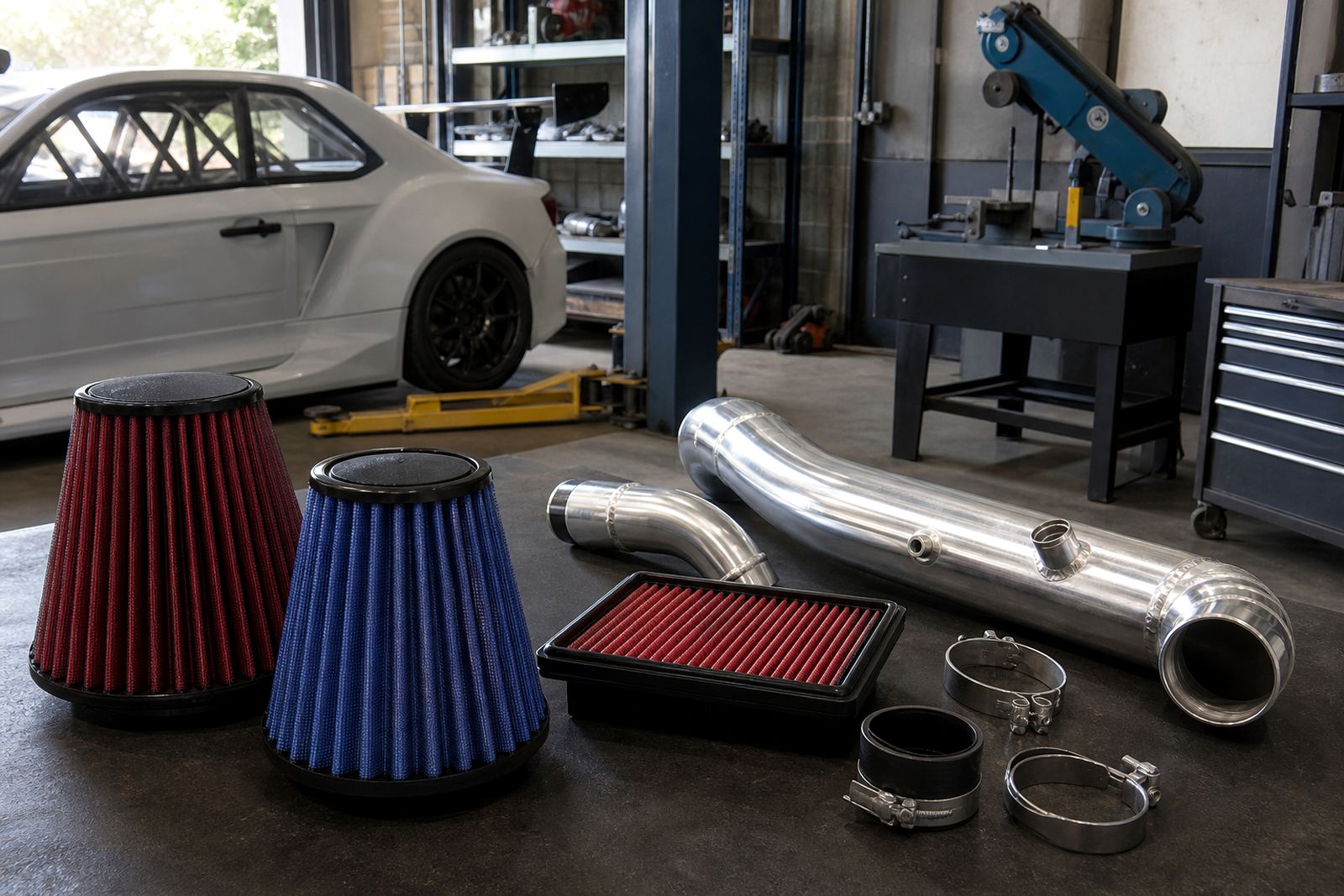
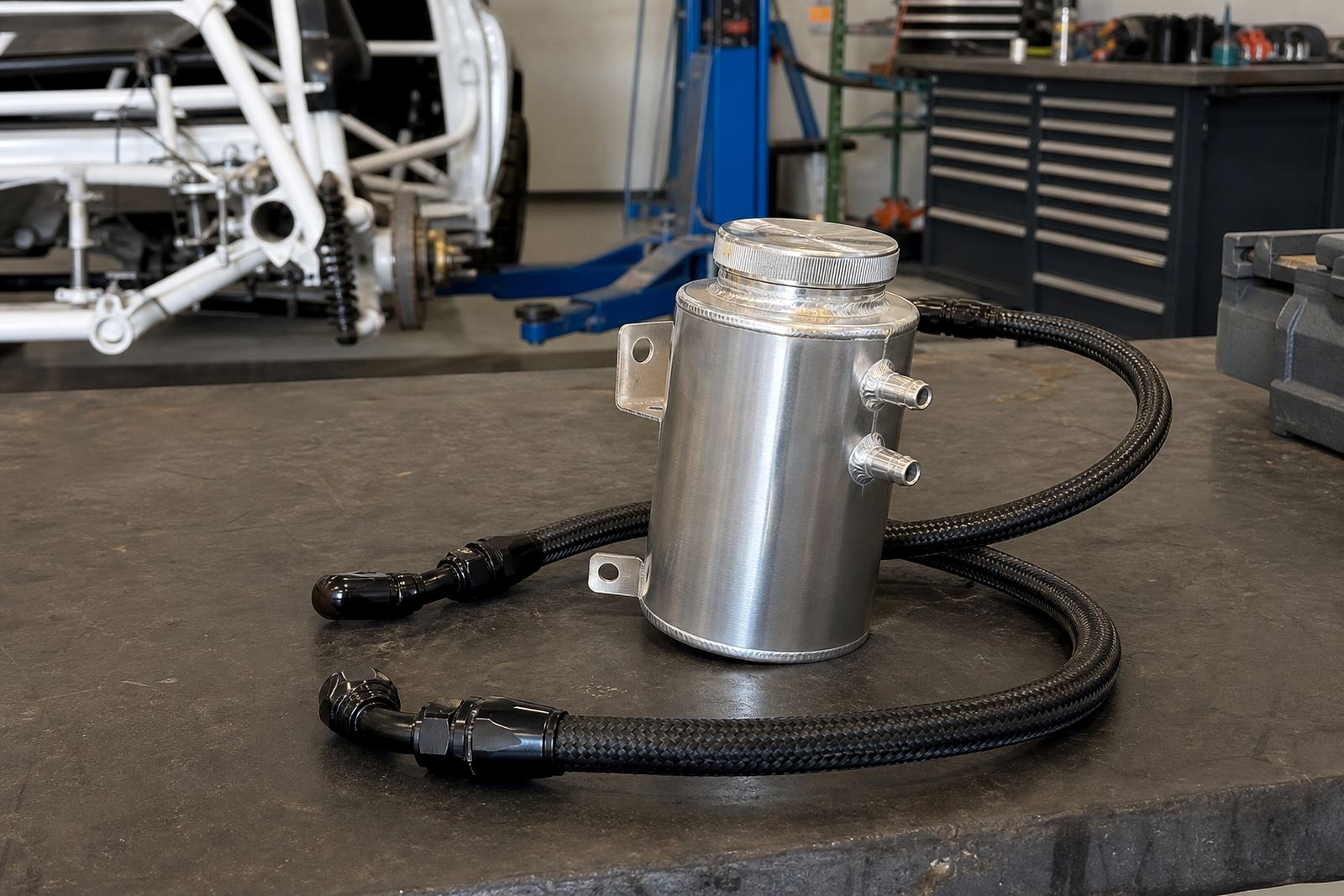
Cooling parts matter once the car starts working for real. Radiators, oil coolers, ducting and hoses all affect how stable the engine stays when the laps stack up or the stage gets long. In warmer parts of the country, a car that looks fine in the workshop can still run hot on track if the airflow and component size are not right.
We inspect the complete cooling setup, not the radiator by itself. That means checking coolant route, oil temperatures, the space available in the nose and whether there is enough room for proper airflow through the core. A tidy install is useful too, because loose hoses and poor mounting can create their own problems later.
Safety gear and cockpit fitment that suits the driver
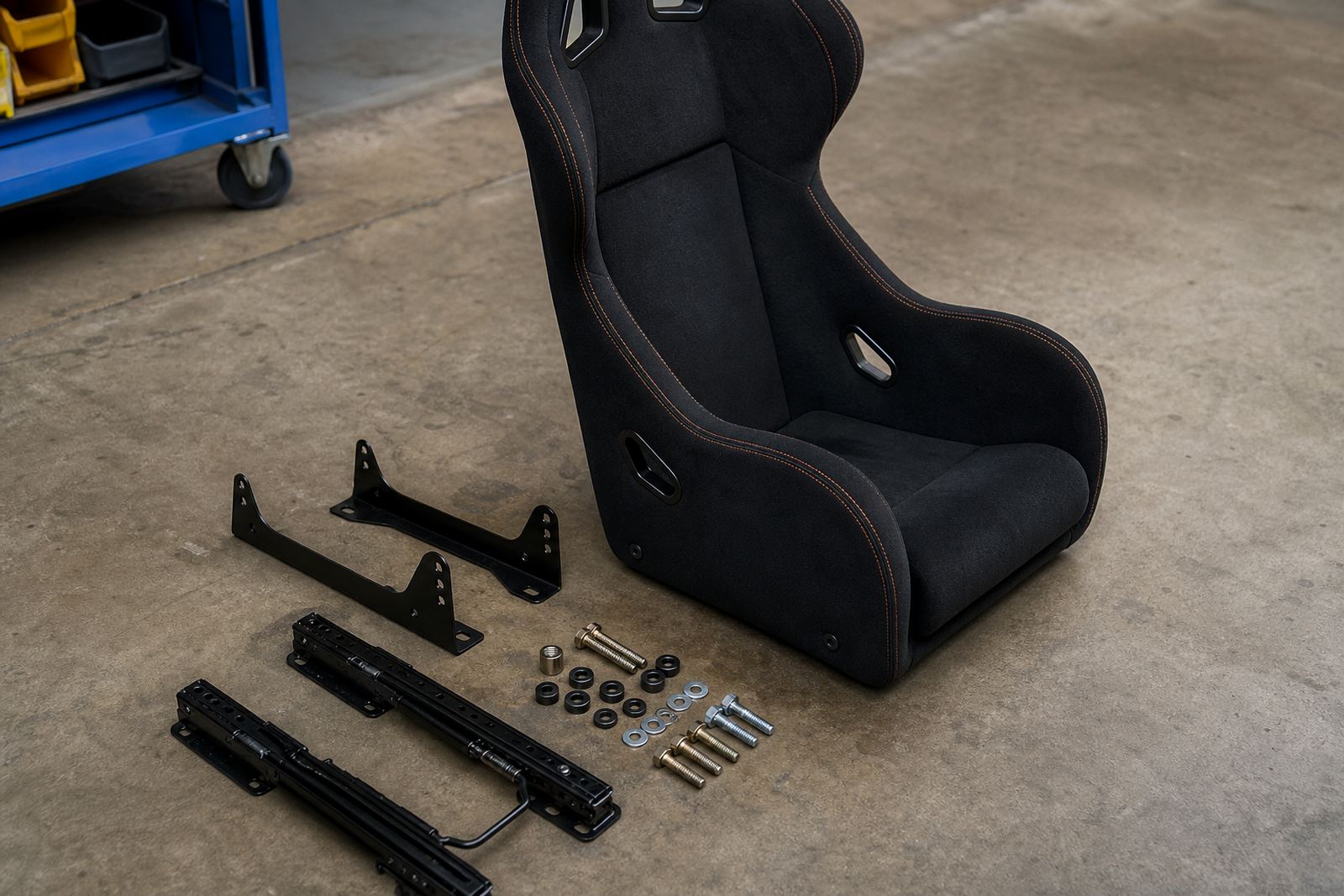
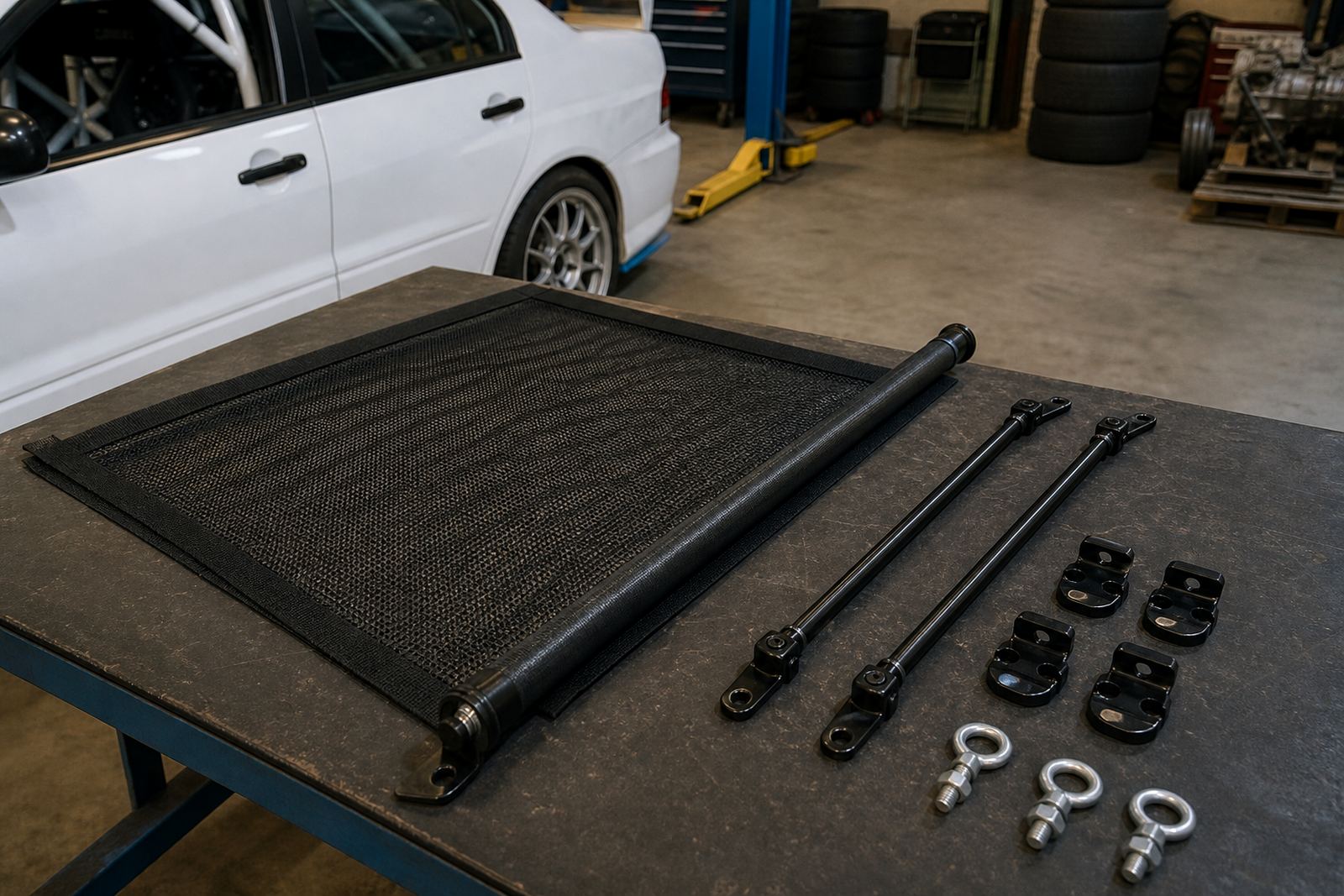
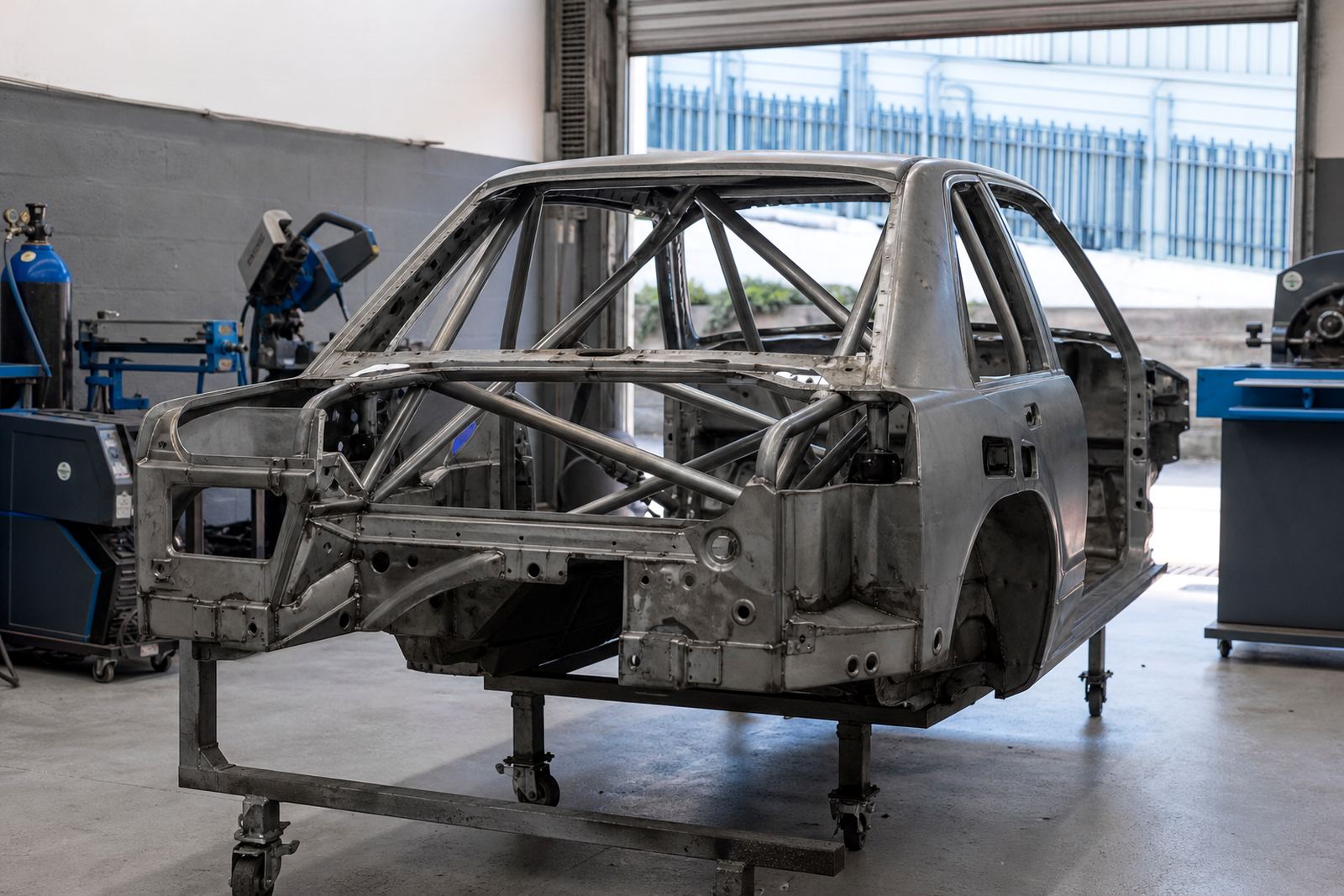
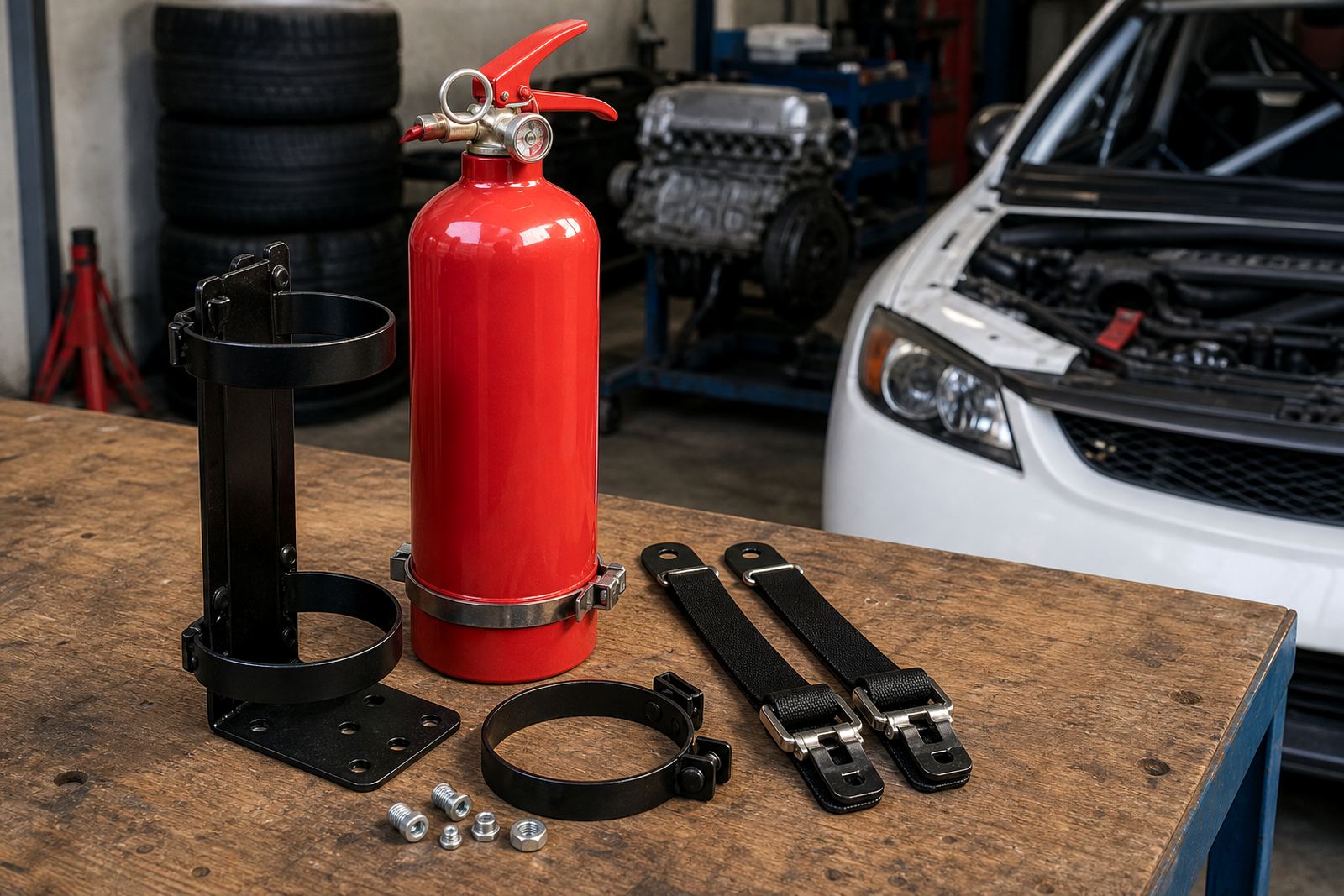
Seats, harnesses and roll cage fit advice are part of the same conversation, because the driver needs to sit correctly before any setup numbers make sense. A seat that is too high, too wide or set at the wrong angle changes what the driver feels through the car. Harnesses need proper routing and secure mounting, and cage bars must sit with the interior layout in mind.
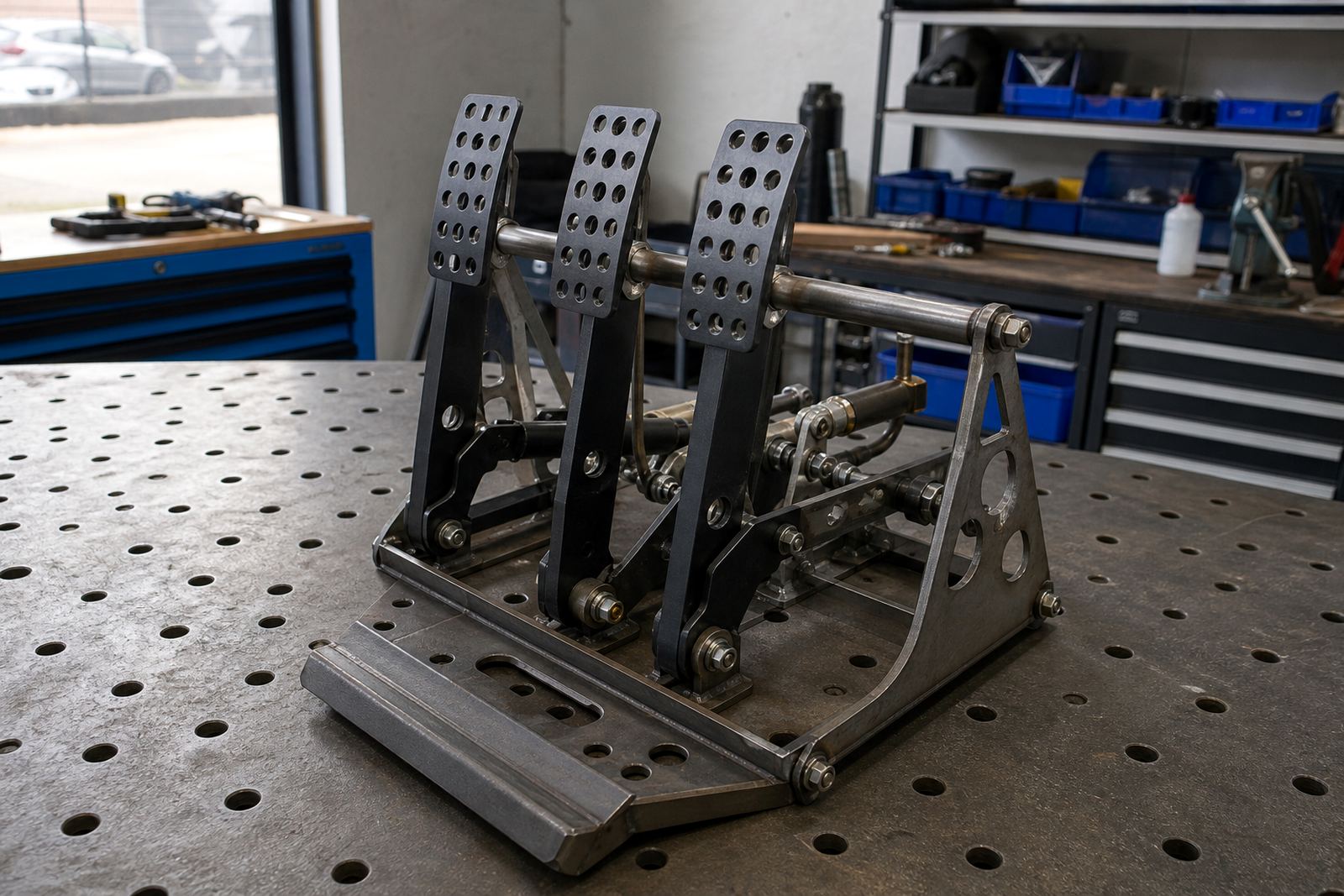
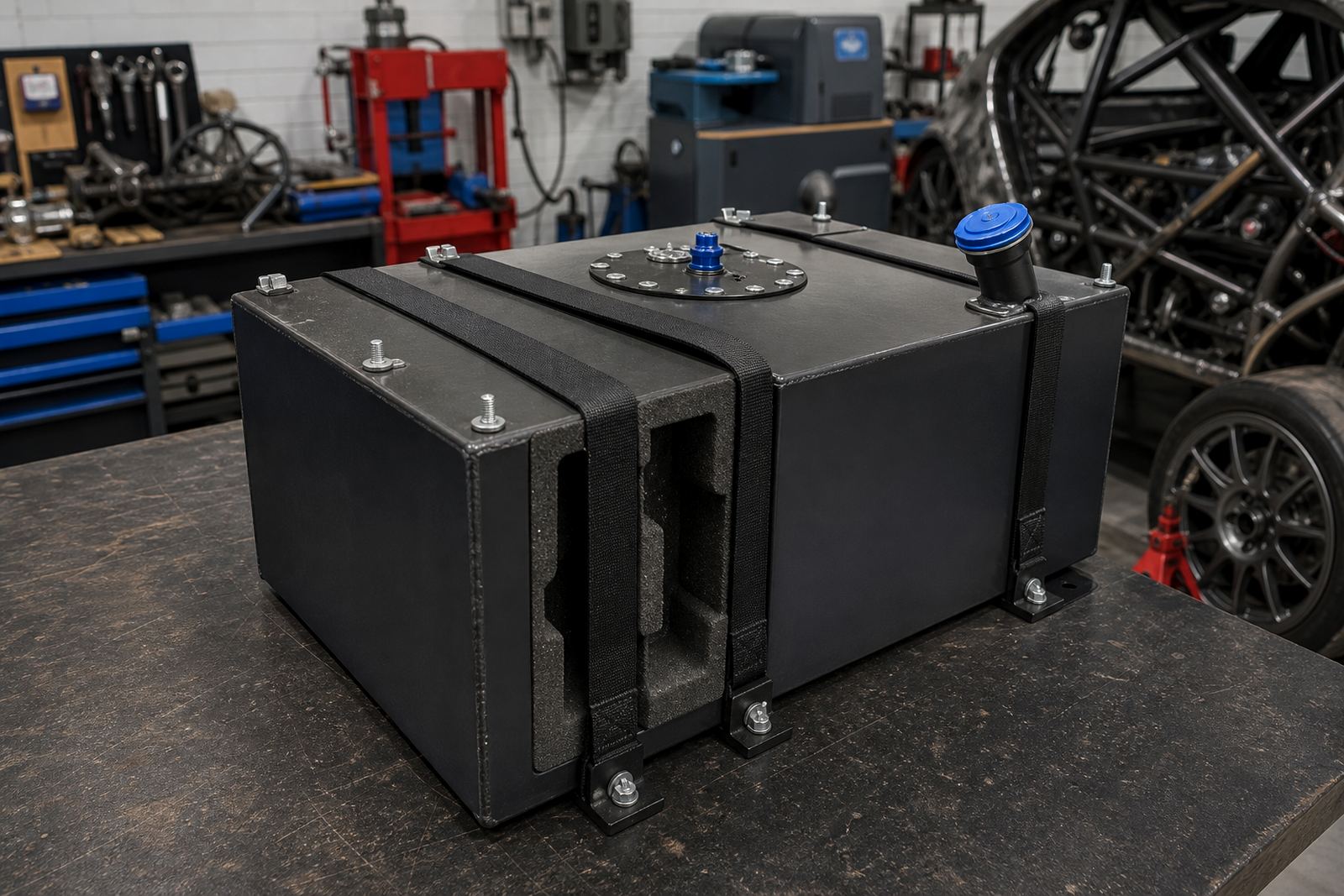
For rally and circuit cars alike, the cabin should let the driver work naturally and stay restrained under load. Fuel cells and related hardware also need careful placement and secure fitment, especially where packaging is tight and the car must still be serviced without drama.
Driveline and fuel pieces for harder use
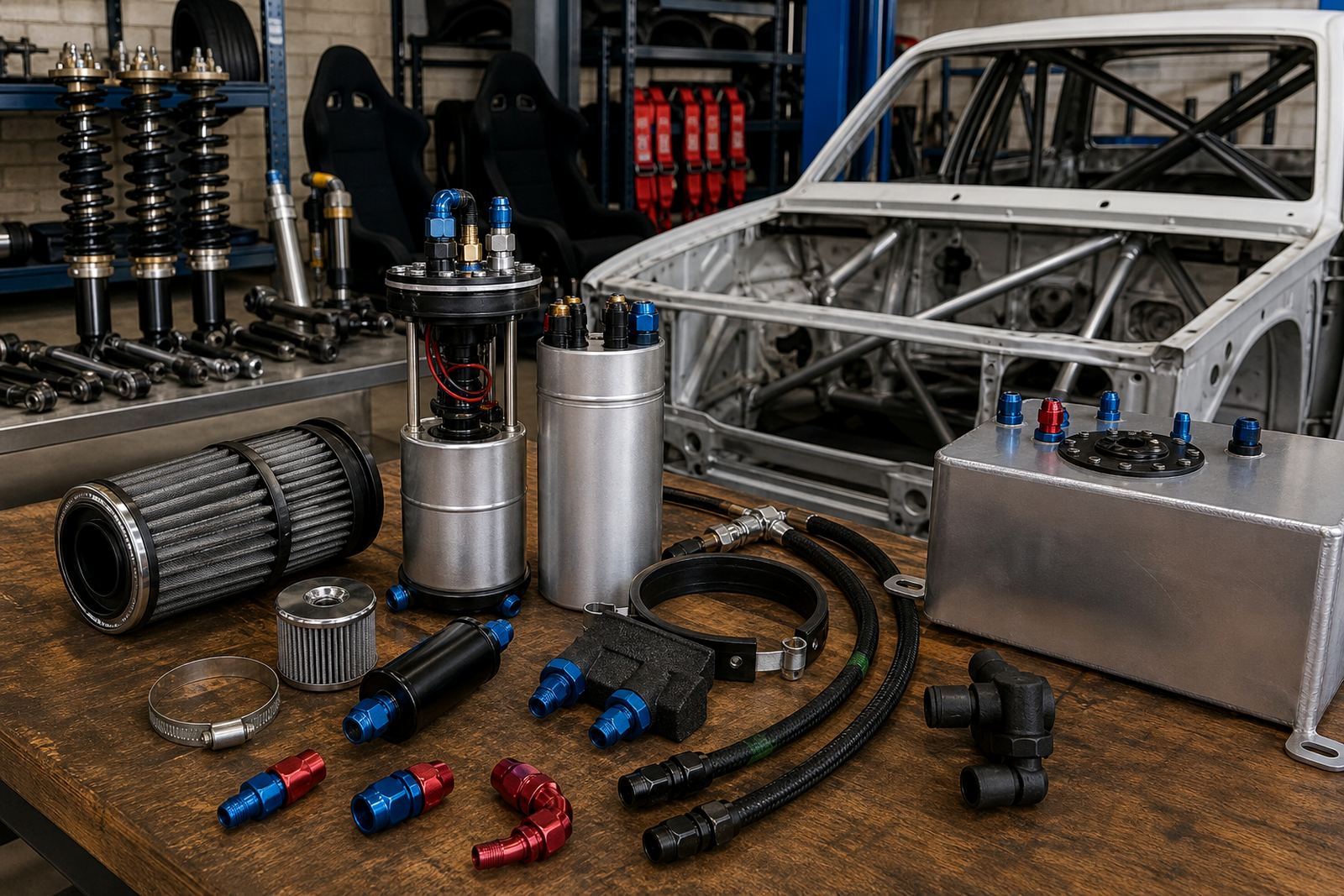
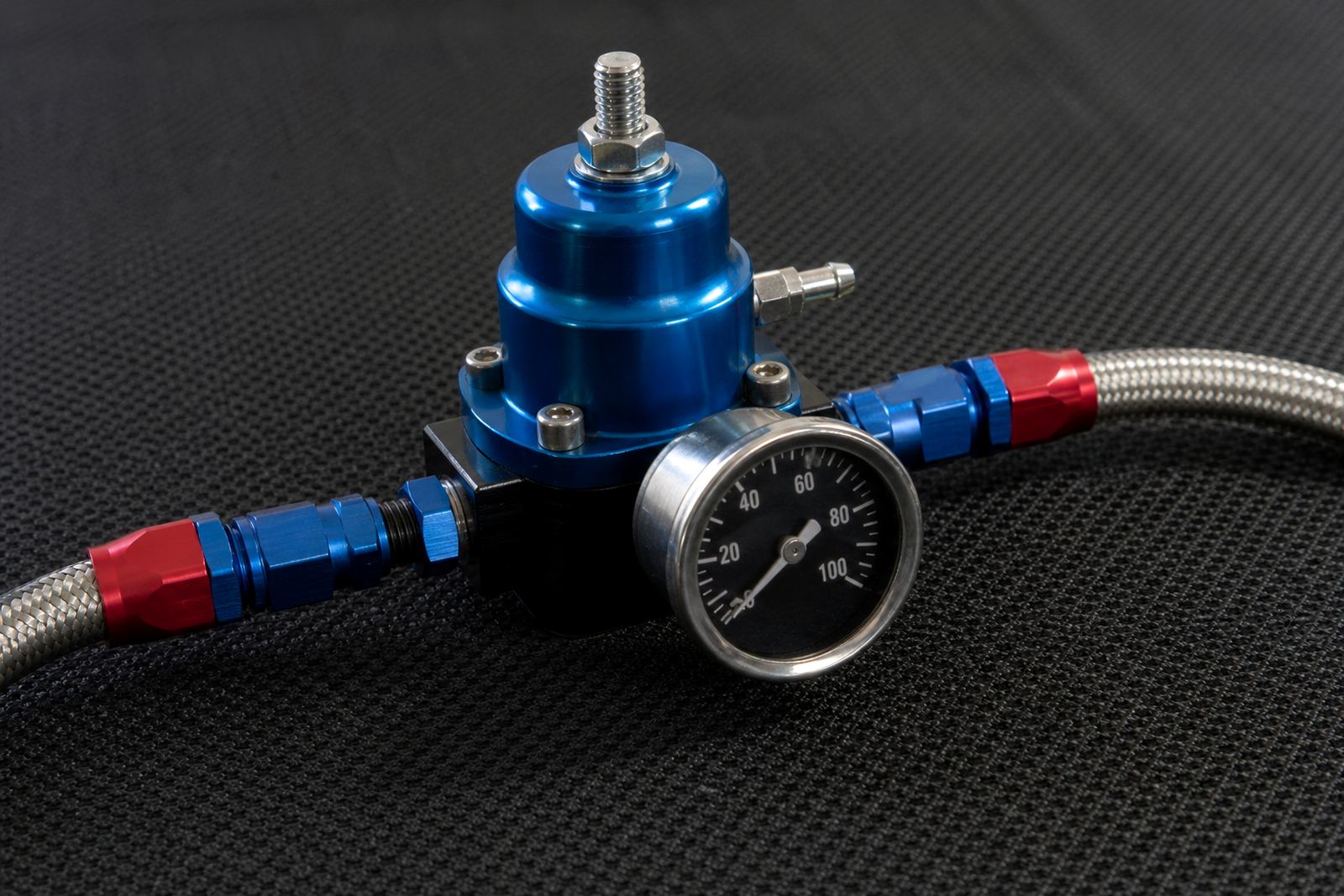
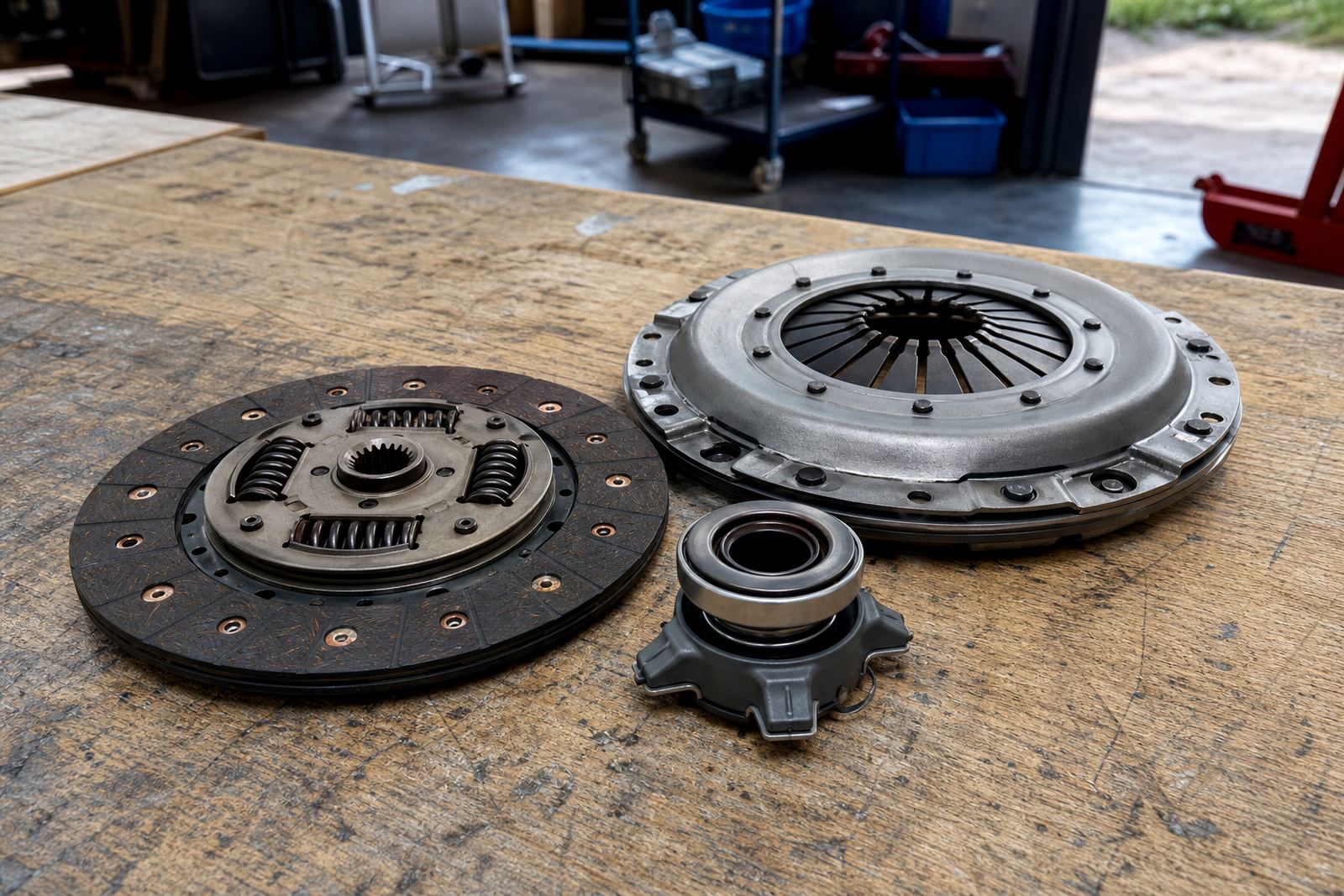
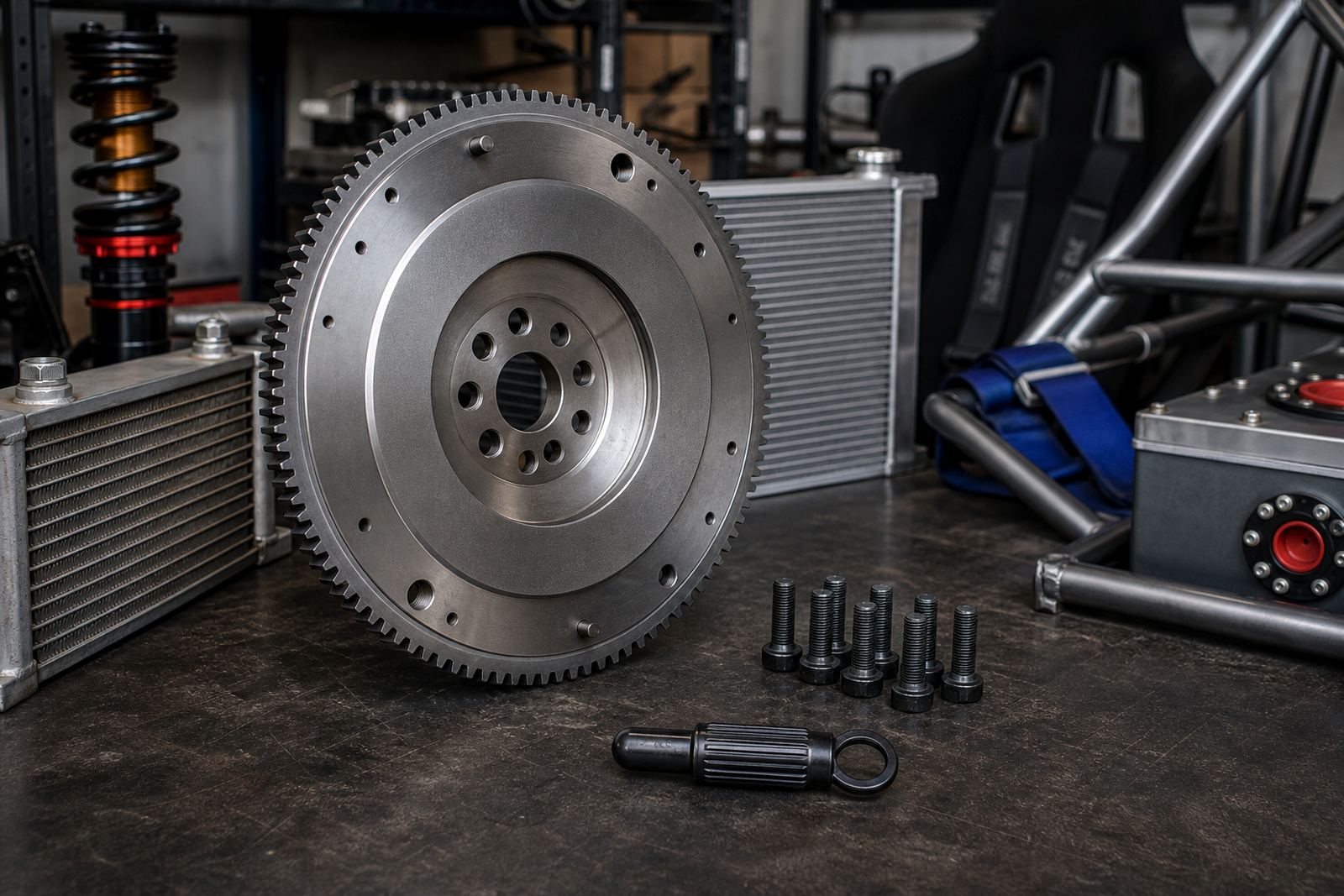
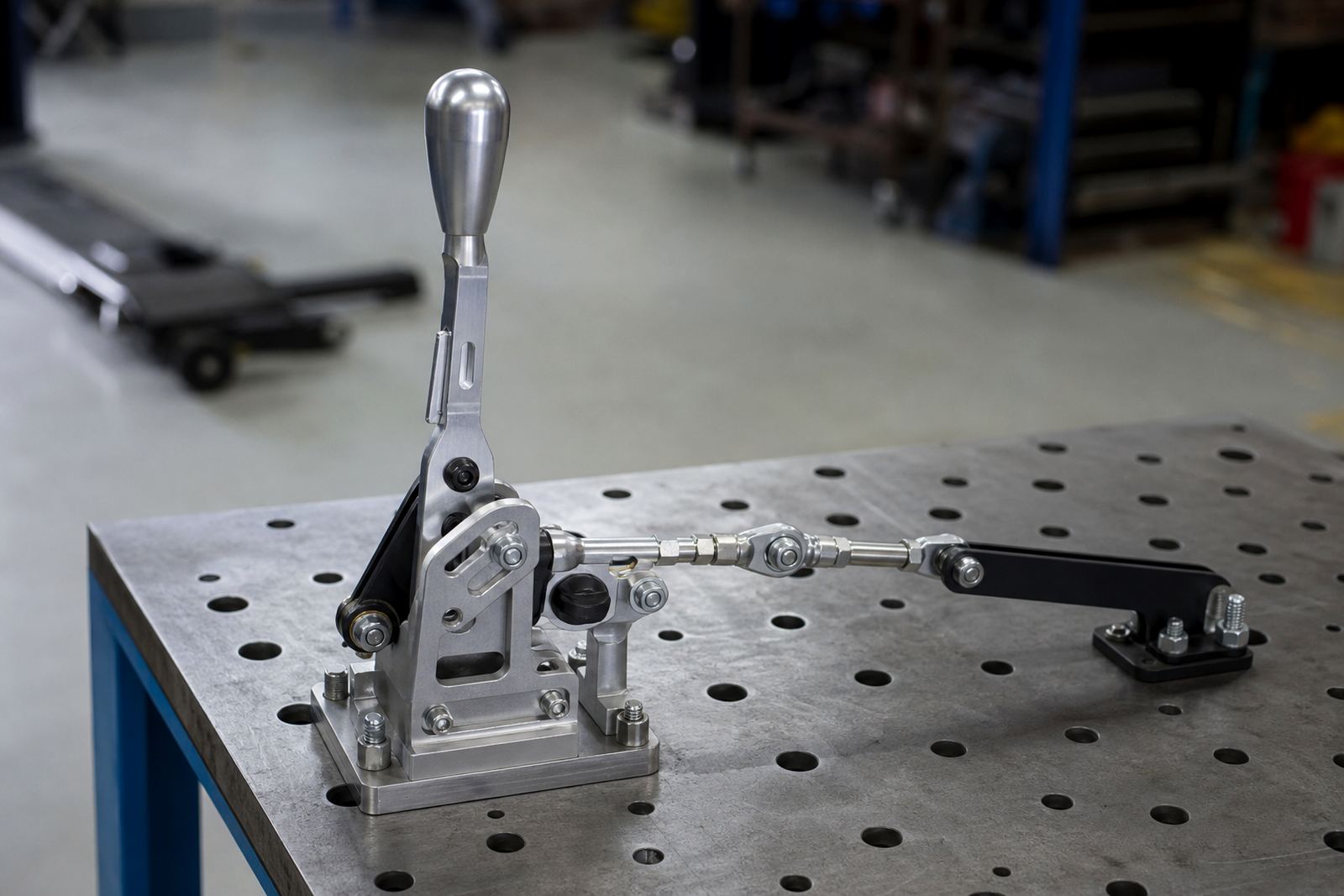
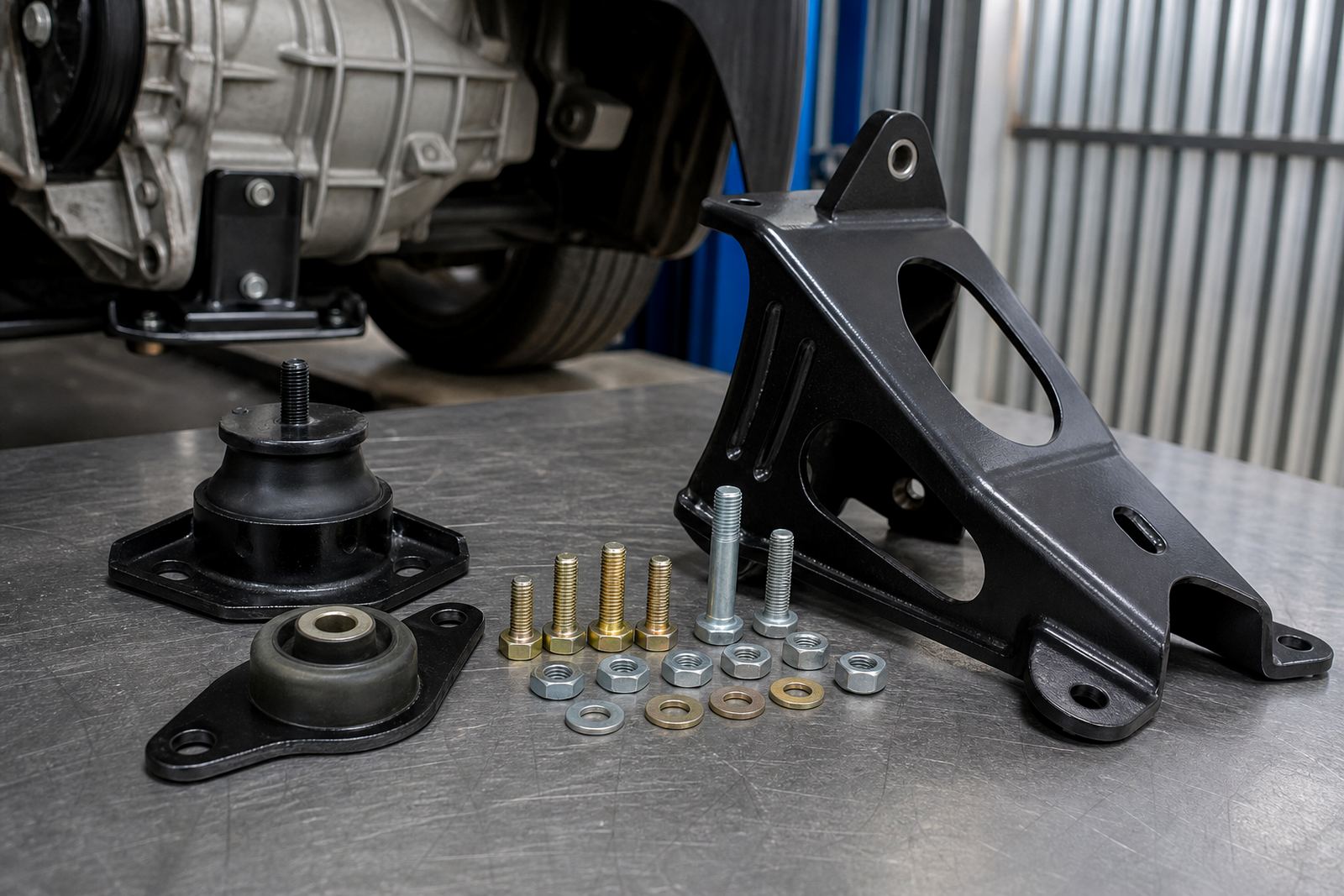
Clutches, shift parts and fuel system hardware see more stress once the car is driven hard and often. A clutch needs to suit the torque level and the way the car launches or changes gear, while the shift setup should let the driver move cleanly without vague travel or missed changes. Fuel system parts must keep delivery steady under cornering, braking and uneven fuel levels in the tank.
These parts are usually chosen together, because one weak link can undo the rest of the build. A clean fuel layout and a sensible clutch choice make the car easier to drive, easier to service and less likely to surprise the crew at the wrong moment.
Getting the right mix for your class and venue
Track, rally and club racing each put different demands on the same car, so the parts list should reflect that reality. A setup that feels quick in one place can be tiring or uneven somewhere else. That is why the conversation usually starts with how the car is used, which events it sees and what the driver wants to improve first.
RaceHouse works from Midrand and supplies drivers across Johannesburg, Pretoria, Kyalami, Centurion, Durban, Cape Town and Port Elizabeth. Drivers can use our contact form when they need parts, fitting advice or a setup day arranged around the car's needs. The details matter, and the right combination of parts saves time when the car is due for a session, not just when it is parked in the workshop.