

Fluid that stays consistent when the brakes are hot
This brake fluid is chosen for cars that see repeated hard stops, not gentle road use. The main job is to keep the pedal firm when calipers, pads and discs are working hard, so the driver can keep a steady feel into the braking zone. In motorsport, the fluid has to carry heat away from the hydraulic side without boiling early, and that matters on downhill circuits, sprint sessions and rally stages where the brakes are asked to do the same job over and over.
We supply high temperature brake fluid for performance braking systems used on front engined and mid engined cars, hatchbacks, sedans and purpose-built race cars. It suits upgraded brake pads, larger discs and systems that get bled regularly. The right fluid can make a setup feel cleaner at the pedal and more consistent during a long run, especially when the weather is warm or the car is being driven flat out around Kyalami, Midrand and the wider Gauteng circuit scene.
Specs that matter before the bottle goes in
For motorsport, the small print matters as much as the label. The key points are boiling behaviour, fluid type and whether the product matches the braking system already in the car. A driver running track days in Gauteng may want a fluid with a high dry boiling point and a strong wet boiling point too, because moisture builds up in the system over time. That is one reason race cars and fast road cars should not treat brake fluid as a long-life fill item.
- High temperature formulation for repeated hard braking
- Suitable for hydraulic brake systems on performance cars and race cars
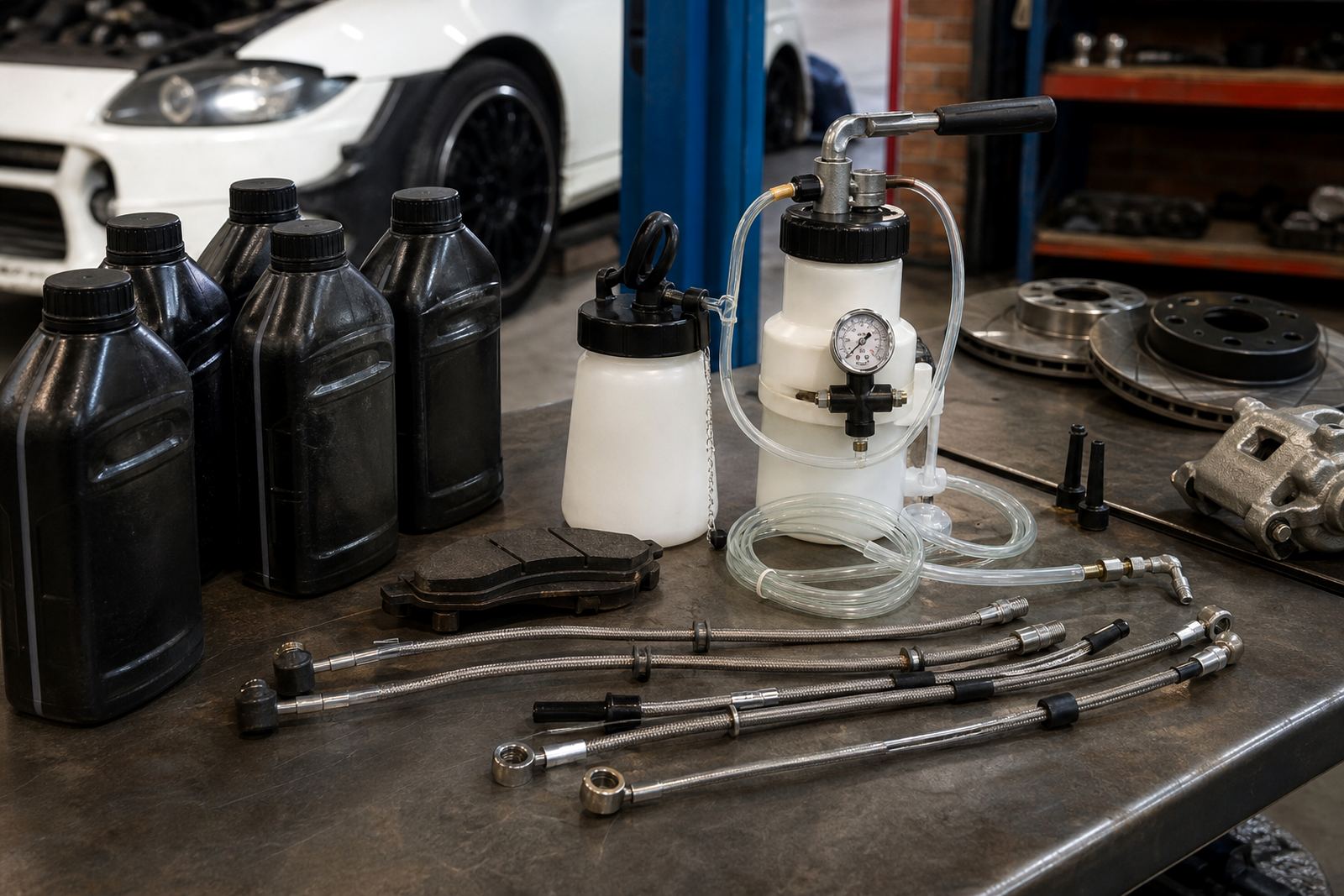
- Commonly supplied in sealed bottles for clean bleeding and topping up
- Available for routine brake service, full flushes and race prep work
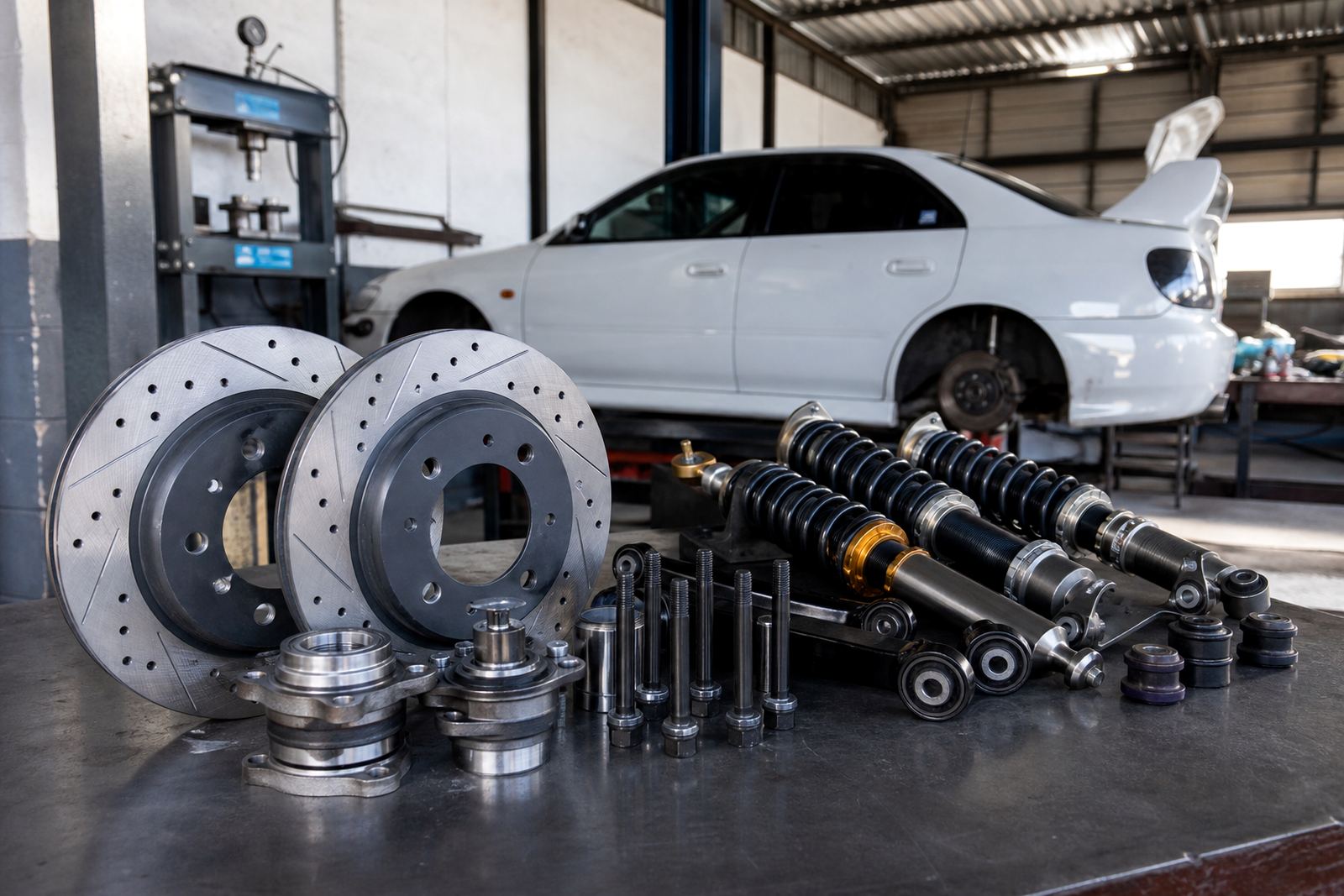
- Works with performance calipers, braided hoses and upgraded pad compounds
- Useful for cars set up for circuit, rally and club racing use
Before a fluid swap, we check how dark and wet the old fluid has become. Dark fluid, moisture contamination and poor pedal feel all point to a proper flush rather than a simple top-up. A good bleed with fresh fluid can make a clear difference to pedal confidence when the car is hot and the driver is leaning on the brakes lap after lap.
Bottle sizes and the way teams buy it
Brake fluid is usually supplied in sealed containers, with size chosen around the job at hand. Smaller bottles work for bleed checks and a single circuit car, while larger packs suit workshops, teams and cars that need a full flush after pad changes or brake line work. The quantity depends on the system layout, whether the car has ABS, and how much old fluid must be pushed out before the pedal feels right.
- Small bottles for top-ups and minor bleed work
- Mid-size packs for one full bleed on most race cars
- Larger quantities for workshop use, fleet prep and multiple cars
- Best stored sealed and upright in a cool, dry place
Some cars with long brake lines, twin master cylinder layouts or extra cooling circuits take more fluid than expected. If a setup has had callipers removed, new hoses fitted or the system opened for maintenance, extra fluid should be allowed for. That saves awkward pauses in the middle of a bleed because the bottle ran short before all the air was out.
Where this brake fluid suits best
This product suits cars that are driven hard enough to heat the brakes properly. That includes circuit cars, time attack builds, rally cars and club racing cars that run repeated stops into tight corners. It is also appropriate for performance cars used for track days where the driver wants a stronger pedal and more heat tolerance than a normal road fluid usually gives.
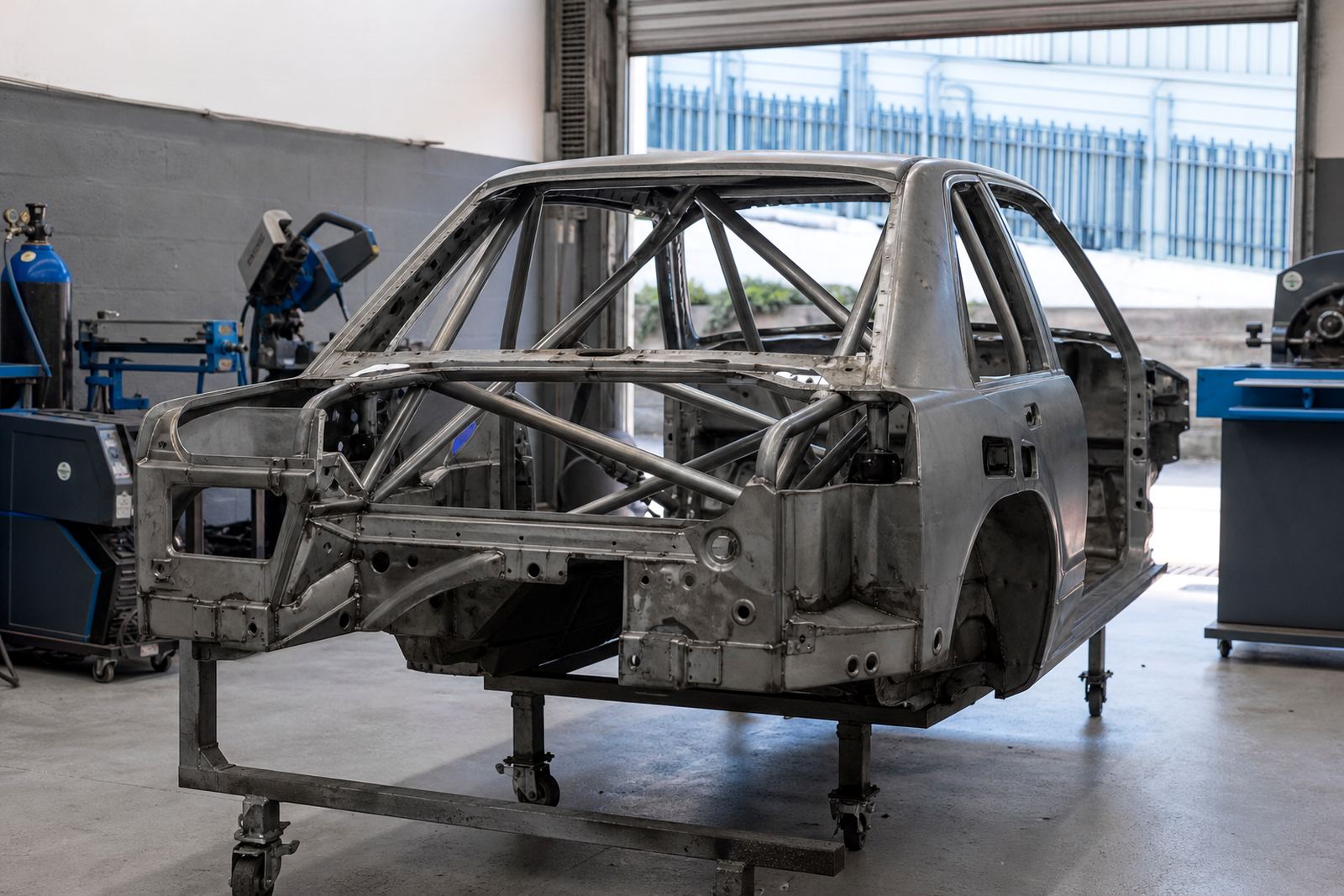
It is not just the venue that matters, but the way the car is used. A light hatchback on sticky tyres, a heavier saloon with bigger brakes, and a stripped track car with a cage and harnesses can all place different demands on the hydraulic side. If the car is used in Durban humidity, the fluid condition should be watched closely because moisture in the system becomes part of the maintenance picture. In Cape Town or Port Elizabeth, long transport stints followed by hard laps can also change how the pedal feels once the car is hot.
- Track days and driver training cars
- Rally cars with frequent heat cycles
- Club racing cars with upgraded brake hardware
- Fast road builds that are used aggressively on closed courses
Bleeding, fitment and workshop care
Brake fluid needs careful handling. The cap should stay clean, the container should not be left open, and the system should be bled with a proper routine so air and old fluid are pushed out fully. When a car comes in for brake upgrade planning, the fluid choice is checked with the pad compound, caliper size and expected heat load. A firmer pedal only happens when the full brake package is working together, not from fluid alone.
On cars that see regular setup days, we also look at pedal travel, master cylinder feel and the condition of seals and lines. A soft or inconsistent pedal can come from old fluid, but it can also point to trapped air, worn flexible hoses or a system that was not bled in the right order. Fresh brake fluid should never be treated as a quick pour-in item if the car has seen serious track use.
- Always use fresh sealed fluid for bleeding and top-up work
- Keep the reservoir area clean while opening the system
- Check for any leaks at calipers, hoses and unions
- Bleed again after major brake changes or heavy track use
Confirm these details before ordering
For the right bottle, confirm the brake system type, the planned use and how much fluid the car normally takes during a full bleed. It also helps to note whether the car uses ABS, a race bias setup or aftermarket master cylinders. If you are buying for a workshop or a full car build, the number of cars and the expected service interval matter too.
We also need to know whether the car is being prepared for circuit work, rally stages or club racing, because that affects how hard the fluid will be worked. If the car has already been fitted with bigger brakes, fresh hoses or altered pedal ratios, those details help with the fluid choice. To order, tell us the car, how it is used and what brake hardware is on it now.
- Car make, model and year
- Brake hardware fitted, including caliper and hose changes
- Type of use, such as track, rally or club racing
- Approximate amount needed for the bleed or top-up
- Any recent brake work that may have opened the system
Key facts
| Product type | High temperature brake fluid for motorsport braking systems |
|---|---|
| Use case | Track, rally and club racing cars |
| Performance focus | Repeated hard braking with steady pedal feel |
| Packing options | Sealed bottles in small, medium and larger trade quantities |
| Service fit | Brake bleeding, full flushes and brake upgrade work |
| Base | Midrand, Gauteng with supply across South Africa |