



Parts Need a Setting, Not Just a Purchase
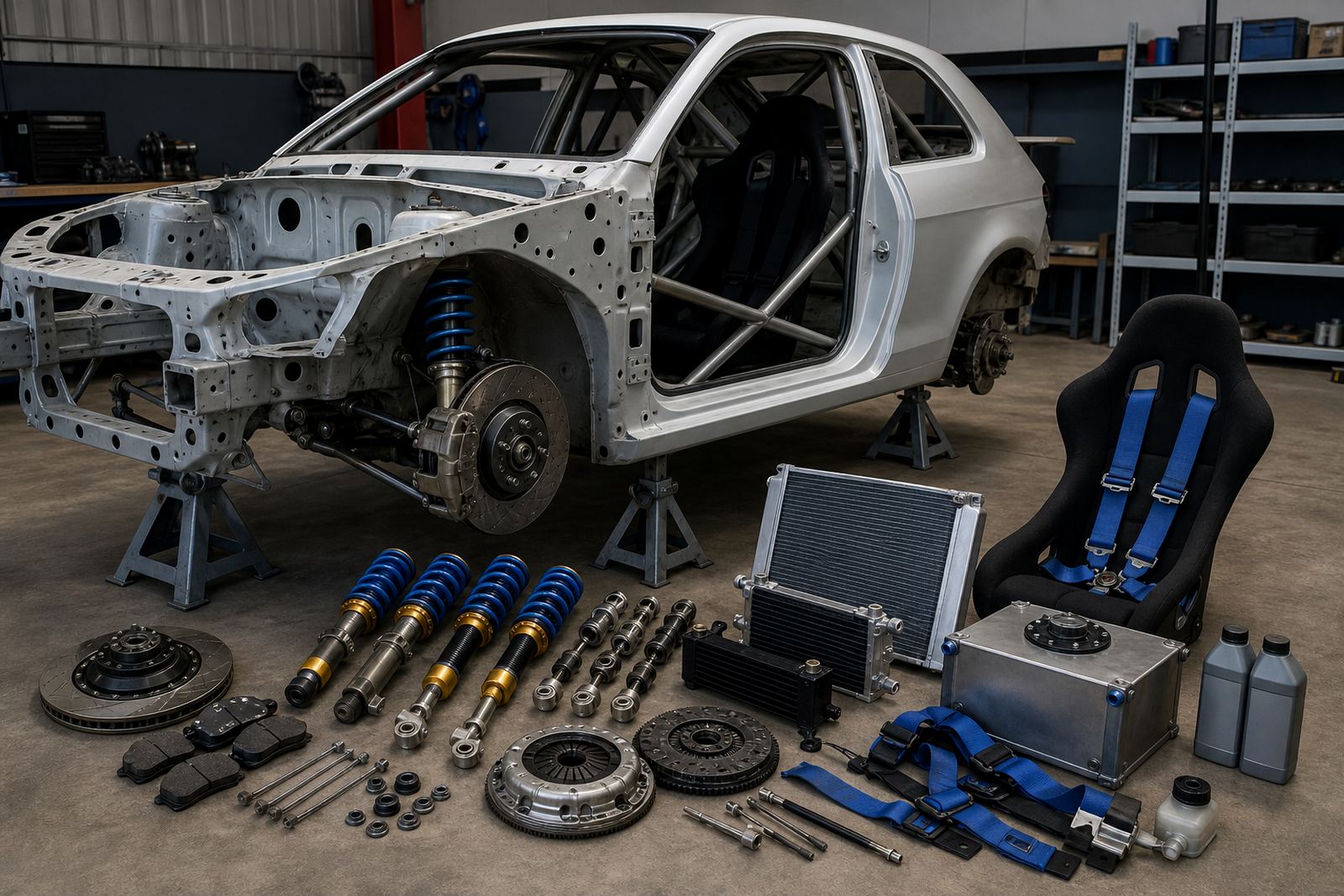
A set of brake pads, coilovers or a fuel system layout only works properly when the rest of the car is matched to it. A fast road car, a club racer and a rally car all ask for different clearances, spring rates, pedal feel and heat control, so the starting point is always the same: look at the whole car, then set the part to the job.
RaceHouse supports fitting advice in Midrand for drivers across Gauteng and farther afield, including Johannesburg, Pretoria, Kyalami, Durban and Cape Town. That helps most when the car is already built and the next step is unclear.
Brake Work That Matches the Circuit
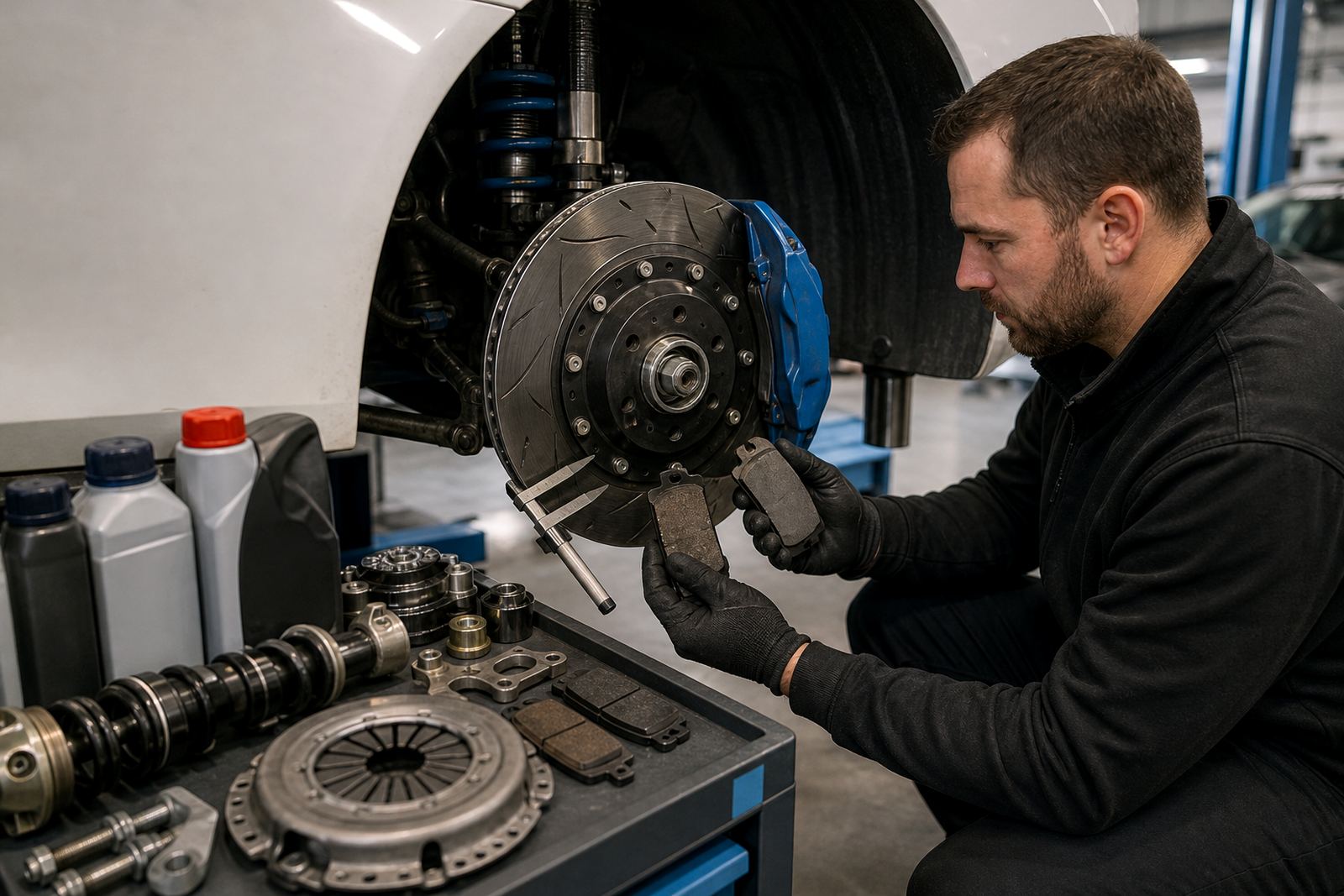
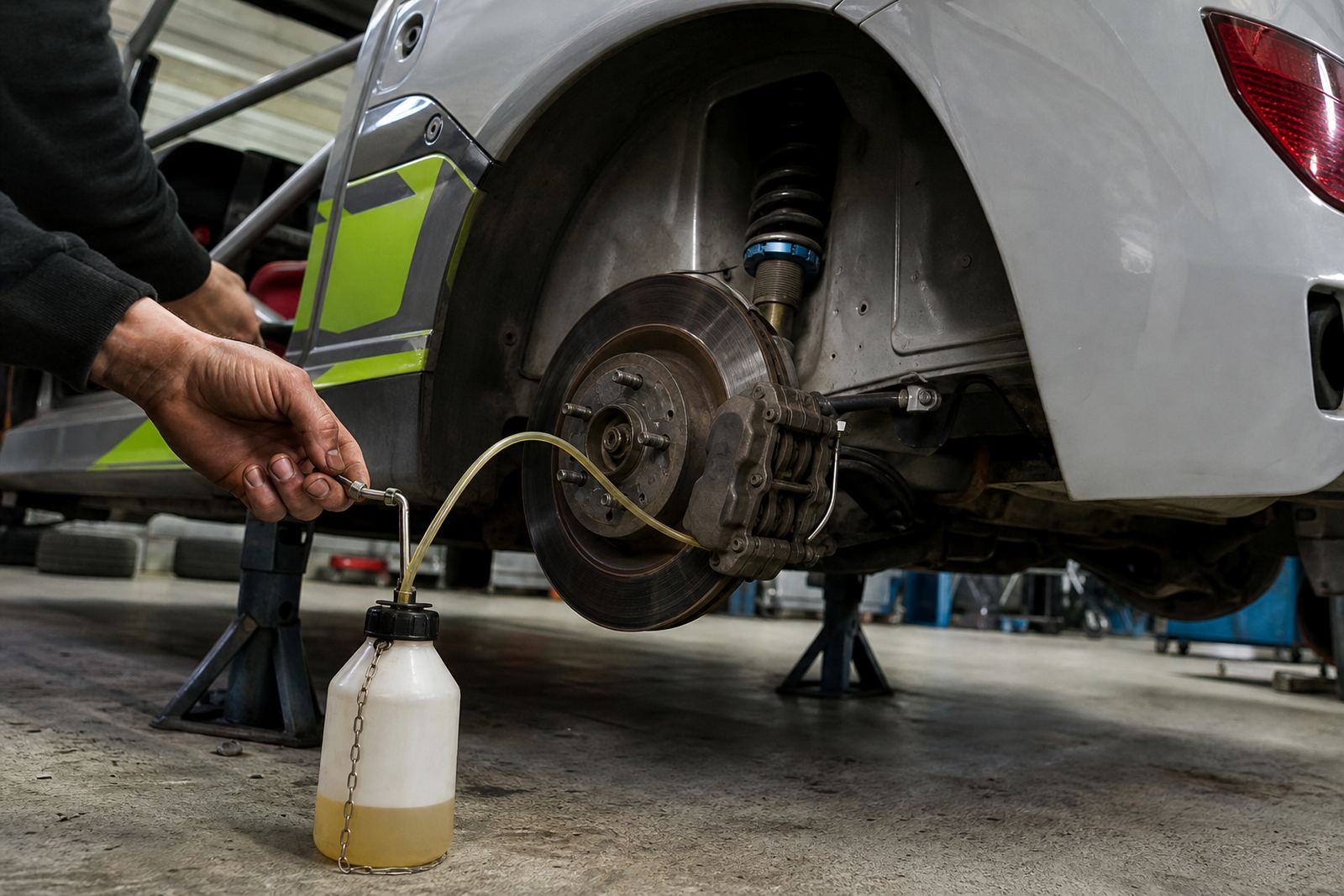
Brake Upgrade Planning and Brake Bleeding sit near the top of the list for many cars used on track or in timed events. Pad compound, fluid choice and line condition all affect pedal feel, and brake balance changes once the car starts working hard. A setup that feels fine on the road can turn soft after a few hard laps if the system is not matched to the use.
- Brake pads and fluid for heat load and pedal consistency
- Bleeding checks after new parts or line changes
- Advice on bias, bite and drivability for mixed road and track use
Suspension, Geometry and the Way the Car Sits
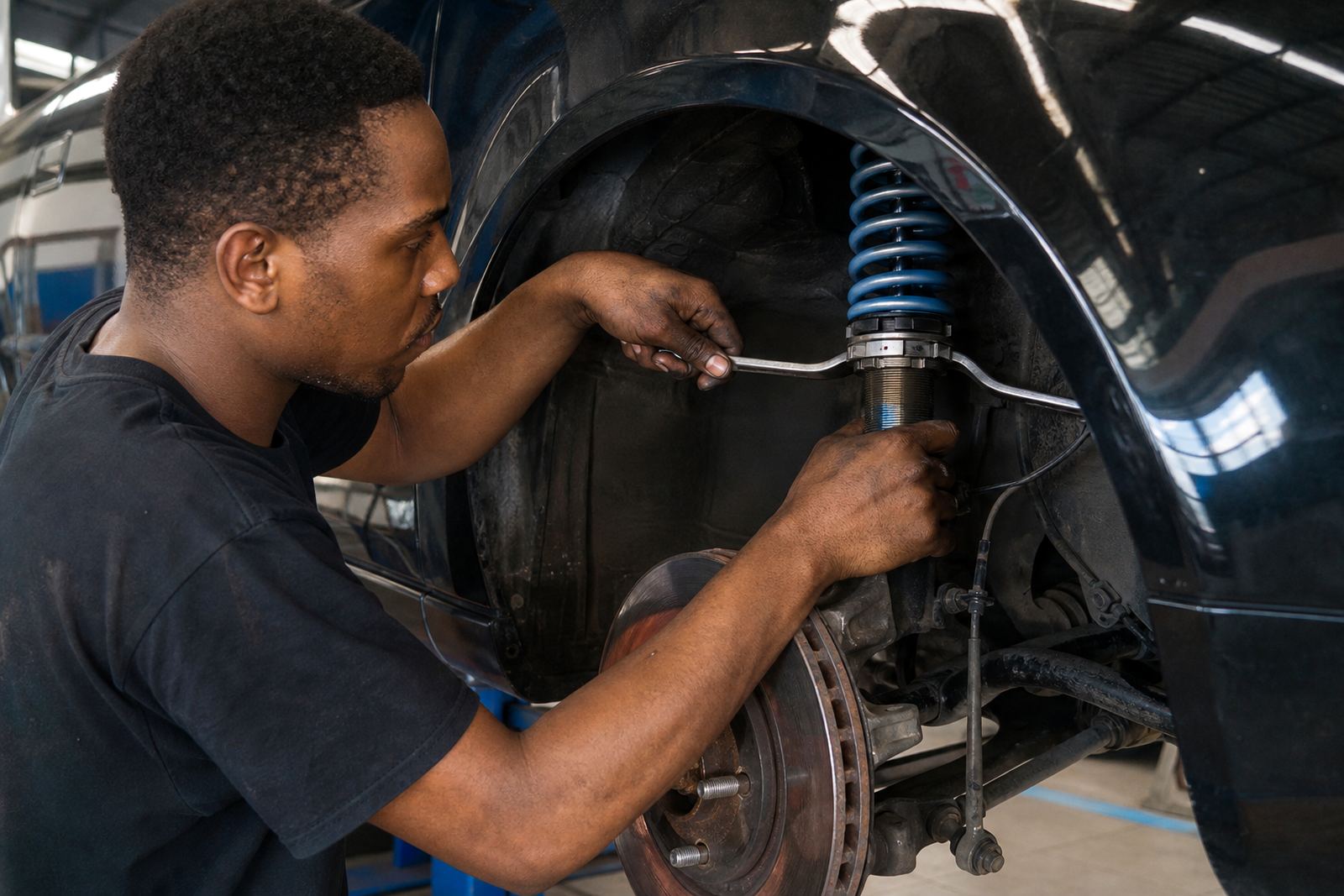
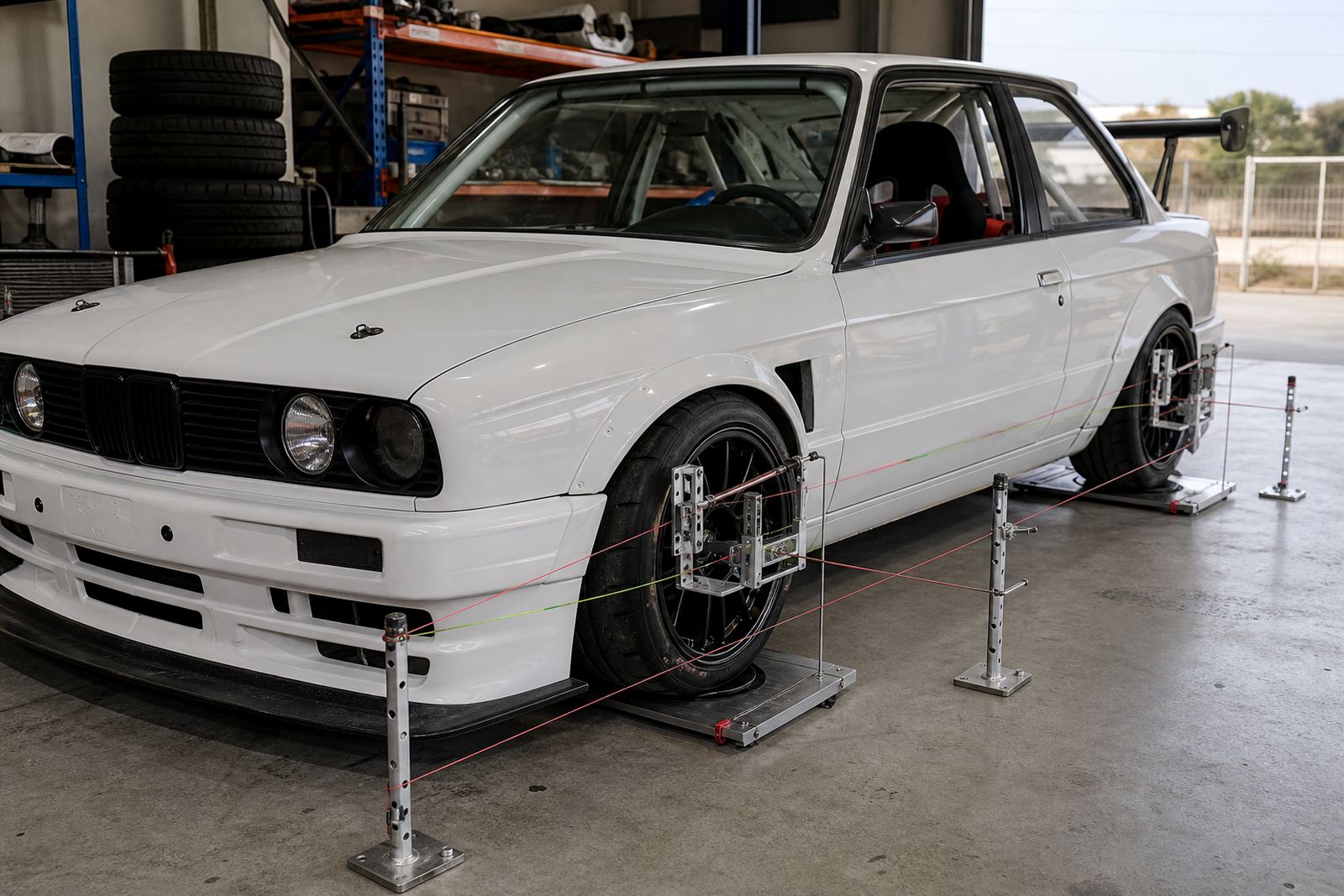
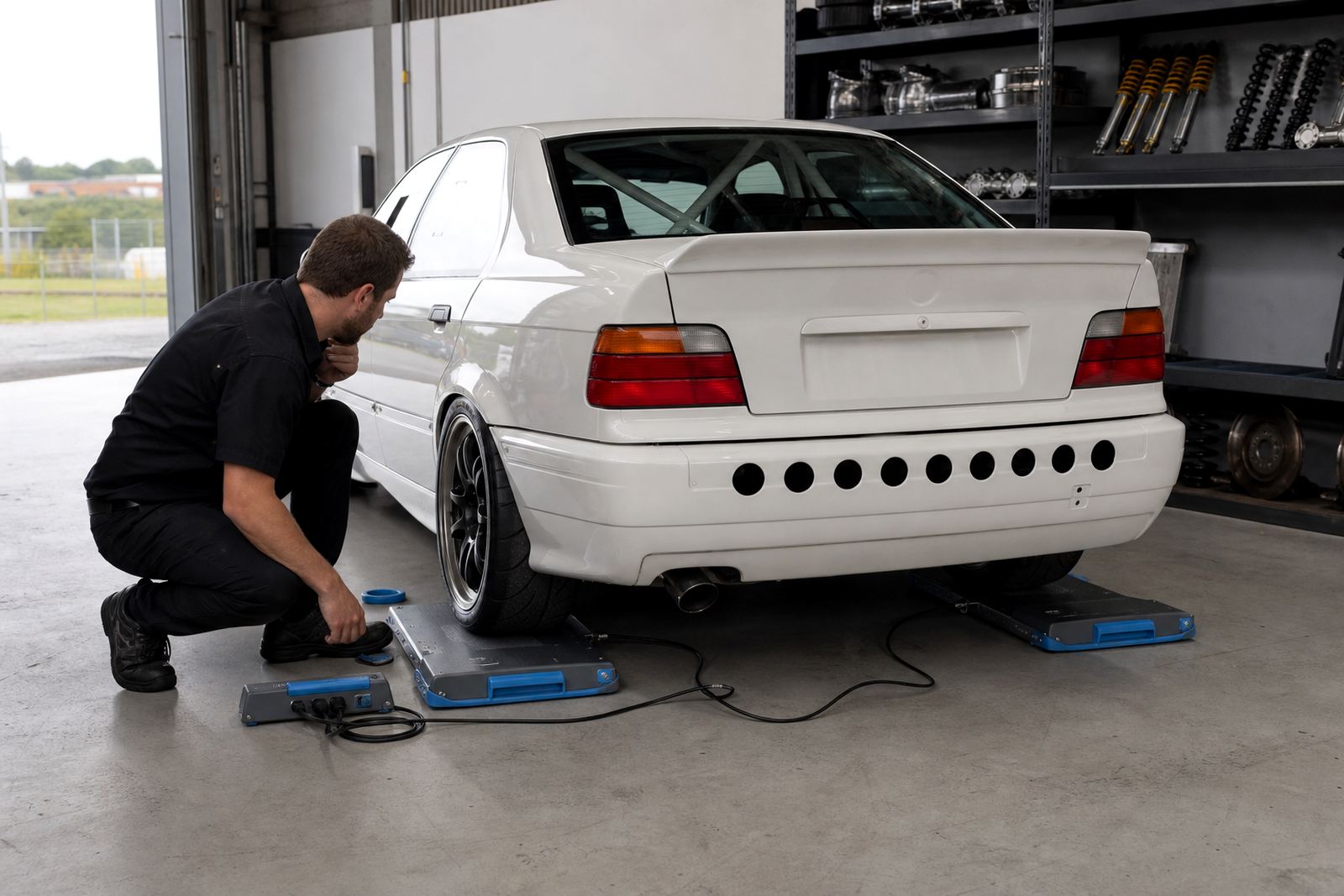
Coilover Setup, Alignment Checks and Corner Weighting are where the car starts to feel settled. Dropping the car lower settles very little by itself. Spring choice, damper setting, bush condition and tyre wear all play into how the car turns in and how it puts power down out of slower corners. A car that sits level in the workshop may still be cross-weighted wrong once the driver is in the seat.
For some cars, small changes to bushes or top mounts make a bigger difference than chasing very stiff settings. For others, the right ride height and a sensible alignment setting are enough to clean up the handling without making the car harsh over kerbs or rougher surfaces.
Cooling Systems for Hard Laps and Hot Days
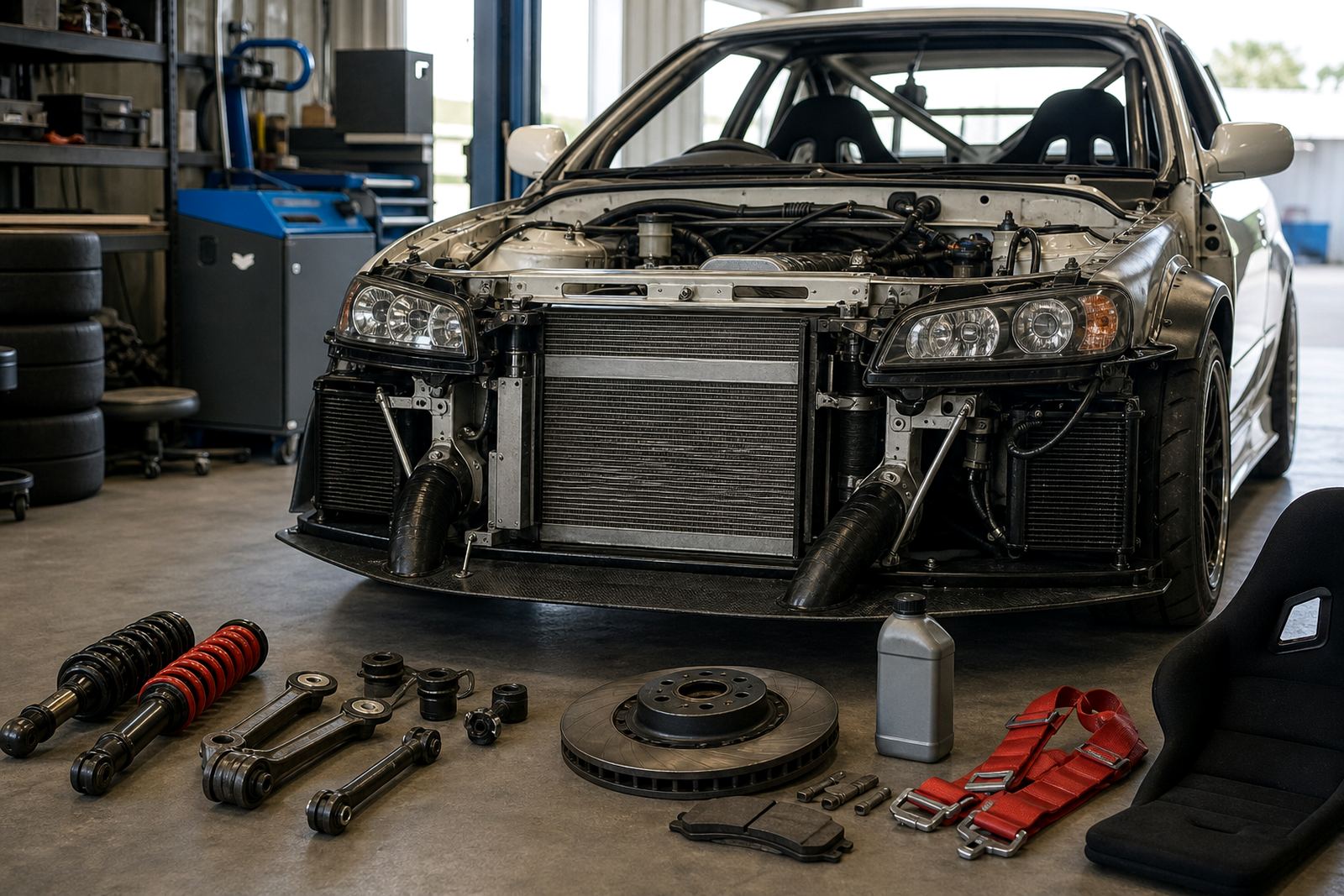
Cooling System Checks are worth proper attention on track cars, turbo builds and any machine that sees long pulls in warm weather. Radiators, oil coolers, hoses and ducting need to work as one package. A good part fitted badly can still run hot, especially if airflow is blocked or the lines are routed in a way that traps air.
Midrand and the inland belt can be hard on cooling systems in summer, while coastal humidity and heat bring their own strain during events further down the country. That makes it worth checking the full route from front opening to engine bay and back out again.
Seats, Harnesses and Roll Cage Clearance
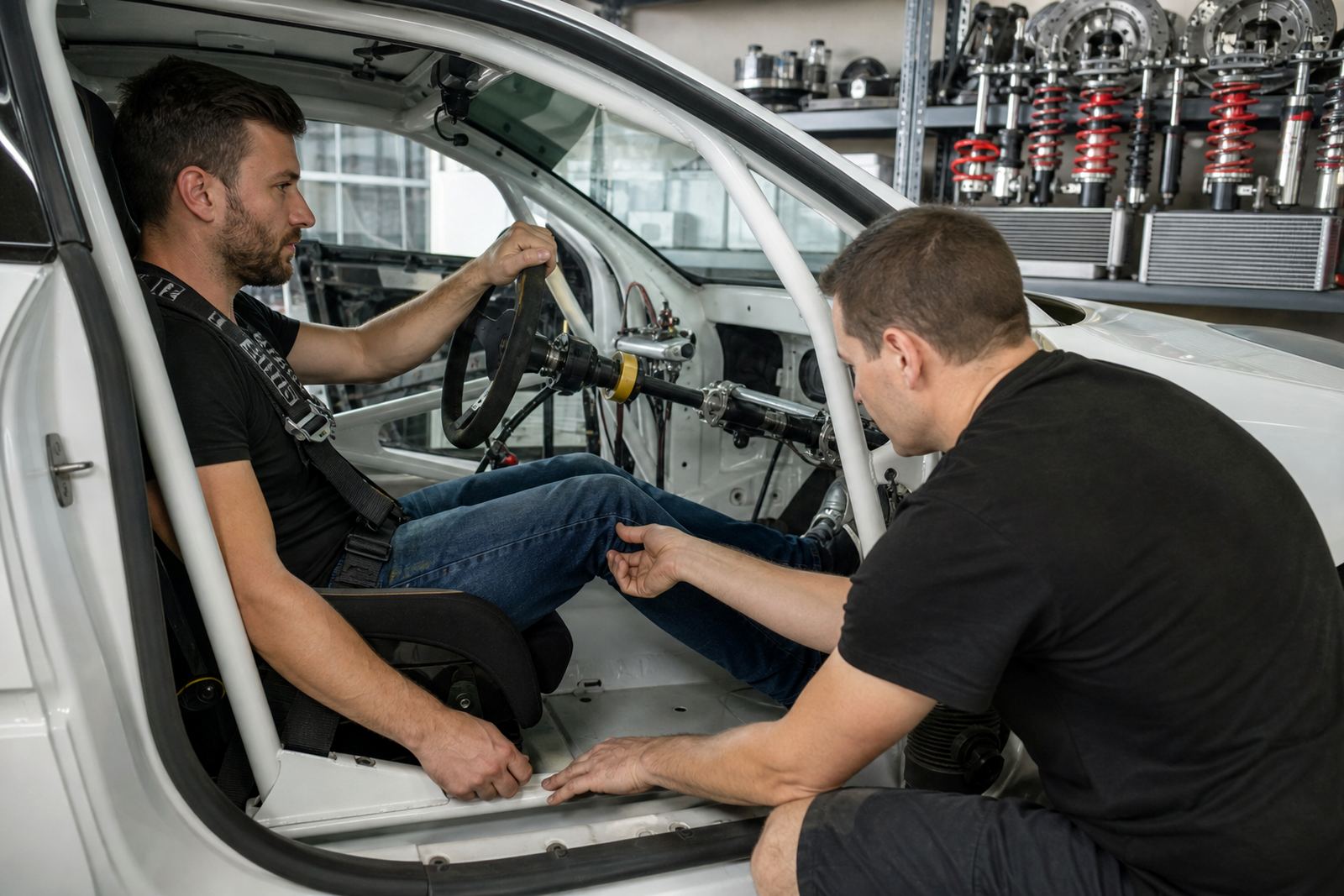
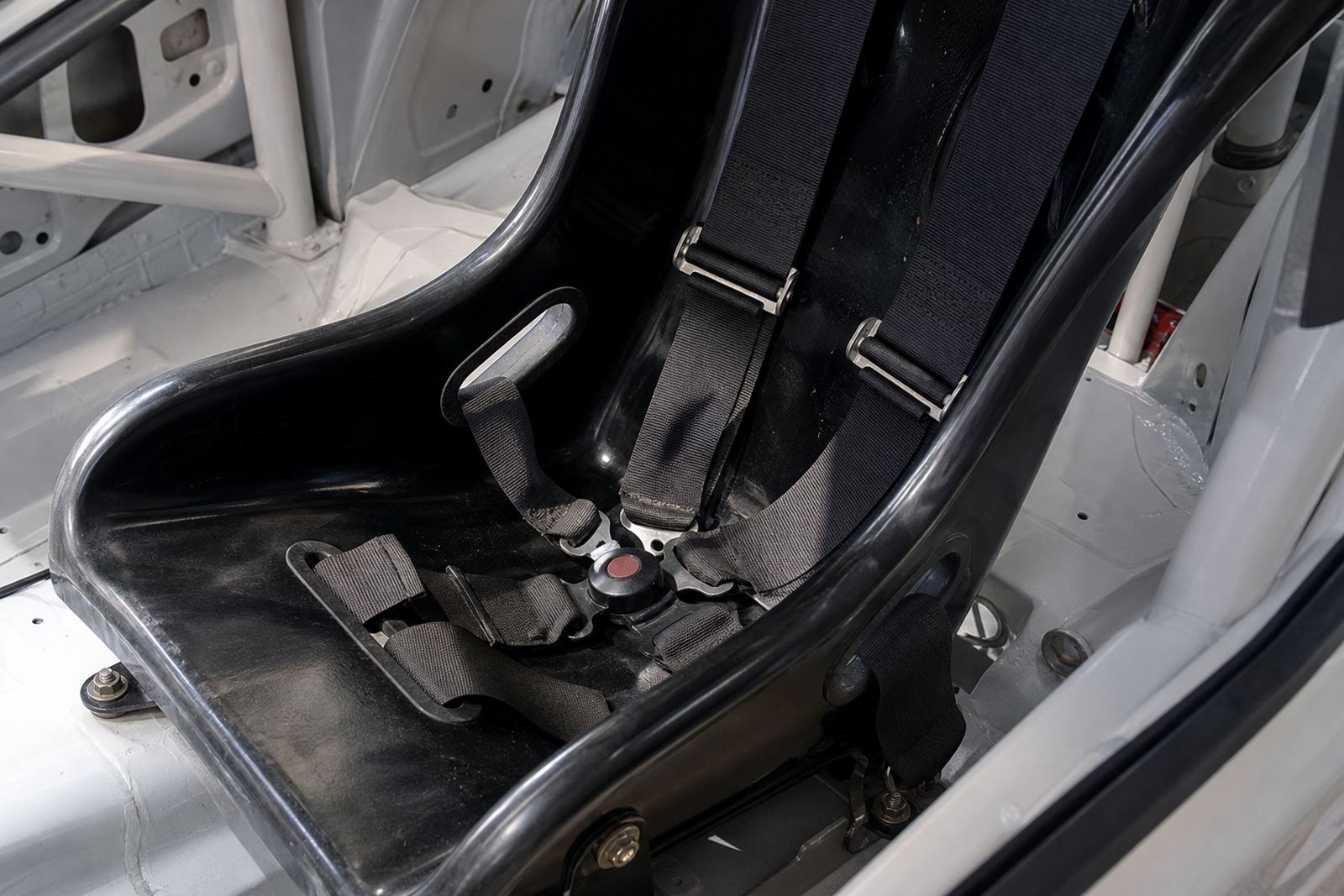
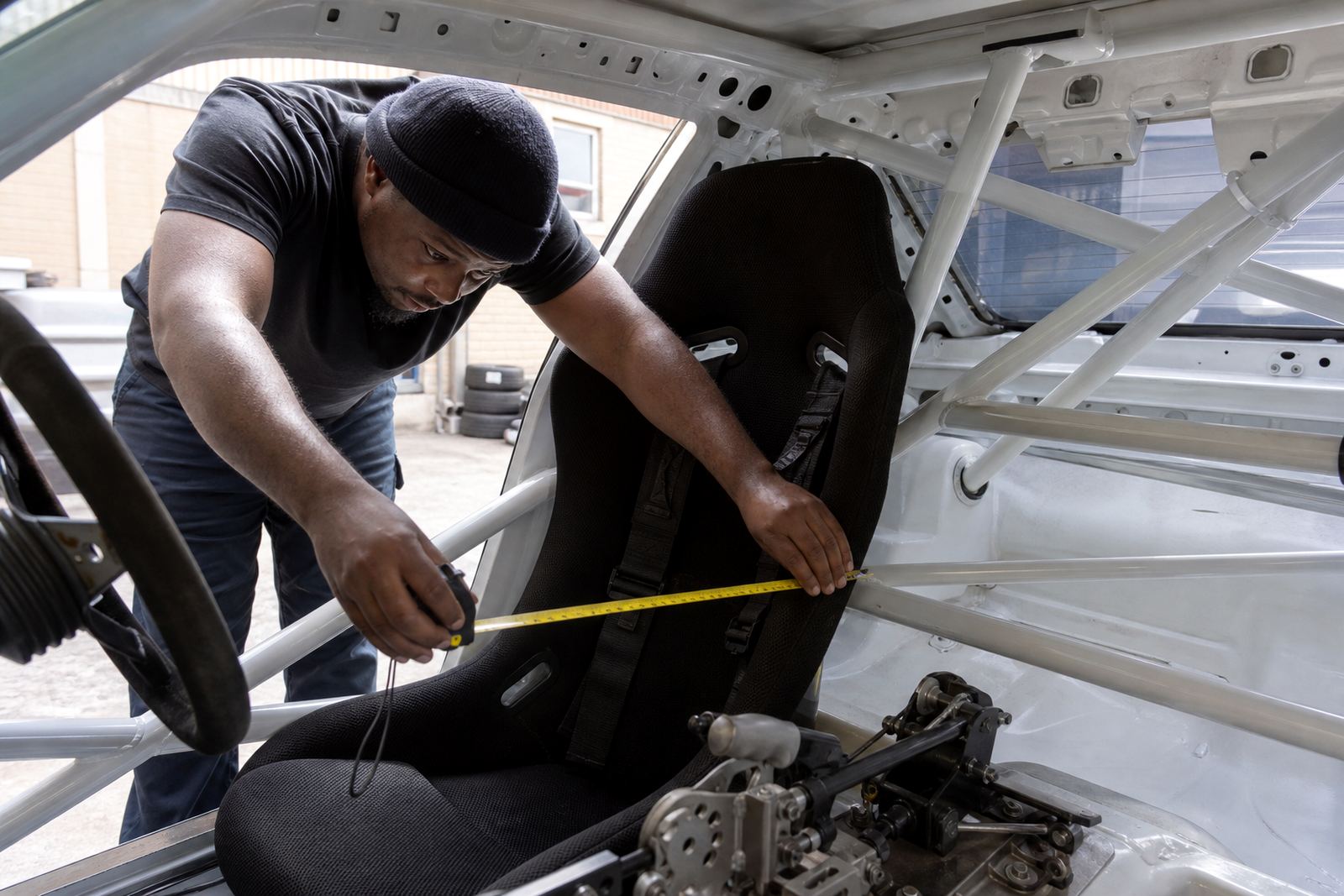
Safety gear needs proper positioning, not just bolting in a seat and hoping for the best. Seat Positioning, Harness Fitment Checks and Roll Cage Fit Advice all affect the way the driver sits, moves and braces under load. If the driving position is wrong, the rest of the car feels harder to read and the driver tires sooner.
- Seat position set around reach, vision and shoulder support
- Harness angles checked against the seat and mounting points
- Roll cage clearance reviewed where helmet, bars and padding meet
This is especially important on cars that run more than one duty, such as club racing on one weekend and road use in between.
Fuel, Clutch and Shift Details That Change Lap Time
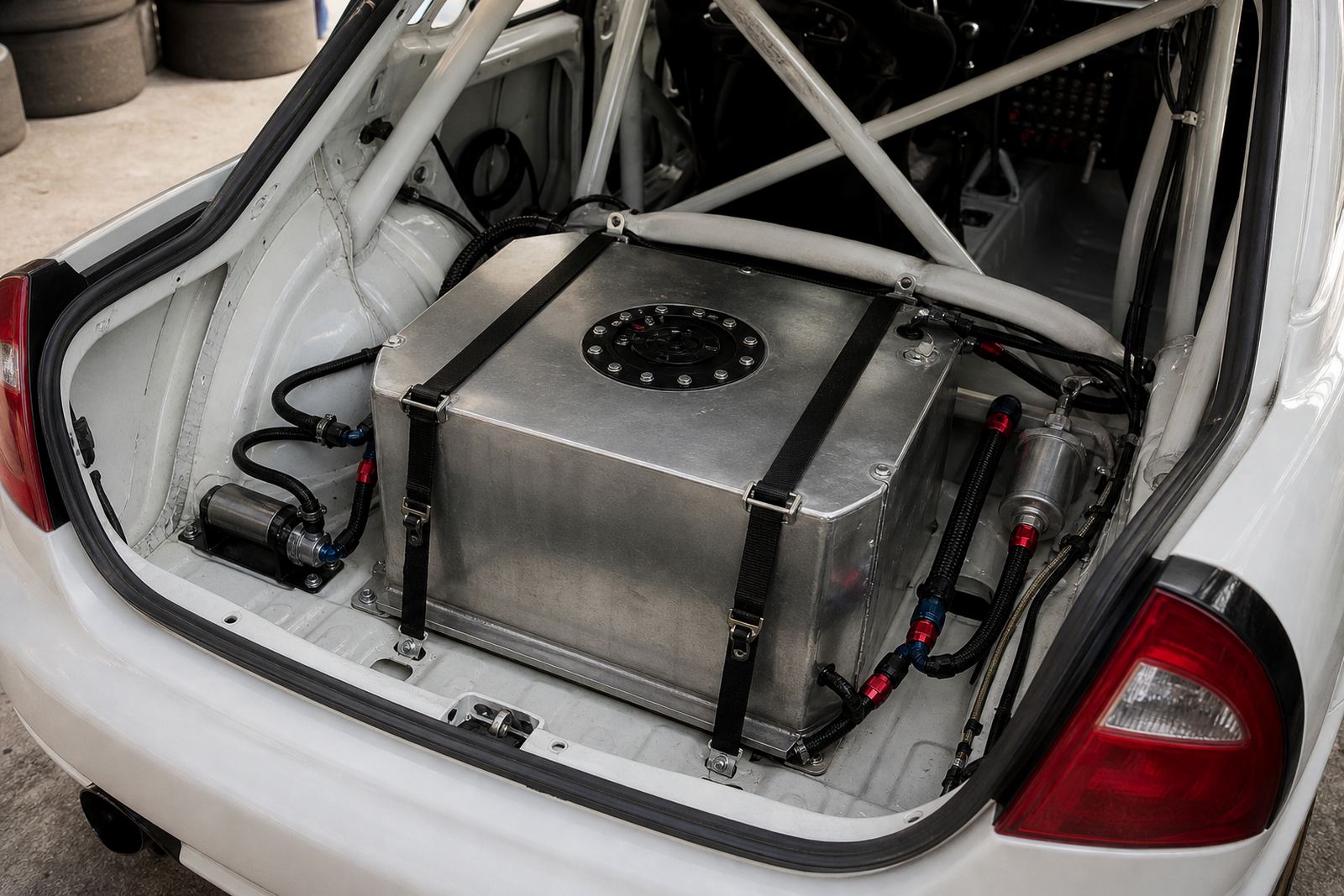
Fuel System Layout and Clutch And Shift Setup are often overlooked until the car starts showing fuel surge, awkward pedal feel or missed shifts. A fuel cell, lines and pickup must suit the car’s shape and use, while the clutch needs to match the engine torque and the way the driver launches and changes gear. The shifter should feel direct, with no slop from worn parts or poor routing.
These are the kinds of details that make a car feel sorted rather than patched together. If the rest of the build is sound, small changes here can make the whole car easier to live with on a race weekend.
Track Setup Days With Real Hands On Checks
Track Setup Days are for cars that need more than parts on a shelf and notes on a page. The team works through fitment, checks, measurements and adjustments with the car in front of them, which helps when a build has drifted from the original plan or picked up wear over time.
- Review the car’s current setup before changing parts
- Check what needs adjustment before the next event
- Set the car up for the events it really does
That approach suits drivers who want practical support around motorsport parts and performance upgrades. It keeps the focus on fitting, balance and use, which is where a race car earns its speed.