

What our corner weighting session covers
We start with a full discussion of the car, the tyre size, spring rates, driver weight and the class rules that shape the setup. The aim is to set ride heights, cross weight and platform balance so the car behaves the same way left to right under load.
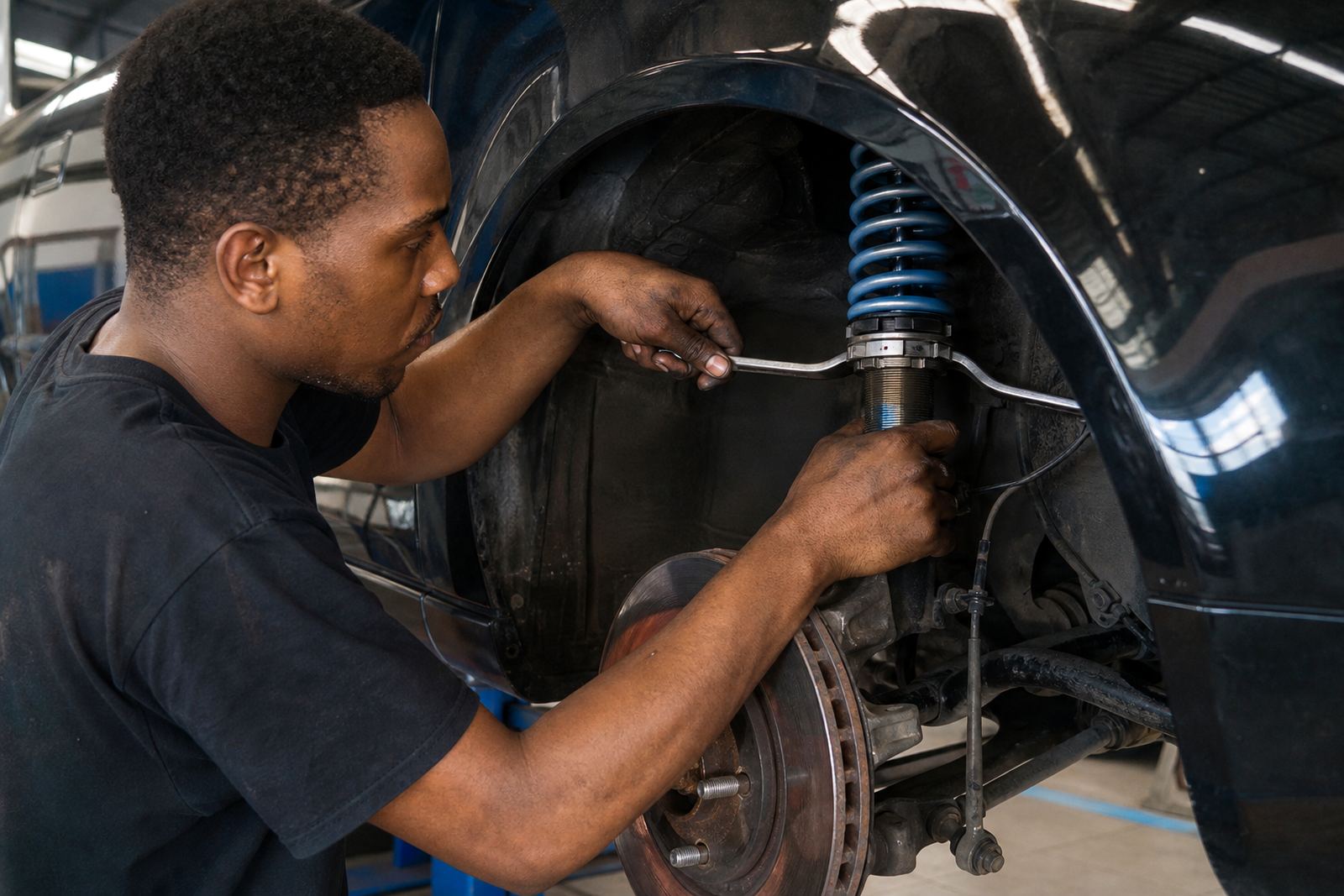
A proper session can include coilover checks, spring seat changes, perch height adjustment, tyre pressure notes and a look at how the suspension settles after each change. If the car uses spacers, adjustable arms or camber plates, we check those settings as part of the process.
- Ride height measured at all four corners
- Cross weight checked with the driver in the car where needed
- Tyre pressures noted before and after adjustment
- Suspension hardware inspected for play or binding
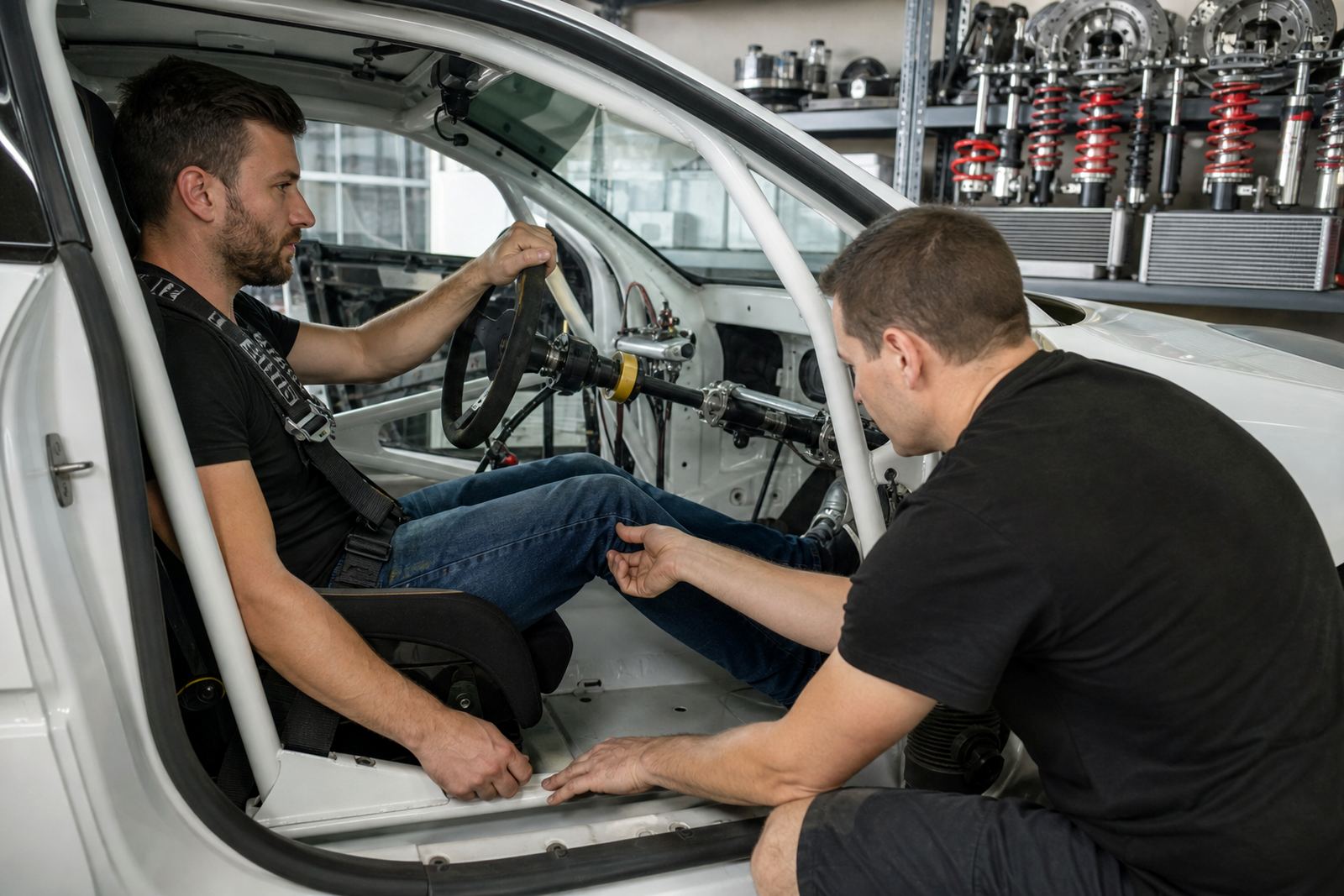
- Steering wheel and seat position checked for repeatable driving posture
The balance checks we use on the scales
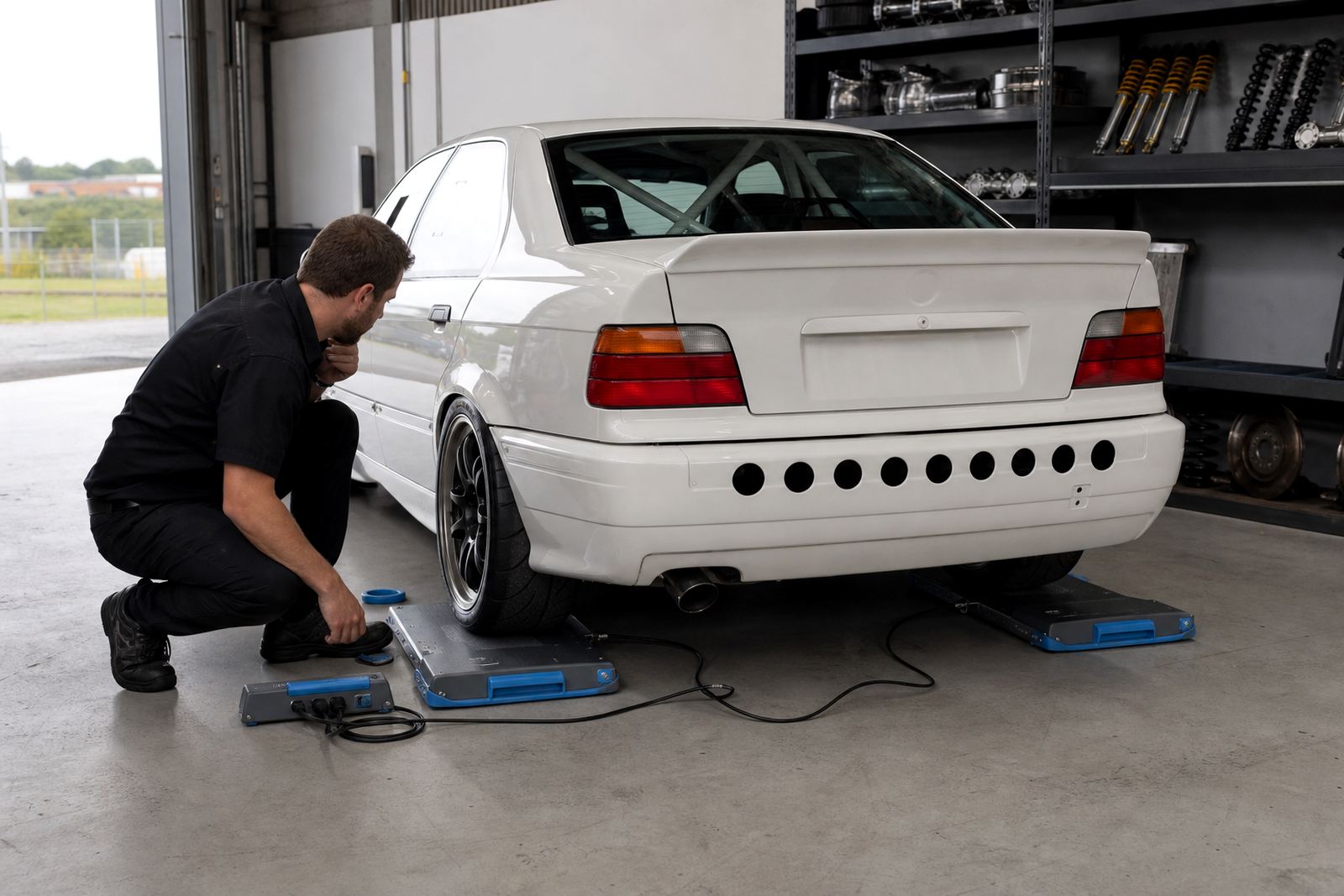
Everything in the session comes off the four scale pads. We read each wheel, then compare the diagonal pairs so the car does not hang heavy on one corner when it should sit neutral.
For track, rally and club cars, the target is usually a more even load transfer under braking and turn-in, with enough preload and ride height control to keep the platform settled. If the car is nose heavy or has an awkward driver position, the numbers usually show it straight away.
- Front left, front right, rear left and rear right wheel loads
- Cross weight as a percentage of total vehicle mass
- Front and rear axle split for balance planning
- Static ride heights and corner-to-corner differences
- Suspension travel notes where bump stops or droop are a factor
How the process runs in the workshop
We begin with a visual inspection, then set the car on a level surface and record the starting figures. After that, the workshop team makes measured changes in small steps, because one large move can hide the real effect of the adjustment.
Johan and Morne handle the workshop side of the setup work, while Lerato checks the technical direction of the build. Where needed, we align the steering angle and recheck the car after every change so the final numbers make sense on track, not only on paper.
- Initial inspection and ride-height record
- Scale placement and baseline readings
- Adjustment of spring perches, preload and platform height
- Repeat weighing after each change
- Final notes for the driver and workshop record
What this helps with on track and stage
A well-balanced car feels calmer when the driver hits the brake pedal and more predictable when turning into a corner. That matters on slick tarmac, rougher rally roads and club circuits where the chassis has to settle quickly after a direction change.
Good corner weight distribution can also help with tyre wear patterns, confidence on the initial turn-in and traction as the car comes off the apex. It will not fix worn bushes, bent suspension parts or tired dampers, but it gives the rest of the setup a fair base to work from.
- More even load across the tyres under braking
- Cleaner response when the driver changes direction
- Better use of available grip on the inside and outside tyres
- Less guesswork when chasing a handling complaint
- Useful baseline before alignment or damper changes
Turnaround, booking and pricing approach
Corner weighting is usually done as part of a booked setup session at our Midrand base, with enough time allowed to measure, adjust and recheck the car properly. Some cars need a short session, others need extra time if suspension parts, seat position or driver mass need to be accounted for.
Pricing is based on the car, the amount of adjustment required and whether the session is linked to a full track setup day or a separate workshop visit. We price the job on the real work involved, not a flat estimate that ignores the car's condition or class rules.
Aftercare notes for the next outing
After the session, we give the driver the measured figures and practical notes on how the car should be checked before the next run. If the car uses a different driver, a different fuel load or a changed tyre package, the balance can shift and the setup may need another look.
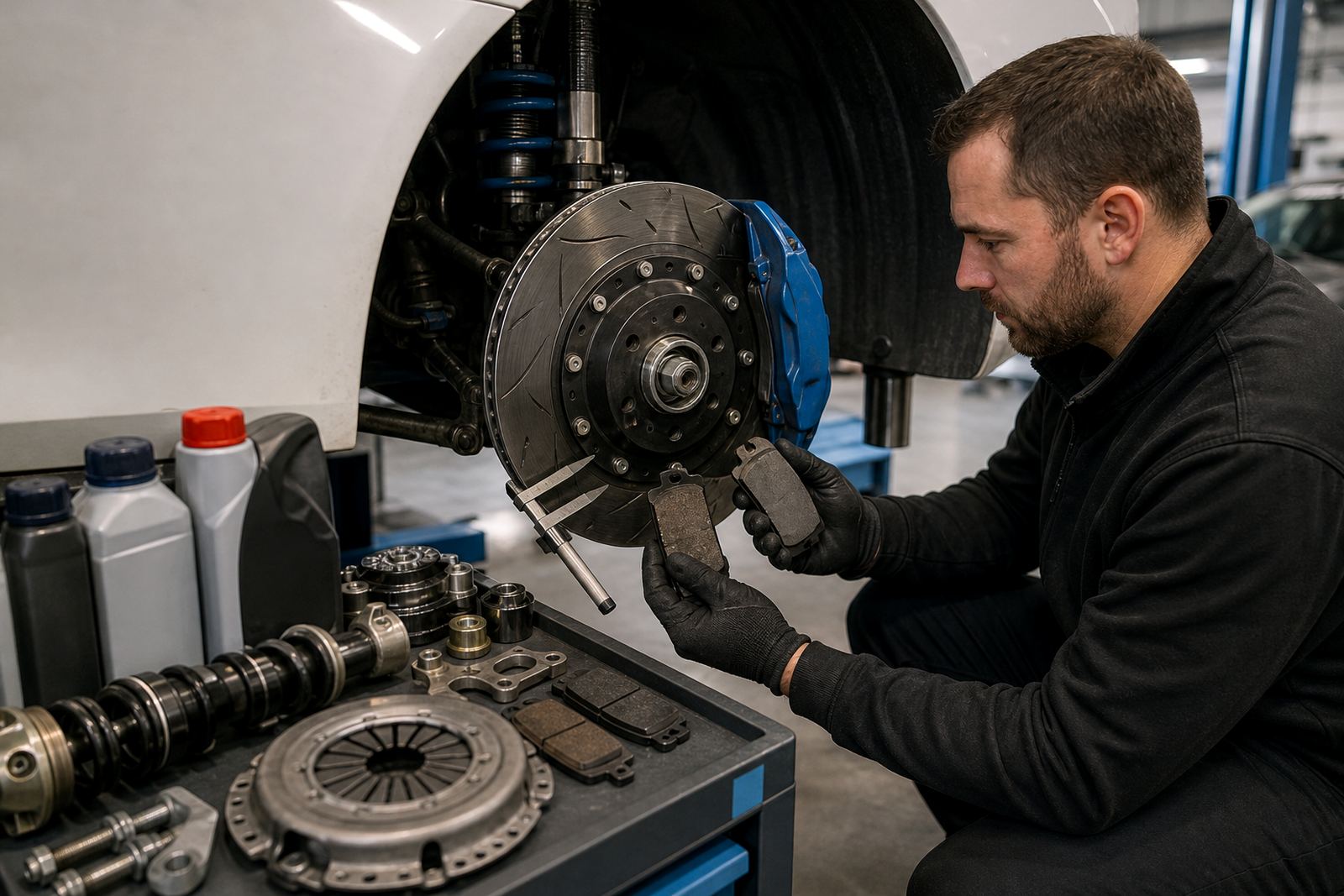
We can also tie the weighting session into brake upgrade planning, cooling system checks, seat positioning or harness fitment checks, especially when the driver is preparing for a full race weekend. Sibusiso handles logistics for parts and workshop flow, so the job stays organised from first check to final handover.
- Written setup figures for reference
- Advice on what changes affect the balance most
- Flag any worn parts that distort the readings
- Support for later alignment or suspension work
- Useful base data for repeatable race prep
Key facts
| Service area | Scales session at the Midrand workshop, for cars from Gauteng and the coast |
|---|---|
| Typical vehicles | Track cars, rally cars and club racing cars |
| Core measurements | Ride height, wheel loads, cross weight and axle split |
| Related services | Alignment Checks, Coilover Setup, Brake Upgrade Planning, Track Setup Days |
| Workshop focus | Suspension balance, driver position and repeatable chassis setup |
| Main contact path | Online enquiry with the car and class details |