
Getting the driving position to work under race load
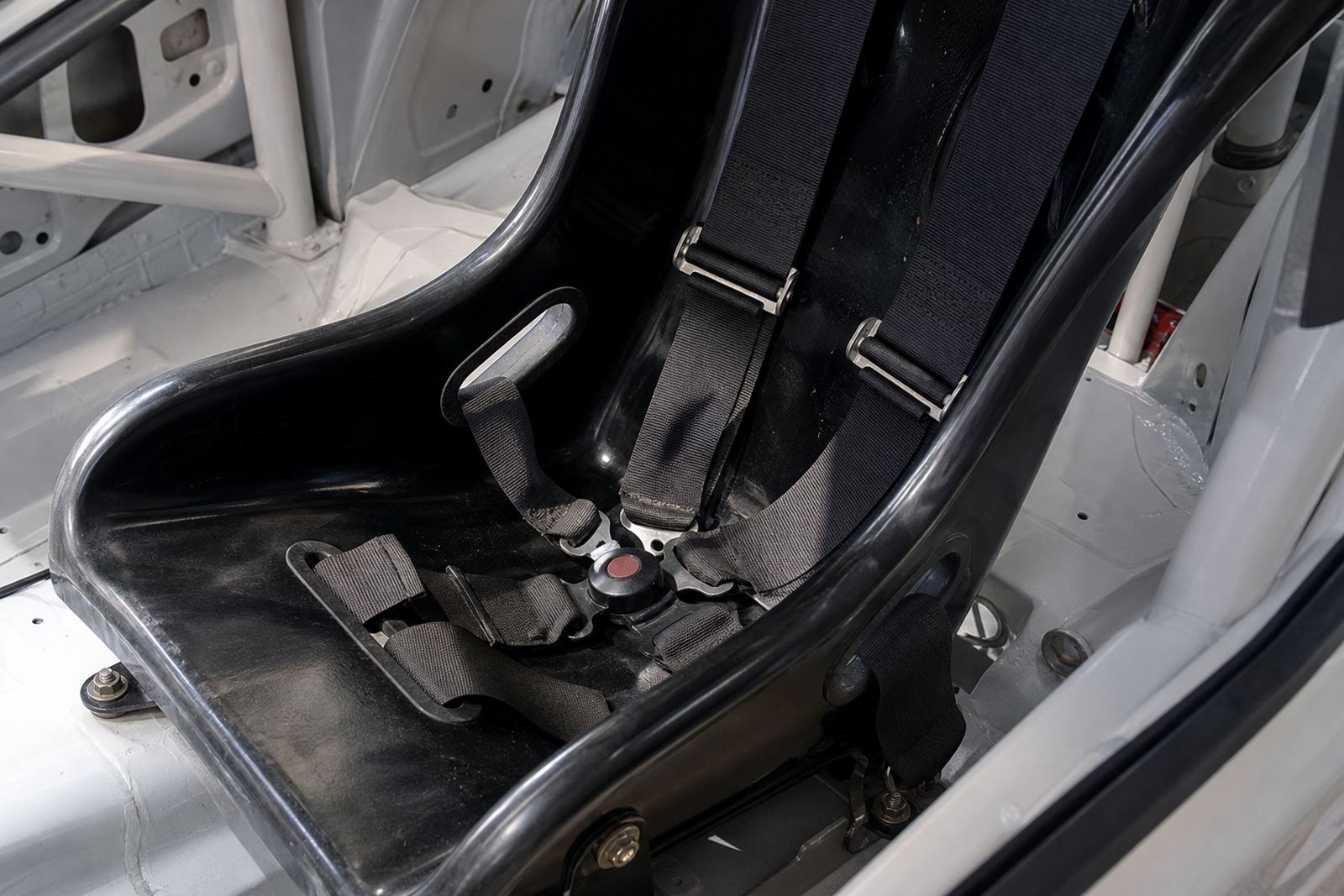
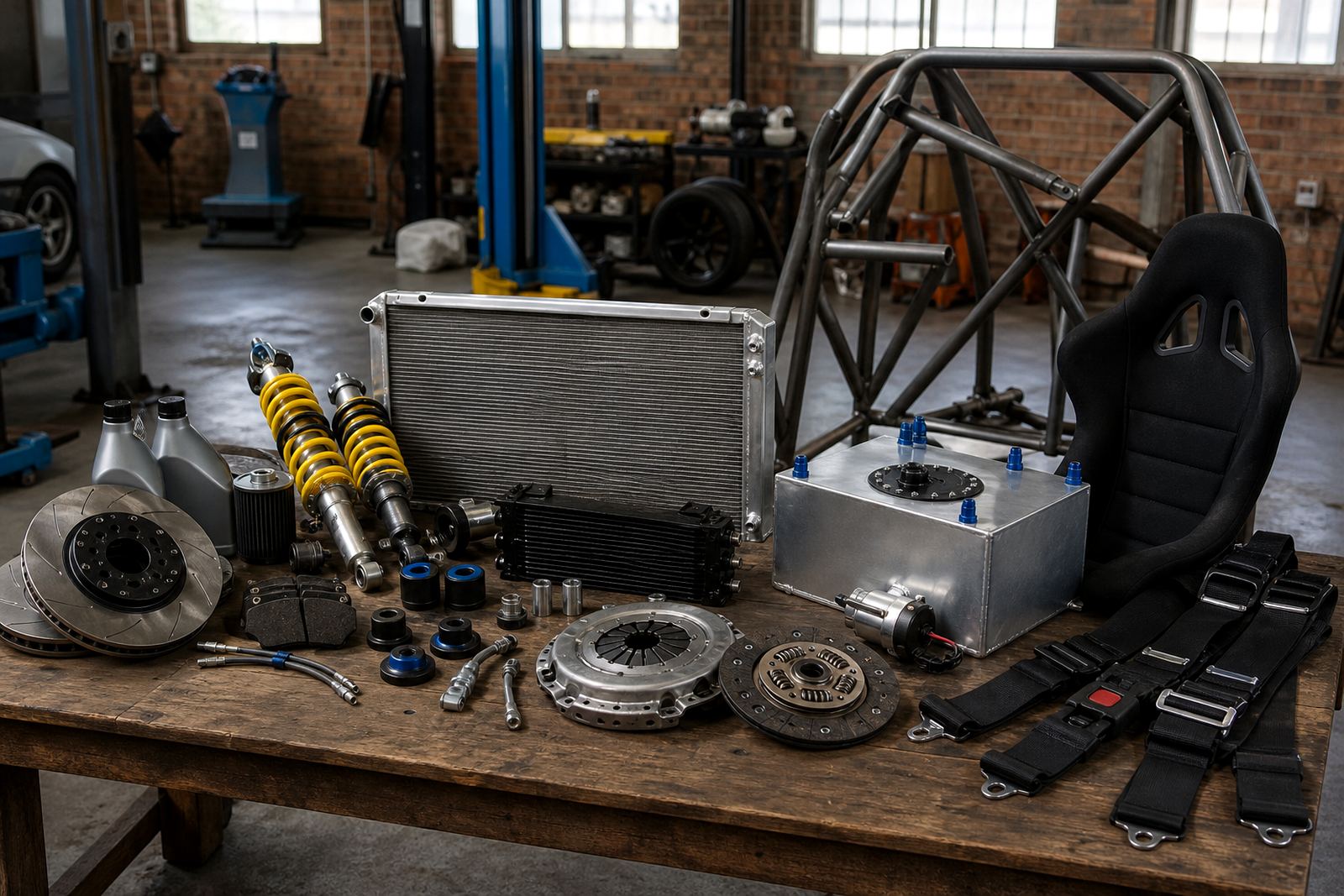
Seat Positioning is not only about comfort. In a race car the seat has to hold the driver steady through braking, cornering and shifting weight, while keeping the steering wheel, pedal box and harness angles sensible. We look at how the driver sits in relation to the shell, helmet clearance, shoulder height and elbow bend, then work through the parts that affect control. That includes fixed-back seats, sliding mounts where they are still allowed for the build, spacer blocks, side mounts, floor brackets and the angle of the seat base and backrest.
For cars running in hot Gauteng conditions, a poor seating position can make the driver fight the wheel and clutch all lap long. If the seat is too upright or too far forward, the lap belt rides up and the upper harness points can pull at the wrong angle. If it sits too low, the driver can lose sight of corner apexes and instrumentation. We adjust for visibility, leg clearance and restraint geometry as one package.
What we check during a seat position review
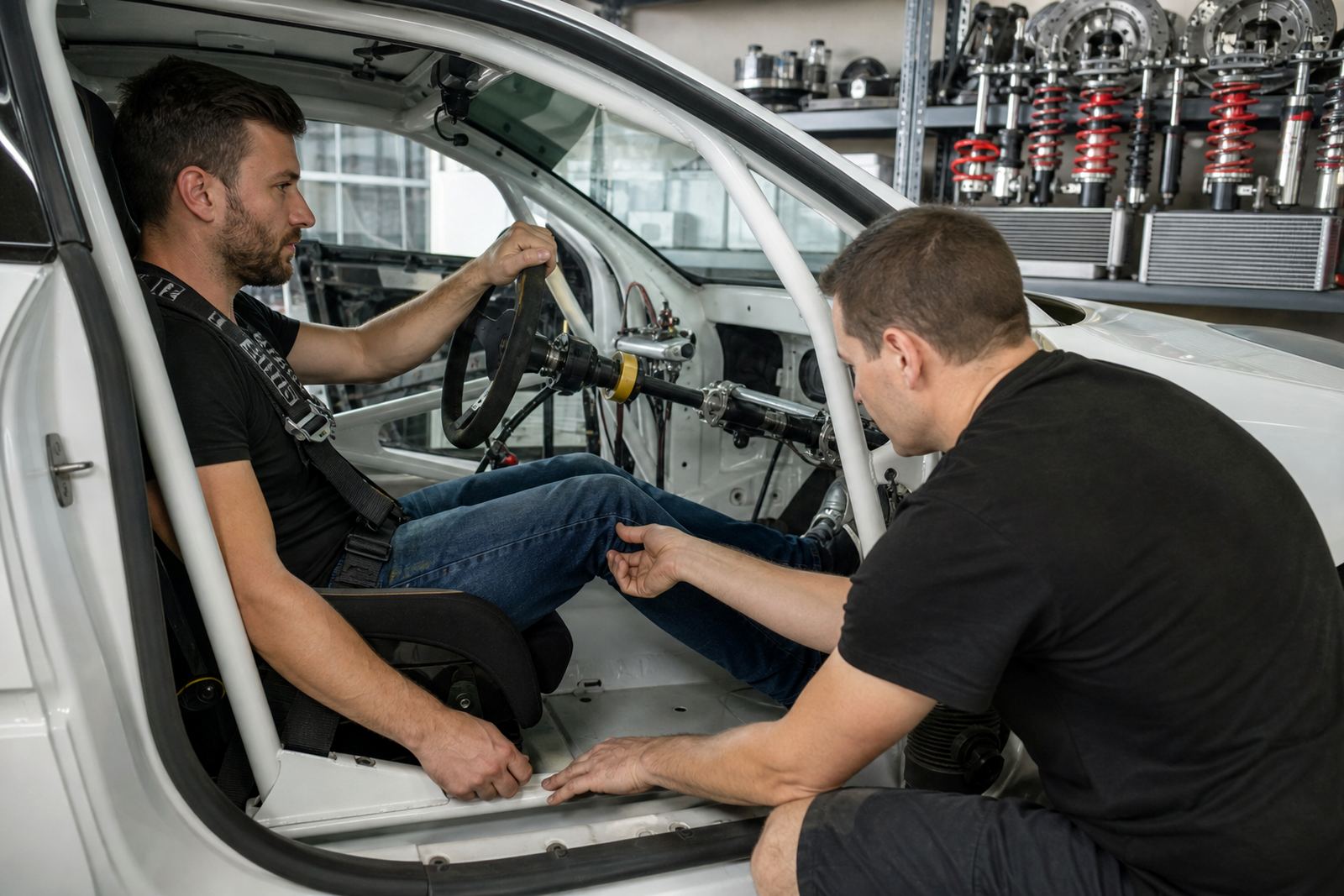
We inspect the full driver package, not just the shell itself. A proper review covers reach to the wheel, the brake and clutch pedal travel, helmet room at the roof and cage tubes, and where the belt slots sit on the driver’s torso. If the car has a roll cage, we also check shoulder bar height and clearance to the seat back. The aim is to make sure the driving position suits the car’s structure, not just the driver’s preference on the day.
- Seat shell angle, base height and side mount position
- Steering wheel reach and driver elbow bend at full lock
- Pedal spacing for brake, clutch and throttle control
- Headroom to roof lining, cage bars and helmet clearance
- Harness path over the shoulders, chest and lap points
- Space for gear lever, handbrake and race radio controls where fitted
How the fitment process runs in the workshop
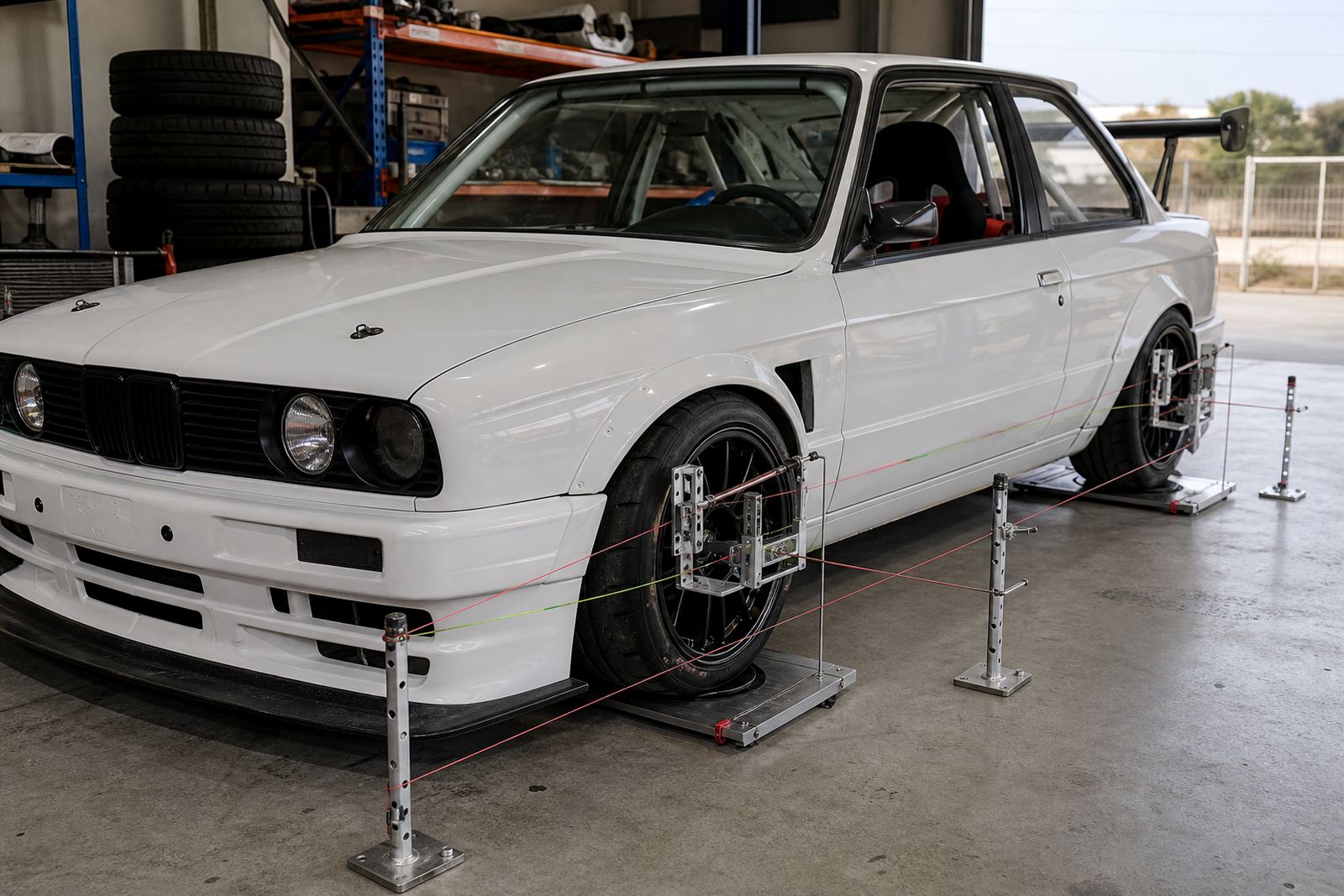
We start with the car on site in Midrand and the driver sitting in the normal racing kit, including helmet if needed for clearance checks. From there we mark the seat position, measure the angle and check the mounting points before any permanent work is done. If the build needs a new bracket layout or a change in side mounts, we plan the hardware around the chassis and the seat shell rather than forcing a one-size setup.
When trimming, drilling or bracket fabrication is needed, we keep the layout tidy and practical. We also check that the seat does not foul the door card, tunnel, harness anchors or cage legs. On cars used for rally stages, where vibration and rough surfaces matter, we give extra attention to support around the lower back and thighs so the driver is not bracing against the wheel all day.
- Initial driver sit-in and measurement
- Mounting point assessment and bracket choice
- Height, rake and lateral support set-up
- Harness and steering wheel geometry check
- Final torque check on all seat hardware
Turnaround and what affects the job length
Seat Positioning jobs can be straightforward when the shell, rails and mounting pattern already suit the car. In those cases, the work is usually completed during a booked workshop session. More involved jobs take longer if the seat needs trimming, the brackets must be reworked, or the driver position has to be balanced against a cage, fire system hardware or a taller helmet clearance requirement.
The timing also depends on whether the car is being prepared for track days, rally use or club racing. A circuit car with a fixed-back seat and simple mounts is often easier to set than a multi-use car that still needs entry and exit space for road driving. We keep the process practical, and we never force a position that looks neat but feels wrong once the driver is on the brakes.
How pricing is worked out
Pricing depends on the amount of setup work, the type of seat shell, the hardware needed and whether any custom fabrication is required. A basic fitment review costs less than a full mount rework with new brackets, spacers and harness checks. If the seat position must be changed to suit a roll cage or a different driver size, the quote reflects the extra measuring, drilling and alignment work involved.
We do not bundle every car into one figure because the hardware varies too much between hatchbacks, saloons, coupe builds and dedicated race shells. Our pricing approach is plain: you pay for the parts and workshop time needed to make the position correct for the car, with no guesswork hidden in the final number.
- Seat shell type and mounting style
- Need for side mounts, sliders or fixed brackets
- Custom holes, spacers or fabricated supports
- Harness angle and cage clearance checks
- Driver size, helmet room and pedal reach adjustments
Aftercare after the first shakedown
Once the car has done its first shakedown, we advise a fresh look at the seat bolts, harness angles and any marks left by the driver moving under load. Small shifts in position can happen after the first session, especially if the shell is mounted on new brackets or the foam has settled slightly. If the driver reports shoulder rub, poor brake feel or neck strain, the seating position usually needs a fine adjustment rather than a full rebuild.
For race cars that run between Midrand, Kyalami, Johannesburg and Pretoria, dust and vibration can show up loose fittings sooner than expected if the hardware was not torqued correctly from the start. We also check that the seat still clears the cage and that the harness buckle sits where the driver can reach it cleanly. Good aftercare is about catching the little things before they turn into a messy weekend at the circuit.
Who handles the work at RaceHouse
Seat Positioning at RaceHouse is handled by a team that deals with motorsport fitment day in, day out. Thabo Chetty oversees the business side, while the workshop and technical team work through the details of seating, restraints and chassis clearances. That mix matters because a seat is only useful when the rest of the driving position matches it.
We support drivers across Midrand, Johannesburg, Pretoria, Kyalami, Centurion, Durban, Cape Town and Port Elizabeth. Our contact form is the best place to send the car details, seat type and racing class so the job can be planned with the right brackets, hardware and checks in mind.
Key facts
| Service area | Midrand, Johannesburg, Pretoria, Kyalami, Centurion, Durban, Cape Town, Port Elizabeth |
|---|---|
| Typical use | Track, rally and club racing cars |
| Core checks | Reach, visibility, headroom, harness geometry |
| Mounting options | Fixed mounts, side mounts, spacers, brackets |
| Related checks | Harness fitment, roll cage clearance, pedal reach |
| Contact method | Online enquiry with the seat type and class |