

Pressure control for hard-run engines
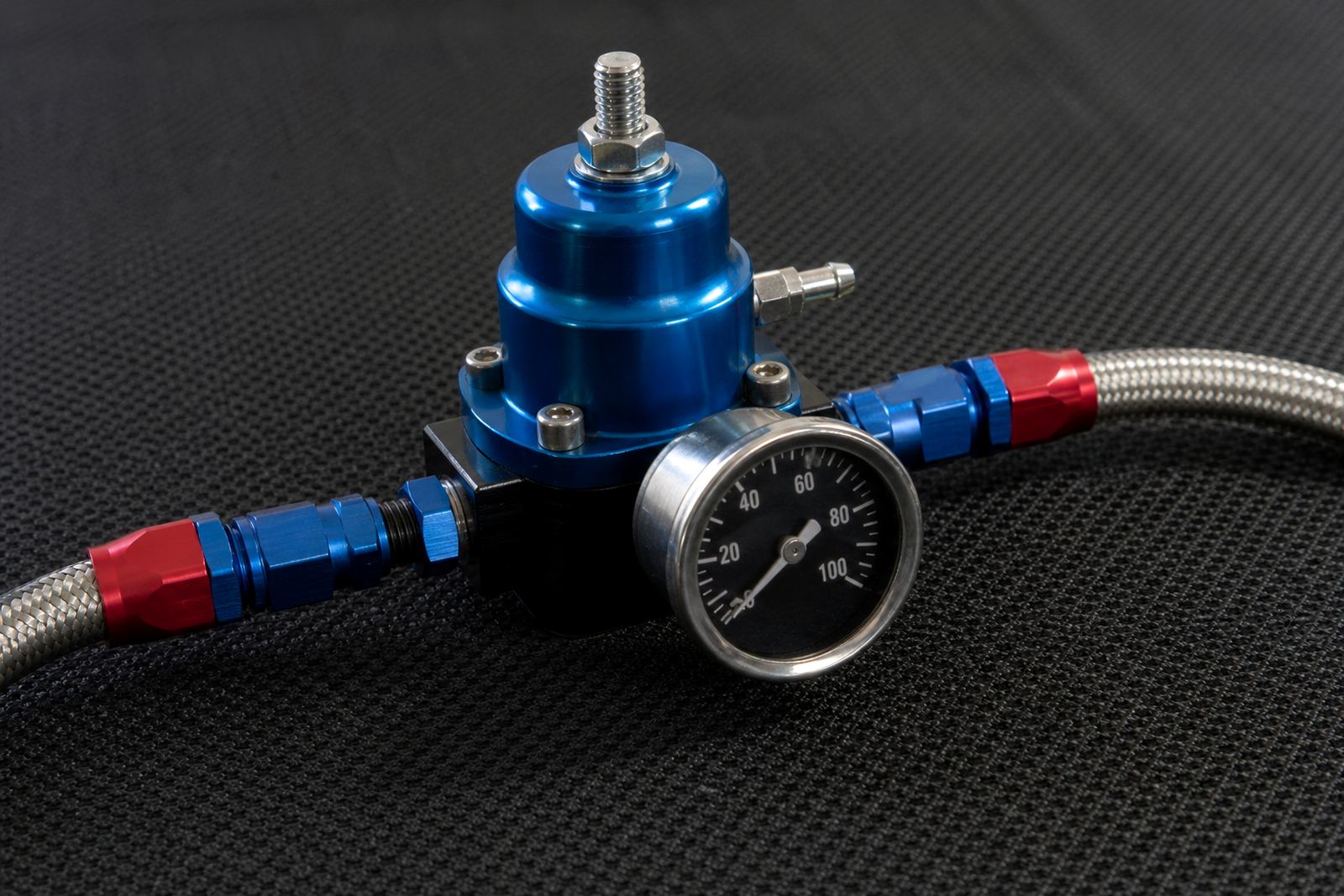
A fuel pressure regulator sits in the fuel system and trims outlet pressure so the injectors see a stable supply. In motorsport use, that matters when the engine sees higher flow, sharper throttle movement and cornering loads that can expose weak control at the rail. Most setups use a vacuum referenced regulator on road based performance cars, while many race-only builds use a fixed base pressure unit with a return line for repeatable control.
For tuned engines, the regulator works with the pump, filter, lines and rail. If any of those parts are too small, pressure can drift and the engine may feel flat at the top end or inconsistent off the apex. On cars running ethanol blends, higher flow demands and heat make regulator choice more important, especially in Gauteng heat and stop-start traffic between sessions.
- Built for petrol systems using return-line plumbing
- Used on turbo, naturally aspirated and supercharged builds
- Works with injectors that need steady differential pressure
- Useful for engines that move between road and track duty
Sizes, adjustment ranges and port layouts
Most regulators used in motorsport are compact aluminium bodies with an adjustment screw, a gauge port and inlet and outlet ports in common threaded sizes. Typical port sizes are AN6, AN8 or AN10, though some applications use metric fittings on the hard line side. The correct choice depends on fuel flow, line size and the space available near the rail, firewall or bulkhead.
Adjustment range matters. A standard performance regulator often covers base pressures around 1.5 to 7 bar, which suits many injected engines. Carburetted race engines use a much lower range, often around 0.2 to 0.5 bar, so the model must match the fuel system type. Some units are single outlet, others support dual feeds for twin rails or return arrangements on larger engines.
- Common adjustment range for injected engines: 1.5 to 7 bar
- Common low pressure range for carburetted systems: 0.2 to 0.5 bar
- Port options can include vacuum reference, gauge port and return port
- Body finish is often anodised aluminium for corrosion resistance
Where the regulator makes the biggest difference
Fuel pressure control becomes important when a car sees long high-rpm runs, sticky tyres and repeated heat soak. Track cars at Kyalami, drag style builds on private test days and rally cars that spend time on loose surfaces all benefit from a system that holds pressure cleanly under movement. A regulator also helps when the fuel system has been upgraded from standard parts and the original control piece is no longer matched to the new flow rate.
It suits builds with larger injectors, uprated pumps, return lines, swirl pots and remote filters. It also helps on engines that are set up for a specific base pressure on the dyno and then need that figure held during the race weekend. If pressure wanders, fuel trims can drift and the car may need more correction than the mapping should really carry.
- Track cars with sustained throttle load
- Rally cars with fuel surge risk and vibration
- Club racers moving to larger injectors or pumps
- Engines that use a set base pressure for tuning
Fitting details that matter in a race bay
Installation needs a clean mounting point, secure hose routing and the correct reference line where the regulator uses manifold pressure. The unit should sit away from exhaust heat and away from sharp edges or moving suspension parts. On a proper fitment, the fuel lines are supported, the return line has free flow and the regulator can be reached for adjustment without stripping half the bay.
During setup days, we also look at fuel rail layout, line diameter and whether the pump can supply the target pressure at full load. A regulator cannot fix a weak pump or a blocked filter. If the system is noisy, fluctuating or hard to tune, the fault may be elsewhere in the line path and the regulator is only showing the problem.
- Mount close to the fuel rail where practical
- Keep the reference hose short and kink free
- Match the regulator to the pump and line size
- Check for leaks after heat cycling and a first run
Care after fitting and before a race weekend
A regulator needs routine care to keep its output steady. Inspect the body for fuel staining, check that the locknut or adjuster has not moved and confirm the gauge reading against the target base pressure. In dusty paddock conditions, connectors and hose ends can work loose, so a quick visual check before loading the car saves trouble later.
If the car is stored for long periods, drain stale fuel where practical and check the diaphragm condition when the system is opened. Ethanol blends can leave deposits if the car stands for too long, and the small control passages inside the regulator can be affected. Any sign of pressure creep, hard hot starts or fuel smell near the bay should be checked before the next outing.
- Inspect fittings, hoses and reference lines regularly
- Check pressure after filter changes and pump work
- Keep the adjuster secure once the setting is set
- Replace worn seals or diaphragms before they fail
What to confirm before ordering the right unit
To match a fuel pressure regulator properly, confirm the fuel system type, the intended base pressure, the fuel used and the line sizes already in the car. It helps to know whether the build uses a return system, a carburetted setup or a rail mounted injected arrangement. If the car already has a gauge, bring the reading and the current pressure target so the new unit can be matched properly.
We also need the engine type, injector size, pump output and available mounting space. On cars with tight packaging around the bulkhead or firewall, the port position and body shape can decide which regulator fits cleanly. If the car is heading to track, rally or club racing, tell us how the car is used and whether the setup must suit both road and circuit use.
- Fuel type and whether the engine uses petrol only or an ethanol blend
- Base pressure target in bar or psi
- Return-style, deadhead or carburetted system
- Line size, rail type and preferred fitting standard
- Mounting space and whether a gauge port is needed
Midrand support for race fuel system setup
RaceHouse in Midrand works with motorsport fuel system parts for cars used across Gauteng and further afield, from Johannesburg and Pretoria to Durban, Cape Town and Port Elizabeth. Our team can talk through fuel pressure control alongside the wider setup, including cooling, clutch setup and track day prep, so the regulator sits properly within the full package rather than as a loose part on its own.
We also support fitting advice for cars that need cleaner fuel delivery under load, and for builds that need a regulator matched to the rail, line and pump already in the vehicle. If you are managing a race weekend or workshop build, send the details through our contact form and we can take it from there using the parts list and the car's current fuel system.
- Midrand base with motorsport parts support across South Africa
- Useful for track, rally and club racing builds
- Can be planned alongside pump, rail and injector changes
- Fitting advice available for workshop installs and setup days
Key facts
| Product type | Adjustable fuel pressure regulator for motorsport fuel systems |
|---|---|
| Typical pressure range | 1.5 to 7 bar for injected engines, lower range units available for carburetted systems |
| Common fittings | AN6, AN8, AN10 and selected metric fuel fittings |
| Body material | Machined aluminium with corrosion resistant finish |
| Control method | Spring and diaphragm controlled with manual adjustment screw |
| Typical use | Suited to track, rally and club cars with return fuel lines |