

Heat range first, because the brakes live there
A pad that feels sharp on the first lap can fade badly once rotor temperature rises, especially in heavier cars or on long sessions around Kyalami and Midrand test days. The heat range has to suit the way the car is used, not just the headline grip figure on a box.
For sprint circuit work, a pad should hold its shape through repeated stops and still give a predictable pedal when the discs are hot. Rally cars often need a wider operating window because the brakes see uneven loads, loose surface dust and cooler moments between hard applications.
- Choose a pad that matches average session length.
- Ask how the compound behaves when hot, not only when cold.
- Check whether rear bias will stay calm under braking.
- Look at disc size and cooling before changing compound.
Pedal feel, bite and modulation are not the same thing
Some pads bite hard as soon as your foot touches the pedal, while others build pressure more gradually and give finer control into the apex. Fast bite can feel confidence-building, yet too much initial grab may unsettle the rear end or lock a front wheel on a bumpy surface.
Modulation matters when you are trail braking, feathering the pedal into a corner or managing grip on a wet road stage. A good race pad should let the driver feel the limit without making every stop twitchy. That balance changes with tyre type, master cylinder size and caliper setup.
- Test pedal travel after bedding the pads correctly.
- Watch for a sudden bite spike at low speed.
- Check whether the car feels stable under repeated pedal inputs.
- Match the front and rear compounds as a set.
Wear rate, dust and rotor life on real race weekends
Pad wear is not only a cost issue, it changes how the car feels during a weekend. A compound that wears quickly may still be the right pick for short, hard sessions if it keeps the pedal consistent and protects the disc from heat stress.
Dust levels also matter, especially on cars that see road miles between events or carry open wheels where debris is visible. Some compounds leave more residue on the rims and around the calipers, while harder compounds can be kinder to the pads but harsher on the disc surface. In coastal humidity, brake dust and moisture can leave the hardware looking tired fast, so regular inspection pays off.
- Inspect pad thickness before and after each event.
- Look for taper wear, cracking or glazing.
- Check rotor condition for heat spots and edge lips.
- Keep an eye on brake fluid colour and pedal consistency.
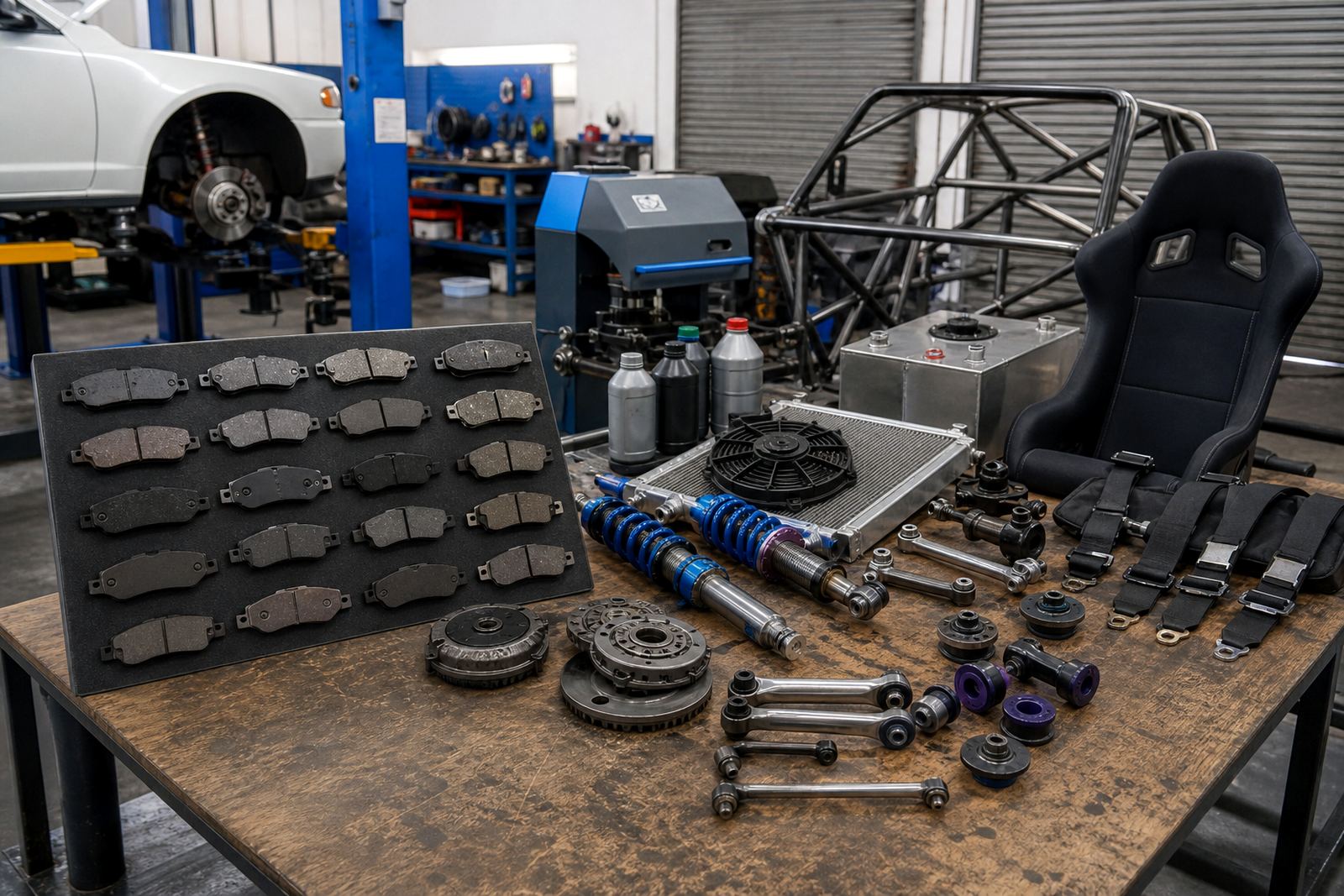
Brake pad choices for track, rally and club racing
Track cars usually need a stable compound that stays predictable during repeated high-speed stops. Rally cars need more tolerance for mixed surface use and short cooling periods, while club racers may want a pad that copes with track days and occasional road travel without becoming noisy or harsh.
The intended use should guide the heat range and wear profile. A pad for a light front-wheel-drive hatch is not the same as a pad for a turbo saloon with more mass over the nose. If the car uses upgraded brakes, the pad still has to suit the caliper piston size, disc thickness and cooling path.
- Track use: favour consistency and heat stability.
- Rally use: favour a broader working window and control.
- Club racing: balance cost, pedal feel and disc life.
- Mixed use: keep the compound sensible in cold conditions.
Fitting checks before the car goes out for a session
Fresh pads do not work properly if the rest of the system is not in shape. Calipers need free movement, fluid must be fresh and the discs should be clean, flat and within thickness limits. If the pedal feels strange after a pad change, the issue may be air in the system, old fluid or poor pad seating rather than the compound itself.
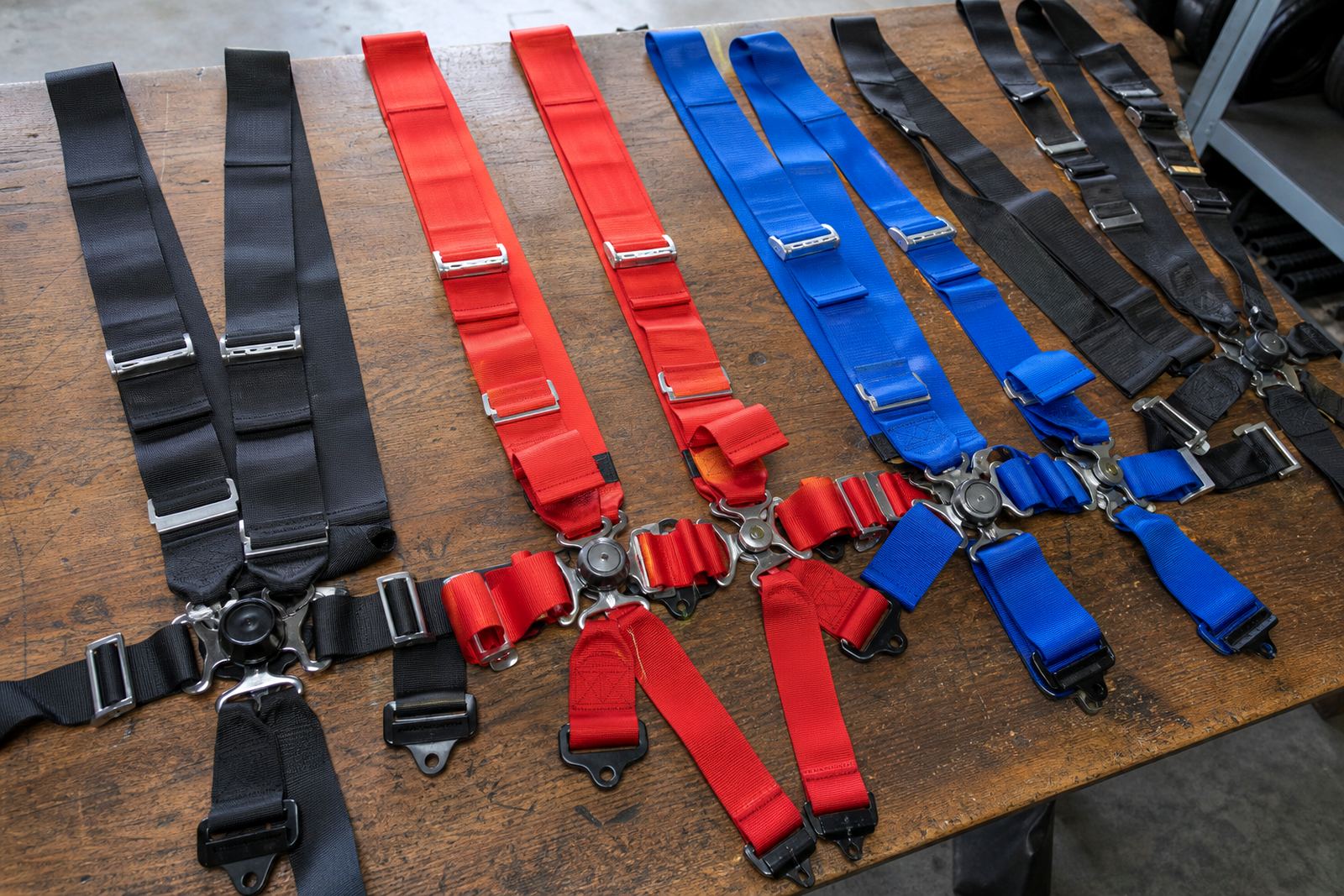
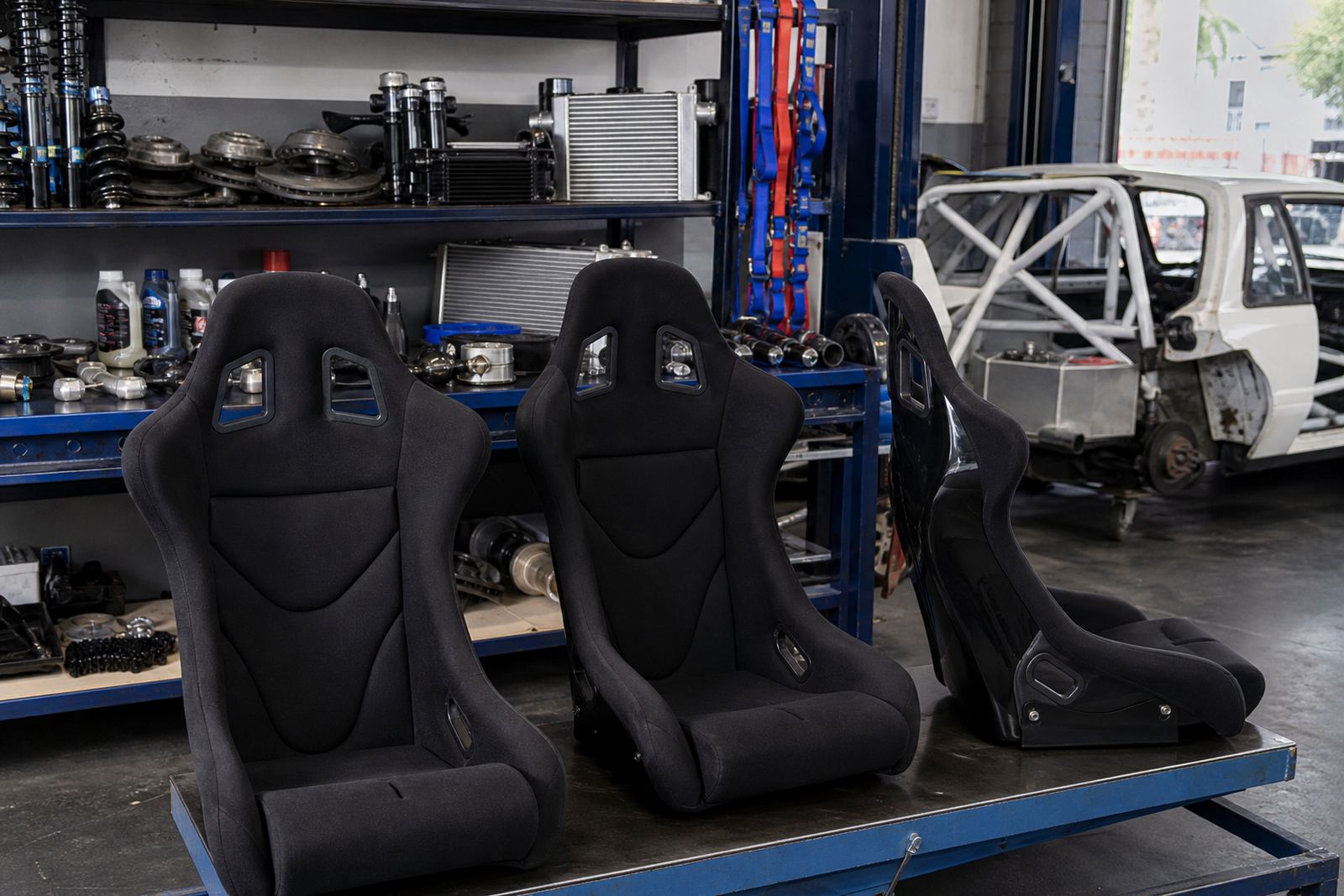
RaceHouse supports brake upgrade planning, brake bleeding and setup days, which helps when a car needs more than a parts box. Seat position, harness fitment and driving position also affect how hard the driver can work the pedal under load. Small changes at the driver’s feet can alter braking confidence more than people expect.
- Confirm pad shape matches the caliper and disc size.
- Bed the pads according to the compound’s needs.
- Bleed the system if the pedal feels long or spongy.
- Check wheel clearance after any brake change.
A clean way to narrow the choice without guessing
Begin with the car, the circuit, and the way the driver handles the car. A smooth driver who brakes early may value progression, while an aggressive late-braker may need a harder pad with stronger heat tolerance. Bring the facts together and the choice becomes much clearer.
Use this quick filter before fitting anything new:
- What sort of event is the car used for most often?
- How heavy is the car and what tyres does it run?
- Does the current pad fade, crack or feel too sharp?
- Is the aim more bite, more control or longer wear?
- Will the setup need fluid, cooling or alignment checks too?
For drivers across Midrand, Johannesburg, Pretoria, Kyalami, Durban and Cape Town, the right pad choice usually comes from a proper conversation about use, weight and heat. That is where fitting advice and a proper setup day can save a lot of guesswork.