
When the stint gets longer than the parts expected
Endurance racing puts heat, vibration and repeat braking into the same run, so the list of parts changes fast from a short sprint car. The usual starting point is not a power figure, it is the car’s weight, lap length, ambient heat and how hard the driver leans on the brakes through traffic and traffic wash. In Gauteng, a cool morning at Kyalami can still turn into heavy heat soak by midday, and Durban’s humidity makes cooling margins feel tighter than they look on paper.
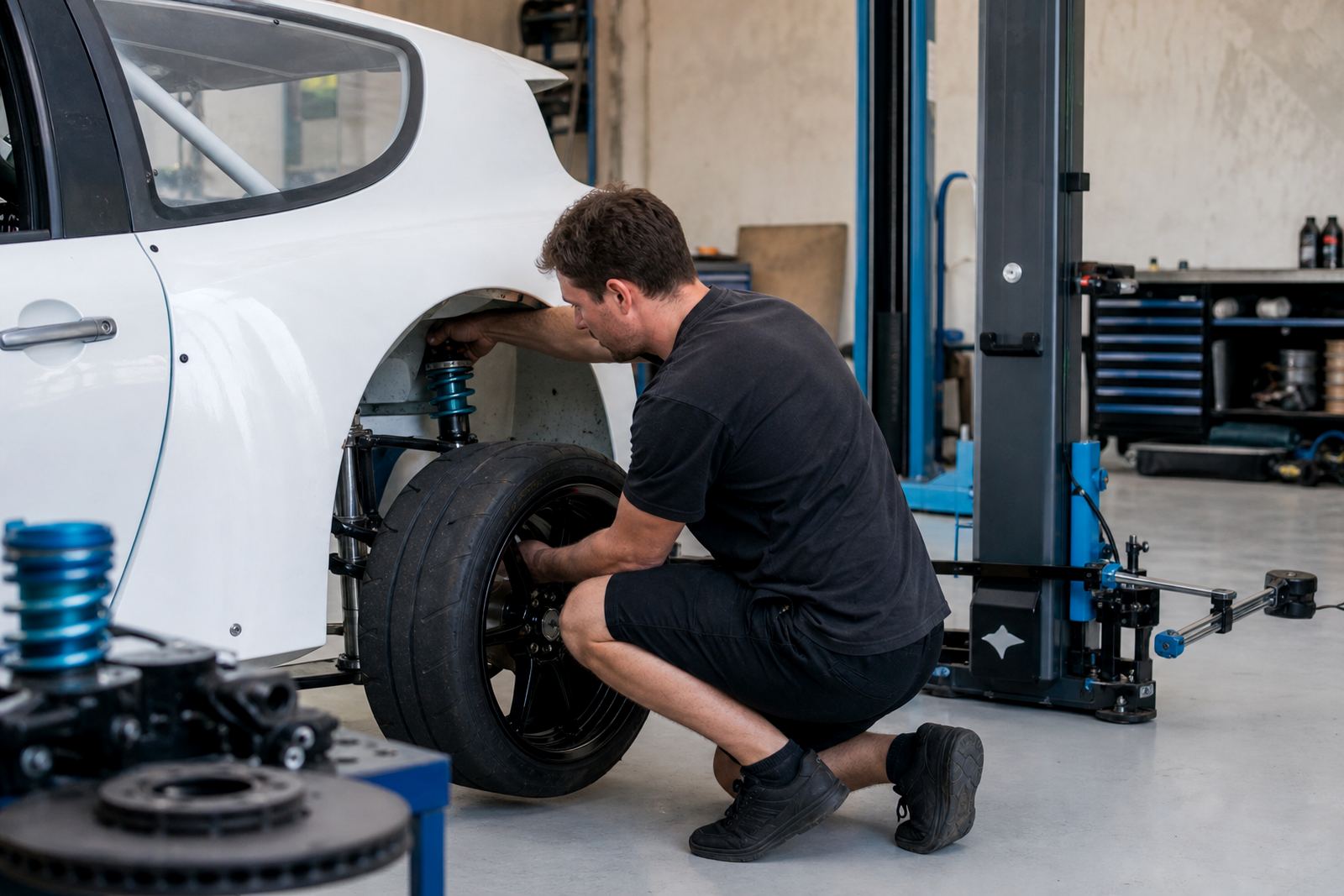
Most endurance builds begin with brakes, fluid, cooling and driver support. After that, the list usually moves to coilovers, bushes, alignment, corner weighting, seat position and harness fitment. We also look at fuel system layout, clutch feel and shift movement because a car that is pleasant for 20 minutes is not always pleasant after 90.
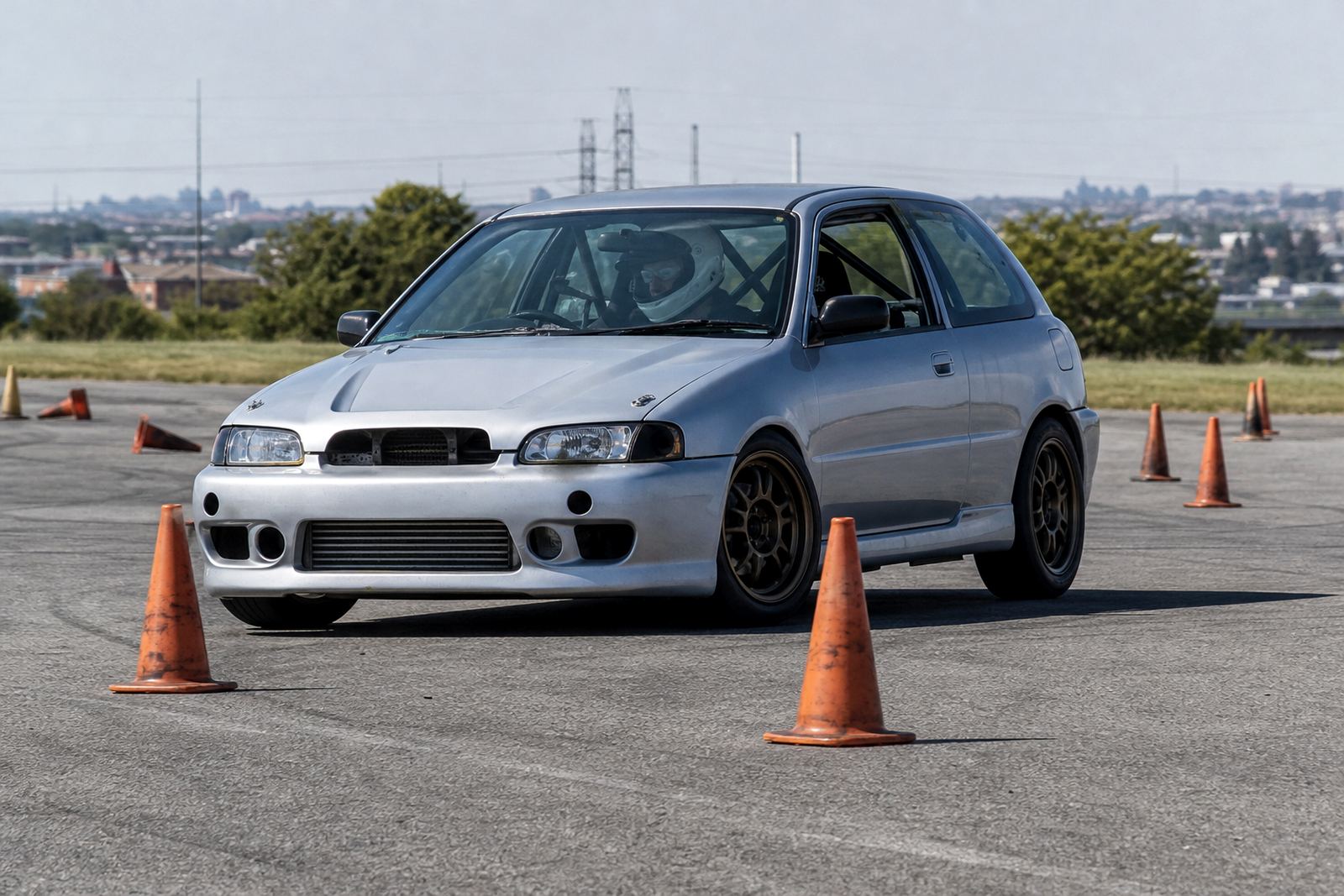
The goal is to keep the car predictable over a full stint, not just sharp for one session. That means keeping temperatures in check, slowing pad wear, and stopping small setup issues from turning into a long repair list between rounds.
The equipment that usually earns its place
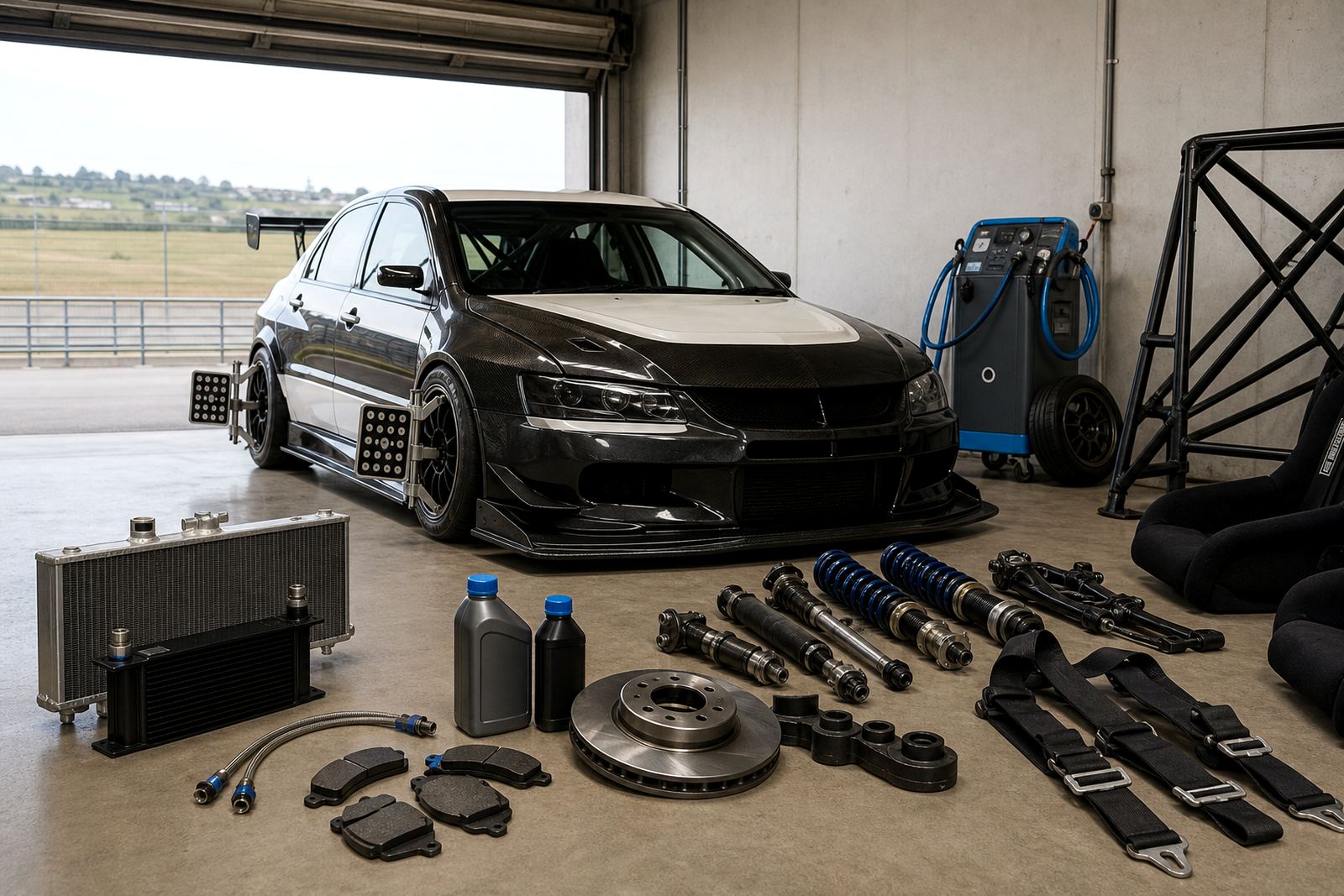
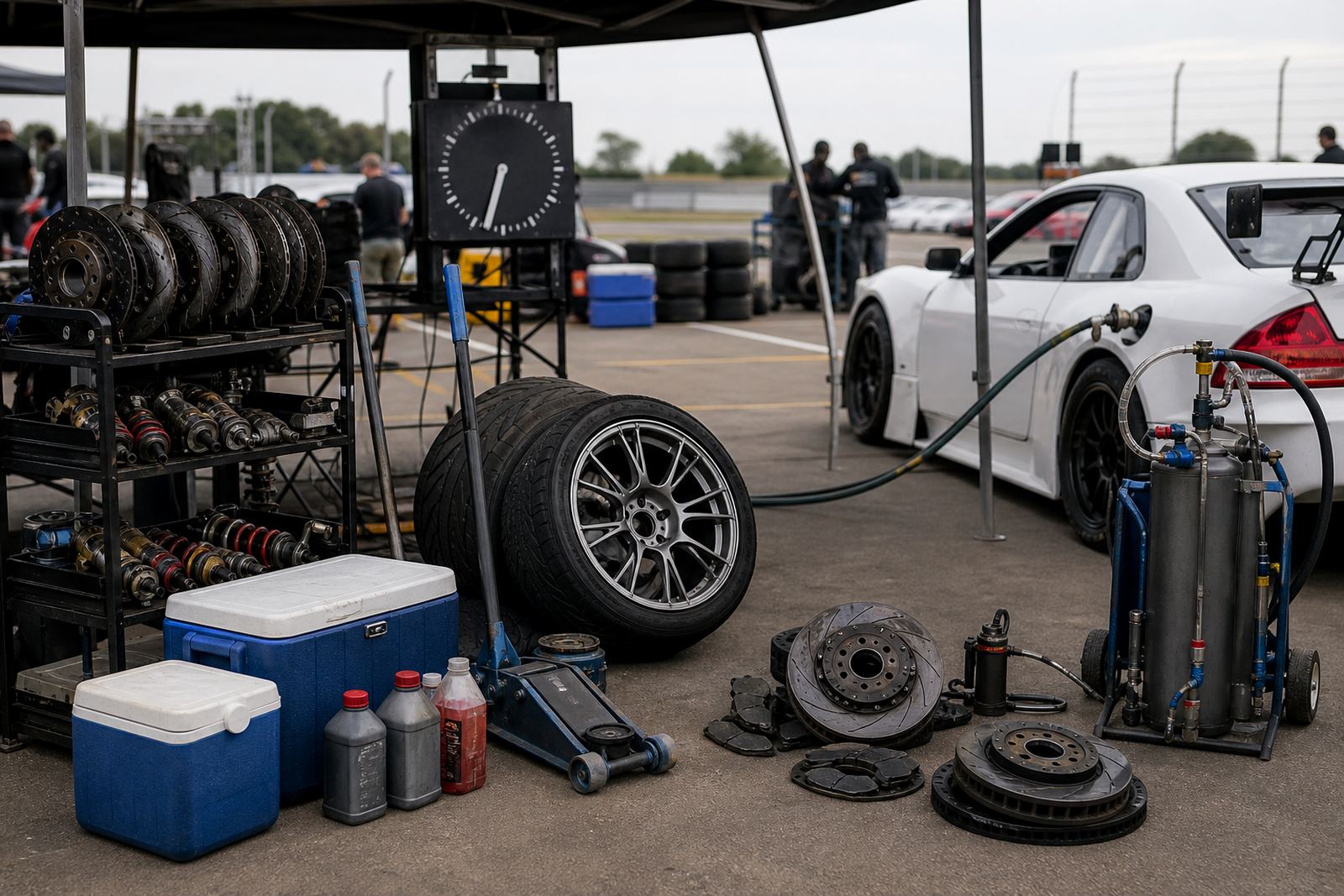
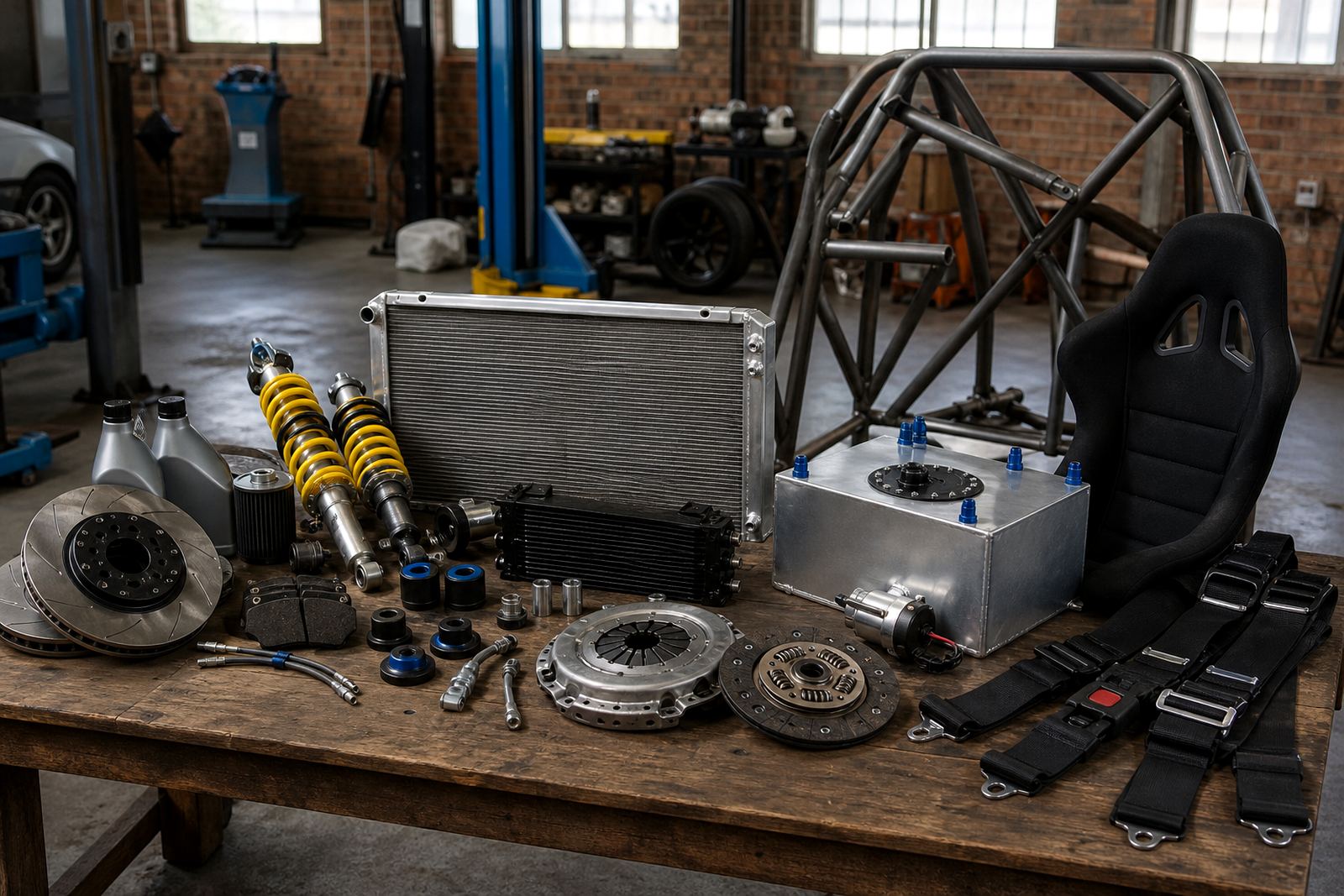
Endurance prep normally starts with parts that absorb heat and hold their shape. Brake pads with the right friction window, fresh fluid with a high boiling point, a radiator that suits the engine’s heat load, and an oil cooler where the air path actually works all matter more than shiny extras. Suspension parts should hold alignment under load, not wander when the tyres and fuel load change.
- Brake pads and fluid sized for long stints and repeated stops.
- Coilovers with sensible spring rates for kerbs, bumps and tyre wear.
- Fresh bushes where the old ones let geometry move around.
- Radiators and oil coolers matched to airflow, grille area and heat soak.
- Seats and harnesses that keep the driver still in the car under braking.
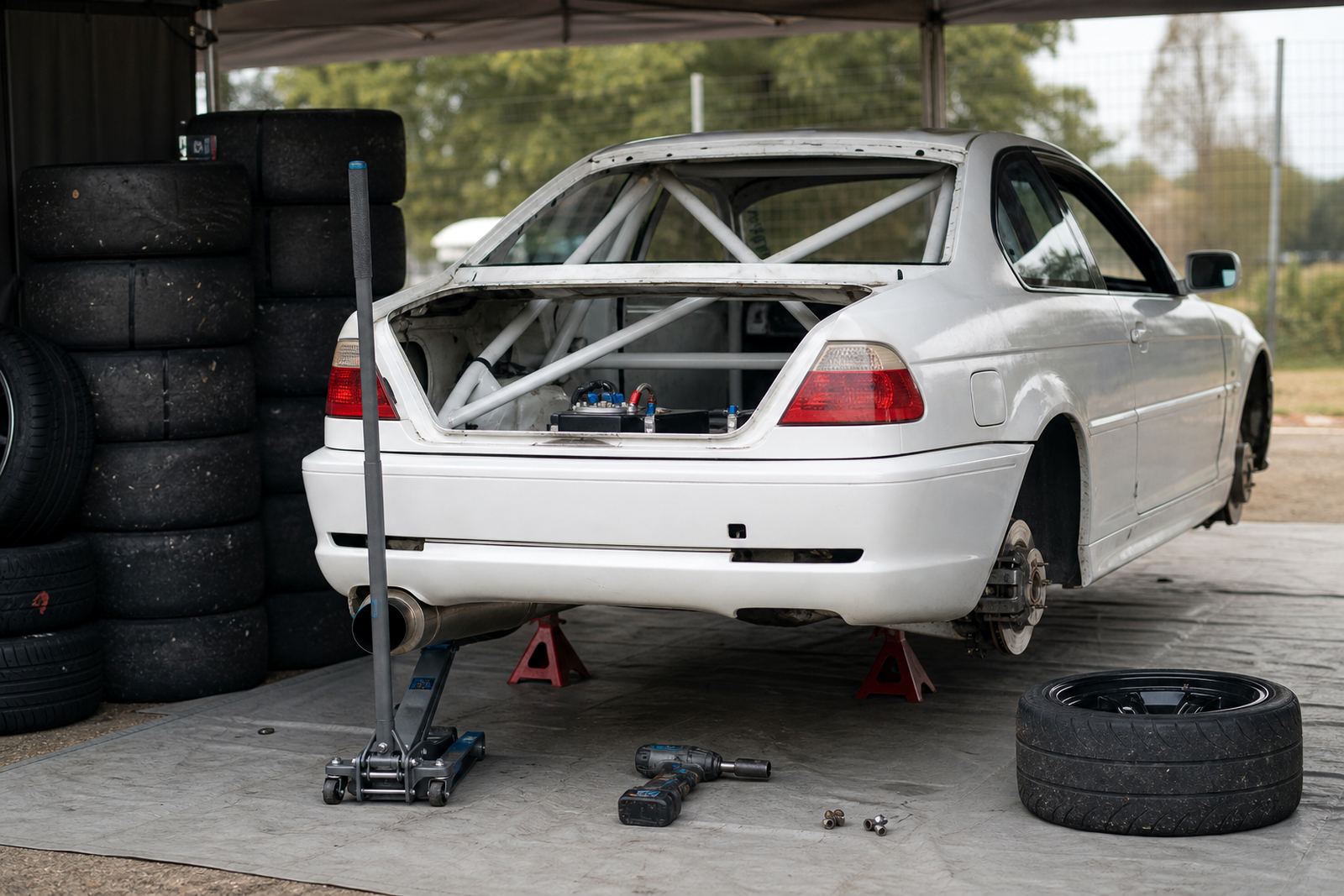
- Roll cage fit advice for safety and practical access to the cockpit.
Fuel cells, clutch parts and shift setup often enter the conversation when the car starts doing longer races or heavier touring. If the gearbox is notchy, the driver wastes energy and the car loses rhythm. If the harness sits wrong, the driver braces in the wrong places and feels every braking zone harder than it should.
Layout choices that matter before the first race weekend
Endurance work rewards parts that are placed with real airflow and maintenance access in mind. A cooler hidden behind a blocked opening does not help much, and a fuel system that is awkward to inspect becomes a nuisance after the first event. The same applies to brake ducts, reservoir positions and battery placement. Good layout is not flashy, it just makes the car easier to live with between stints.
Seat positioning also changes the rest of the build. Once the driver sits lower and more square in the shell, it becomes easier to set harness angles, reach the wheel cleanly and settle the pedal feel. If the driving position is wrong, the rest of the car often gets blamed for a problem that began in the cockpit.
For teams running around Midrand, Johannesburg, Pretoria, Centurion or Kyalami, the useful setup work is usually done before the final event week. That leaves time for alignment checks, corner weighting and a proper brake bleed instead of a rushed last-minute scramble.
Mistakes that cost laps, tyres and patience
One common mistake is fitting parts that suit a sprint car and expecting them to survive an endurance race. Another is chasing a stiff setup because it feels sharp in the workshop, then finding the tyres overheating and the rear stepping out after traffic. People also under-spec fluid, forget to check pad taper, or run cooling parts that look right but do not move enough air through the nose of the car.
There is also the habit of changing too many things at once. A new pad compound, different spring rates and a fresh alignment can all help, but if they arrive together it becomes hard to know which change fixed the problem and which one created another. The better path is to stage the work and check the car after each step.
- Do not size brakes for one lap and hope they last an hour.
- Do not ignore seat and harness fit while chasing handling.
- Do not treat cooling as a cosmetic add-on.
- Do not change springs, dampers and alignment without notes.