

Why a few centimetres matter on a racing lap
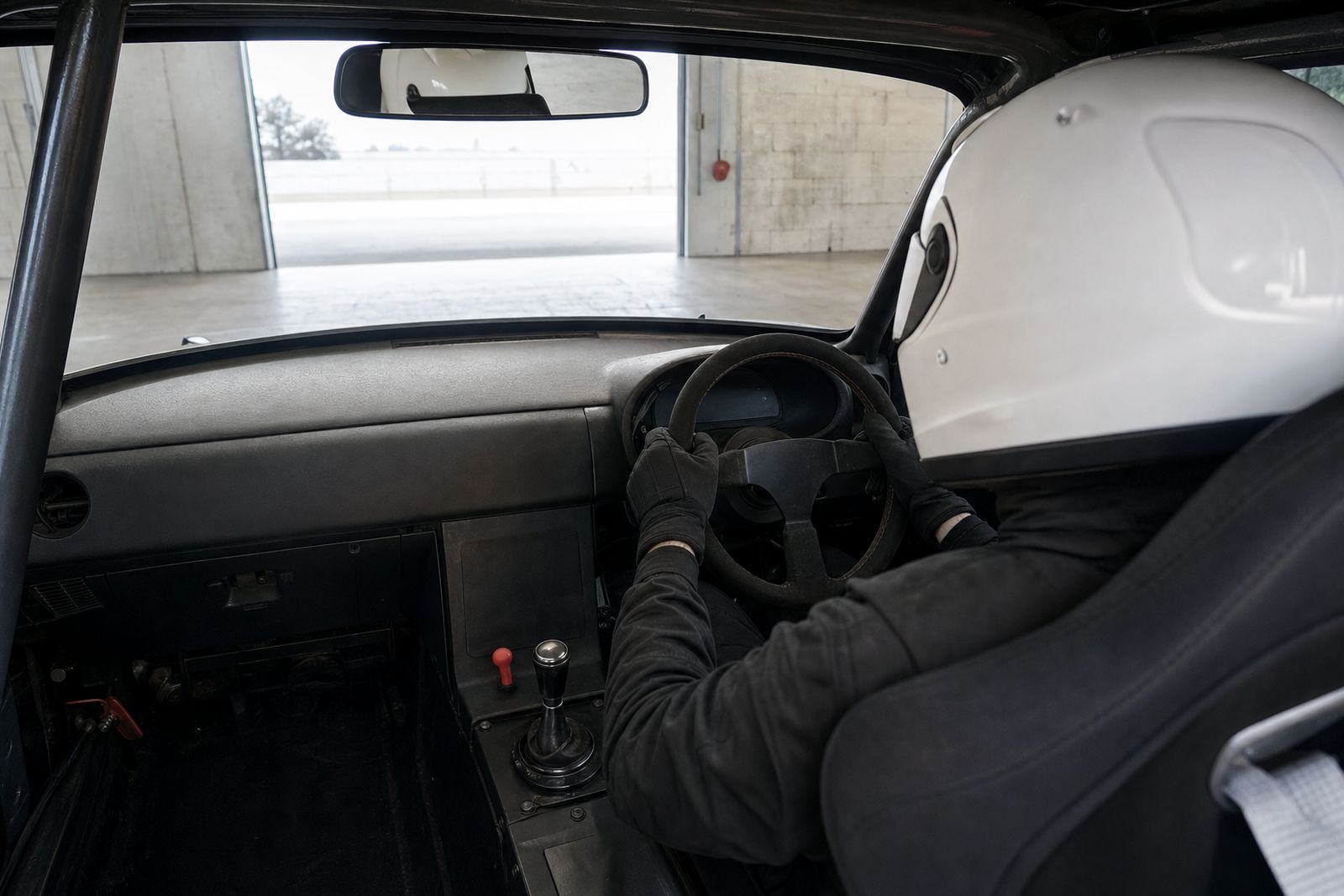
In a motorsport seat, the wheel is not just a point of contact. It sets the driver’s arm angle, the amount of pull needed through slower corners and how steady the upper body stays when the car moves around under braking and kerb strikes.
When the wheel sits too far out, the shoulders reach forward and the elbows lock out. That position makes quick corrections feel heavier than they should, especially in a car with a quick rack or sticky front end. If the wheel sits too close, the elbows run out of room and the chest crowds the lap belt, which can make breathing and body movement awkward during longer runs.
For track, rally and club racing cars, reach should suit the seat position, harness angle and steering column setup as one package, not one part at a time.
The signs the wheel is sitting in the wrong place
A driver usually feels steering reach problems before anyone else does. The car may still point well, yet the body starts working harder than the hands.
- Shoulders burn early in a session, even when the steering itself is not heavy.
- Wrists sit bent instead of straight when hands rest at the normal grip points.
- The driver has to slide the shoulders forward to reach the rim.
- Elbows hit the door trim, seat bolsters or each other during quick transitions.
- The chest feels pinned when the harness is snugged down properly.
- Fine steering inputs feel less natural in slower bends and hairpins.
These signs matter on a long day at Kyalami or on rally stages where the surface keeps changing. Small discomforts build into hesitation, and hesitation is costly when the tyres are loaded and the car is moving quickly.
Match reach to the seat before touching the wheel
Good wheel reach starts with the seat. If the seat is too upright, the driver reaches with the shoulders. If it is too far back, the neck and arms start chasing the wheel. The right position lets the driver sit deep in the bucket, with the pelvis planted and the shoulder blades supported.
Seat positioning, harness fitment checks and roll cage clearances all influence where the wheel can sit. In some cars, a lowered seat base gives enough room for the hands to work without lifting the elbows. In others, a smaller diameter wheel or a different dish depth solves the problem better than moving the whole column around.
- Set the seat first, then measure reach from the shoulders.
- Check harness strap angles before finalising the wheel position.
- Leave space for gloves and knuckle clearance on full lock.
- Confirm that the wheel does not block key gauges or warning lights.
What changes on track days versus rally work
Track cars and rally cars ask for different steering manners. A circuit car may live with a tighter cockpit and a wheel placed for fast hands and cleaner corner entry. A rally car often needs a little more body movement room, because the driver may brace harder over rough surfaces and needs fast access while the chassis is pitching.
In both cases, steering wheel reach should support control under load. Midrand drivers often arrive with a car that feels fine on the road but awkward once harnesses are tightened and helmet position changes the view. That is when a proper setup day helps, because the car can be checked in the same posture it will see on course.
A Centurion club racer with a short torso may need the wheel closer by a small amount, while a taller Durban driver may need the column set further out to keep elbows relaxed. The answer is rarely dramatic. It is usually measured in centimetres, not guesses.
Moving a driver closer to the wheel
On a recent Midrand workshop day, a front-engined club car arrived with a wheel that looked fine at first glance. The driver could reach it, but only by stretching the shoulders forward and lifting the elbows away from the seat. After a seat position check, the harness was rechecked and the steering reach was brought closer in small steps.
The difference was plain during the next seating position check. The driver sat deeper in the seat, the wrists stayed straighter, and the hands could work the wheel without the upper body drifting forward on hard braking. Nothing about the engine changed, and the brakes stayed the same. The driver simply had less unnecessary movement to manage.
That kind of adjustment matters for racers running between Johannesburg, Pretoria and Kyalami, where the same car may see different tracks, different kerbs and different stint lengths in the same season.
Useful checks before the wheel position is final
Steering reach should be reviewed with the rest of the cockpit, not treated as a separate comfort item. On cars prepared for motorsport use, RaceHouse looks at the wheel alongside the seat, harness, pedal spacing and steering column setup.
- Can the driver hold a firm grip with slightly bent elbows?
- Do the shoulders stay against the seat back without strain?
- Is the lower body stable under braking and turn-in?
- Can the driver see the gauges and warning lights clearly?
- Does the wheel clear the lap belt and chest area?
- Can gloves move cleanly around the rim at full lock?
If any of those answers feel awkward, it is worth checking the reach again. Brake bleeding, alignment checks, corner weighting and coilover setup can sharpen the car, but the driver still needs a steering position that lets those changes be used properly.