
A shorter throw changes the feel, not the laws of the gearbox
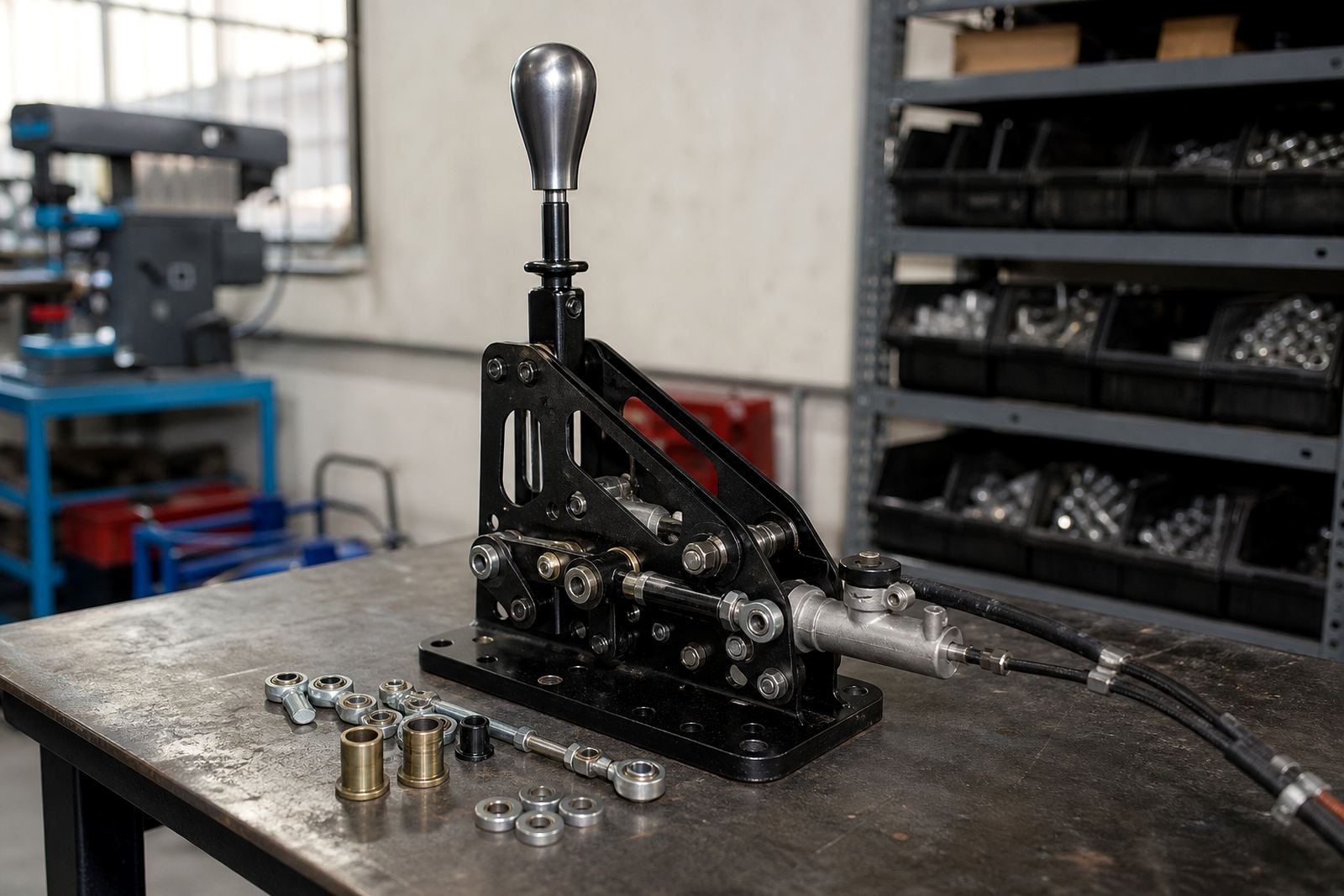
Drivers often want a tighter shift because it feels more direct in the hand. The lever moves through a smaller arc, so each change can feel quicker and more deliberate. That part is real, but the gearbox still has to engage the same gears, through the same synchros and selector parts.
If the original lever is long, vague or floppy, the first fix is not always to shorten it. A worn pivot, loose shifter mount or tired bushes can make every change feel slow and uncertain. In that state a short throw can even exaggerate the problem, because it removes leverage and asks more from the rest of the system.
For Midrand cars that see Kyalami days or local rally stages, the better question is often how cleanly the change lands, not how short the lever looks in the cabin. That is where the full setup matters.
The parts behind the lever do most of the work
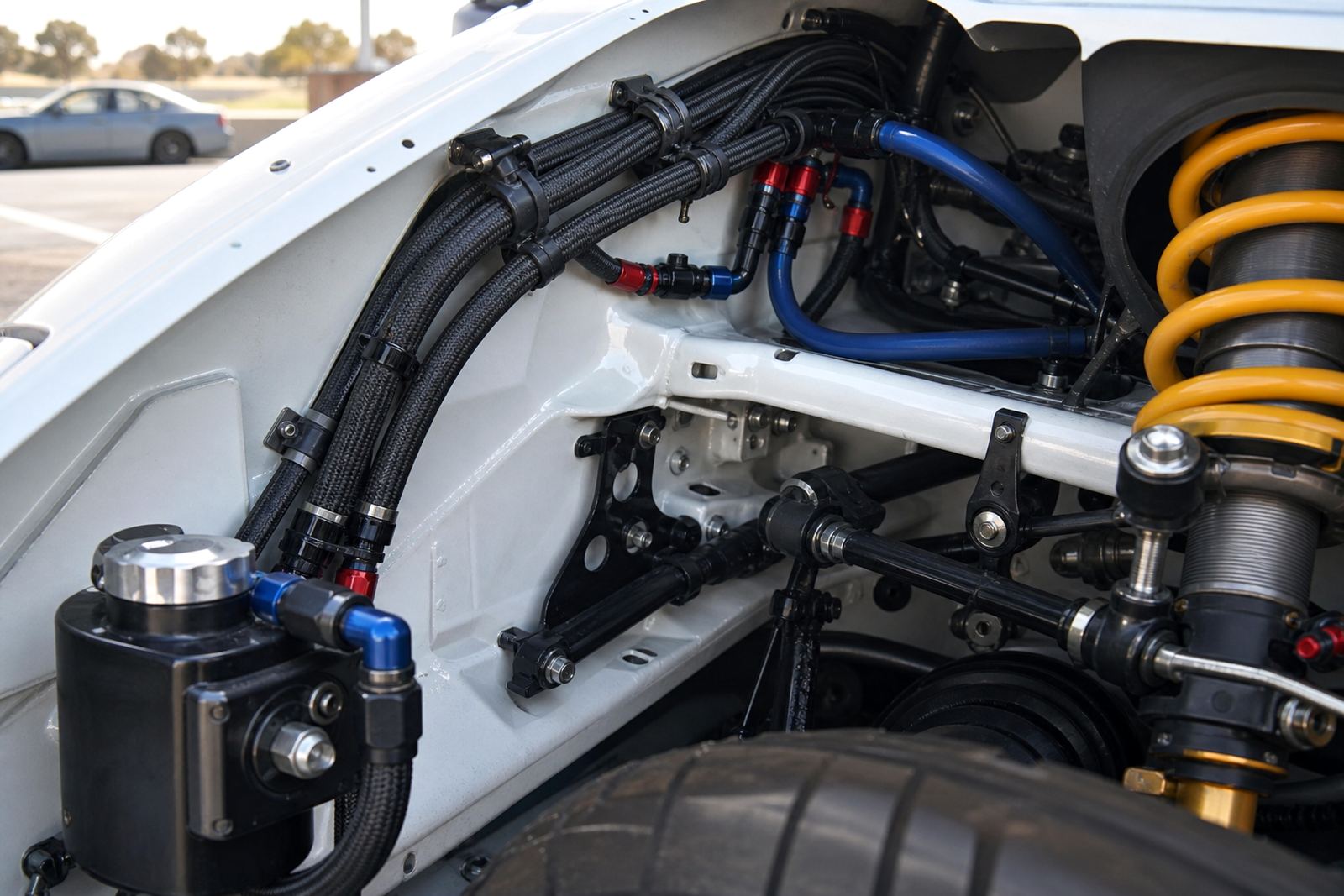
A short shift setup only feels right when the linkage runs true and the drivetrain is not fighting it. The lever, selector rods, bushes and gearbox mount all affect how much effort the driver feels. Even small amounts of play can turn a neat upgrade into a notchier, less forgiving change.
- Worn linkage bushes can make the gate feel wider than it should be.
- Soft or torn gearbox mounts can let the drivetrain move under load.
- Poorly set cable or rod length can leave the lever off-centre.
- Heavy clutch drag can make quick shifts harder than they need to be.
- Old fluid can dull synchro action and mask the real issue.
On a track car, that extra slop shows up under braking and on exit. In rally use, it can become worse when the car is bouncing, twisting and changing load quickly. The fix is usually a measured one, not a loud one.
Where a short shifter earns its place, and where it fights you
A shorter throw is useful when the driver wants cleaner gear changes and less hand travel between ratios. It can suit sprint work, circuit laps and some club racing cars, especially when the rest of the car is already tidy. It can also help drivers who prefer a more mechanical feel in the cabin.
There are tradeoffs. A very short shift may feel crisp at first, but it can take more effort and make missed gears more likely if the linkage is not well sorted. The lever can also transmit more vibration and more of the gearbox texture into the cabin. That is fine for some drivers and tiring for others.
In a car that still needs street use, the balance matters. A setup that is perfect for a short qualifying run may feel awkward in Johannesburg traffic or on a long road leg to Durban. The right answer is the one that suits the car, the box and the driver, not just the catalogue claim.
Clutch feel, synchros and oil are part of the same conversation
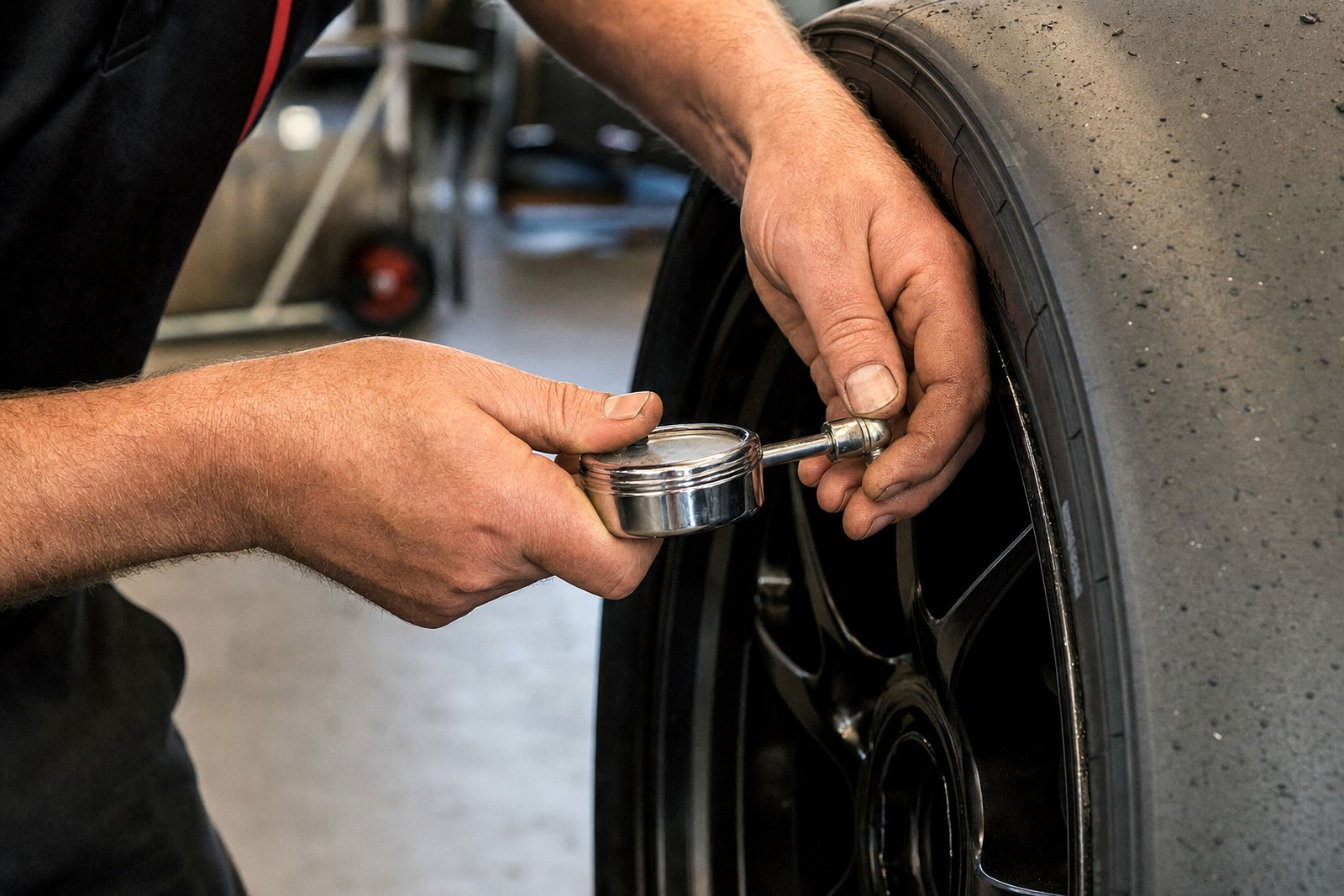
Gear changes do not happen in isolation. If the clutch does not fully release, the gearbox has to fight residual drag every time the driver slots a gear. That can make a short shift feel notchy or reluctant, especially when the car is hot.
Synchro wear matters too. A gearbox with tired synchros may still shift, but the speed and smoothness of the change can suffer. In that case, changing the lever alone is only a partial answer. Fresh fluid of the correct type can help, but it will not erase worn parts.
- Check clutch free play and release travel before changing the lever ratio.
- Inspect selector bushes and rod ends for slop or binding.
- Look at gearbox mounts and engine mounts for movement under load.
- Use the right lubricants for the box and the operating temperature.
- Test the shift when cold and again when fully warm.
A good setup is usually the one that stays consistent from pit lane to the final lap. Consistency counts for more than a dramatic first impression.
A Kyalami hatch that wanted quicker changes
A front-wheel-drive club racer from Midrand came in with a common complaint. The driver wanted a shorter throw for quicker upshifts, but the real issue was a vague centre gate and a clutch that was not fully separating when hot. The lever felt short enough already, yet the changes still felt messy under pressure.
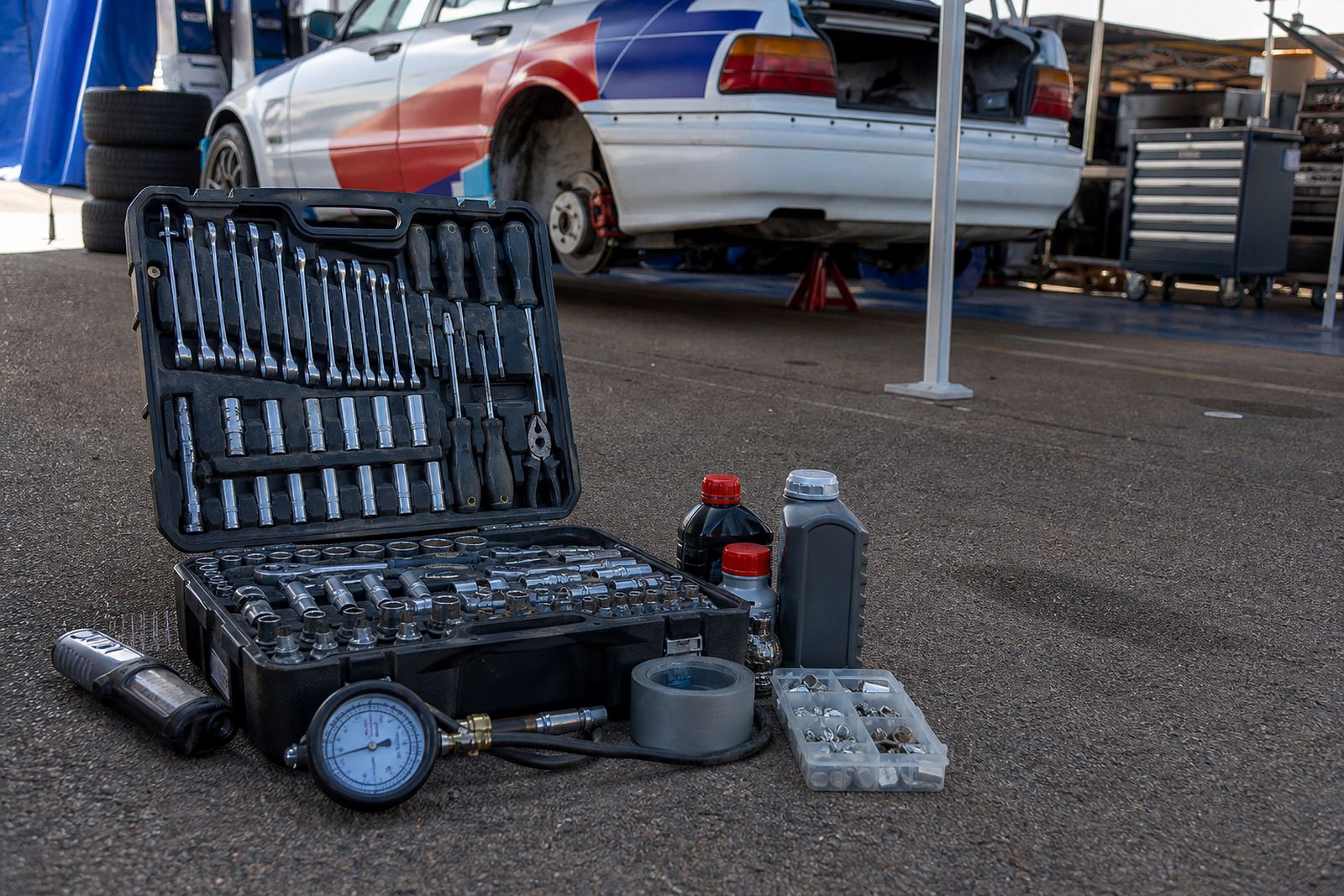
The fix started with the basics. The linkage was checked, worn bushes were replaced and the gearbox mount was tightened up. After that, the clutch setup was checked, the pedal travel was measured and the shift feel was re-tested. Only then did a shorter lever make sense, because the rest of the system could support it.
At the next Kyalami outing the driver did not need to force the lever. The changes felt shorter, yes, but more importantly they felt repeatable. That is the part that matters in a race weekend.
What to judge before you shorten the throw
A short shift is best treated as a handling part for the drivetrain. It changes how the driver interacts with the car, so the rest of the cabin and gearbox setup has to be in shape. If the seat position is awkward or the harness holds the torso too high, the hand position to the lever may already be wrong.
On a proper setup day, the focus is usually practical. Can the driver reach the lever cleanly under braking? Does the shoulder and elbow angle stay natural through a lap? Does the knob sit where the wrist wants it, or does it ask for a stretch on every change?
- Seat position and steering wheel reach affect shift consistency.
- Harness fit can change how steady the upper body stays.
- Shift knob height and lever angle affect hand travel.
- Gate spacing should suit gloved hands, not just bare hands.
- The car should be tested under real driving load, not only in the workshop.
That is the practical side of short shift tradeoffs. A neat lever can help a car feel sharper, but the best result comes when the full system works together.