

Pack for the jobs you actually do between sessions
A track outing asks for more than a helmet and fuel. You need the tools that match the work you are likely to do in the paddock, with enough room for a brake bleed, a wheel swap or a quick check on a loose heat shield. In Gauteng, dust and heat build up fast and the car can change feel after only a few hard laps.
Keep the pack focused. A tidy box is easier to move around Kyalami or Midrand than a mixed pile of random spanners, cable ties and old rags. It also means the crew is not hunting for one socket while the car sits on stands.
The hand tools that earn space in the trailer
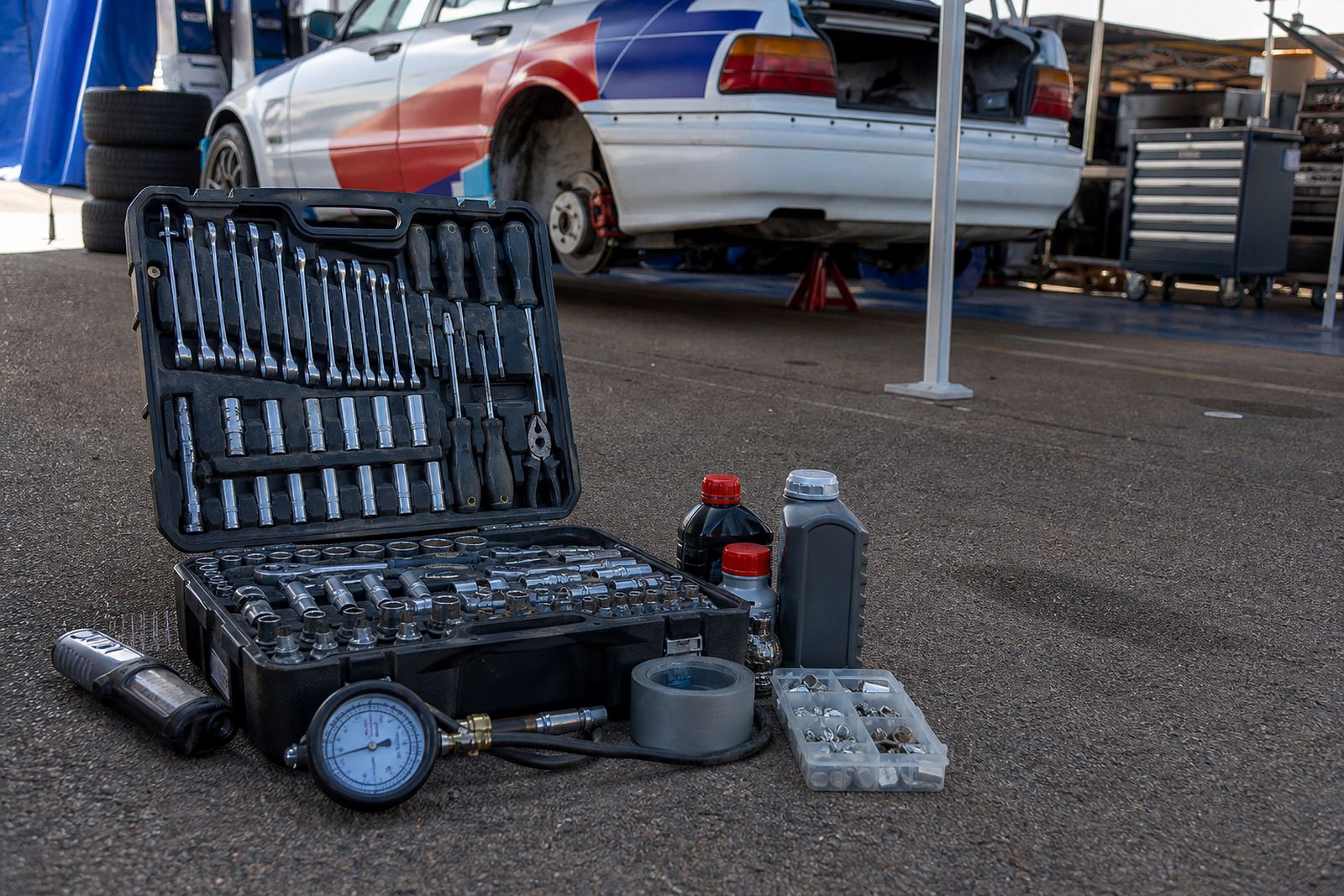
Most private track days need a small but serious hand tool set. Not every job calls for a big workshop kit, but the right few items save time when a clamp loosens or a splitter bracket needs attention. A compact torque wrench is worth carrying too, because wheel nuts and suspension fasteners should not be guessed at after a warm session.
- Metric spanner and socket set, with extensions
- Torque wrench for wheel nuts and key fasteners
- Breaker bar for stubborn wheel bolts
- Hex and Torx keys for seat rails, brackets and panels
- Screwdrivers, pliers and side cutters
- Trim tools and a small inspection mirror
A head torch helps when the sun drops and you are still checking tyre wear or pad movement. Add gloves and a clean rag roll, because brake dust and hot fluid do not mix well with bare hands.
Consumables that prevent a small issue becoming a long afternoon
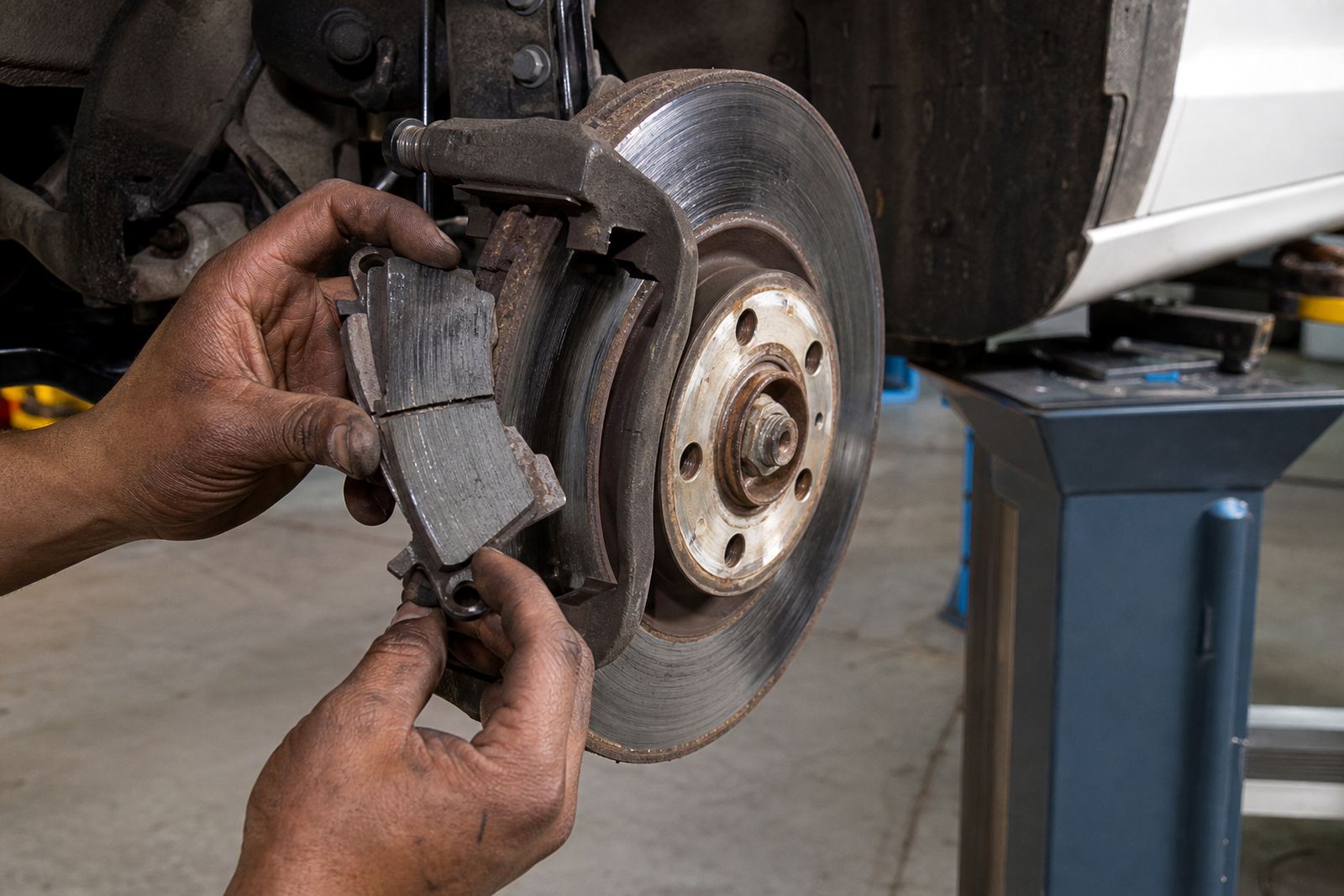
Consumables are the quiet part of a proper track bag. They are cheap compared with lost laps, and they often decide whether the car goes back out or stays on stands. Brake fluid is the obvious one, especially when the car sees repeated high-speed stops and the pedal starts to feel long. Fresh brake pads matter too, along with a spare set if the event is long or the car is heavy.
Pack the items below before you leave:
- Fresh brake fluid suited to hard braking use
- Brake cleaner for discs, pads and calipers
- Cable ties in mixed lengths
- Assorted hose clamps and spring clips
- Threadlocker and anti-seize compound
- Shop towels, nitrile gloves and a small drip tray
- Tyre marker, chalk or a paint pen for pressures and settings
If the car is running hotter than usual, carry engine oil and coolant matched to your setup. A small top-up can save a long tow home, especially after an afternoon stint in Pretoria traffic on the way back to the venue.
What the cooling system should have in the bag
Cooling checks are easy to ignore until the gauge starts climbing. Track cars with upgraded radiators, oil coolers or improved ducting still need simple spares and a few tools on hand. A loose hose clamp, a rubbed pipe or a split silicone joiner can stop a strong day early.
For the cooling side, carry spare clamps, short hose offcuts, coolant concentrate where your mix allows it, and a funnel that fits the filler neck cleanly. A small inspection light helps when you are checking for seepage around joins, filler caps and corner-mounted coolers. In coastal towns like Durban, humidity and salt air add another layer, so it is worth wiping metal fittings and checking them before the car heads home.
Safety and fit items that should be checked in the paddock
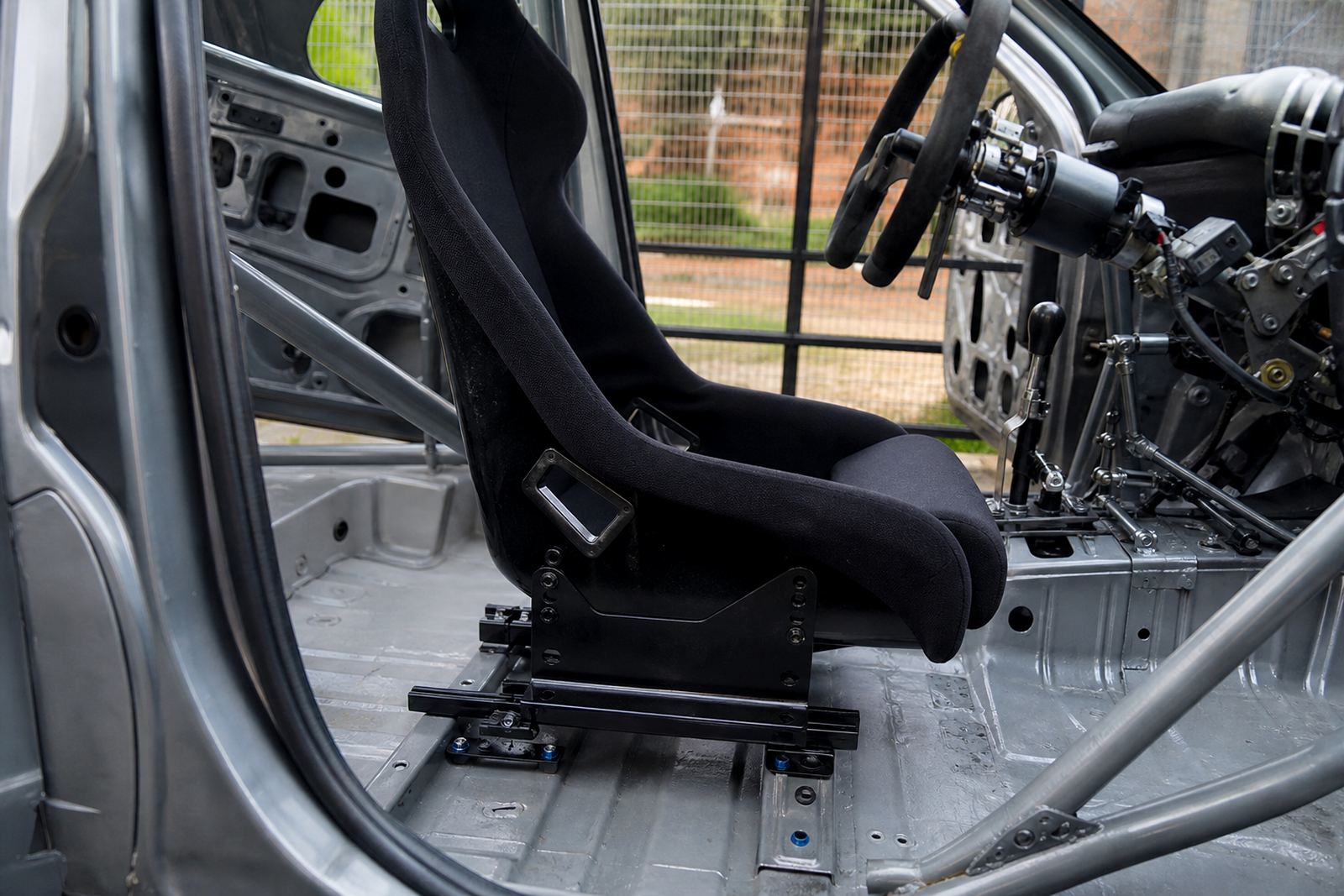
Seats, harnesses and roll cage clearances are not background details when the car is being used hard. Before the first session, check that the harness straps sit flat, the buckle closes cleanly and the seat position lets the driver reach the wheel and pedals without stretching. If the seat mounts or side brackets were moved recently, inspect every fastener again.
Take these with you if the car uses motorsport safety gear:
- Spare harness bolts and washers where the setup allows them
- Helmet-friendly padding for bar contact points
- Zip ties for loose wiring away from the seat area
- Fleece or cloth wrap for sharp edges near the cockpit
- Marker pen for noting seating or strap positions
It is worth checking the seating position before tyre pressures are chased. A driver who sits crooked or too far from the pedals will never feel a setup change clearly.
Alignment, tyre and suspension checks that fit a fast morning
Suspension changes show up quickly on track. A coilover adjustment or alignment shift can make the car better, or it can push the front end into a nervous turn-in. That is why a small toolkit should include a tyre pressure gauge, a tread depth gauge and the tools needed for ride height, camber plates or locking collars where fitted.
For a car running bushes, coilovers or a recent alignment, note the baseline settings before the first run. Simple records help when the car feels different after lunch and you need to know what changed. A set of wheel chocks, a jack and good axle stands are also part of the story, because under-car checks should be stable and calm, not rushed.
One Midrand example comes up often enough: a club racer leaves for Kyalami with fresh pads, then finds the front left tyre running hotter than the rest after two sessions. A pressure drop and a small alignment tweak can settle the car, but only if the gauge, tools and notes are already in the box.
Make space for the awkward items too
The awkward items are the ones people forget. Tow strap, spare wheel nuts, fuses, relays, a battery terminal brush and a small bottle of water for cleaning sticky fluid all deserve a place in the kit. If the car uses a fuel cell or a modified fuel system, check the cap, breather and hose routing before loading the trailer. Clutch and shift feel should also be part of the pre-run walkaround, because a stiff pedal or vague lever can ruin confidence on track.
Good packing is not about taking everything along. It is about carrying the right mix of tools and consumables so the car can stay in the paddock and spend more time on circuit. RaceHouse works with drivers in Midrand, Johannesburg, Pretoria, Kyalami, Durban, Cape Town and Port Elizabeth on brake upgrades, coilover setup, alignment checks and setup days, so the packing list usually comes from real track use rather than guesswork.
Keep the bag lean, but never thin. The difference shows up when the second session starts and the car is still ready.