

The small fasteners that deserve a slow look
A pre-event nut check is not glamorous work, but it is the sort that saves races, panels and tempers. On track, rally and club cars, the items that matter most are often the least noticed: caliper bolts, wheel nuts, seat fixings, harness mounts, suspension hardware and the tiny clips that hold a line where it should stay.
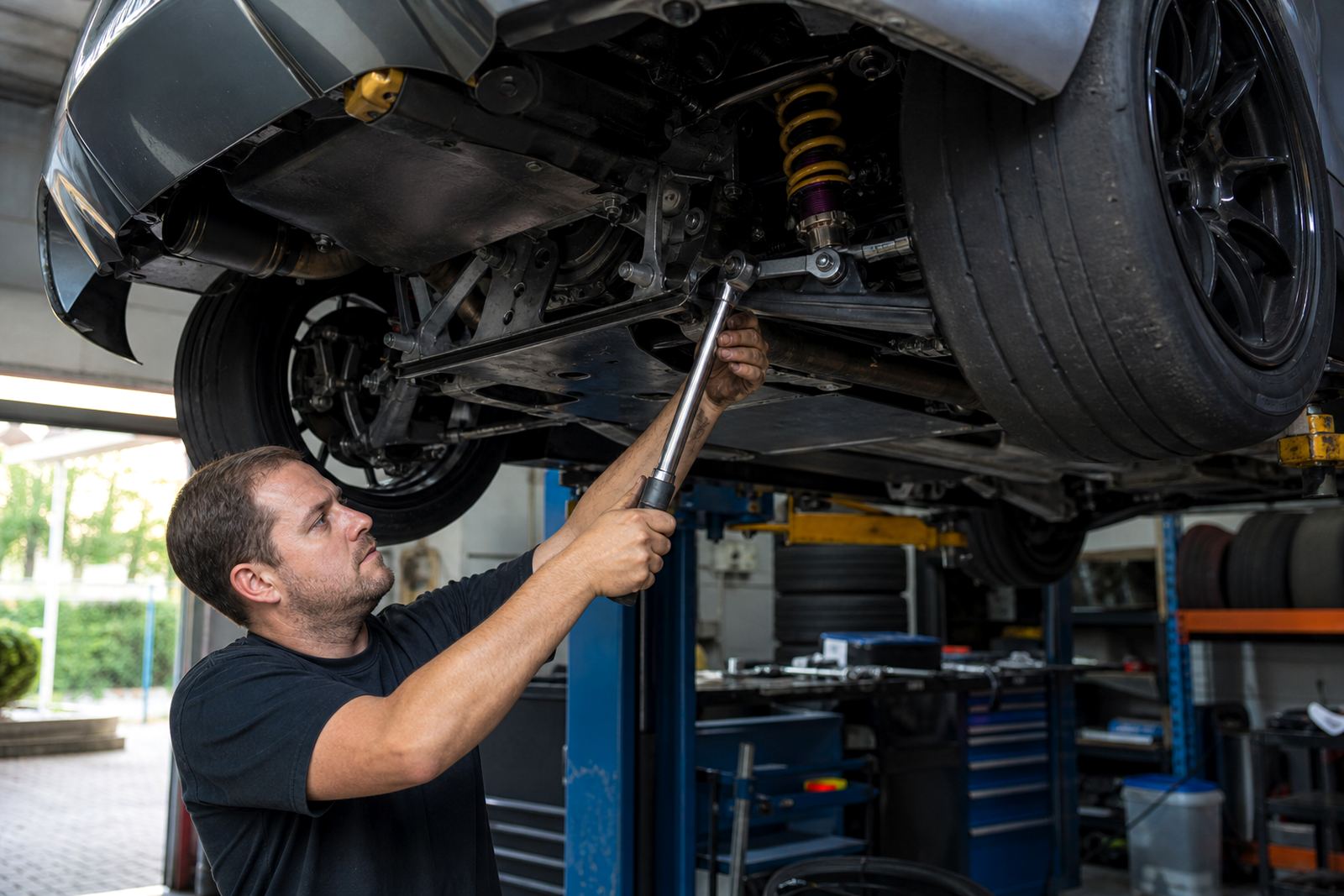
In Midrand, many cars leave after a week of workshop work and still need a calm hand over every critical fastener. Heat cycles, kerb strikes, trailer miles and road use to a venue can all loosen hardware a little. A fresh torque check on the morning before loading, then another once the car is in the paddock, gives you a cleaner baseline than guessing later.
This is also where a second set of eyes helps. A bolt can feel tight and still be the wrong length, seated against paint, or clamping a part that has shifted slightly. A careful walkaround catches those details before they grow into noise, leaks, or a part that moves under load.
- Check wheel nuts, hub nuts and any exposed locking hardware.
- Look for witness marks around brackets, tabs and arm pivots.
- Confirm that nyloc nuts, split pins and safety wire are still in place.
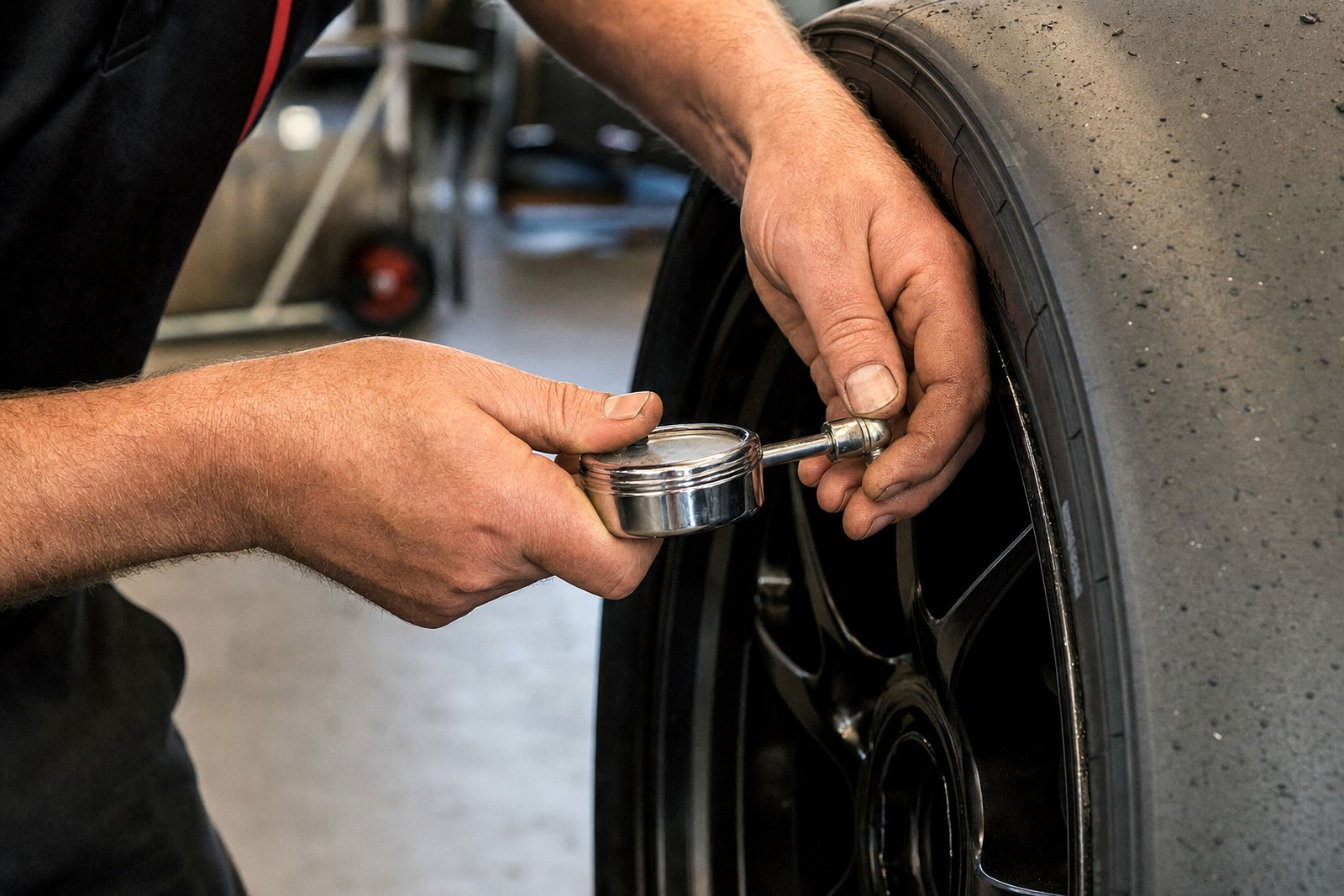
- Check for tyre cuts, cords, flat spots and uneven wear.
Brakes, lines and the heat that follows the first lap
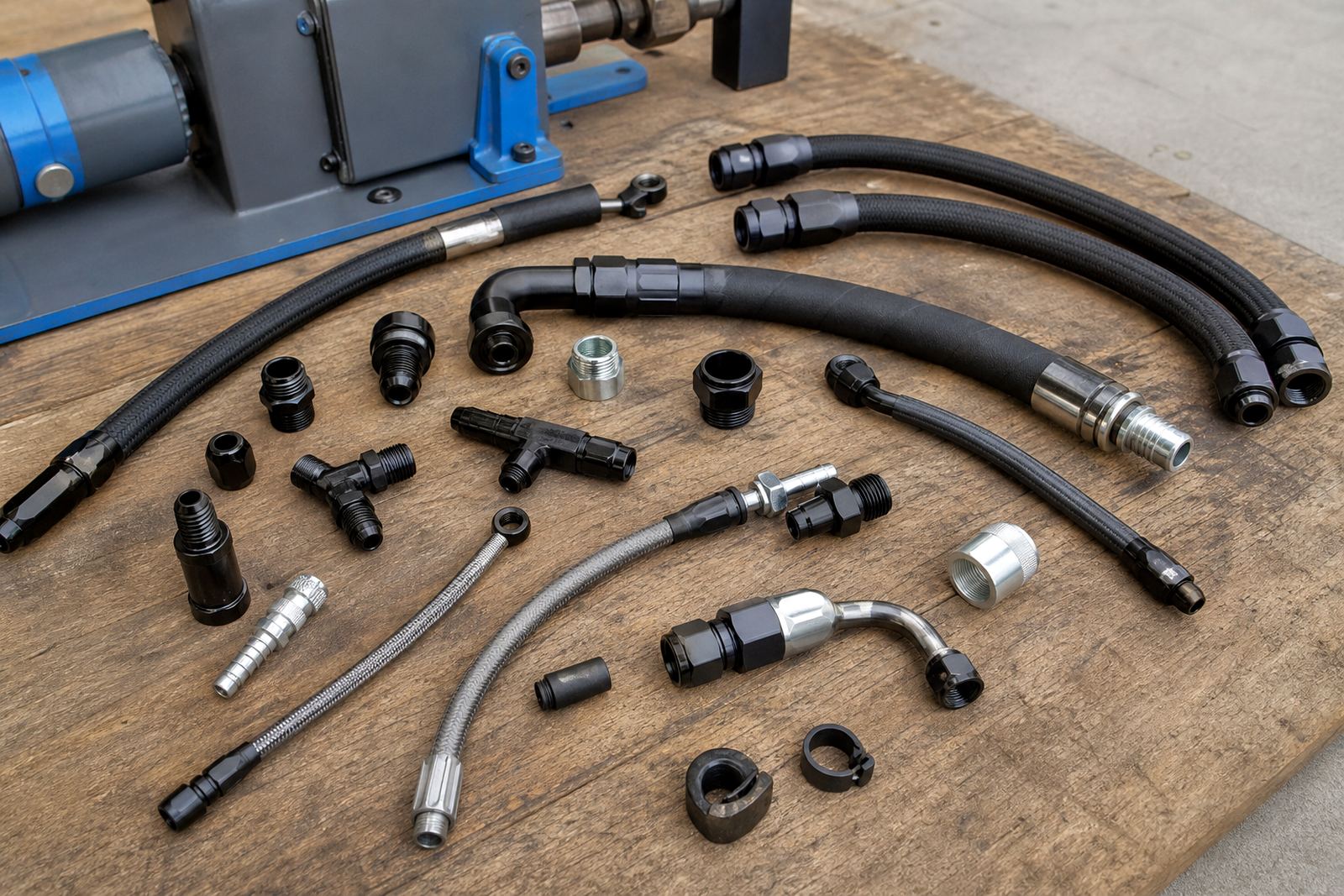
Brake parts need more than a quick glance. Pads, fluid, discs, caliper bolts and braided lines all carry heat, vibration and repeated pressure. A car that stopped well last outing can still arrive with fluid that feels soft, a pad edge that has tapered, or a line clip that has walked loose near the upright.
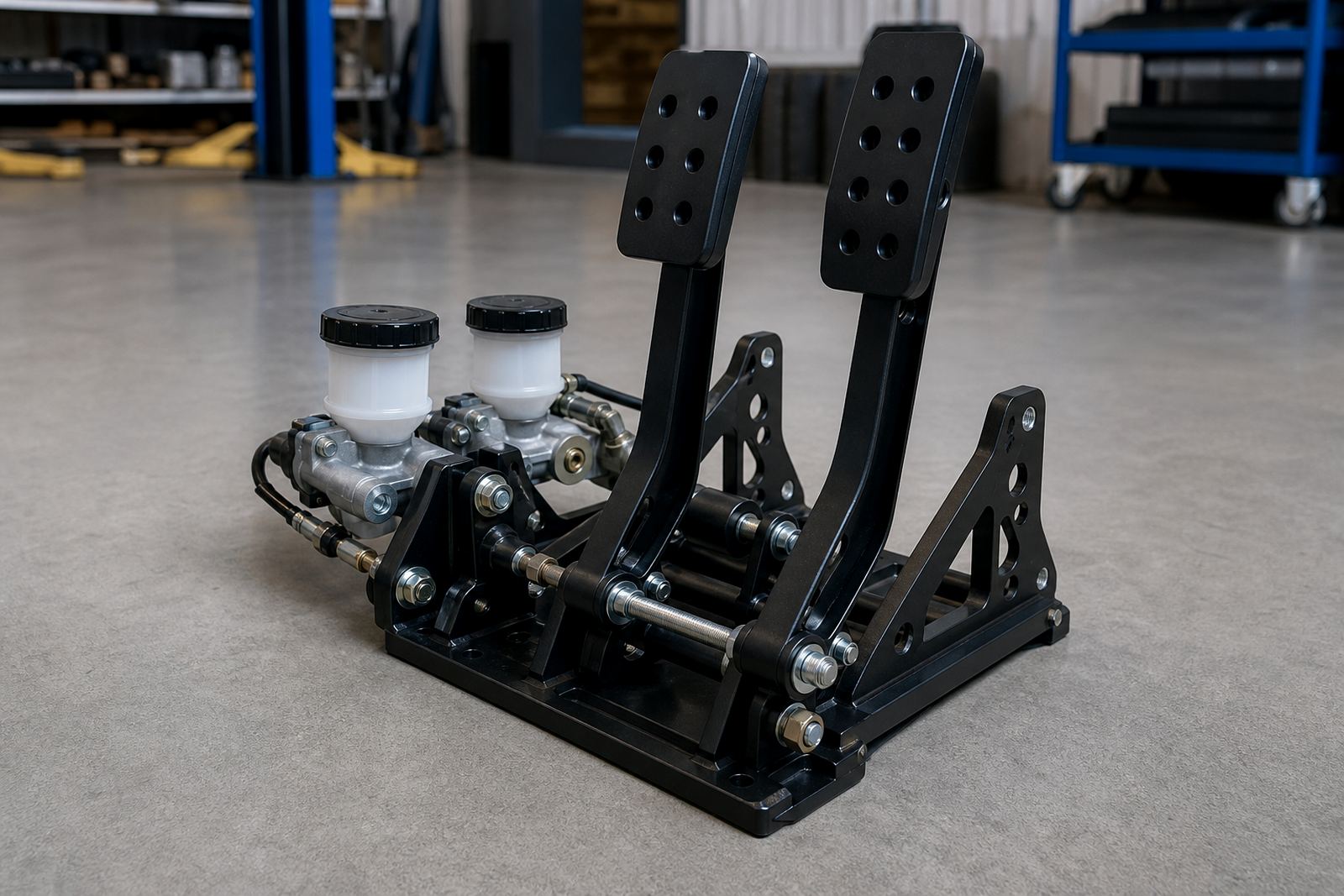
For a brake upgrade planning session, the practical question is not only what fits, but what will survive the pace you expect. A lighter club racer may need a different pad compound to a heavier rally car that works harder on rough surfaces and longer descents. The goal is steady feel, not drama.
Bleeding the system before an event is worth the time if the pedal feels vague or the fluid has been through several heat cycles. Moisture in the fluid changes pedal behaviour and can show up sooner on a hot day in Gauteng than many drivers expect. A firm pedal before transport, and the same feeling after the car has settled, is the better sign.
- Check pad thickness from inner and outer edges.
- Look for dark fluid, air in the lines or damp fittings.
- Inspect disc faces for cracks near the vanes or drilled holes.
- Make sure brake hose routing stays clear of steering lock and travel.
Suspension bolts, bushes and the numbers that should stay put
Suspension fasteners carry a lot of the event's truth. If a coilover top nut is loose, if a lower mount has shifted, or if a bush is torn and pulling the arm off line, the car will usually tell you through odd steering feel or uneven tyre temperatures. Sometimes it only whispers at first, which is why the inspection matters.
Alignment checks and corner weighting are best done with the car in the same state it will run in. Fuel level, driver weight, tyre condition and the tools carried in the car can all change the numbers a little. That is normal, but the hardware must be stable before those readings mean anything.
At a track setup day, the useful habit is to combine the physical inspection with a brief measurement pass. Ride height, camber, toe and cross weights do not need to be perfect for every class, but they do need to be repeatable. If the readings move after a short shakedown, something has shifted.
- Check coilover collars, top mounts and spring seats for movement.
- Inspect bushes for cracking, separation and fluid seepage where relevant.
- Confirm that alignment bolts are marked and still aligned.
- Look over steering racks, tie rods and ball joints for play.
Cooling parts that fail quietly until the gauge moves
Radiators and oil coolers may look sound on the outside and still fall short where it counts. A bent fin pack, rubbing hose, loose clamp or small seep at the tank seam can turn into a bigger issue once the car is pushed hard and the airflow changes. In coastal humidity, or after a dusty rally stage, the cooling package deserves a proper inspection.
The practical check is simple. Make sure the radiator core is clean enough to breathe, the fans spin freely if fitted, and the oil cooler lines are secure and not rubbing through on brackets or bodywork. It is worth checking the expansion tank cap and overflow routing too, because a minor pressure fault can look like a major overheat.
For cars that use additional ducting or panel work, confirm that nothing has moved against the core. A foam strip missing at one corner can change how air passes through the system. That sort of gap is easy to miss in a rush and easier to catch on a slow inspection with a torch.
Seats, harnesses and the parts that keep the driver settled
Safety gear needs the same practical attention as the mechanical side. Seat mounts, harness anchors, shoulder strap angles and buckle condition all need to line up with the way the driver sits in the car. If the position has drifted, the belts may look fine yet work poorly under load.
Seat positioning matters for comfort, but more importantly for control and visibility. A driver who is bracing against the wheel or sitting too close to the pedals will often feel more fatigue after a few laps or a longer stage. Small changes to seat angle, base height and steering reach can make the car easier to place and easier to drive consistently.
Roll cage fit advice is part of the same picture. A cage can be well built and still create awkward access, interference with belt routing, or a helmet clearance issue that only shows up once the seat is bolted in. A calm inspection before an event gives time to sort those details, not solve them with tools in the paddock.
Friday night spanner check before loading the trailer
A local club racer leaving Midrand for Kyalami may have spent the week changing pads, adjusting camber and fitting a new clutch cable or shift linkage. The car might feel ready, yet a pre-event nut check can still find a loose exhaust hanger near the rear subframe, a harness bolt that needs re-torquing, or a steering lock nut that has not fully seated after alignment. Each one may seem small on its own, but together they change the whole day.
That is why the inspection works best as a routine rather than a panic. Walk the car in a fixed order, note what was touched recently, and keep the tools you use for checks in the same place each time. Drivers who run across Johannesburg, Pretoria, Durban or Cape Town often build this into the final prep window because the car leaves better when the checks are less rushed.
The same habit helps on rally cars and endurance builds where fuel system layout, cooling lines and underbody hardware all live close together. A little time spent on fasteners now can spare a lot of sorting later.
What our workshop looks for before the car goes out
When RaceHouse supports a prep day, the inspection is practical and specific. We look at the parts that carry load, heat and vibration first, then move through the rest of the car in a steady order. That includes brakes, suspension, cooling, seats, harnesses, fuel cell mounts, clutch linkage and any exposed fixings that have been disturbed recently.
Drivers often want fitment advice too, especially after changes to wheels, dampers or safety gear. We are not looking to add needless work. It is to make sure the car leaves with the correct hardware in the right spot, and nothing left partly tight or unfinished.
Our Midrand base supports racers from Gauteng and beyond, with setup days, alignment checks and technical advice for people who want a proper look over the car before it is loaded. The best event prep is usually quiet, careful and a bit repetitive, which is exactly why it works.