
Bias is not a number to chase for its own sake
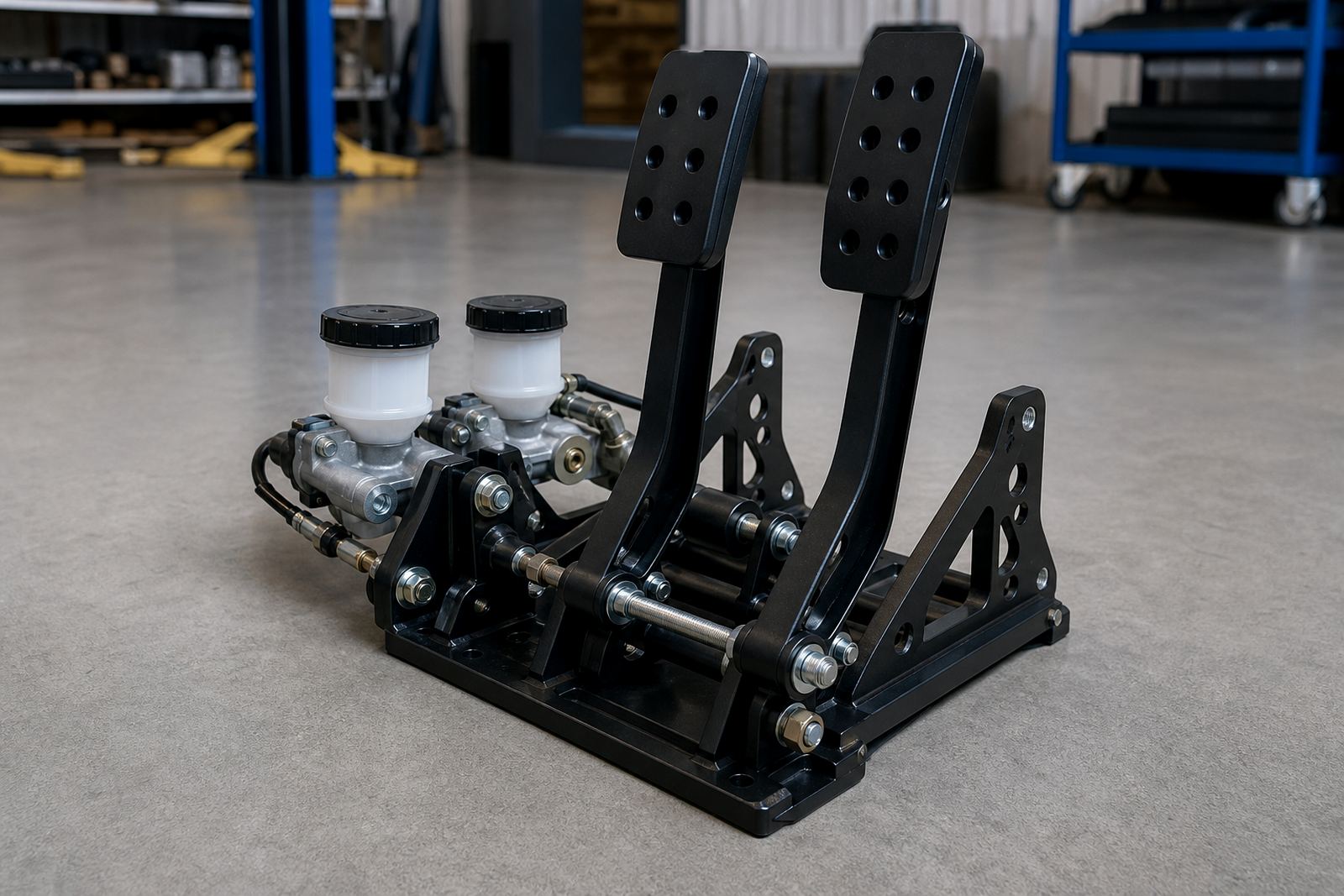
Pedal box bias is the split between the front and rear brakes, and it shapes how the car settles under hard pedal pressure. In a light hatchback, a touring car, or a rally build on rougher roads, the right balance depends on tyre grip, weight transfer, pad compound, master cylinder sizes and the way the driver brakes into the corner.
A car that feels safe in the pits can still be wrong on the first hot lap. Too much front bias often gives a long, unhelpful pedal on turn-in and can overwork the front tyres, while too much rear bias can make the rear twitch under trail braking. The answer is not to keep winding the adjuster for the sake of it, it is to understand what the car is telling you.
Start with the hardware that sets the baseline
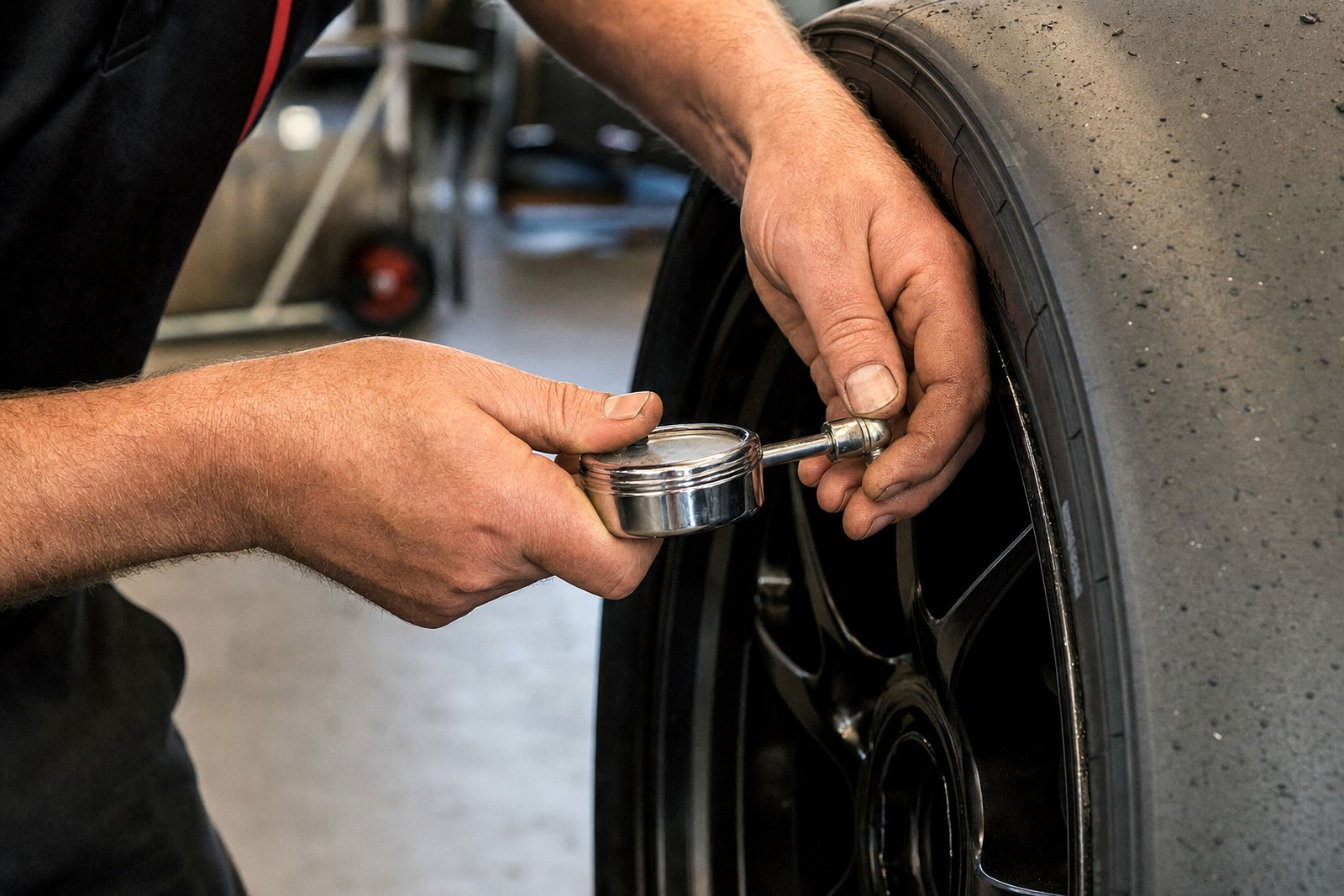
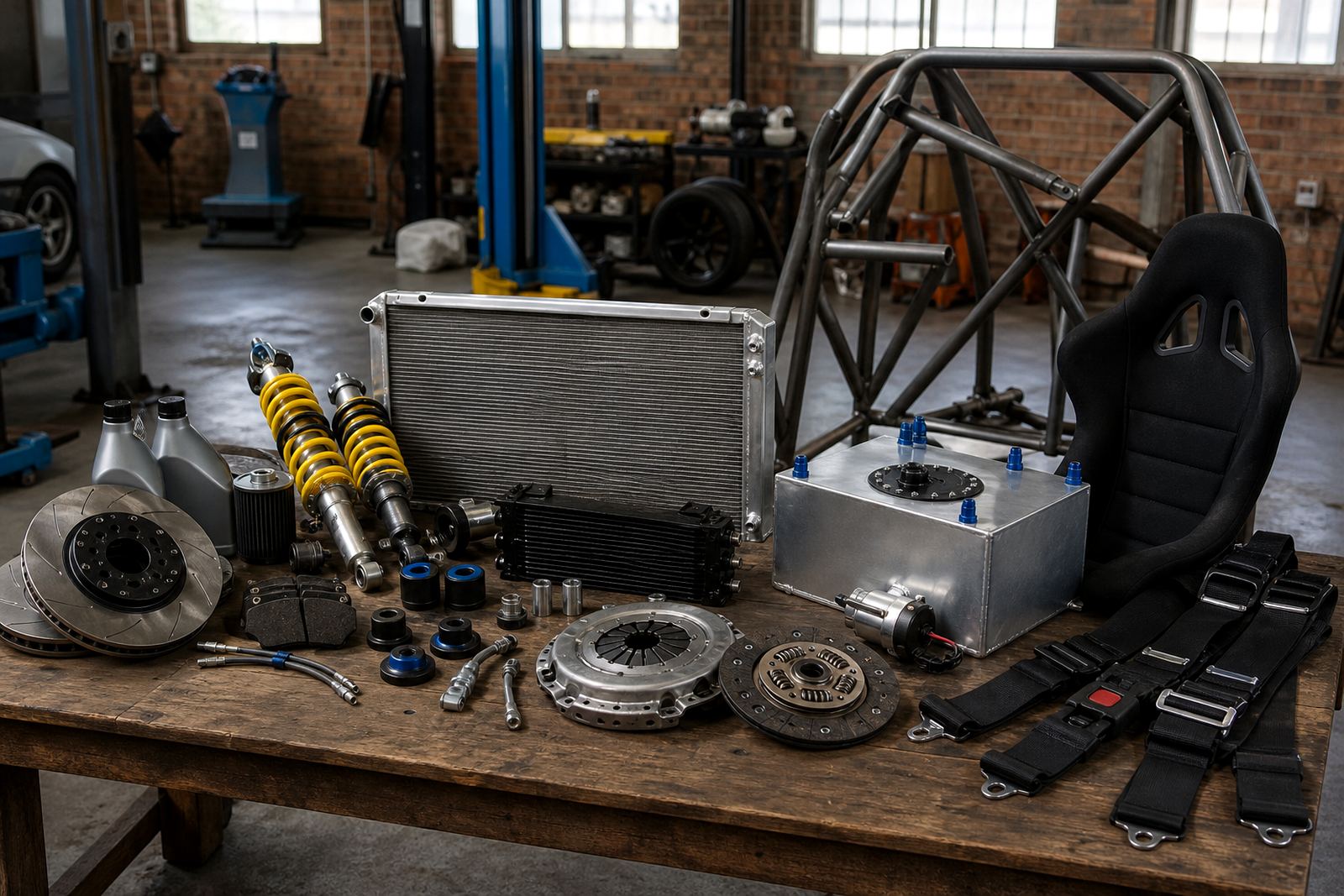
Before changing the balance bar or pedal stop, check that the basic parts are matched to the car. Pad shape and friction level, brake fluid condition, disc size, caliper piston area and the master cylinders all play into the result. If those pieces are far apart, no amount of fine adjustment will clean up the feel.
- Brake pads should suit the car’s weight and use case.
- Brake fluid needs to cope with heat without going soft.
- Pedal travel must leave enough room for control, not just pressure.
- Lines and fittings should be dry, neat and properly routed.
We often see cars where one axle has been upgraded and the other has been left standard. That can work for a short period, but the driver ends up compensating every lap. A thorough inspection reduces guesswork.
What the driver feels on track, not just in the workshop
Bias changes should be tested where the car actually works. A smooth Kyalami-style lap, a tighter club circuit and a rally stage will each expose different faults. On a flat, dry surface the rear may feel acceptable, then the same setup can become unstable on a bumpy surface or a dusty apex.
Watch for these signs during testing:
- Front lock-up before the car is slowed enough for turn-in.
- Rear stepping out when the pedal is still hard at entry.
- Long pedal travel that changes as the brakes get hot.
- Uneven wear on pads, discs or tyres from side to side.
Turn the bias knob a little, run a session, then write down what changed. Move the bias a small amount, then reassess the car under the same conditions. Mixed changes hide the real cause, and you end up chassing a problem that is already fixed somewhere else.
Balance changes must suit the corner entry style
Some drivers brake hard in a straight line, release early and turn in once the car is settled. Others trail the brakes deeper into the bend. Those two styles do not want the same bias. A sharper entry style can tolerate a more rearward feel if the car rotates cleanly, while a straight-line style often needs a safer front-leaning setting.
The pedal box should allow the driver to work with confidence, not fight the car every lap. When the bias is close, small inputs give a clear response. When it is off, the car feels nervous on one lap and lazy on the next. That kind of inconsistency makes it harder to judge tyre condition, heat build-up and line choice.
Bias changes on a weekday car that races on Saturdays
In Midrand we see a fair number of cars that do circuit days, sprint events and the odd long trip between events. A common issue is a car arriving with fresh pads and fluid but an unchanged bias setting from a previous season. On paper the parts are sound, but the pedal feel no longer suits the tyre package or the way the car now sits on its suspension.
For that sort of car, the process is simple enough but must be disciplined. Check for leaks, inspect the lines, look at pad condition, confirm caliper movement and then set the bias for the track day rather than for workshop comfort. A driver who plans to run in Johannesburg one week and Kyalami the next may need a slightly different balance to suit track temperature and surface grip. That is normal, not a flaw.
Set the pedal box with a method, not a guess
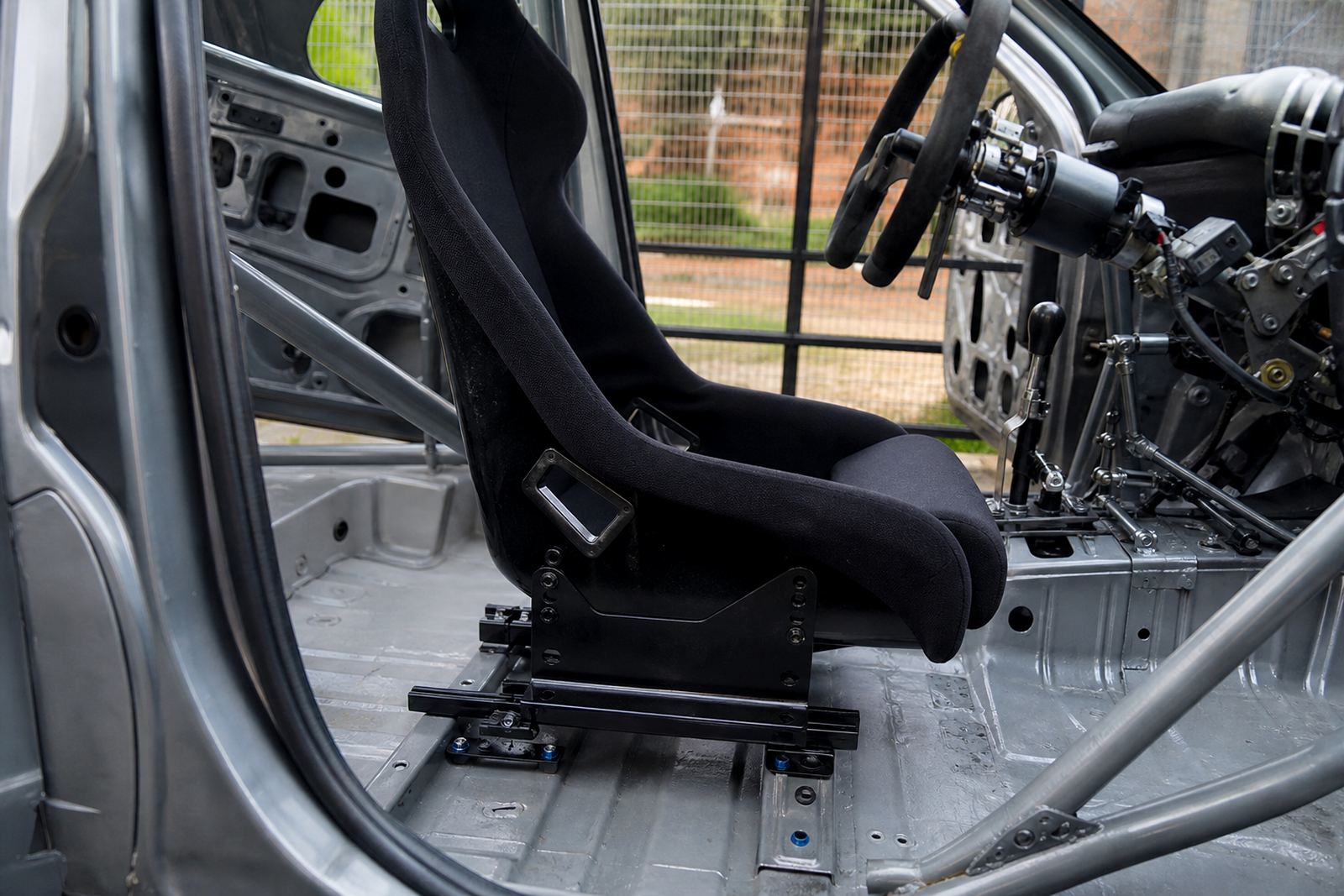
Brake bias work goes better when someone records what changed and why. The driver should know where the adjuster started, how the pedal felt in traffic lanes, and what happened under repeated stops. The workshop side should also look at seat position, harness fit and pedal reach, because a poor driving position can make a good setup feel wrong.
- Check pedal travel before the car goes on track.
- Confirm the balance bar moves freely and evenly.
- Bleed the system fully after any brake work.
- Test in a safe area before pushing hard on circuit.
At RaceHouse, brake upgrade planning, brake bleeding, seat positioning and harness fitment checks all support the same result, a car that stops in a way the driver can repeat. That repeatable feeling matters in racing because the lap time lives in the details, and the pedal is one of the first details a driver notices.
Bias changes should protect the car as well as the lap time
There is no prize for running an aggressive brake split that cooks tyres or unsettles the rear axle every second lap. The better setup is the one that stays predictable when temperatures rise, fuel load drops and the driver gets deeper into the race. If the car is a club racer, a rally car or a track build, the aim is the same: stable braking, clear feedback and a pedal that earns trust.
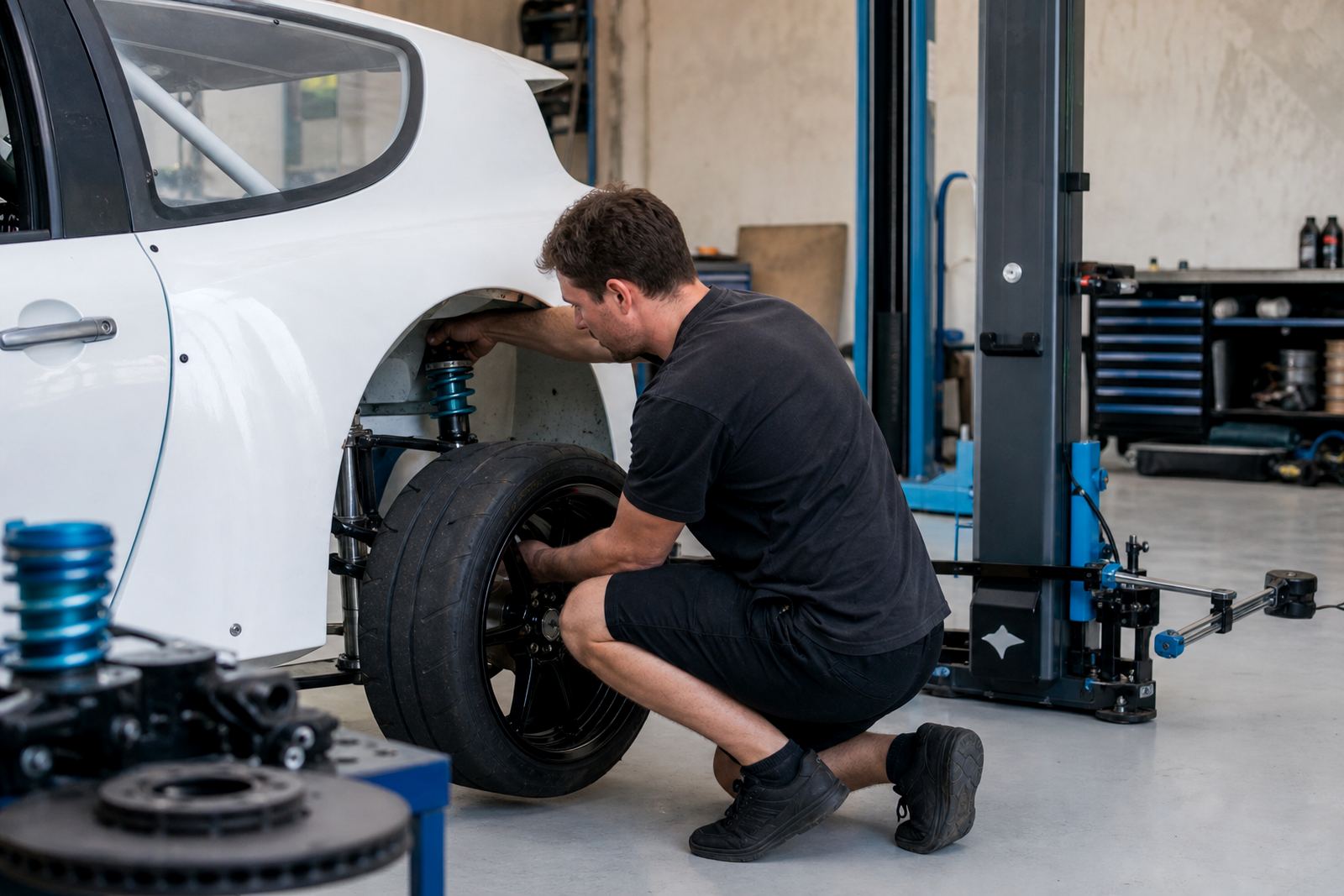
That trust comes from measured changes, proper inspection and honest testing. It is also why coilover setup, alignment checks and corner weighting matter in the same conversation. The brake bias does not live alone. It sits inside the whole package, and the whole package decides whether the car stops cleanly or feels busy under pressure.