

Notes That Matter Before the Spanners Come Out
On a race car, the first set of notes usually tells more than the loudest complaint. A driver might say the rear feels loose, but the useful part is what the tyre pressures were after the run, how many clicks were on the dampers, and what the water and oil temperatures did through traffic and open laps.
That sort of record does not need fancy language. It needs plain figures written down in the paddock while the tyres are still hot and the memory is fresh. When RaceHouse works through brake upgrade planning, coilover setup or cooling checks, those notes help separate a brake issue from a tyre issue or a ride height change that shifted the balance.
For club racers around Midrand, Kyalami and Centurion, the same habit saves time at the next event. A setup sheet with numbers from yesterday is more useful than a vague feeling that the car was “better” or “worse”.
The First Five Numbers to Write Down
Start with tyre pressures, damper clicks, ambient temperature, track temperature and the lap where the car started to feel different. Those five details already point the workshop in the right direction. If the brake pedal went long after a session, note whether the pads had more travel than usual or if the fluid felt soft after repeated stops.
On a cold morning in Midrand, a car can leave the pits with one pressure target and finish the session on something else entirely. The same car at Kyalami in hotter weather may need a different front to rear split, different rebound clicks and a closer look at pad choice. Temperatures are not decoration, they explain the car.
- Cold tyre pressure and hot tyre pressure
- Front and rear damper clicks
- Water and oil temperature at the end of a run
- Brake feel after one lap and after five laps
- Track condition, wet patches or dust on the line
Brakes Tell a Story If You Read Them Properly
Brake notes are often the most valuable because they are easy to misread. A soft pedal may point to fluid aeration, pad knock-back or a bleeding issue, but only if the notes are clear enough to show when the feeling started. Was it after the first hard stop, or only once the tyres were hot and the car was leaning more than usual?
RaceHouse sees this a lot when drivers move from road habits into track use. A bracket of notes about pad compound, fluid age, pedal travel and front bias gives a better base for brake bleed work and upgrade planning. A simple line such as “pedal longer into turn one after ten laps” is far more useful than a broad complaint about weak brakes.
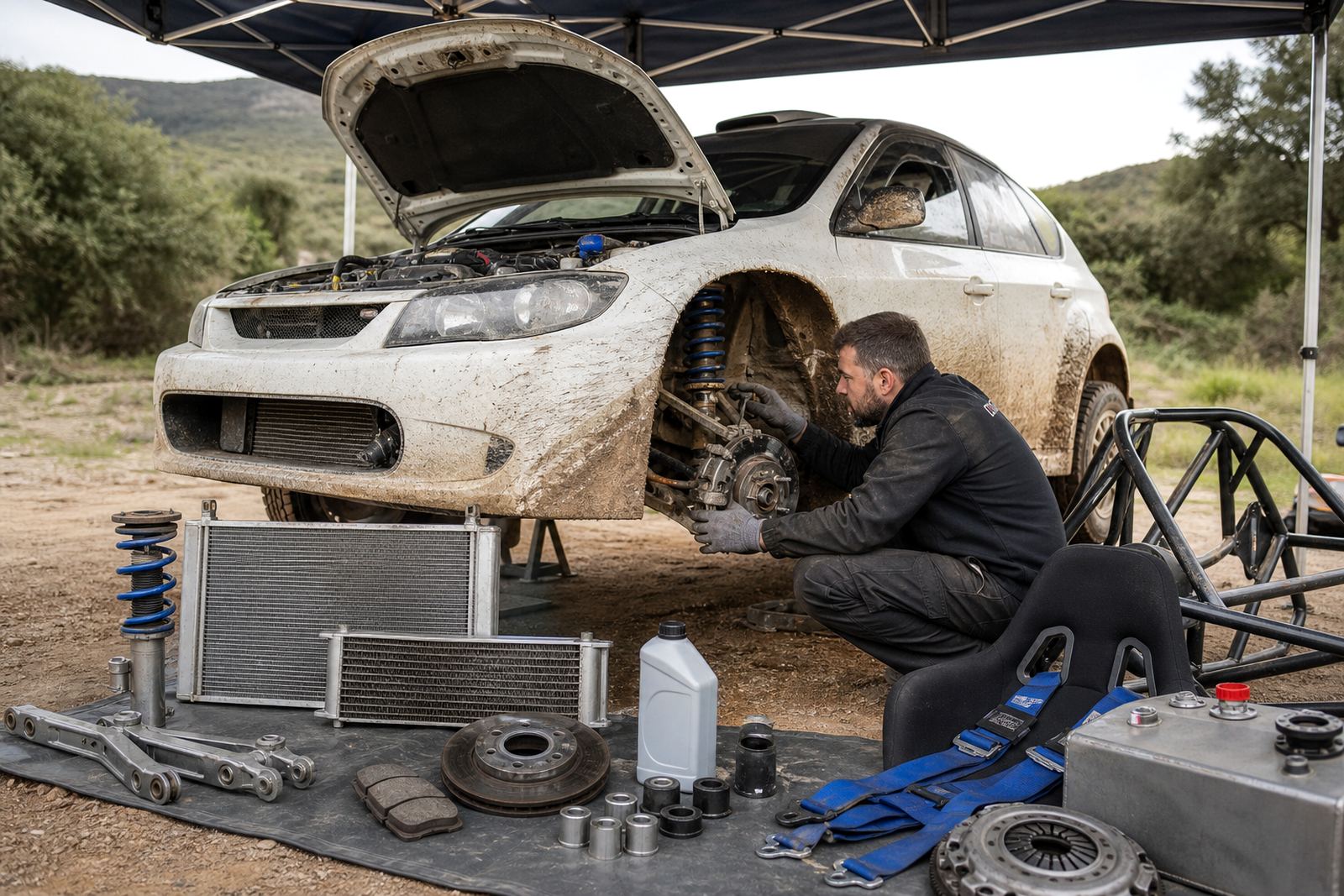
For rally cars and sprint cars, dirt and heat bring their own problems. Dust can change how a caliper moves and heat soak can push fluid past its comfort point. That is where the workshop advice has to stay grounded in the actual run, not memory from the trailer.
Suspension Changes Need a Clean Trail
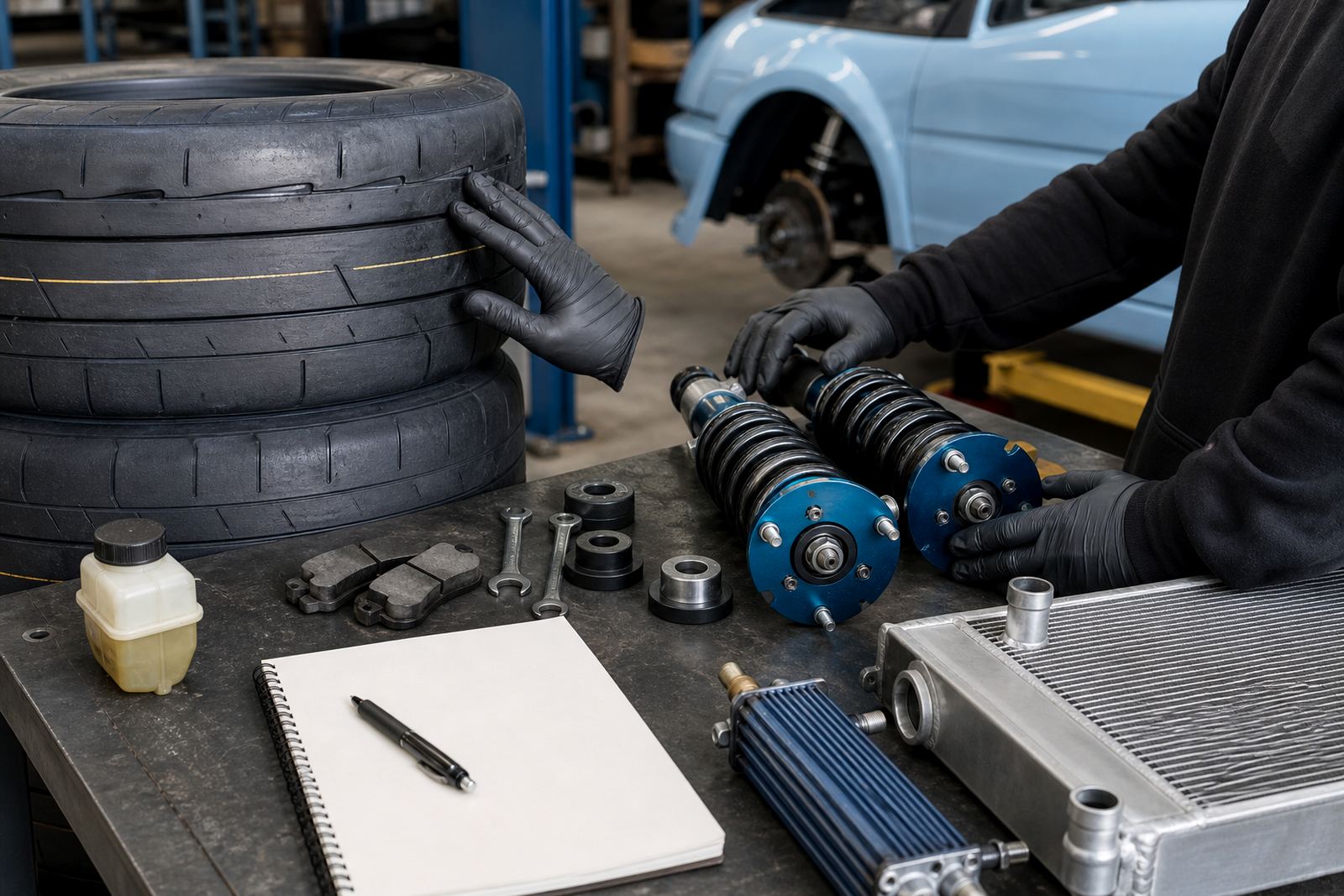
Coilovers, bushes and alignment settings all speak to each other. If the car rolls too much in fast direction changes, the temptation is to blame the damper first. In practice, the note trail may show that the rear ride height changed, the front tyre pressures climbed too high, or one corner weight was off from where it should have been.
Morne Naidoo and the workshop team work from that kind of detail when a driver comes in after a setup day. The better the notes, the cleaner the adjustment path. A string of loose words does not help much, but a list of clicks, tyre pressures and steering feel can guide alignment checks and corner weighting with less trial and error.
- Ride height at each corner
- Damper clicks before and after changes
- Tyre wear across the tread
- Steering pull under braking
- Inside edge, centre or outside edge wear
Cooling Notes Save More Than One Session
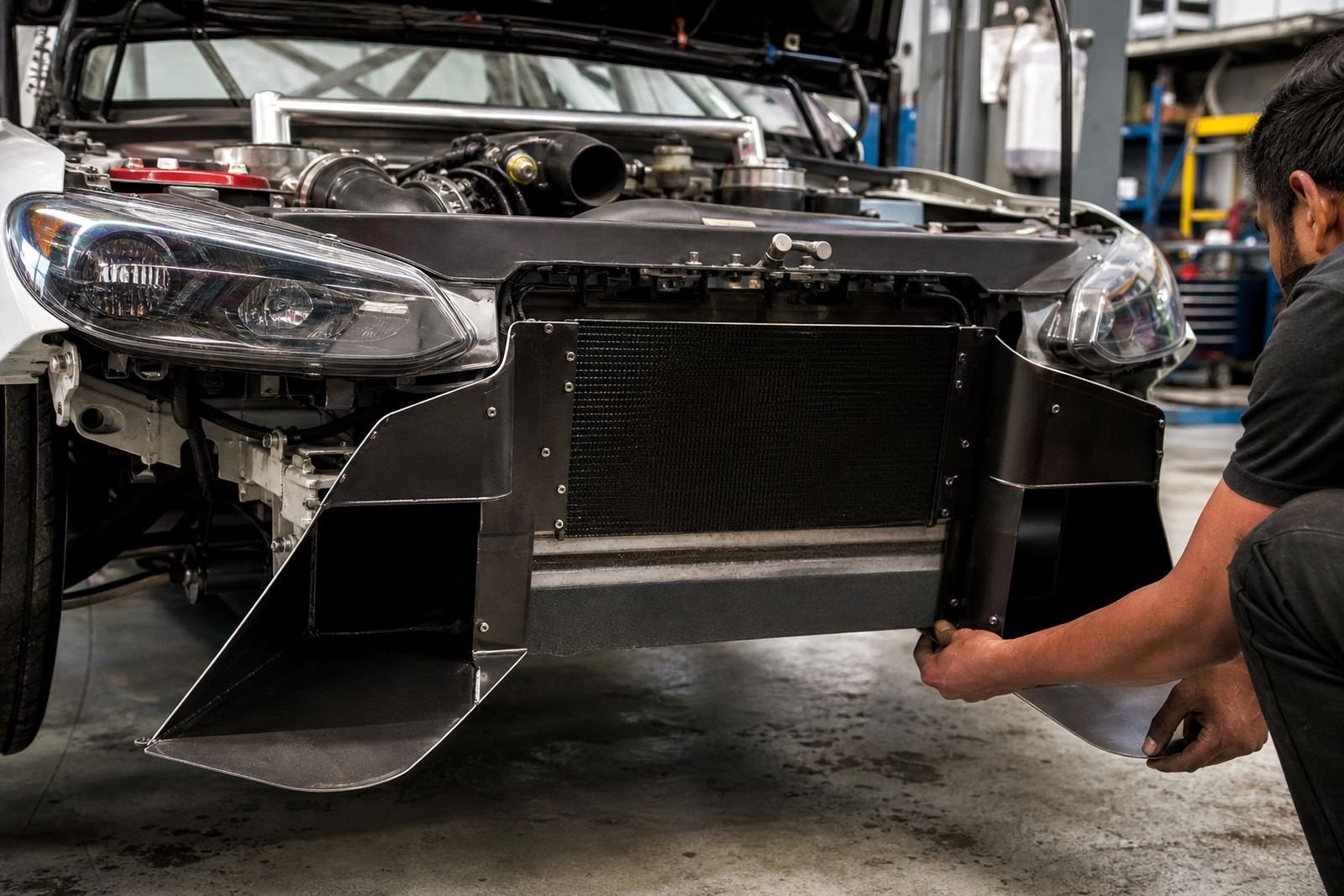
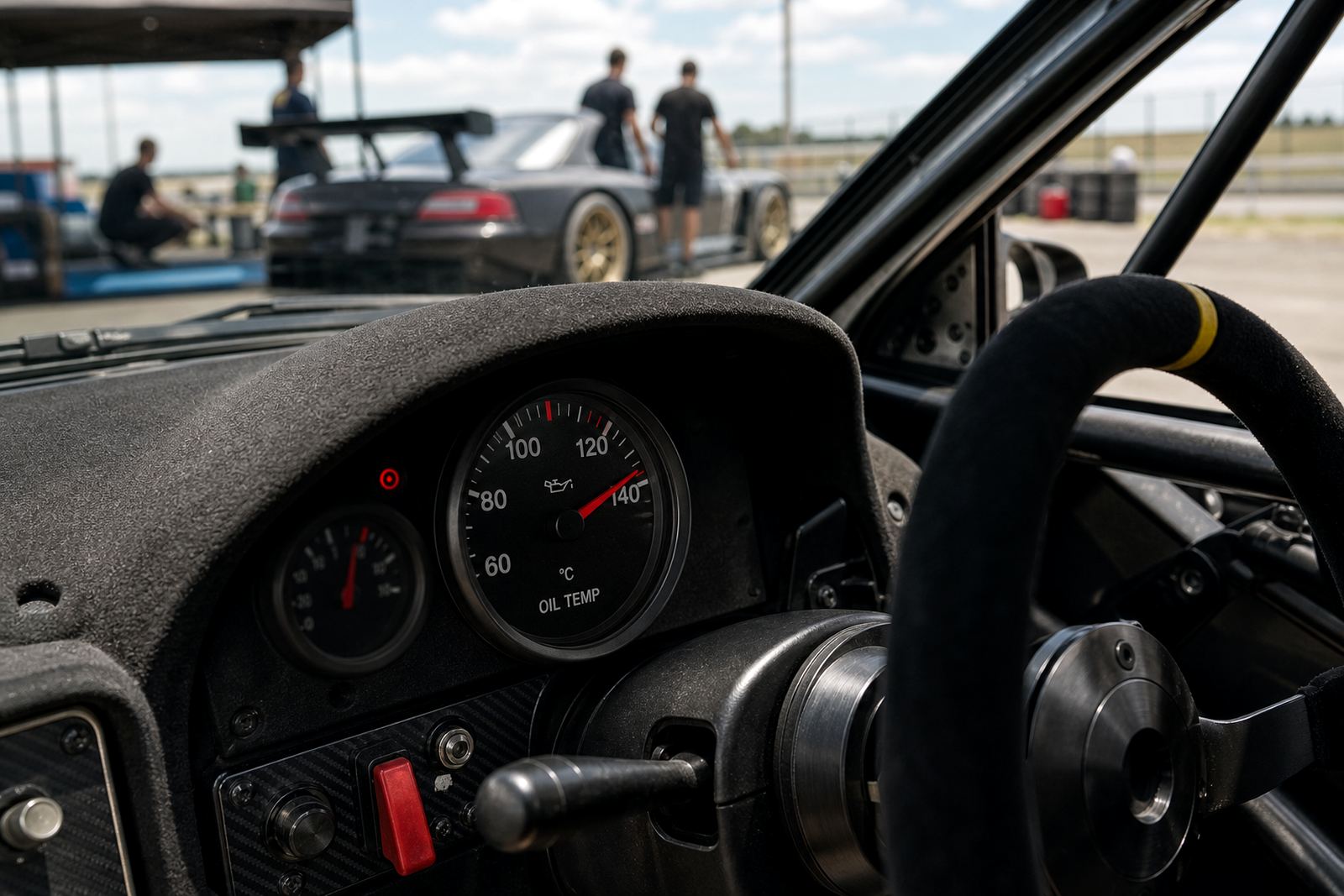
Cooling work can be easy to overlook until the gauge starts climbing. Radiator size, oil cooler position, ducting and coolant condition all matter, but the car also needs a note on when the temperature rises. Does it happen in traffic, on the back straight or while sitting in pit lane with the bonnet closed?
Midrand heat, stop-start queues and long idling periods can make a familiar car behave differently from one weekend to the next. A driver who writes down water temperature, oil temperature and any loss of power can help the workshop see whether the problem lives in airflow, coolant condition or general setup. That matters just as much for a turbo car as it does for a naturally aspirated one.
When the notes are clear, a cooling system check becomes a proper inspection instead of a broad guess. The same approach helps with fuel system layout too, especially where hard cornering or long sweepers expose slosh or pickup issues.
Safety Gear Fitment Is Part of the Record Too
Seats, harnesses and roll cage fit advice are not only about compliance and comfort. They also change how a driver sits, reaches the wheel and holds the pedals under load. If the seat is too upright or the harness angles sit awkwardly, the driver may brace differently and misread the car through a corner.
That is why fitment checks benefit from notes as plain as any suspension sheet. Write down seat position, harness height, shoulder angle and whether the driver had to stretch for the clutch or gear lever. Those details matter in club racing, rally cars and track builds where one driver may swap with another at the same event.
For long days on circuits around Johannesburg, Pretoria or Durban, the small fitment changes can reduce strain and give better control. The same applies when a car is used for testing before a longer event elsewhere in South Africa.
What One Setup Day Logbook Showed
A driver arrives in Midrand after a session at Kyalami with a simple complaint: the rear of the car moves around on turn-in and the brake pedal feels different by the last run. The useful notes say the rear tyres were hotter on the outside edge, front pressures climbed more than expected, the rear damper was two clicks softer than last month and the brake fluid had not been changed for a while. That already gives the workshop a working path.
From there, the team can check alignment, corner weighting, brake bleeding and a closer look at the cooling layout if heat was part of the problem. If the same car runs in Cape Town later in the season, those notes become the baseline for the next adjustment rather than a memory that has already gone fuzzy.
That is the point of simple data notes. They help the driver and the workshop speak the same language, which is usually the fastest route to a car that feels consistent from one session to the next.