
Rain changes the first push on the pedal
In dry conditions, a brake pedal can feel crisp and settled after a few heavy stops. When the track is wet, that first push may feel longer or softer because water settles on the disc face, pad surface and caliper parts. The difference is not always major, but it can still catch out a driver using dry-weather reference points.
On a circuit day in Kyalami or a club race in Midrand, the first lap after a shower often tells you the most. Tyres are still cold, discs are washing clean, and the car may move around more under braking than it did on the last session. The answer is not to brake later, it is to brake earlier with more feel and to leave room for that extra movement.
- Use a longer pedal build-up rather than a sudden stab.
- Expect the first stop after a wet patch to feel different.
- Keep your eyes on the braking board, not on hope.
Heat disappears differently when the track is damp
Wet running changes how heat sits in the brake system. Discs cool faster when water is being flicked across them, but the system can also stay below its best operating window if the session is gentle. That can leave some pad compounds feeling dull, with less initial bite than you want when you need to trail brake into a tight entry.
For rally stages and autocross work, the issue is often mixed conditions. One section may be wet and greasy, the next dry and dusty. Brake temperatures rise and fall in patches, which means the car may feel different from one stage to the next. A driver who understands that pattern can stay calmer and brake with more consistency.
- Do not assume cooler discs mean better grip.
- Watch for pad glazing if the car spends long periods under light braking.
- Check fluid condition before a wet event, especially if the car has seen hard use.
Pads, fluid and pedal feel are part of the same conversation
Wet weather braking is never only about the tyres. Pad compound, brake fluid quality and the condition of the system all matter. A car with tired fluid can give a vague pedal when the temperature drops and moisture sits around the calipers. A pad that works well in dry heat may feel too soft or too aggressive once the surface changes.
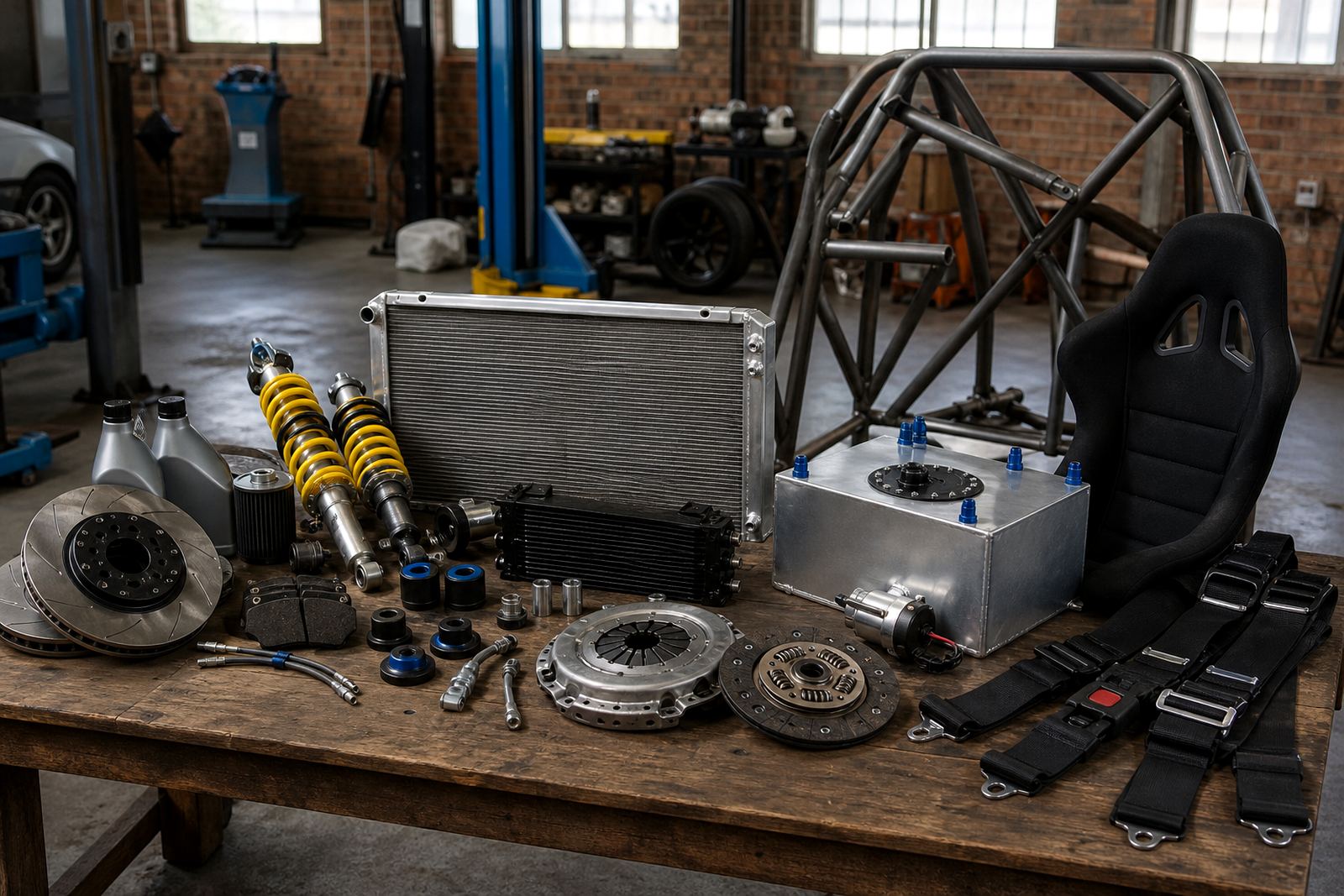
That is why brake upgrade planning should look at the whole package. The disc size, pad choice, fluid condition and bias all affect how the car behaves when the weather turns. If the driver is chasing a clean pedal on a sprint lap, the setup needs to match that goal instead of relying on guesswork.
- Bleed the system if the pedal feels long after standing in damp conditions.
- Check for fluid contamination and old bleed points that trap moisture.
- Make sure pad wear is even left to right, front to rear.
Driver habits that suit slippery braking zones
The wet rewards patience, not drama. A racer who lifts earlier, brakes in a straighter line and gets off the pedal before turn-in usually keeps more control. In Durban, where humidity and sea air can leave surfaces greasy for longer, the first few braking zones after light rain can feel treacherous even when the road looks clean. The same caution helps on a cold morning in Pretoria, where the surface may not have warmed up yet.
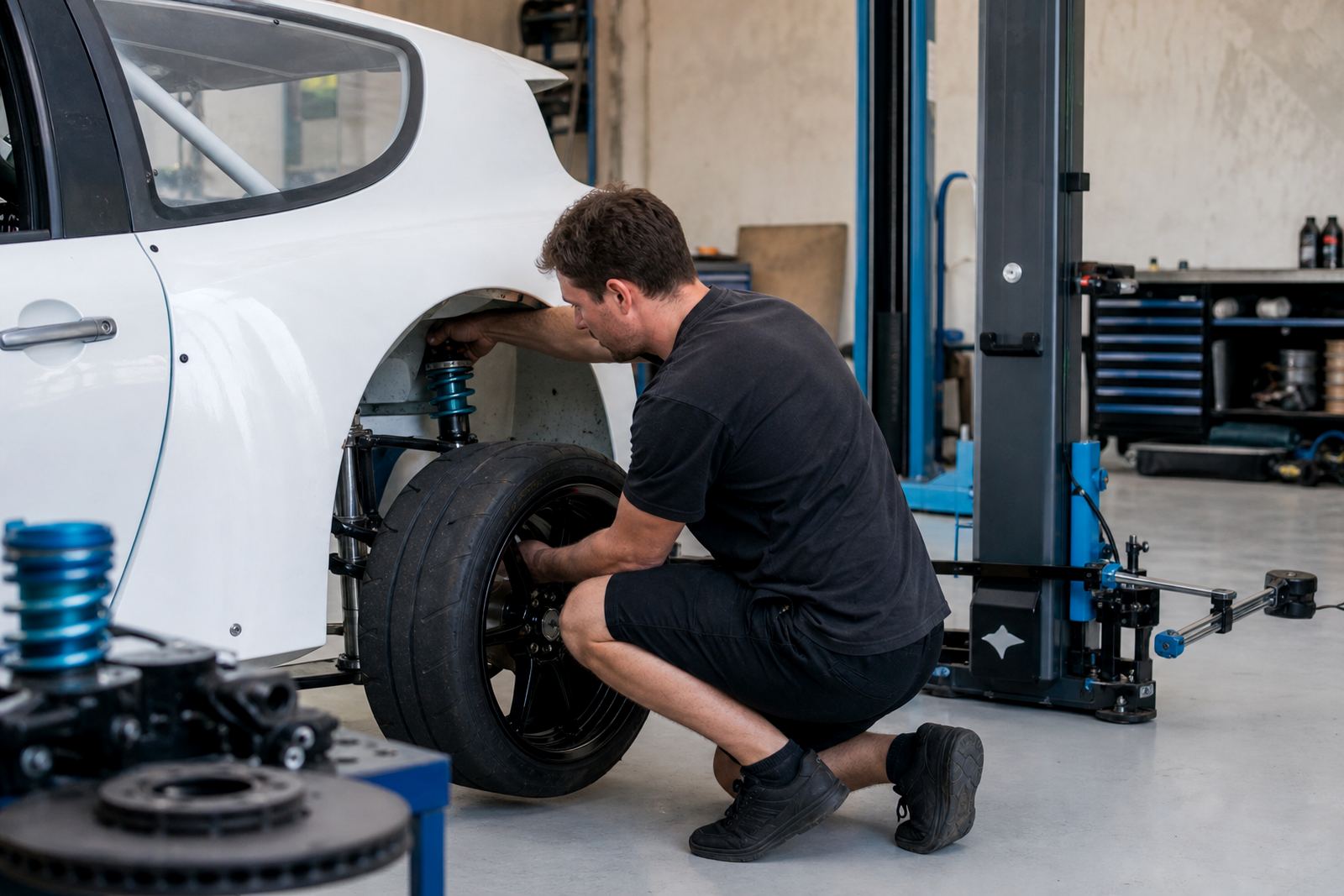
Think about weight transfer in smaller steps. If the car is fitted with coilovers and a tighter suspension package, the wet can expose any impatience in steering and brake timing. A sudden shift of load at the front axle can unsettle the rear more than the driver expects. Smooth hands, steady pressure and honest braking points make a bigger difference than chasing a late stop.
- Brake in a straight line before adding steering lock.
- Leave a little extra room at turn-in if standing water is present.
- Be careful when crossing painted lines, metal covers or polished concrete paddock exits.
Local surfaces around Gauteng and the coast each tell a different story
Midrand and the surrounding Gauteng tracks often present quick changes in weather. A dry session can become damp in a short stretch, and that shift affects braking confidence more than many drivers expect. Around Kyalami and Centurion, track temps can change quickly, while Johannesburg traffic spray and municipal drainage can leave uneven grip on the approach to events and test days.
On the coast, the story changes again. Cape Town and Durban can hold damp air for longer, and humid mornings can leave brake components feeling a touch different even before the first lap. In Port Elizabeth, sea mist and wet patches can play across braking zones in a way that rewards the driver who stays calm and reads the surface early. For club racers travelling between towns, that means the same car may need a slightly different approach from one venue to the next.
At RaceHouse, wet weather advice often sits alongside cooling system checks, brake upgrade planning and alignment checks, because all of them affect how the car settles under load. A good setup helps, but the driver still has to work with the conditions instead of against them.
A practical wet-weather checklist before you roll out
There is value in a simple routine before the session starts. You do not need a dramatic change to the car, but you do need to know that the braking system is ready for mixed grip and changing temperatures. A clean pedal, even pad wear and healthy fluid make the rest of the drive easier.
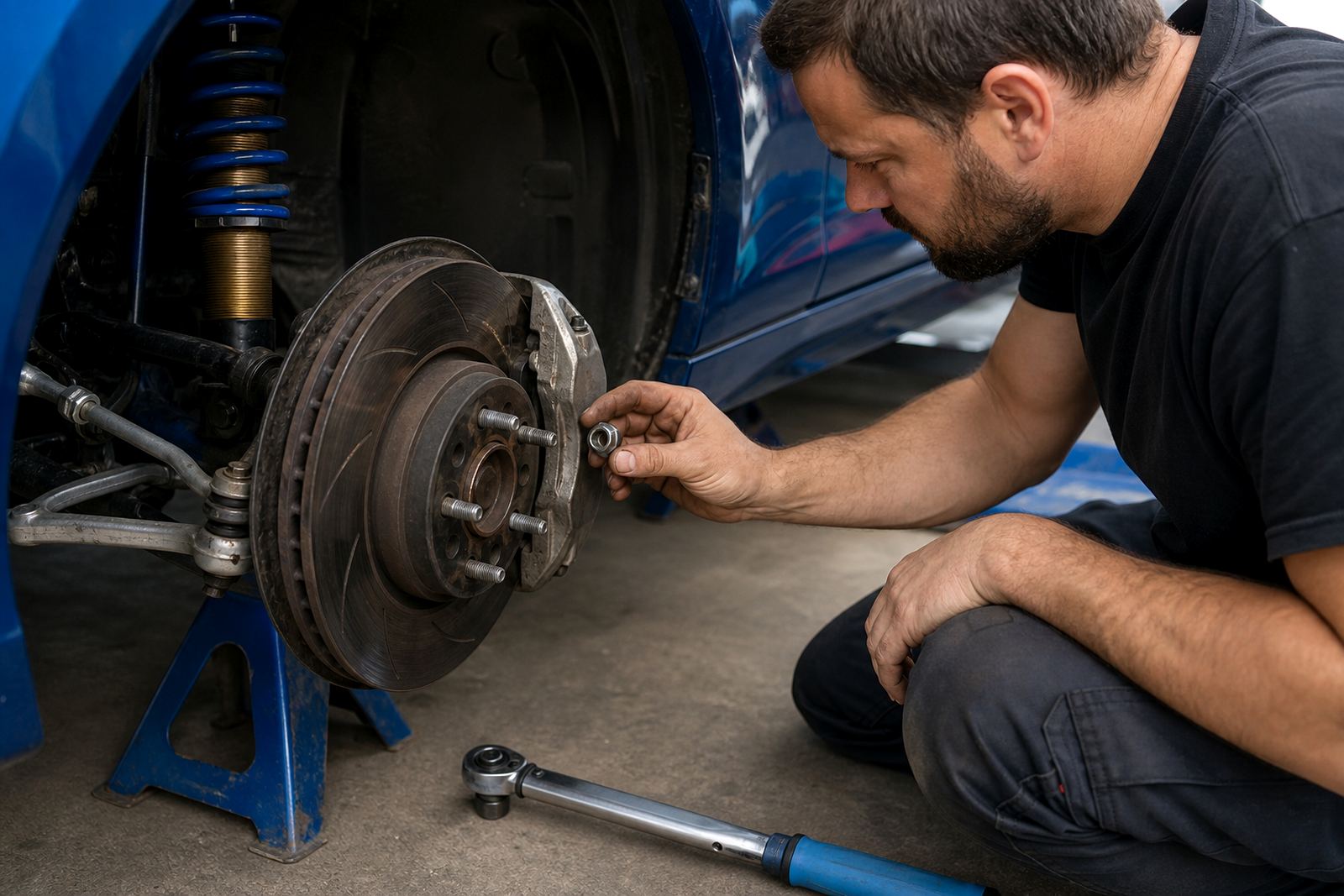
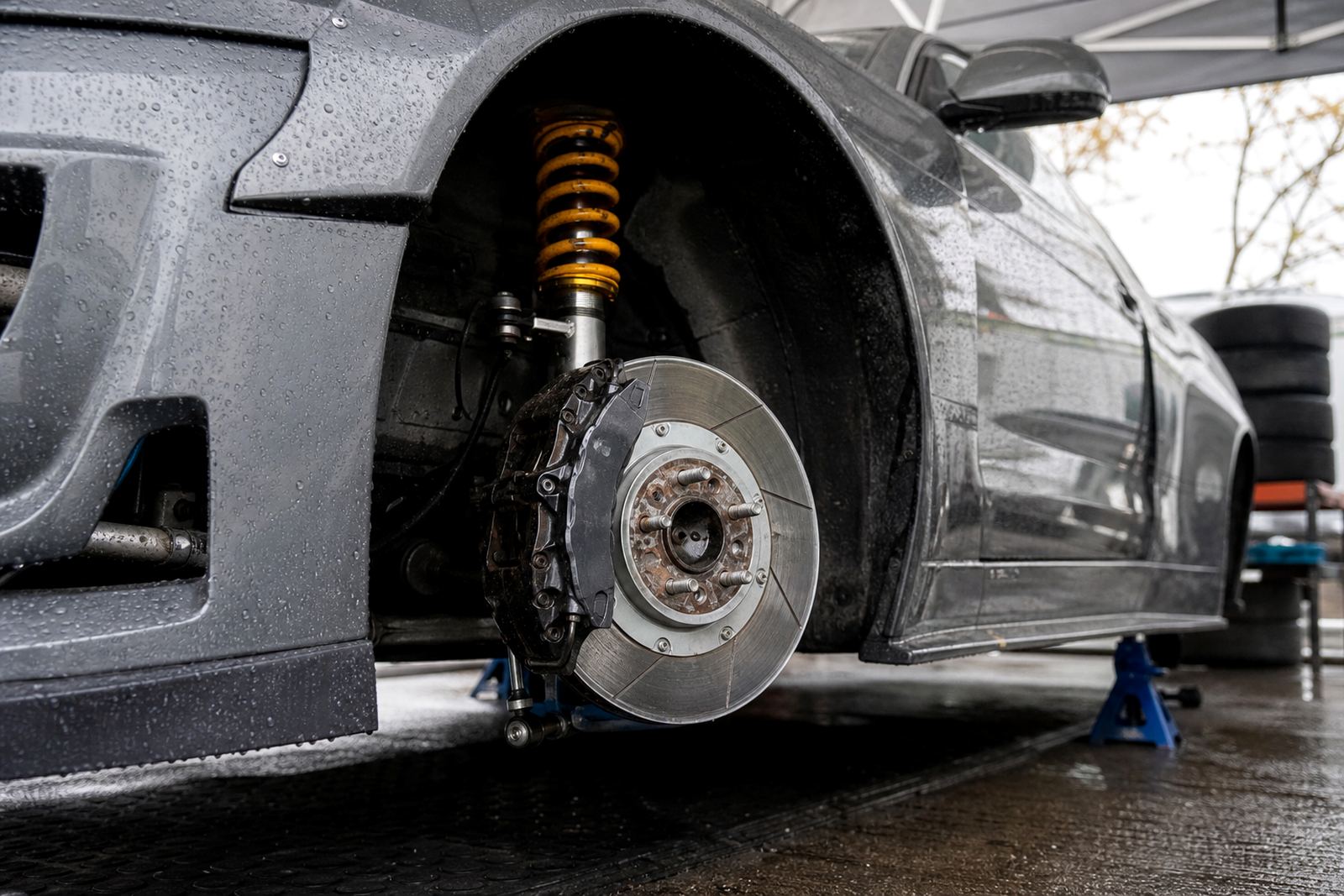
- Inspect pad thickness and disc condition.
- Confirm brake fluid level and bleed quality.
- Check that the pedal returns cleanly without drag.
- Look at tyre tread and make sure water can clear properly.
- Review seating position so braking effort is consistent under pressure.
If a car also needs seat positioning, harness fitment checks or roll cage fit advice, those details matter in the wet too. A secure driving position lets the driver feel the car better and keeps the feet working with more accuracy on the pedal box. That matters just as much in a rally car as it does in a track build.
Setups that stay honest when grip drops
Wet weather does not reward the loudest setup, it rewards the one that stays honest. A car with sensible brake bias, proper corner weighting and a tidy cooling package is easier to manage when grip comes and goes. When the surface is changing, the driver needs clear feedback from the front axle, stable rear balance and a pedal that does not surprise under pressure.
That is where setup days earn their place. A dry-day alignment or a straight-line brake test only tells part of the story. If the car sees mixed conditions through the season, it helps to look at the system as a whole and note how the car behaves when the surface turns damp. The best result is not a heroic stop, it is a car that gives the driver enough information to brake with confidence and keep the lap tidy.
Wet weather will never make braking easier, but it can make the differences in a setup more obvious. That is useful. It shows which parts are doing their job and which parts need attention before the next meeting.