

Packing parts for track use and workshop fitting
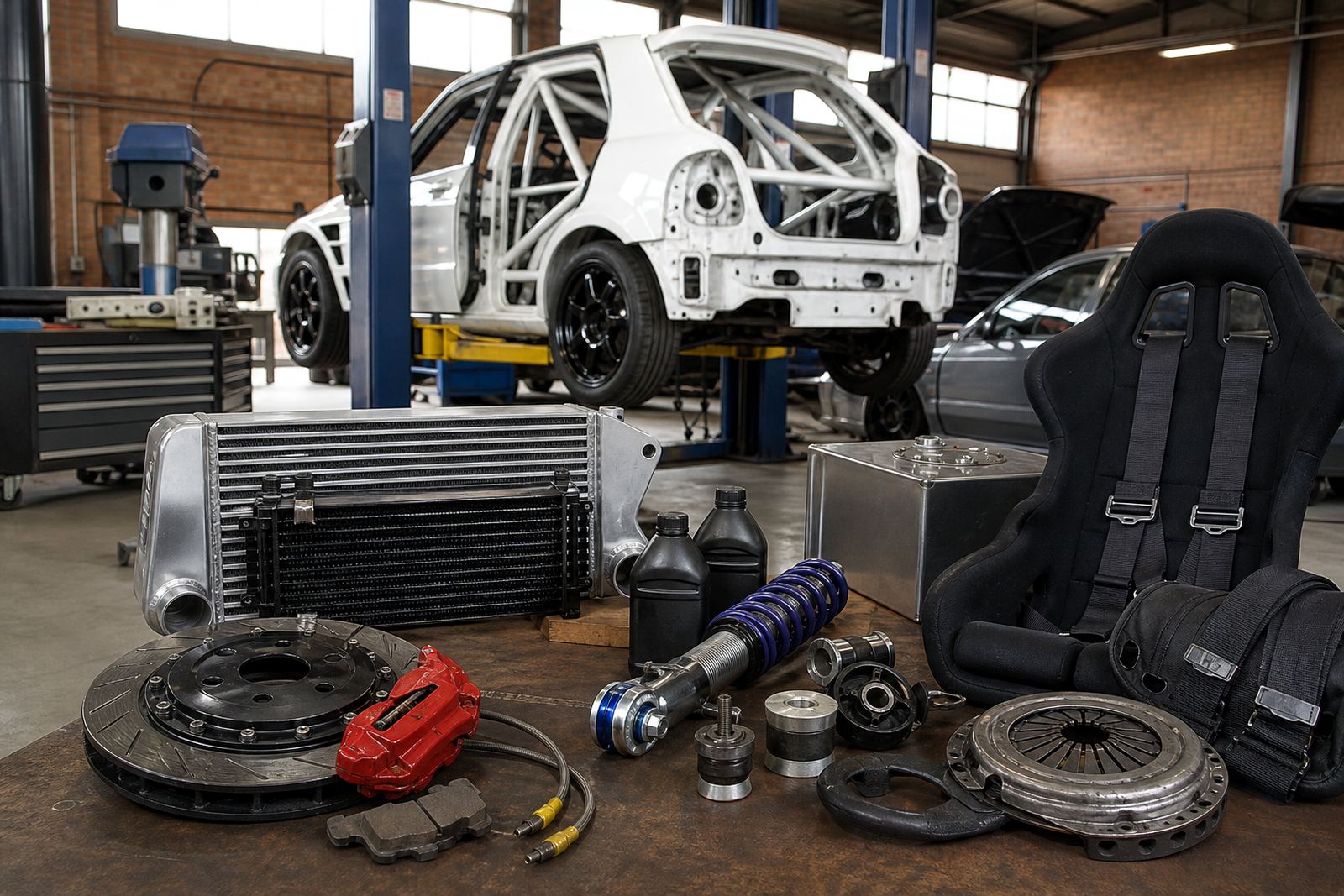
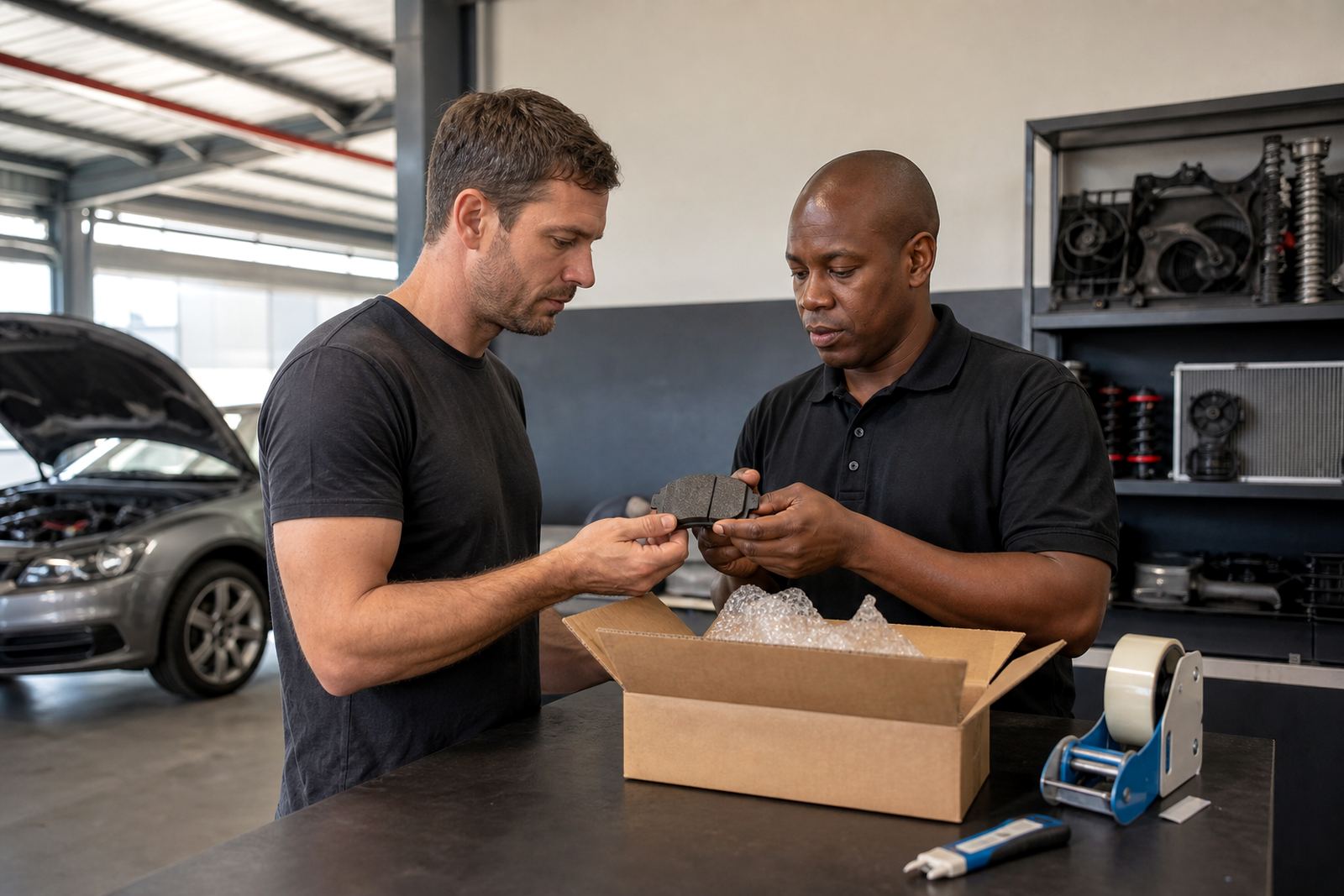
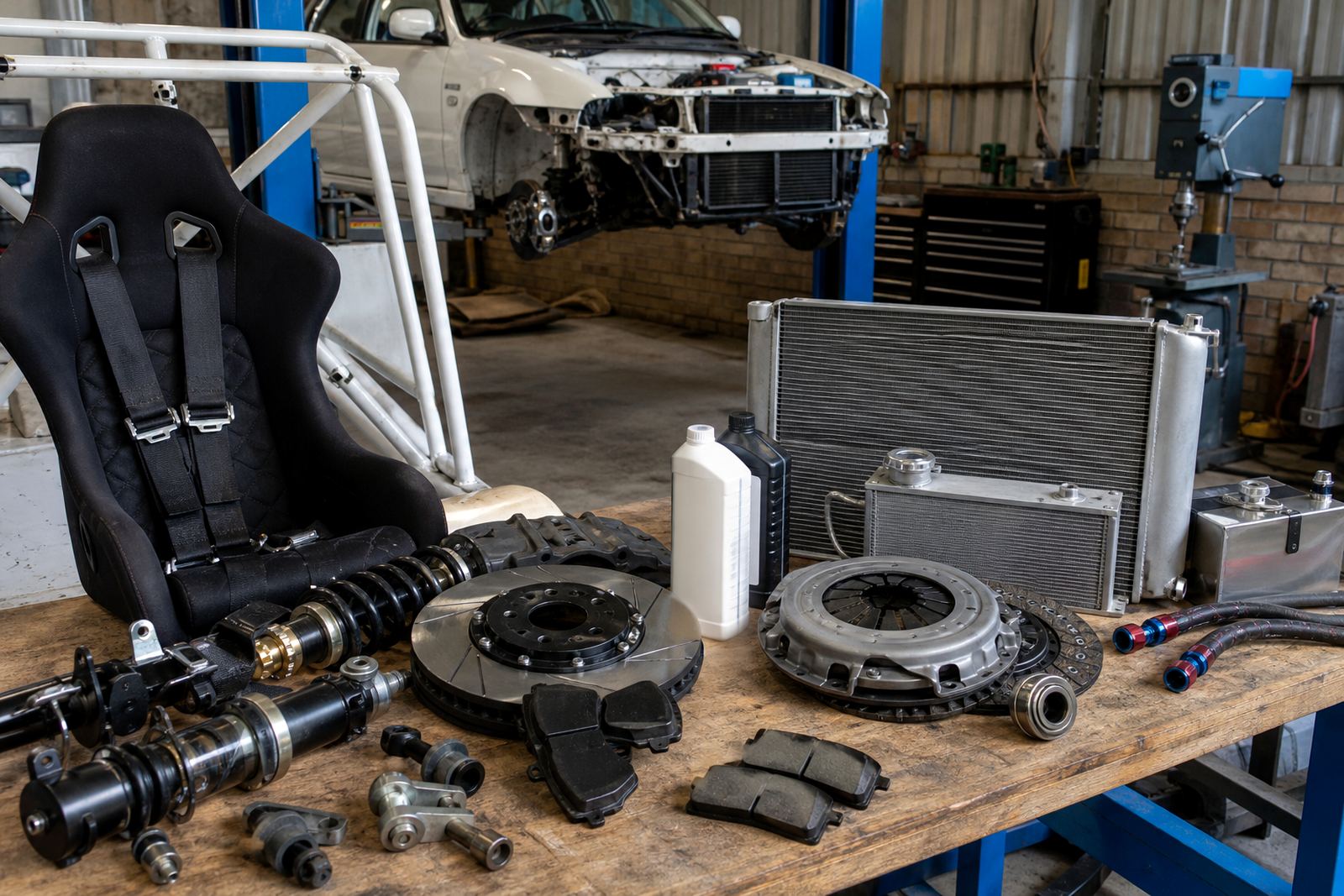
Orders leave our Midrand base packed for the sort of parts we supply every week: brake pads and fluid, coilovers, bushes, radiators, oil coolers, seats, harnesses, roll cages, fuel cells, clutches and shift parts. Small items are boxed and marked clearly, while heavier parts are secured so they do not move around in transit.
We keep fragile items separated from heavier steel or aluminium parts. Brake fluid, seals and other spill-prone items are sealed inside the box and wrapped so they arrive clean. Long components and awkward items get extra protection at the corners and mounting points, because dents on a box usually mean dents on the part inside.
When an order includes several product groups, we group the contents by job. That makes it easier for a workshop to unpack the order in the right sequence, whether the car is going in for a brake upgrade, a suspension refresh or a cooling system check.
How dispatch leaves Midrand
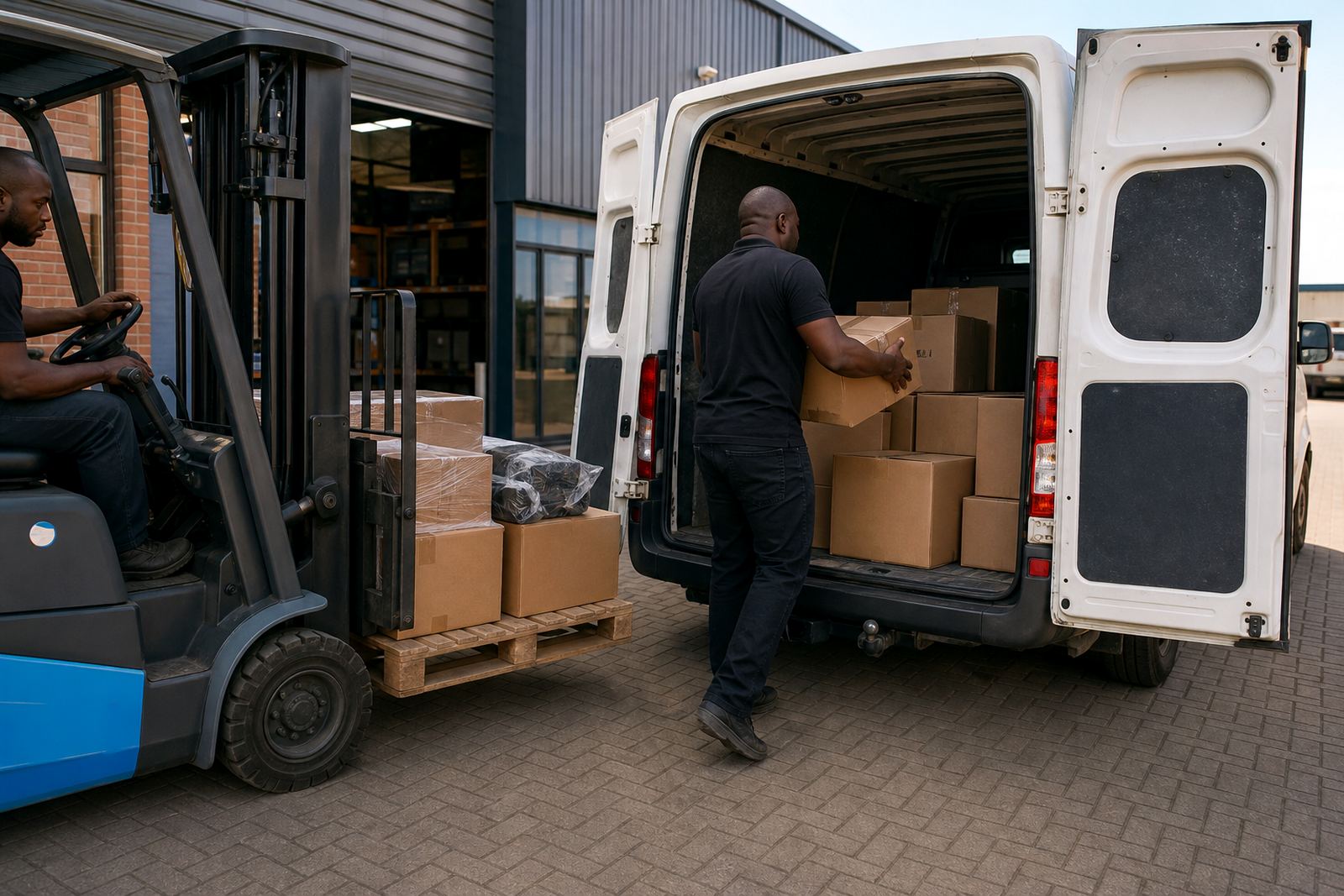
Once an order is ready for dispatch, it is handed over from our Midrand team with the paperwork that matches the contents. That includes the order details, the item count and any notes for handling. If a part needs careful orientation, it is marked before it leaves the shop floor.
- Single items are packed to suit the part size and weight.
- Multi-item orders are checked against the order line by line.
- Liquids and sealed consumables are kept upright where possible.
- Bulky items are prepared for courier or direct vehicle collection.
For buyers in Johannesburg, Pretoria and Centurion, collection from Midrand is common when the parts are needed for a workshop slot or a setup day. For longer-distance deliveries, we prepare the order so it can move through the transport chain without extra handling at each stop.
Courier runs to major centres
Drivers and teams in Durban, Cape Town and Port Elizabeth often need parts moved with enough care for race hardware, not general cargo. We send parcels using transport options that suit the size and type of the order, and we keep the packing practical for road freight and depot handling.
Smaller parcels are easier to move between centres, while larger items such as seats, radiators, fuel cells or suspension packages need more careful sizing. If the order includes several boxes, the split is planned so the contents stay together as far as possible. That matters when a workshop needs to fit parts in a set sequence, or when a driver is preparing for a weekend at Kyalami or out on a regional circuit.
Town and city deliveries can differ from area to area. A central Johannesburg delivery is handled differently from a destination that needs depot collection or a workshop handover in a quieter industrial area. We match the method to the order rather than forcing every package through the same route.
Collection from our Midrand base
Some customers prefer to collect from our Midrand base, especially when the order includes fitment advice or a setup discussion alongside the parts. Collection also suits urgent workshop planning where a mechanic wants the parts on hand before the car is stripped or lifted.
When collecting, bring the order details so the right boxes can be handed over without confusion. If the order includes items with a left and right side, or a stack of small components that look similar, our team checks them against the pick list before they leave the counter.
- Check the box count before leaving the premises.
- Keep sealed fluids upright in the vehicle.
- Ask for handling notes on large or delicate items.
- Let us know if the parts are for a same-day workshop slot.
Collection works well for local customers in Midrand, Kyalami, Sandton and nearby areas, but the same option is also used by teams passing through Gauteng with a trailer or race truck.
Large items, awkward shapes and race hardware
Some motorsport parts do not travel like a normal parcel. Roll cage sections, fuel cells, seats with side mounts, long exhaust-related parts and larger cooling items need more room and tighter packing. These items are checked for shape, weight and mounting points before they leave the shop floor.
Where a part has exposed threads, brackets or sharp edges, we protect those areas first. That keeps the item cleaner and helps avoid damage to neighbouring boxes in transit. If a package needs to be kept upright, laid flat or strapped in a certain way, we treat that as part of the dispatch note rather than an afterthought.
For fitment-heavy parts, the important thing is not only getting the item to the door. It is getting it there in a state that still makes sense for installation, alignment checks, corner weighting or seat positioning once the car reaches the workshop.
South African delivery notes by region
Orders travelling into Gauteng often move differently from coastal deliveries. Johannesburg, Pretoria and Centurion can suit collection or shorter courier legs, while Durban and Cape Town usually need longer freight routes and stronger box protection. Port Elizabeth orders are handled with the same approach, with packing chosen for the distance and the type of part.
Coastal humidity can affect exposed metal, fluid containers and unfinished parts if packaging is poor, so we keep those items closed and protected. For race cars that are being prepared for the next event, that care matters almost as much as the part itself. A clean delivery makes the workshop job easier and cuts down on unpacking delays.
If your order is going to a garage, a home workshop or a race facility, it helps to give the full delivery point and a contact person at the receiving side. That is especially useful where access is controlled, the site sits inside an industrial park, or the package needs to be signed for at the gate.