

Ordering the right parts for your car
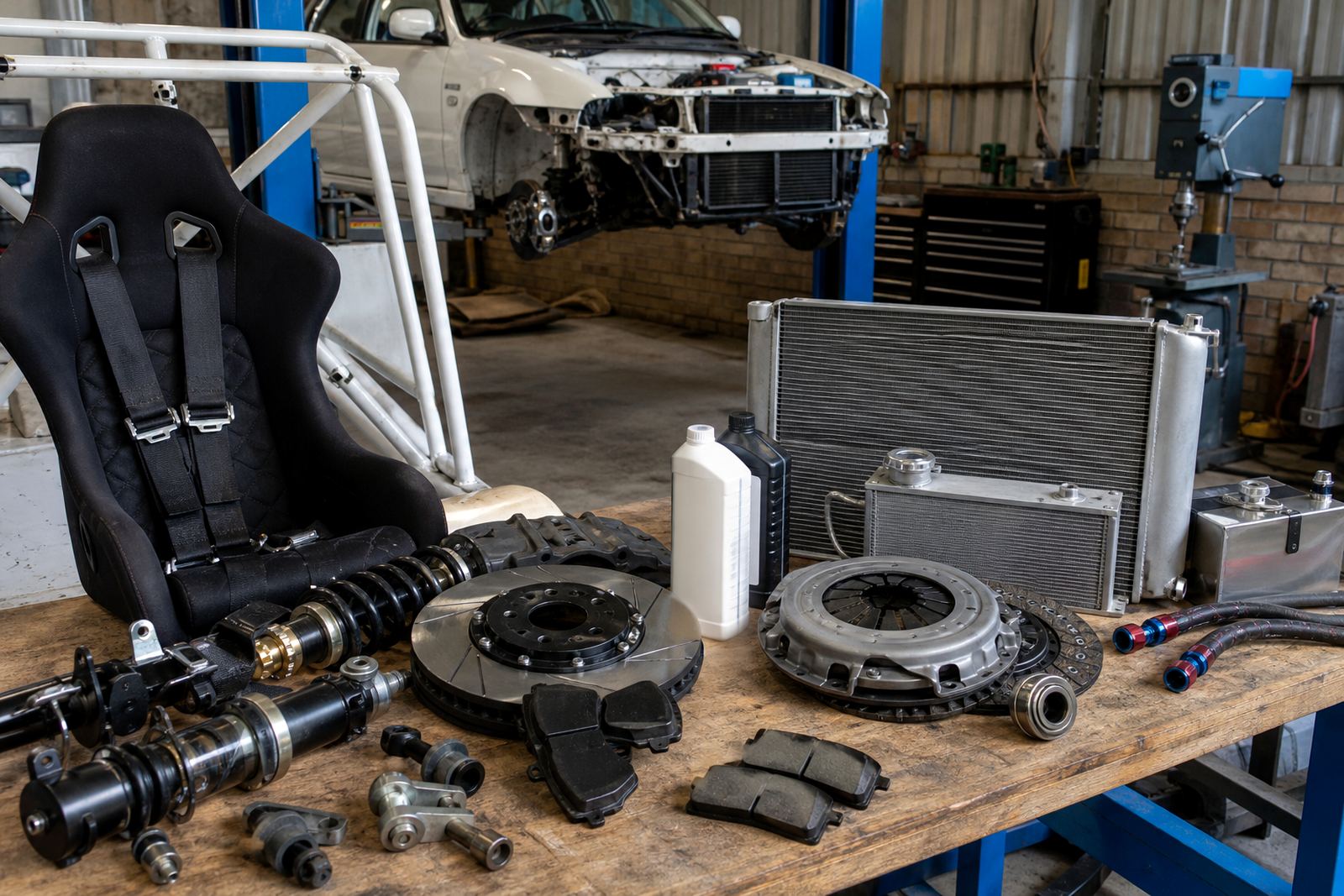
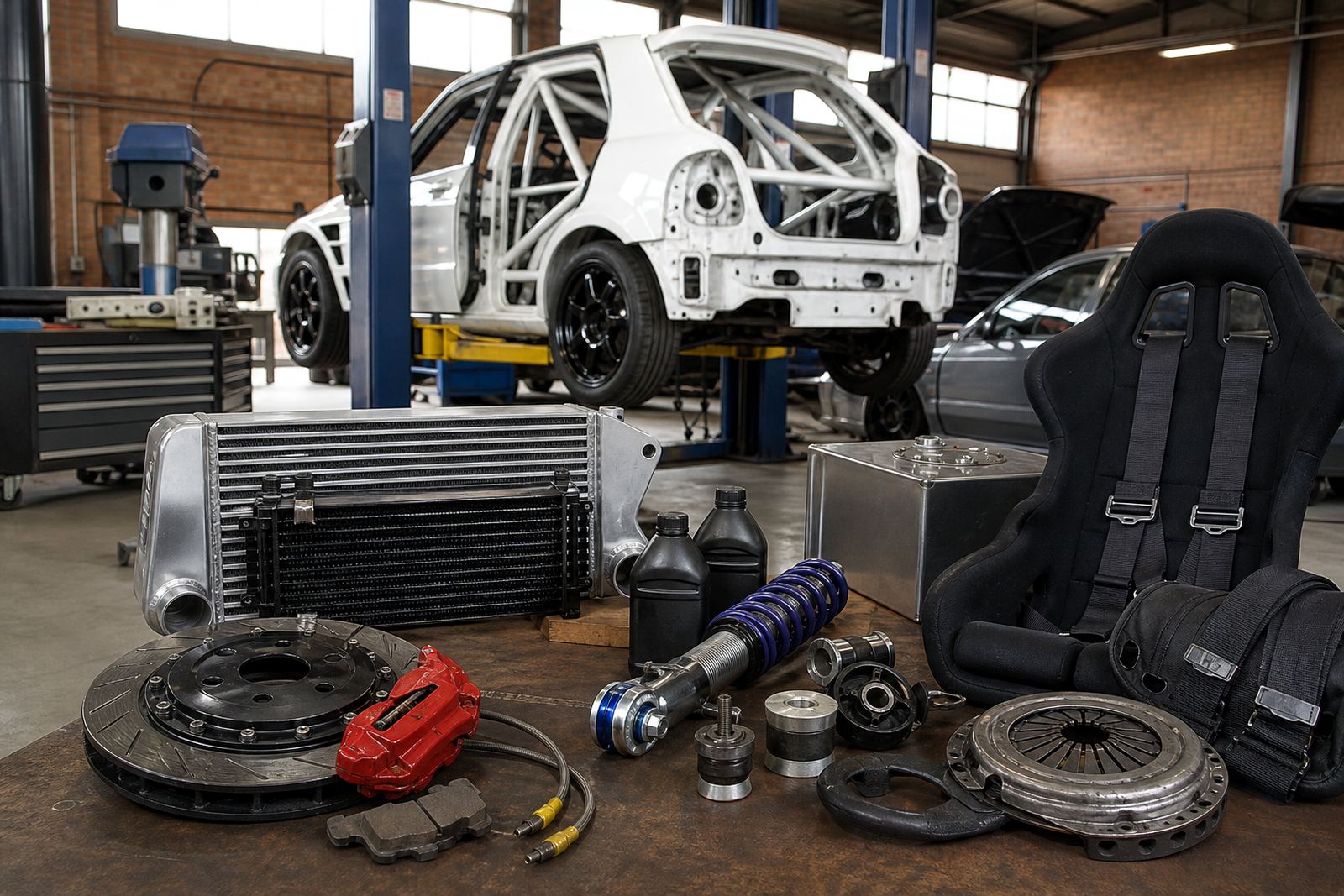
Most jobs start with the car model, the class you run in, and the way the car is used. A brake pad for short sprint racing is not always the right pick for a heavier car that spends long periods on the brakes, and the same applies to fluid, hoses, springs, dampers and clutch parts.
When you use the contact form, include the vehicle details, current modifications, wheel size, brake setup, and any known issues such as fade, lock-up, overheating or noise. That helps the team match the parts to the car rather than guessing from a short description.
- Car make, model and year
- Type of racing or testing
- Front and rear brake setup
- Any suspension or cooling changes already fitted
- Track notes such as tyre size, ride height or handling concerns
Fitment checks before parts leave Midrand
Some parts are direct fit, while others need measurement and setup work. Coilovers, bushes, seat mounts, harnesses, radiators, oil coolers and fuel system parts can all fit a car in more than one way depending on the shell, cage, seat position and existing hardware.
We check the parts against the intended use and the way the car is put together. That includes bolt spacing, line routing, clearance around moving parts, and whether a change to one area will affect another. A brake upgrade may need a fresh bleeding process, and a seat change can alter pedal reach or harness angles.
- Check mounting points before ordering hardware
- Measure clearance around wheels, arches and suspension movement
- Confirm brake line length and fitting style
- Make sure cooling parts clear fans, bumpers and ducts
- Review seat and harness position before final fitment
Delivery to race shops and garages across South Africa
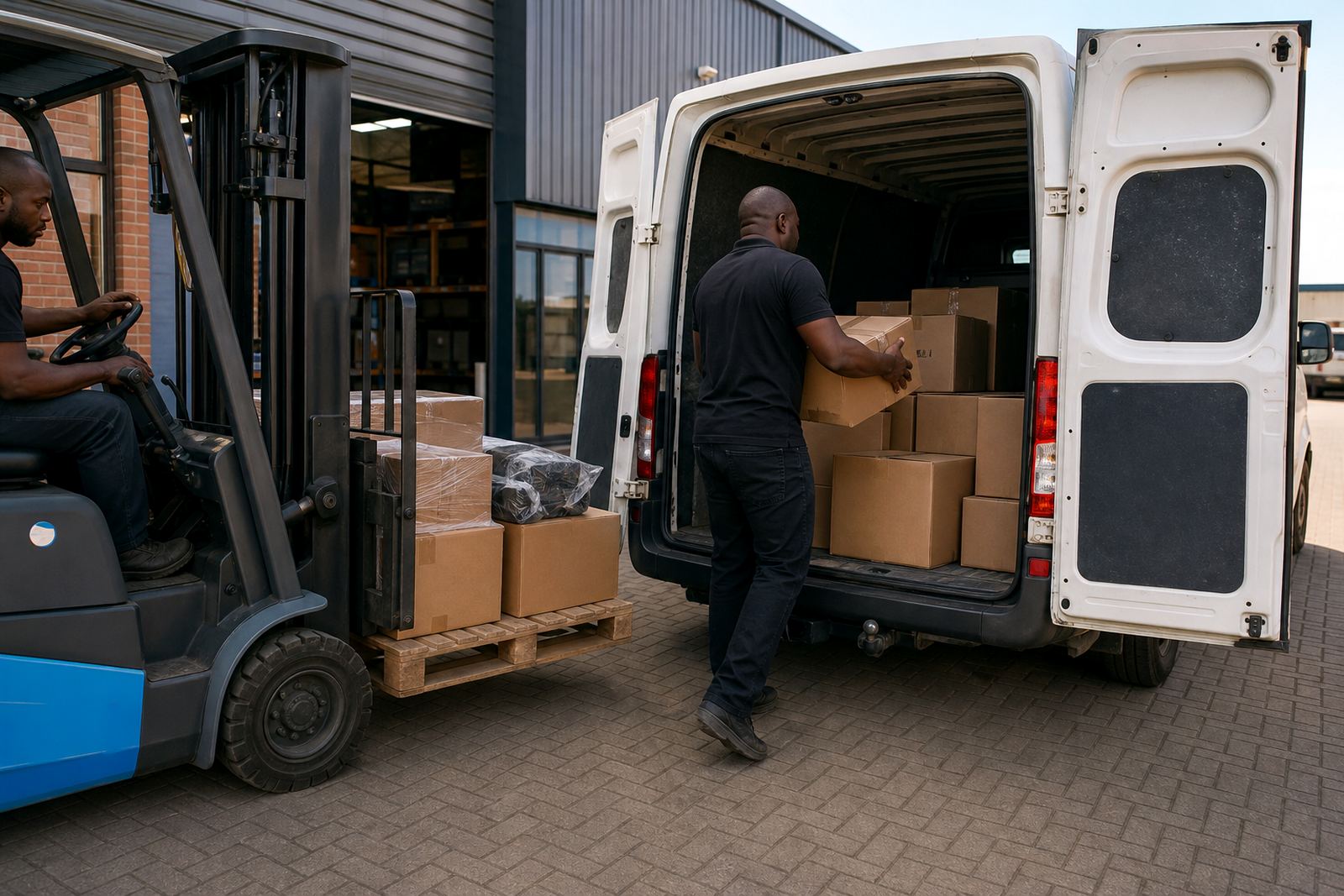
We supply drivers and teams in Midrand, Johannesburg, Pretoria, Kyalami, Centurion, Durban, Cape Town and Port Elizabeth. Bigger orders often move as grouped parcels, while smaller parts may travel on their own. The packaging has to protect corners, threads, hoses, fluid containers and fragile metalwork, because a bent bracket or crushed fitting creates more work later.
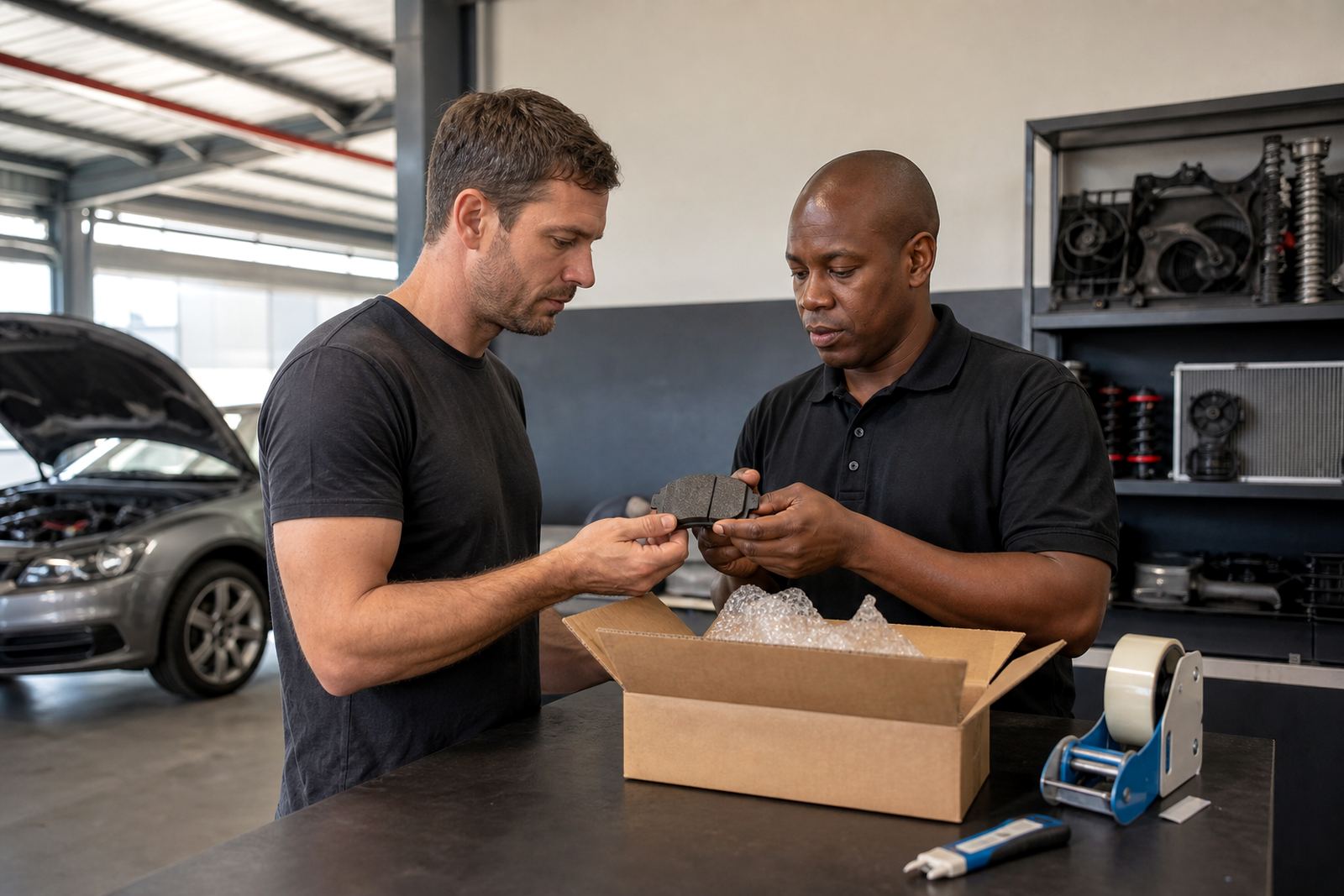
If the order includes fluid, cooling components or suspension parts, it helps to state whether the parcel is going to a home address, workshop, pit garage or collection point. That keeps the dispatch note clear and reduces confusion at handover. Some items are better collected in person, especially when a build needs parts checked against the car before they are installed.
Setup days and workshop support
Track setup days are useful when the car needs more than a box of parts. A single session can cover brake bias, ride height, corner weighting, alignment, seat position, harness angles, cooling layout and clutch or shift feel. The aim is to get the car into a usable window before practice or testing starts.
These sessions are most useful when the car is already assembled and the driver can describe the handling in plain terms, such as understeer on entry, instability under braking, or a gear change that feels heavy at high rpm. The workshop team can then work through the setup without changing parts that are already working well.
Questions on brake, suspension and cooling choices
Brake pads, fluid, springs, dampers, bushes and cooling parts each solve a different problem. A driver who is chasing consistency may need a better pad and fluid package, while another car needs more cooling capacity and a cleaner airflow path. On rougher circuits or rally stages, bush choice and suspension travel matter just as much as spring rate.
When the brief is short, the team will usually ask about mass, tyre size, circuit length, weather exposure and the type of braking zones the car sees. That is often enough to narrow the options without filling the car with parts it does not need.
- Brake fade often points to pad, fluid or cooling changes
- Uneven tyre wear often points to alignment or corner weight issues
- Heat soak usually needs airflow review and cooler placement
- Harsh shift action may call for clutch or linkage checks
Safety gear fitment and cage advice
Seats, harnesses and roll cage parts need careful placement. A seat that sits too high can affect helmet clearance and sight lines, while a harness mounted at the wrong angle can work poorly under load. Roll cage advice has to account for door bars, seat shells, helmet room and whether the car still needs access for inspection or service work.
We look at the car as a whole, not just one item at a time. If the seat position changes, the steering wheel reach, pedal angle and shifter position may also need attention. A neat fit is useful, but a safe and usable fit matters more.
Clear steps for getting started
Your first contact need not be complicated. Send the car details, the parts you are looking at, and the problem you want to solve. If the car is already apart, mention that too, because it can affect the way the order is packaged and checked before collection or delivery.
For workshop-backed support, include any photos that show the current setup, especially around brakes, suspension pick-up points, seat mounts, harness mounting points, cooling routing and fuel system layout. Good photos make it easier to see what fits cleanly and what needs adjustment before the next session.
- Send the vehicle details and the racing use
- List the parts you already have on the car
- Describe the issue in plain language
- Add photos if the fitment area is visible
- Use our contact form for the next step