

Start with the part number and the job it was meant to do
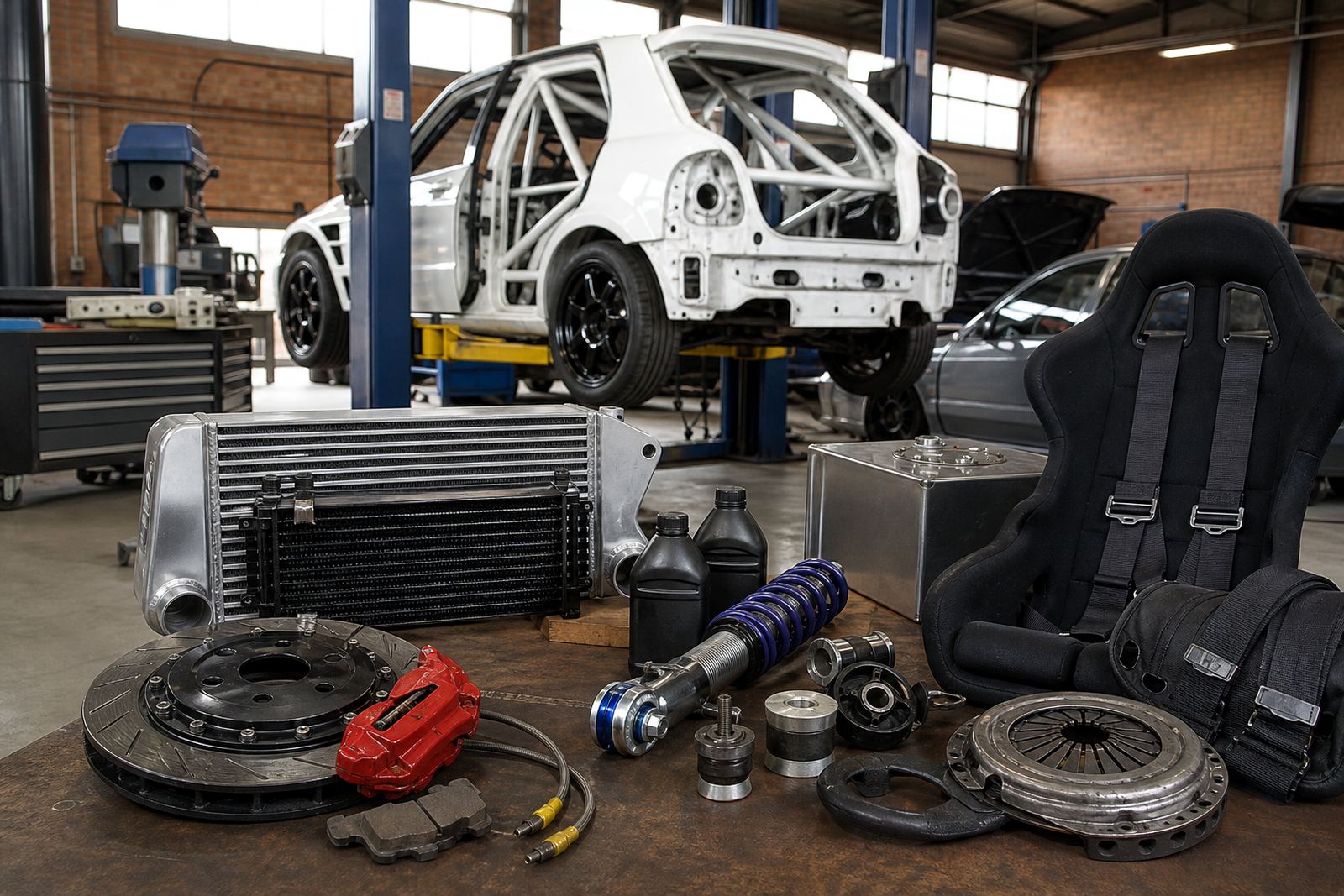
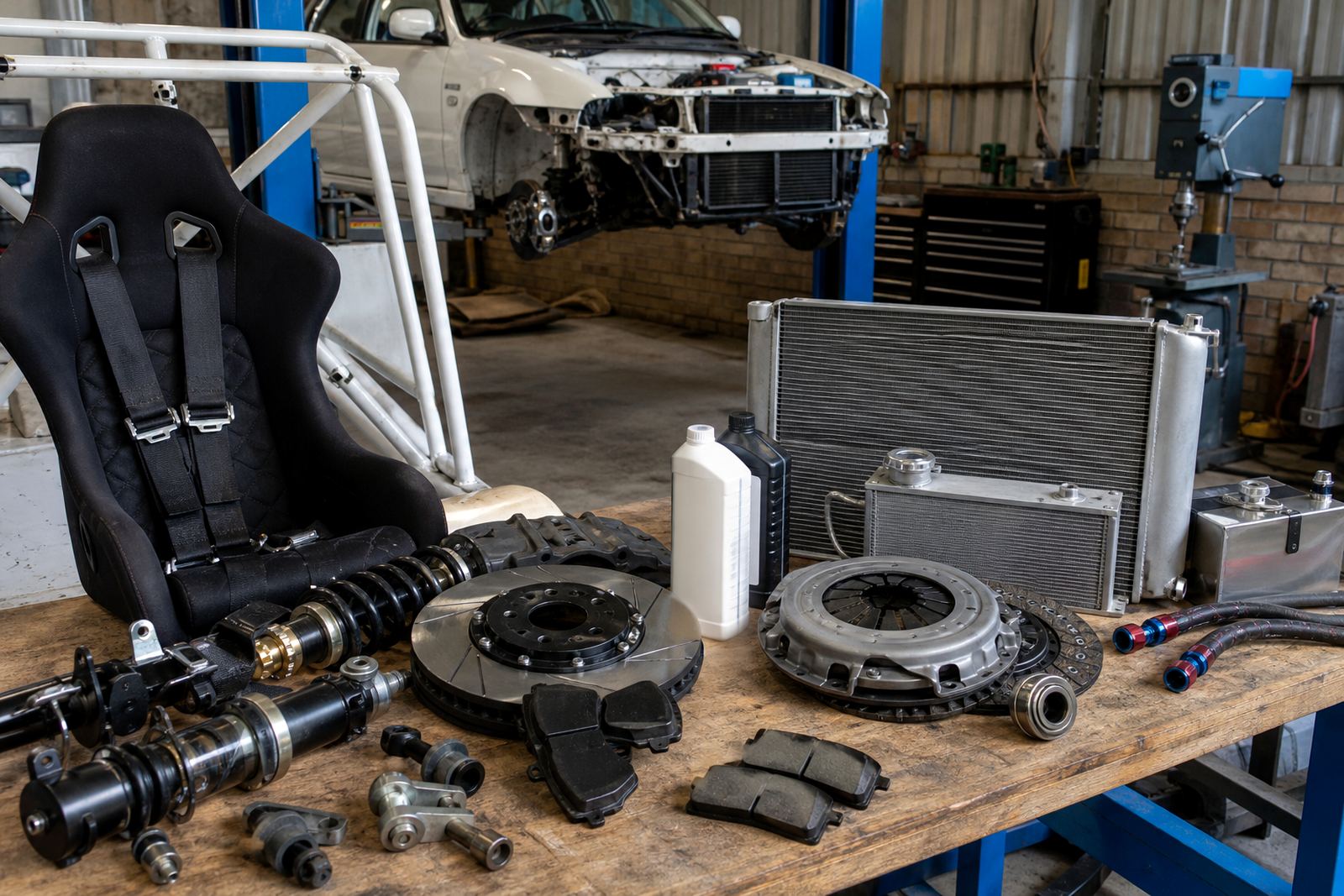
Returns in motorsport are not handled like general retail. A brake pad set, coilover, fuel cell or clutch part may look right in the box and still be wrong for the vehicle, the class rules or the setup on the car. Before anything is sent back, check the part number, the order details and whether the item was opened, fitted or altered.
If an item was ordered for track, rally or club racing use, it needs to be checked against the intended application. A brake component that suits a lighter hatch may not suit a heavier saloon. A seat shell or harness may not suit the cage layout or seating position in the car. That kind of mismatch is handled as a suitability matter first, then a return can be discussed.
What must stay untouched for a return
Returned parts need to arrive in clean condition and in the same state they were sent out, as far as practical. Once a component has been fitted, cut, welded, bled with fluid, drilled, trimmed or marked for installation, the return position changes. That includes suspension parts that were compressed, brake parts exposed to fluid, or safety gear that has been bolted into a cockpit.
- Keep the original packaging, labels and inserts where possible.
- Do not install, modify or test-fit parts if you think a return may be needed.
- Keep fluid, grease, dust and metal swarf off the item.
- Do not fold, crease or stitch safety gear into a different shape.
- Keep all small fittings, spacers and brackets together with the main item.
Inspection after delivery is part of the process
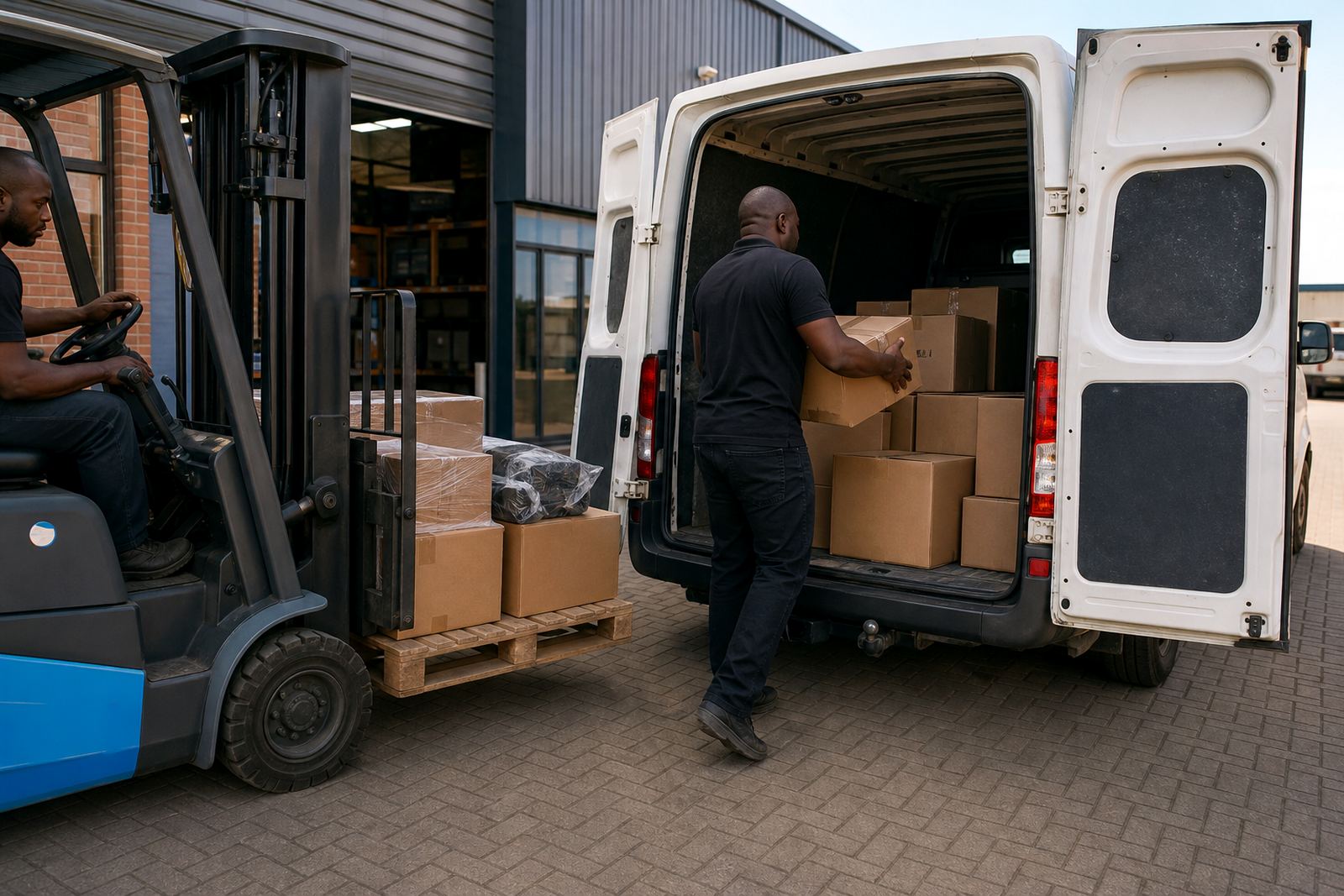
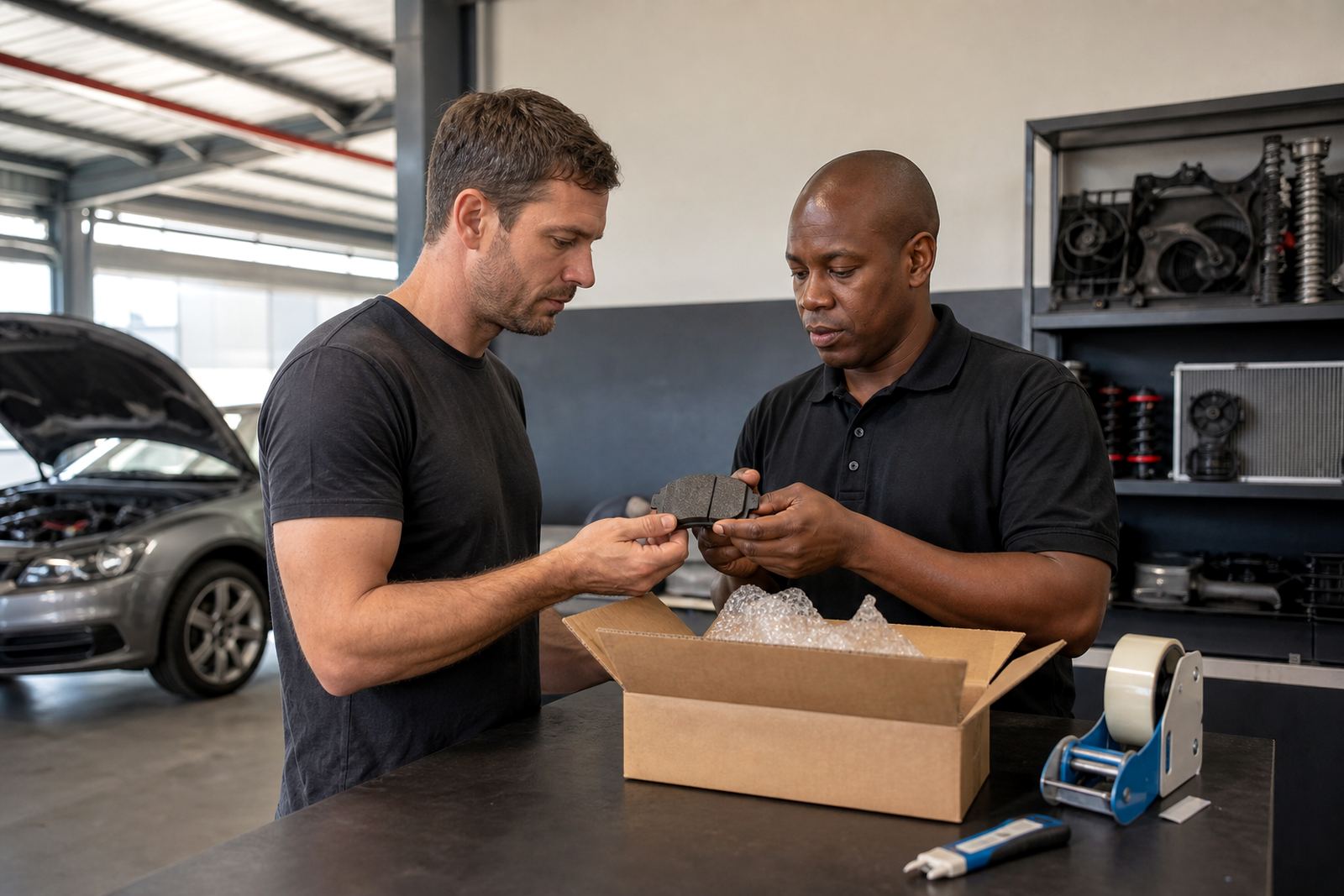
When a box arrives, open it carefully and inspect the contents straight away. Look for transit damage, missing hardware, wrong sizes and any signs that the wrong item was packed. For parts used in racing, small differences matter: a radiator core size, a hose take-off angle, a brake pad compound or a harness mount point can change the job completely.
If something does not match the order, keep the item, the packaging and any delivery slips as they arrived. Do not fit the part and do not trim it to make it work. Once a part has been adapted, it becomes harder to assess whether it was supplied correctly or altered during installation.
Safety gear, braking parts and fitted items need extra care
Some products carry a higher handling risk once they have left the box. Safety gear, brake systems and fuel system parts often need to be checked for contamination, wear marks and installation damage. A harness that has been bolted into place, a seat that has bolt witness marks, or a brake part that has been bled with fluid may no longer be suitable for return unless there is a clear supply issue.
- Seats and harnesses should stay unused if a return may be needed.
- Brake fluid, sealants and adhesives should never be left on the part.
- Fuel system parts must be drained and wiped clean before any assessment.
- Roll cage related items should not be cut, welded or reshaped.
- Electrical connectors and sensors should remain unmodified and intact.
Suitability checks before anything leaves the workshop
Fitment advice and setup days help reduce avoidable returns, especially where the car is used for racing rather than road driving. A coilover setup, alignment check, corner weighting exercise or brake upgrade planning session can reveal whether the chosen part suits the chassis, the class rules and the way the car is driven. That is useful before money and time are spent on installation.
When in doubt, compare the vehicle details, the dimensions, and the intended use before opening the box fully. If the item is still sealed and unused, it is easier to review the situation in a proper way. If the part has already been fitted, the inspection needs to focus on condition, compatibility and whether the issue came from supply or installation.
Starting a return with the RaceHouse counter
Use our contact form and include the order number, the part name and a short note on the issue. If the item was collected, delivered to a workshop, or taken to a track day, say where it was used and what was done to it. A clear note helps separate a wrong fitment from a part that was damaged after delivery.
- Order number and date.
- Part name, size and any part markings.
- Photographs of the item, its packaging, and any damage
- Vehicle details and the racing class if relevant.
- A short note on whether the item was fitted, opened or tested.
That information gives the returns process a clean start and keeps the inspection practical. It also helps when the part sits between categories, such as cooling, braking or suspension, where the same shape can still serve a different specification.
Refunds, credits and the final inspection step
Once a returned item is received, the condition is checked against the return note and the original supply details. Items that are clean, complete and unaltered are easier to assess. If a part shows fitting marks, fluid contamination, heat damage or missing hardware, that affects the outcome. The same applies where a part was selected for the wrong application and the packaging no longer reflects the original state.
Where the item passes inspection, the return can move on to the next step in line with the policy that applies to that order. Where the condition is not suitable, the part is kept aside with the inspection notes so the matter can be explained plainly. Motorsport parts are more exacting than general car parts, so the physical state of the item matters just as much as the reason for the return.
A practical note for Midrand and beyond
RaceHouse works with drivers across Midrand, Johannesburg, Pretoria, Kyalami, Centurion, Durban, Cape Town and Port Elizabeth. For parts moving between workshop, garage and track paddock, keep the boxes, foam and labels together until the fitment is settled. That habit saves time when a brake component, suspension part or safety item needs to be inspected later.
Returns are easiest when the part is still in recognisable condition and the paperwork matches the box. If the item was handled by a fitter, moved between cars, or set aside after a setup day, mention that in the note. The cleaner the record, the easier the inspection becomes.