

Start with the car, the class and the job
When you send a technical note to RaceHouse, lead with the car model, engine, current modifications and the class or series it runs in. A brake upgrade for a light club car needs different pad choice, fluid spec and heat control than a heavier turbo saloon doing repeated laps at Kyalami or a rally build that sees rough roads and dirt.
It helps when you mention the issue in plain terms. Pedal travel that grows after three hard laps points to a different check than a car that pulls under braking, scrubs tyres on one side or pushes wide through quick direction changes. Small details like wheel size, current ride height, tyre width and whether the car sees road use between events matter a great deal.
- Car make, model and year
- Engine type and major changes
- Track, rally or club use
- What feels wrong on the car
- Any parts already fitted
Brake questions that need proper context
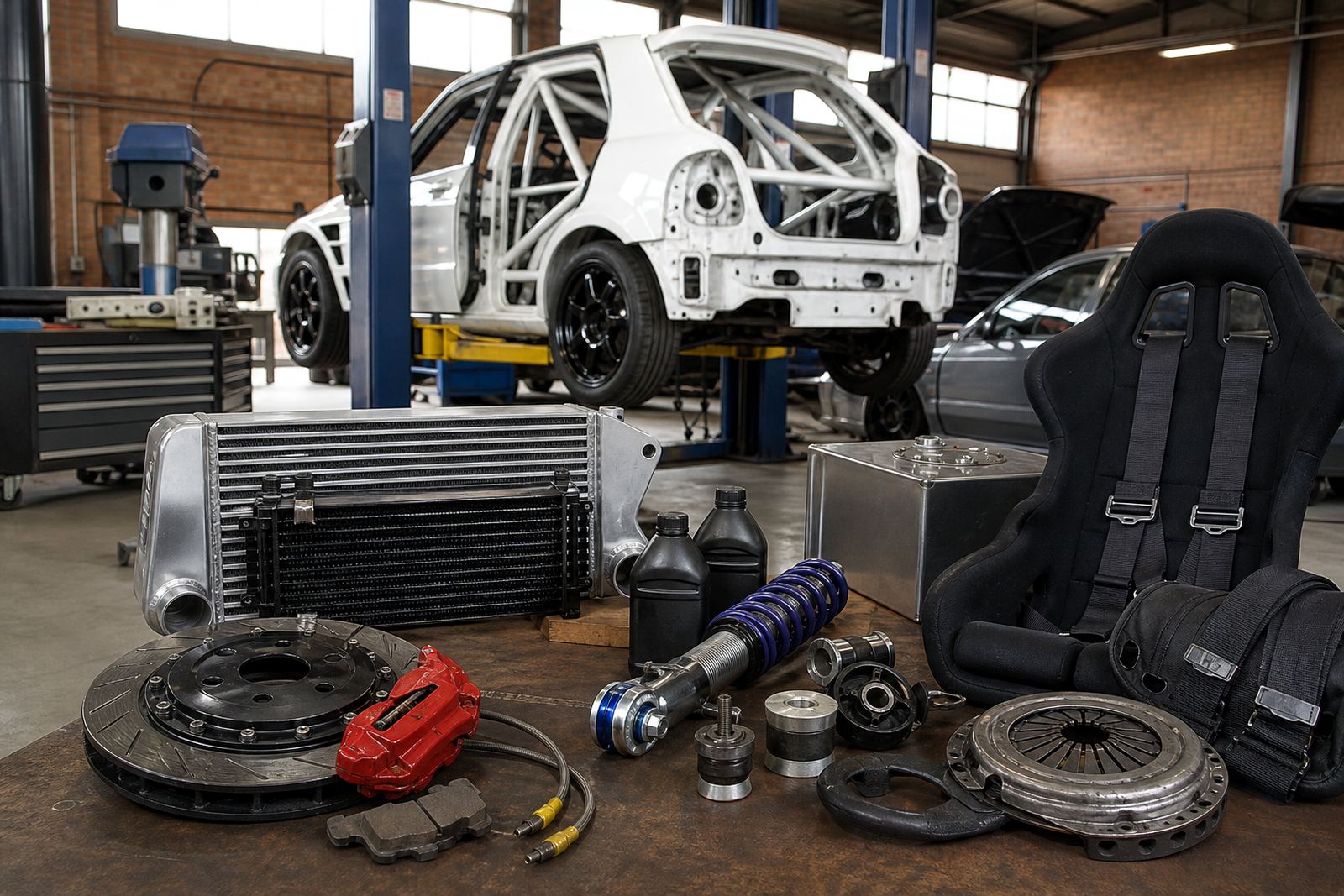
Brake pads, fluid and bleeding questions usually depend on temperature, weight transfer and how the car is driven. A pad that works well on a short sprint session may feel wooden on the road, while a softer compound can overheat on long laps or downhill sections. Fluid choice matters too, especially where repeated hard stops raise temperatures and older hoses start to show their age.
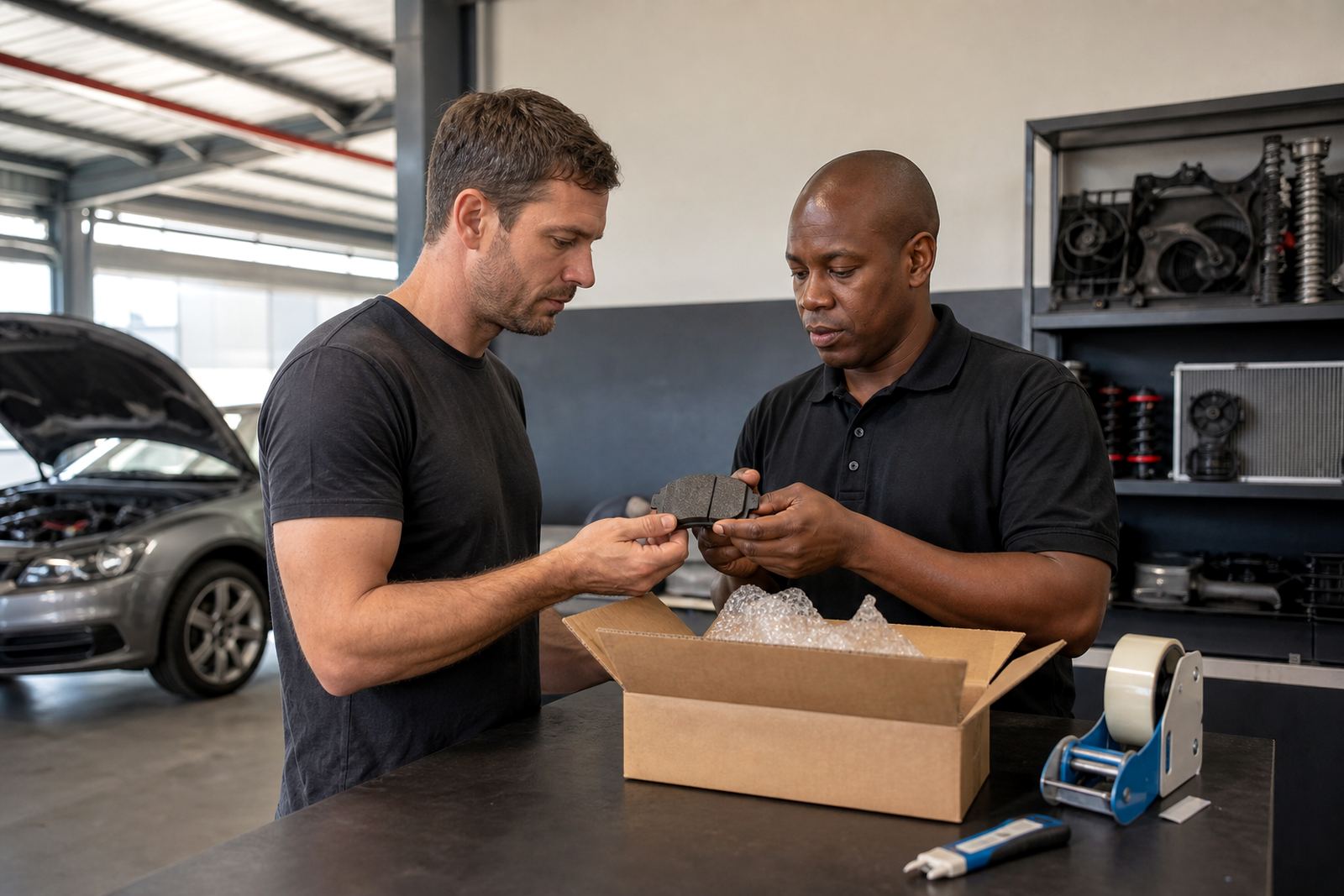
If you are planning a brake change, mention caliper type, disc diameter and whether the car has ABS or a balance bar. That gives the team a better base for advice on pad shape, master cylinder feel and whether the rest of the system needs attention before new parts go in.
- Brake pad compound and intended use
- Fluid condition and bleed history
- Disc size and caliper layout
- Pedal feel, fade or pull
- Any changes to tyre grip or car weight
Suspension notes that save guesswork
Coilovers, bushes, alignment and corner weighting all work together, so one change can expose another. If the car is nervous over bumps, slow to turn in or unstable under power, the spring rate or damping may not be the only issue. Worn bushes, uneven ride height and poor cross weights can hide in the background until the car is pushed on a circuit or tight stage road.
For setup questions, tell us the current ride height, damper settings if they are marked, tyre pressures used at events and whether the car carries spare wheels or tools during competition. On a Midrand base that supports drivers from Johannesburg, Pretoria, Durban and Cape Town, those details help keep the advice grounded in the way the car actually runs.
- How high it sits now
- Any knocking, tyre wear or pull
- Spring rates or adjustable settings
- Wheel alignment figures if you have them
- Corner weighting history, if known
Cooling, seating and safety fitment details
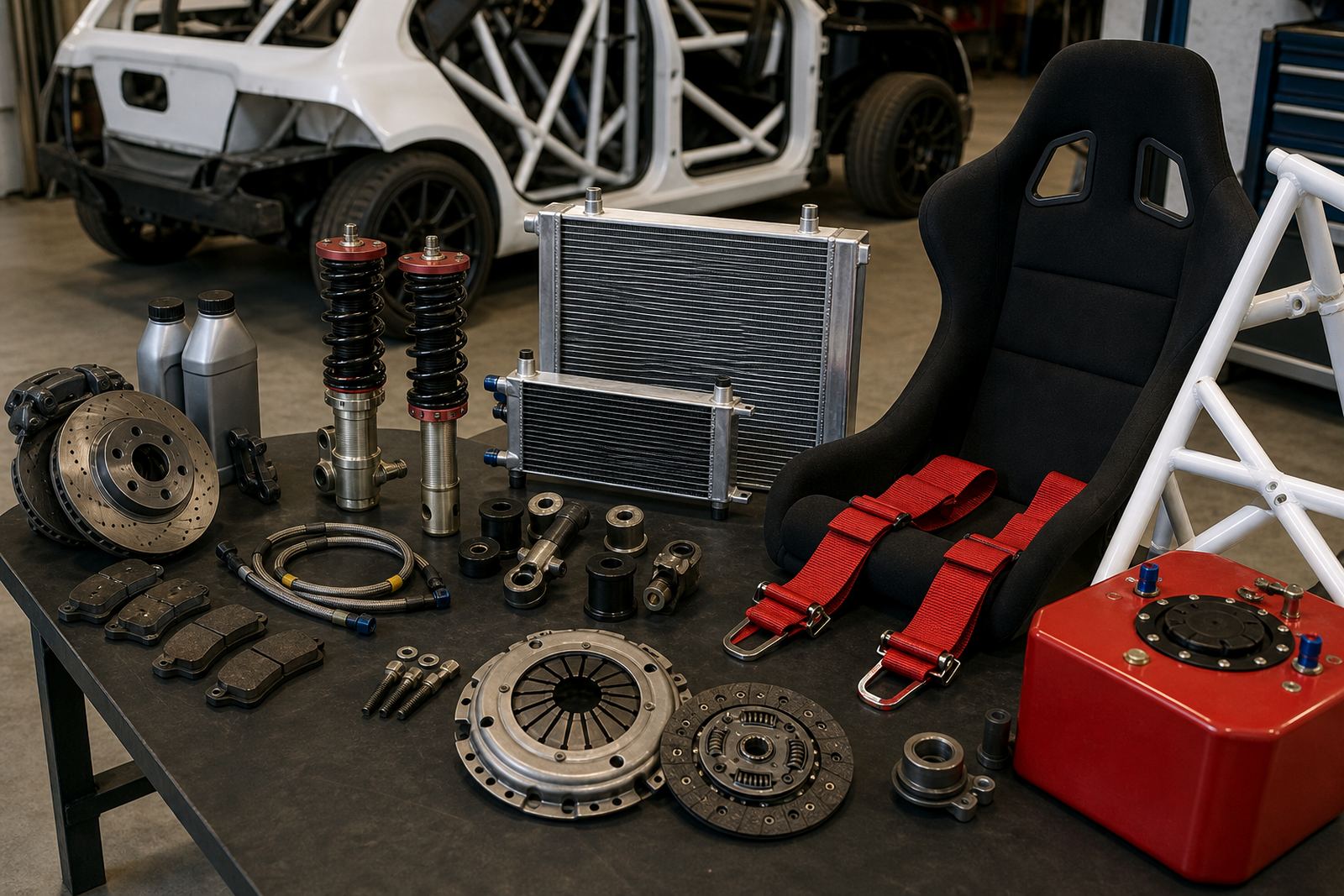
Cooling checks are worth a proper note because track heat and summer ambient temperatures can expose weak points quickly. Radiator condition, oil cooler size, hose routing and ducting all change how stable the car runs in traffic, on out-laps and through long sessions. A setup that copes in Gauteng winter may struggle on a hot day in Durban or after a long climb out of Kyalami.
Seat positioning, harness fitment and roll cage advice also need measurements, not guesses. We look at helmet clearance, shoulder belt angle, seat shell width and how the driver sits relative to the steering wheel and pedals. If you are planning fuel system changes or a clutch and shift setup, include tunnel space, tank location and whether the cabin has already been stripped or trimmed.
- Cooling system parts already fitted
- Seat size, mounting points and driver height
- Harness routing and belt angles
- Roll cage tubes that affect seating space
- Fuel cell location and clearance issues
What to send through our contact form
Use our contact form with a clear subject line and a short note that reads like a workshop brief. The more direct the details, the easier it is to match the parts and the intended use. Photos of the current setup, close-ups of worn parts and a view of the whole bay often help more than a long description.
Midrand is our base, but the work reaches racers in Johannesburg, Pretoria, Kyalami, Centurion, Port Elizabeth, Durban and Cape Town. If you are arranging setup days or fitting advice for a car that travels to events, add the event type, trailer or road use and whether the car must stay comfortable enough for public roads between meetings.
- Subject line with the main system
- Clear list of symptoms or goals
- Photos of the car and current parts
- Event type and driving conditions
- Any deadlines tied to an event
How the support team handles technical work
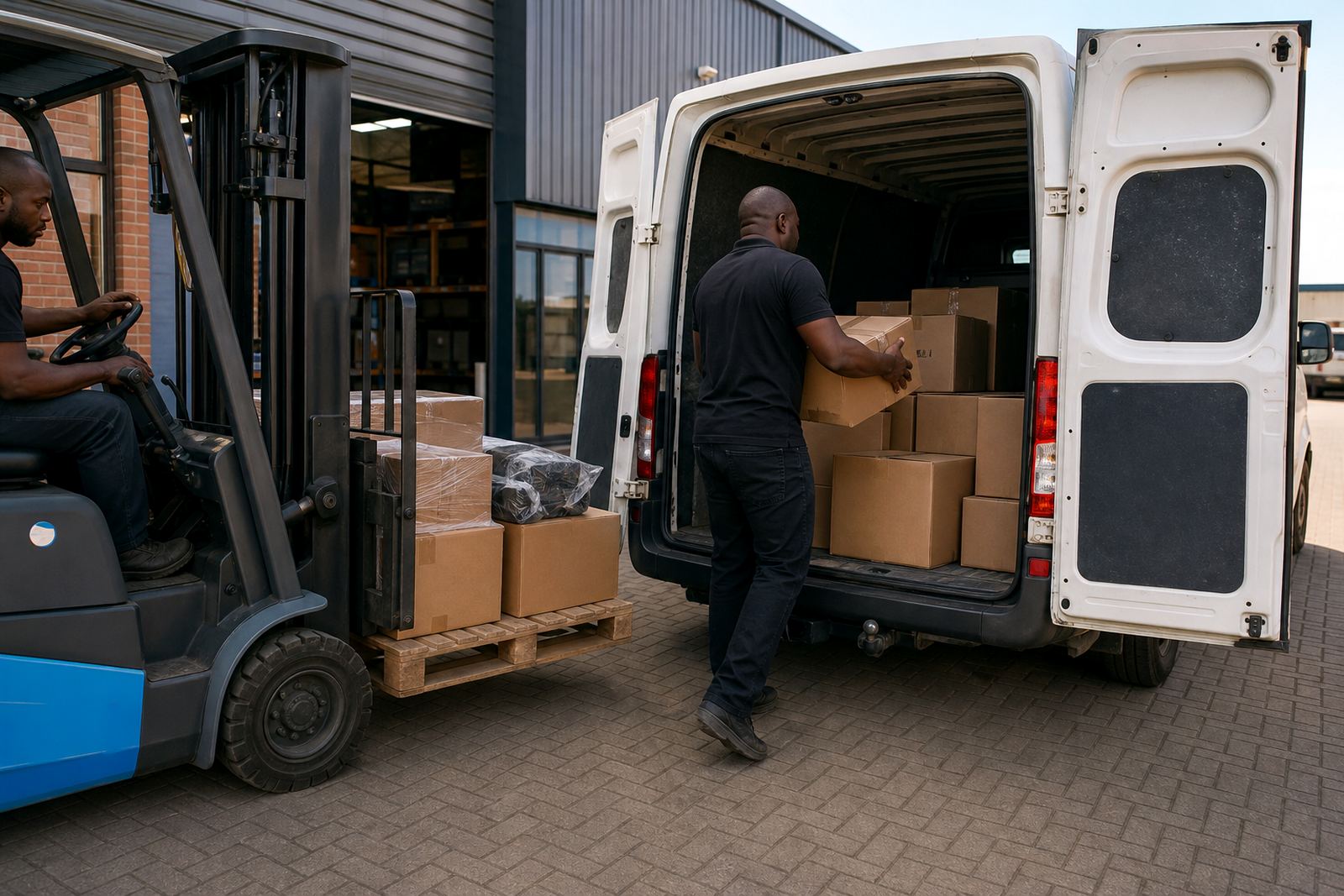
The RaceHouse team includes sales, workshop, technical and logistics support, so a technical note can move through the right hands without being muddled. MD Thabo Chetty oversees the business, while the team draws on workshop, suspension and logistics experience when a part match needs checking against real use. That matters when a clutch, brake package or cooling change has to work together instead of sitting as a single item on a shelf.
Practical support is strongest when the car arrives as a whole system. A suspension change can alter brake feel, a seat position change can affect steering reach and a fuel system layout can shape where other parts fit. That is the sort of detail worth raising early, especially on cars that see both road kilometres and hard track sessions.
A useful note for the workshop floor
Keep your message focused on the car, the problem and the event. A clean brief helps the team check fitment, application and installation order without dragging the job through unnecessary back and forth. If the car has already had work done elsewhere, list it plainly so the next step is based on real hardware, not assumptions.
For drivers who need brake bleeding, alignment checks, corner weighting or a track setup day, a short written note with the car details is usually the best place to start. It gives the workshop a proper base for parts matching, fitment guidance and the kind of setup decisions that hold up on a circuit or rally stage.