

The Brief From Pretoria’s Rally Crew
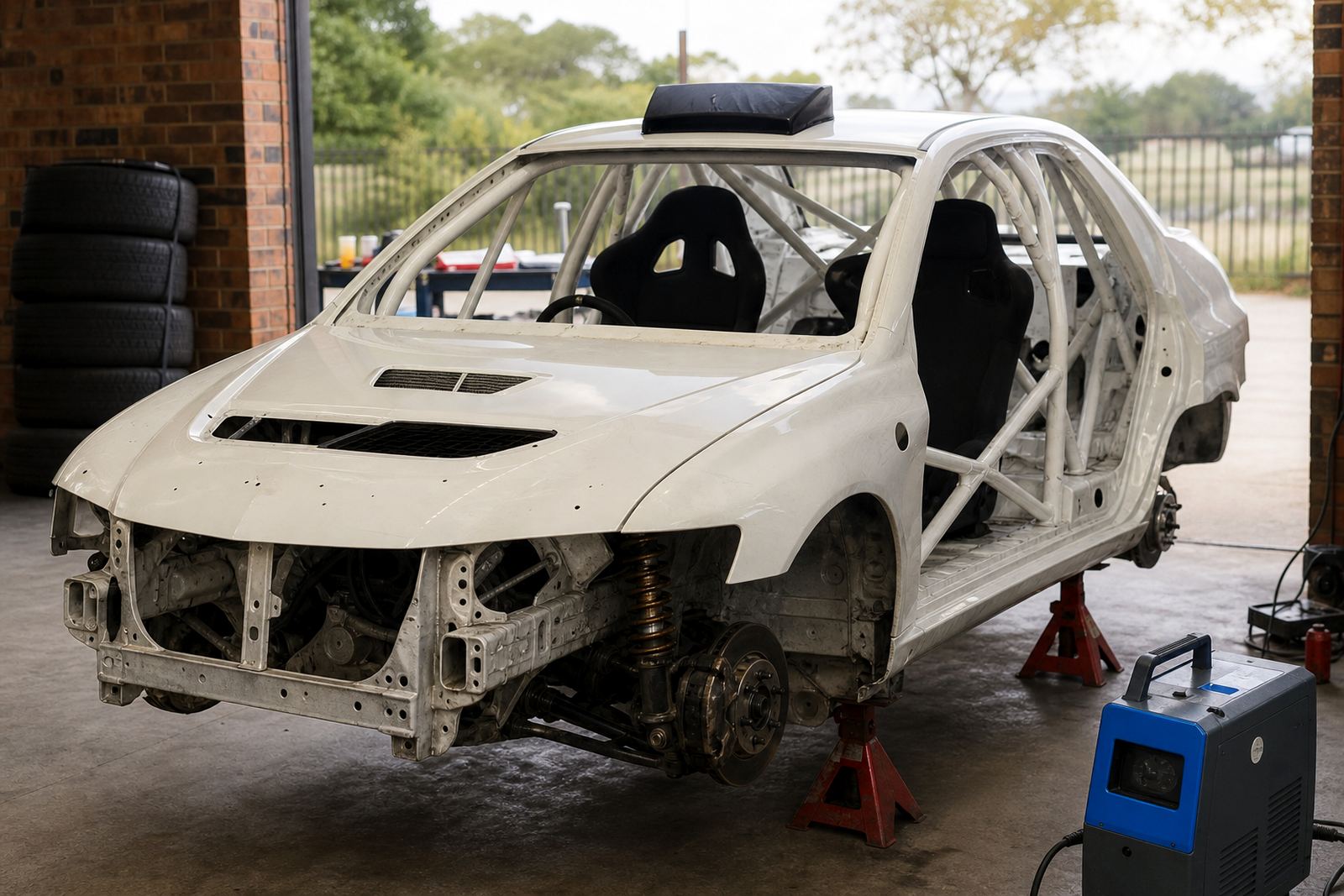
The car was a local rally build used for regional events and private testing, with a driver who wanted less heat soak, better cabin restraint and cleaner access to service points. The shell was already sorted for basic competition use, but the bay and cockpit still carried a few awkward runs that made maintenance slower than it needed to be.
The brief asked for parts and fitment support that would suit repeated gravel stages and road sections between events. We kept the changes practical, with attention on cooling flow, harness geometry, seat position and the way hoses and lines would hold up over time.
- Town: Pretoria
- Use case: rally and club racing
- Focus: cooling, safety and service access
- Constraints: dusty conditions, vibration and limited bay space
Cooling Reinforcement For Heat And Dust
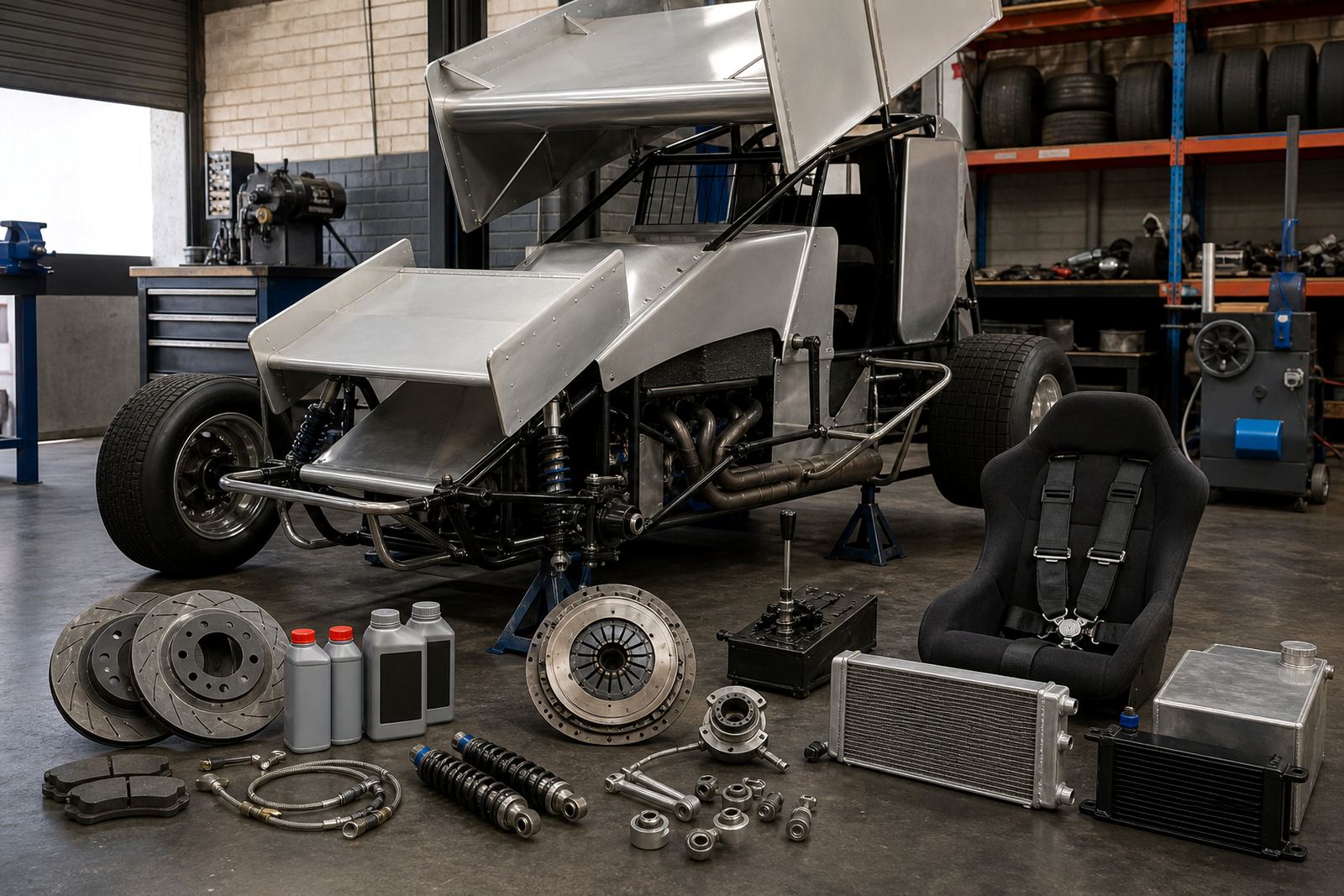
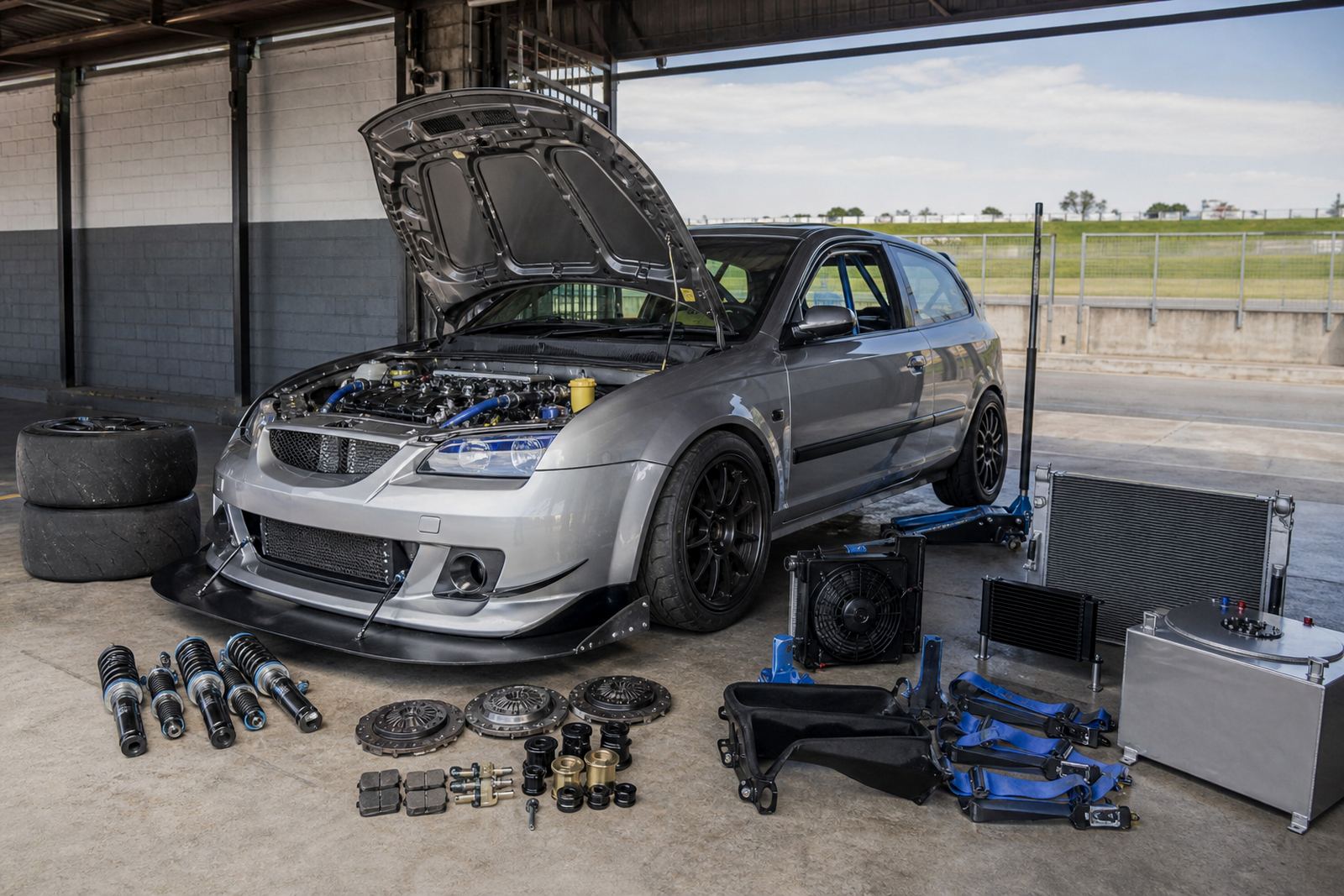
The engine bay needed more margin in hot weather and slow stage running, so we worked through the cooling side first. The package centred on a larger aluminium radiator, an oil cooler with tidy hose routing, fresh clamps and a check on how air moved through the nose and out of the bay. We also looked at hose bend radius and mounting points because loose routing can rub through faster than people expect.
That part of the job also included a service-minded tidy up around the front end. The aim was not only lower temperatures, but easier inspection between runs when a car is sitting on stands and the crew is already busy with tyre changes, fluid checks and wheel nut torque.
- Aluminium radiator with improved core capacity
- Oil cooler mounted for straightforward airflow
- Heat-safe hose routing and proper clipping
- Clear access for coolant and oil inspections
Restraints, Seat Positioning And Driver Support
Inside the car, we set the seat and restraint package to suit a rally driver who spends long periods braced into the shell. Seat position was adjusted for pedal reach, steering control and helmet clearance, then the harness mounts were checked so the shoulder belts sat at the right angle. Where the old routing crossed over itself or fought the seat frame, we corrected it and kept the hardware reachable.
The seat shell and harness package were both checked as a unit, because one part affects the other. A rally seat that sits too high or too far back can make the steering feel awkward, and a harness that is mounted badly can pull the driver off the seat base under braking or over corrugations.
- Fixed-back seat position set for driving height and reach
- Harness fitment checked for shoulder and lap angles
- Mounting points reviewed for access and load path
- Cabin layout kept practical for quick driver changes
Serviceable Routing In A Tight Bay
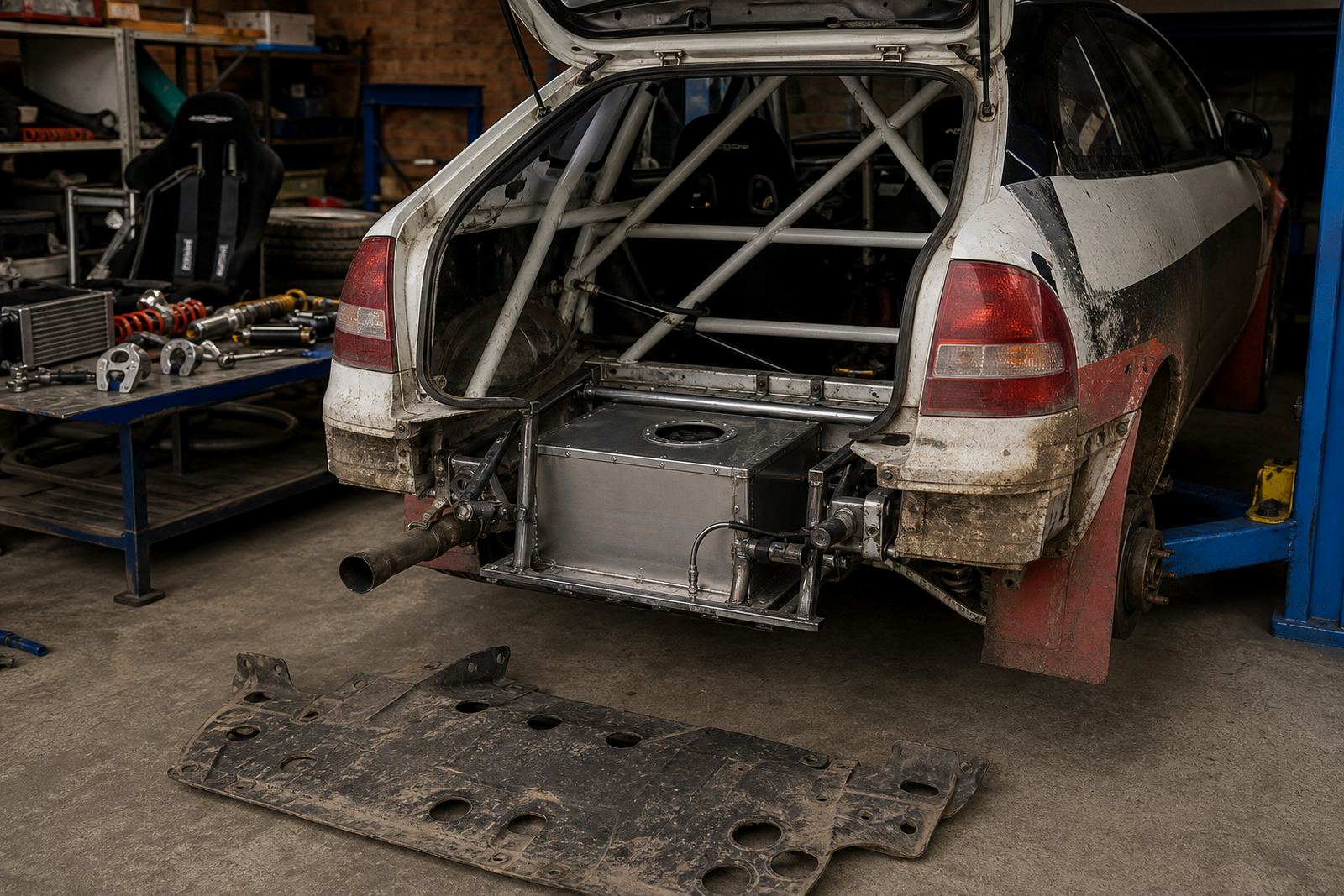
Rally cars pick up dust, heat and vibration in places that are hard on hoses, wires and fittings. We reworked the routing so the service items could be reached without stripping half the front end each time. That meant cleaner line paths, fewer sharp edges and less chance of a hose sitting against a hot surface or moving panel.
The result was a bay that made more sense in real use. Nothing about the work was flashy, but the detail matters when a car has to be checked, topped up and loaded again between events. Simple access saves time and reduces the chance of a rushed mistake in the pits.
- Hose and line paths shortened where practical
- Chafe points protected with proper sleeving
- Fast access maintained around service items
- Layout planned for repeated workshop inspection
Brake And Chassis Checks Before The Next Stage
While the main job was cooling and restraint related, we still walked the chassis through the usual rally checks. The brake package was inspected for pad wear, fluid condition and line security. Suspension hardware was reviewed for movement, and we looked at what the car would need if the driver wanted a firmer front end or a calmer rear on loose surfaces.
That kind of inspection often uncovers small faults that do not show up in normal road use. A bush with play, a tired fluid bottle cap or a loose bracket can turn into a bigger problem once the car spends a full stage day bouncing over rough ground.
- Brake fluid condition checked for competition use
- Pad wear reviewed for balance and consistency
- Suspension fixings and bushes inspected
- Notes prepared for future setup changes
What The Job Looked Like Over Three Weeks
The work ran over three weeks, with the first phase covering inspection and part selection, the second phase covering fitment and routing, and the final phase reserved for checks and adjustment. That gave us enough room to work through the car in a calm sequence instead of forcing everything into one long session.
The completed car left with clearer access around the cooling hardware, a more settled seating position and a restraint layout that matched the driver’s shape and seating height. It also became easier to service, which matters when the same car is expected to run at speed and then be checked in a rush on the same weekend.
- Week 1: inspection and planning
- Week 2: fitment and routing changes
- Week 3: final checks and adjustment
- Outcome: tidier service access and better cockpit control
Another rally build
On another Pretoria rally car, we would again start with cooling, then work through restraint geometry before touching cosmetic detail. That order keeps the job practical and makes sure the parts that matter in heat and vibration are sorted before the finer adjustments begin. It also helps the driver feel the change where it matters most, in the seat and behind the wheel.
From the outset, we would route it so servicing stays straightforward. When hoses, lines and mounts are placed with maintenance in mind, the car is easier to live with across the season and less likely to need awkward fixes before scrutineering or a test day.
- Start with airflow and heat control
- Set seat and harness position early
- Keep all service points easy to reach
- Review brake and suspension hardware before the first event
Key facts
| Client type | Private rally crew, Pretoria |
|---|---|
| Vehicle focus | Club rally car with mixed-surface use |
| Core work | Cooling reinforcement and restraint upgrades |
| Cooling parts | Aluminium radiator and oil cooler |
| Safety items | Seat position, harness fitment checks |
| Project length | 3 weeks |
| pull | Cooling first, then the cockpit and the car settles down. |