

The brief from a Cape Town paddock car
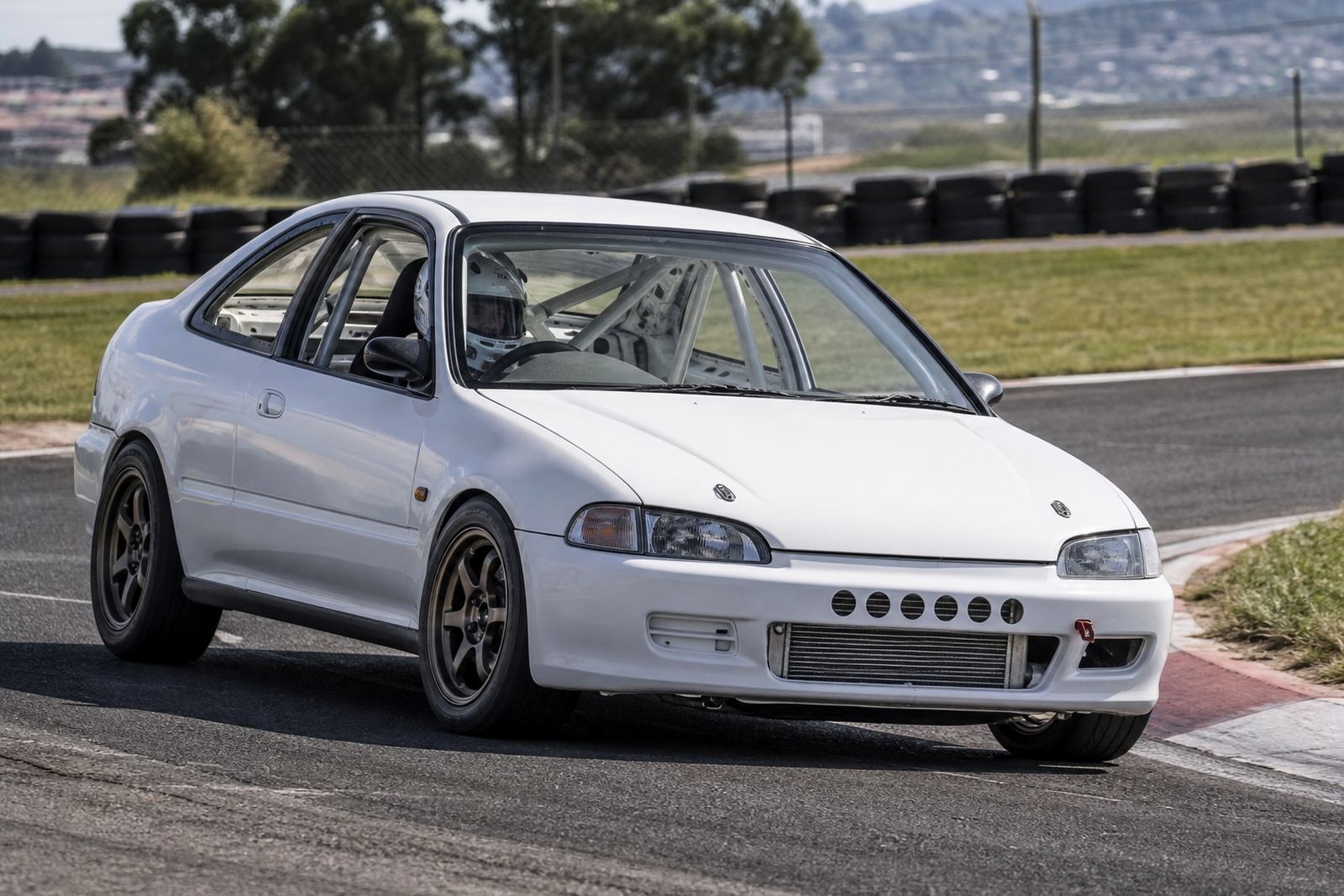
The client was a private club racer in Cape Town with a car that had to do more than one job. It needed to last through practice laps, survive sprint races and still feel calm enough for a driver learning the car on the move. The brief sounded simple, but the list behind it was not small.
Braking had to be more consistent from lap to lap. The front end needed sharper response without turning the car into something nervous over kerbs. Heat management was a concern, because coastal weather and hard running can push a modest cooling package far quicker than many owners expect. Safety gear also needed a proper check, since the car was being used in a competitive club environment, not for casual road use.
We worked from the car’s current condition, the driver’s goals and the sort of circuit use it would see around the Western Cape. There was no sense in overbuilding one area while leaving another weak. The plan had to be balanced, practical and easy to live with between events.
- Client type: private club racer
- Town: Cape Town
- Use case: track, sprint and club racing
- Main pressure points: braking, heat and chassis control
The parts and checks that went onto the order
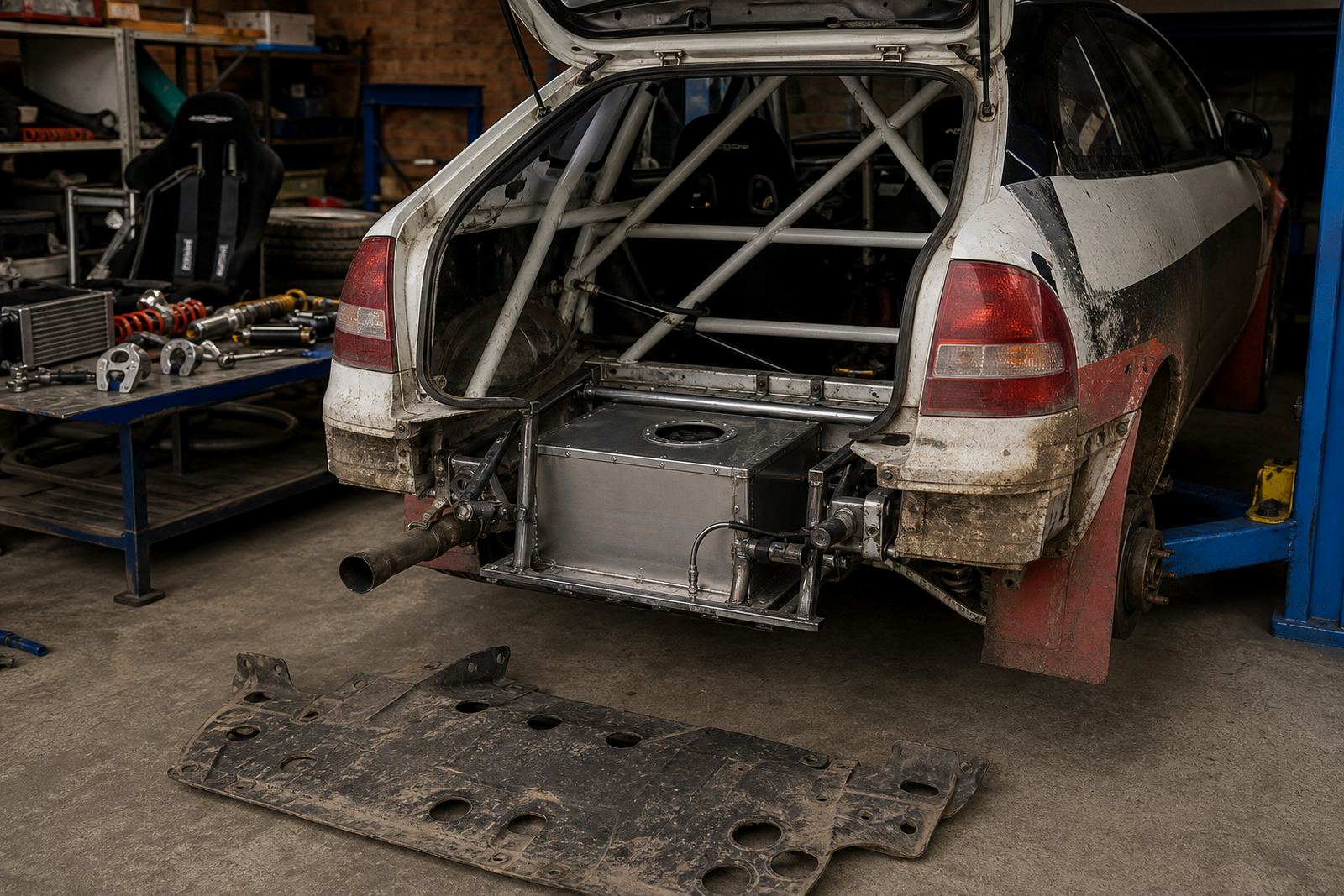
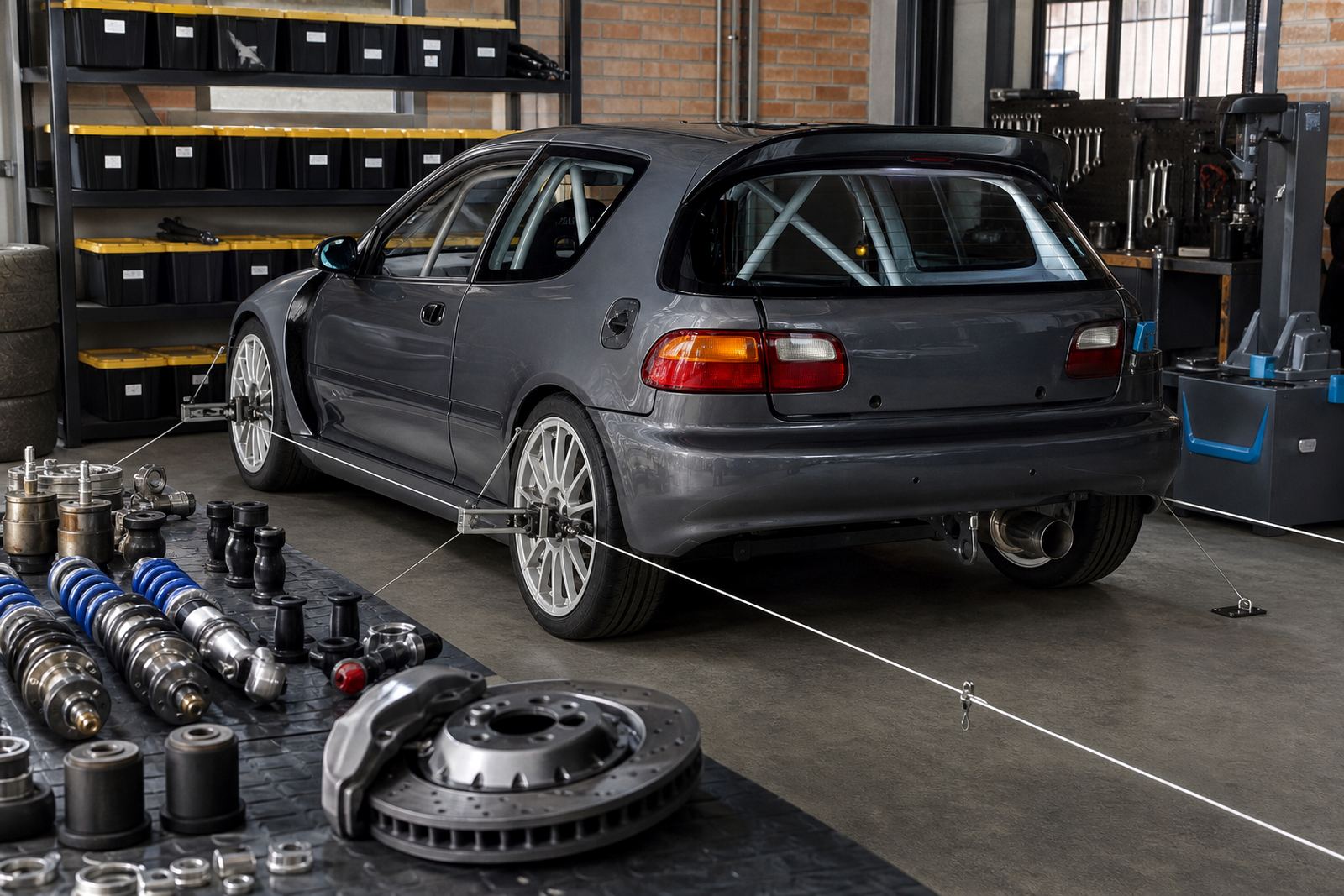
The package centred on the parts that change a club car most clearly, without wandering into unnecessary extras. We supplied brake pads suited to repeated hard use, performance brake fluid, coilovers, suspension bushes, a larger radiator and oil cooler, plus fitting advice for seat and harness position. The car also needed fuel system layout guidance and clutch and shift setup checks so the rest of the build could work as one unit.
Nothing on the list was chosen for show. Every item had to earn its place through function, fitment space and the way the driver would actually use the car. The seat position mattered because a driver who sits too high or too far back loses feel through the steering wheel and pedals. Harness angles matter too, and so does keeping the belts clear of sharp edges and awkward anchor points.
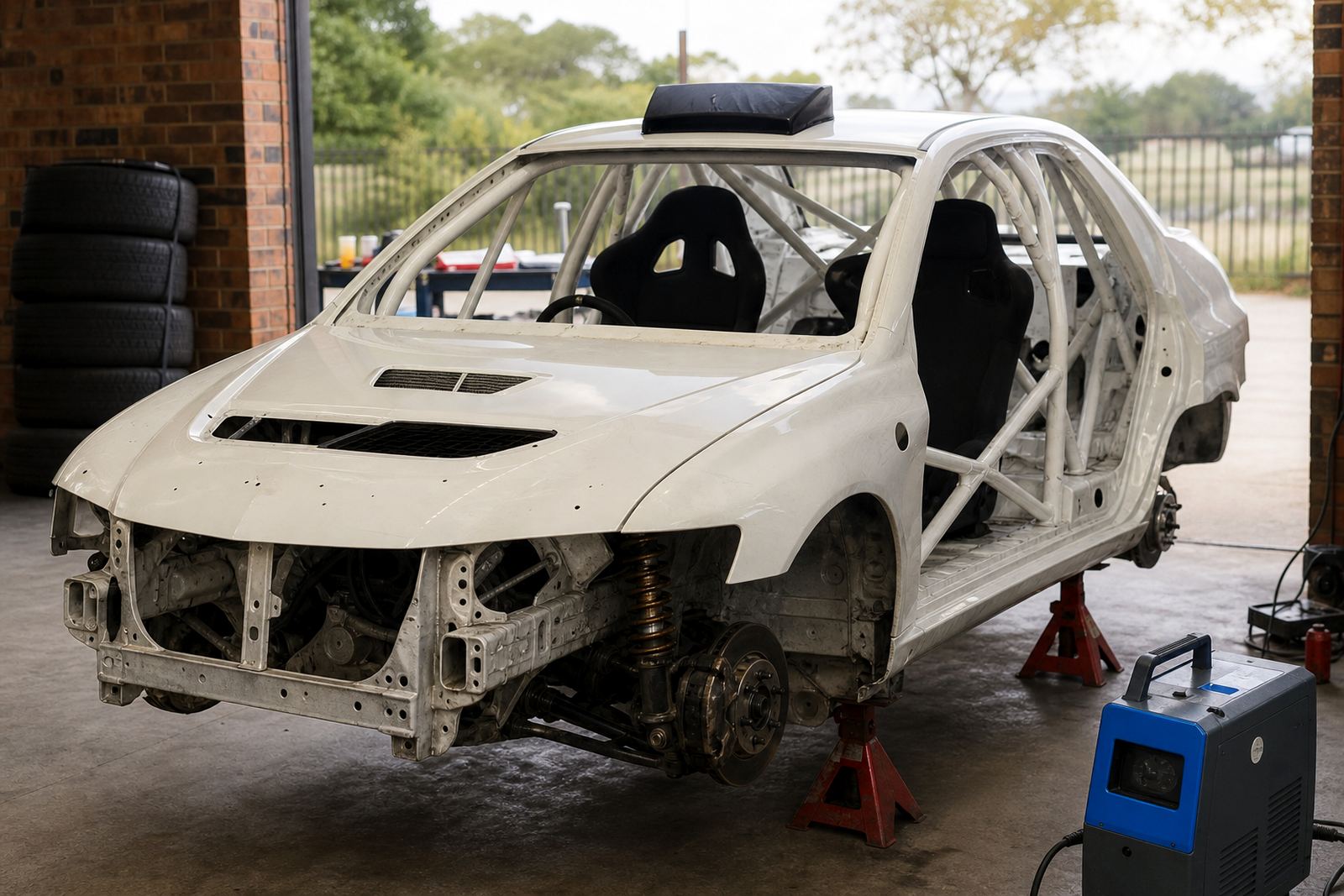
We also reviewed whether the existing roll cage fit-out needed adjustment at the mounting points and around the driver entry path. That sort of check sounds small, but it can affect both comfort and confidence once the car is on track.
- Brake pads and fluid for repeat stopping strength
- Coilovers for ride height and control
- Bushes to tighten steering and axle response
- Radiator and oil cooler for heat control
- Seat, harness and cage fit advice
- Fuel and clutch setup checks
Midrand coordination, then workshop work in Cape Town
The supply side moved from our Midrand base, with the order assembled around what could be installed and checked properly once the car was on site. That kept the process tidy, because the car did not need to sit around waiting for a loose mix of parts. The support after fitment was just as important as the shipment itself.
Once the parts were in Cape Town, setup work focused on the things that shape lap feel straight away. Coilover height and preload were set to a sensible starting point. Alignment checks were carried out so the car would turn in cleanly without eating tyres on one side. Corner weighting was used to balance the chassis, with the driver’s seating position taken into account before final figures were settled.
The cooling layout was checked for hose routing, clearance and airflow around the radiator and oil cooler. Coastal humidity, stop-start paddock movement and long sessions in traffic can all expose weak routing or poor air passage. The aim was to leave the car ready for actual race use, not just a neat workshop photo.
- Supply coordinated from Midrand
- Fitment support followed in Cape Town
- Alignment set for sharper turn-in
- Corner weighting used for balance
- Cooling layout checked for clearance and airflow
A four-week path from stripped notes to track-ready balance
The project took four weeks, with the first week used to confirm the car’s starting condition and the parts list. The second week covered supply and preparation, including the items that had to be matched carefully to the chassis layout. By week three the car was in the hands of the local workshop for fitment and initial setup. Week four was used for the final adjustment stage, where braking feel, ride height and seat position were settled together.
That order matters on a race car. If the seat is wrong, the driver’s inputs change. If the alignment is set before the seating position is right, the later numbers can drift. If the cooling parts are fitted without checking room for hoses and clamps, the car can leave the workshop looking finished but working harder than it should.
The club build stayed hands-on and simple from day one. The goal was not a fancy build sheet with no useful life in it. It was a dependable club racer that could be driven hard without forcing the owner to chase basic faults every weekend.
- Week 1: assessment and parts list
- Week 2: supply and preparation
- Week 3: fitment and setup
- Week 4: final alignment and balance checks
What changed once the car was sorted properly
After fitment and setup, the car felt more settled under braking and more predictable through direction changes. The pedal response improved with the new fluid and pads, while the suspension changes gave the driver a clearer sense of what the front tyres were doing. On a club car that is a big thing, because confidence shows up in brake points, turn-in and how early a driver can lean on the car without second guessing it.
The cooling package gave the owner more breathing room in longer sessions, especially when the car was pushed hard in warmer conditions. The seat and harness position were no longer a compromise, which meant the driver could hold a steadier posture and work the pedals with less strain. The clutch and shift checks also helped the driveline feel more direct, particularly on fast changes between corners.
The result was not a wild race car pretending to be civil. It was a club racer with the weak points brought into line, and with enough sense in the setup to keep working across a full event day.
- More settled braking feel
- Clearer front-end response
- Better heat control on longer runs
- Improved driver position and control
Similar build
We would start the same way again, with the driver’s seat position checked before final alignment and corner weighting. That sequence saves a lot of wasted adjustment. We would also keep the cooling review early in the process, because hose routing, hose length and air path can be overlooked when the car is apart and the shiny parts are still on the bench.
For a Cape Town club build, the sensible route is to keep the parts list honest and the setup work tied to actual use. A car that sees sprints, club events and driver coaching does not need parts chosen for a brochure. It needs the right brake package, the right suspension starting point and the right safety fitment, all working together without fuss.
That was the shape of this project, and it is the method we keep applying on similar motorsport cars across South Africa.
- Seat before final alignment
- Cooling checked before final trim-up
- Braking matched to event pace
- Safety fitment treated as a setup item
Key facts
| Project type | Grassroots club race build |
|---|---|
| Client location | Cape Town |
| Supply base | Midrand, Gauteng |
| Timeline | 4 weeks |
| Main systems | Brakes, suspension, cooling and safety gear |
| Setup work | Alignment checks, corner weighting and fitment advice |