

The brief from Sandton
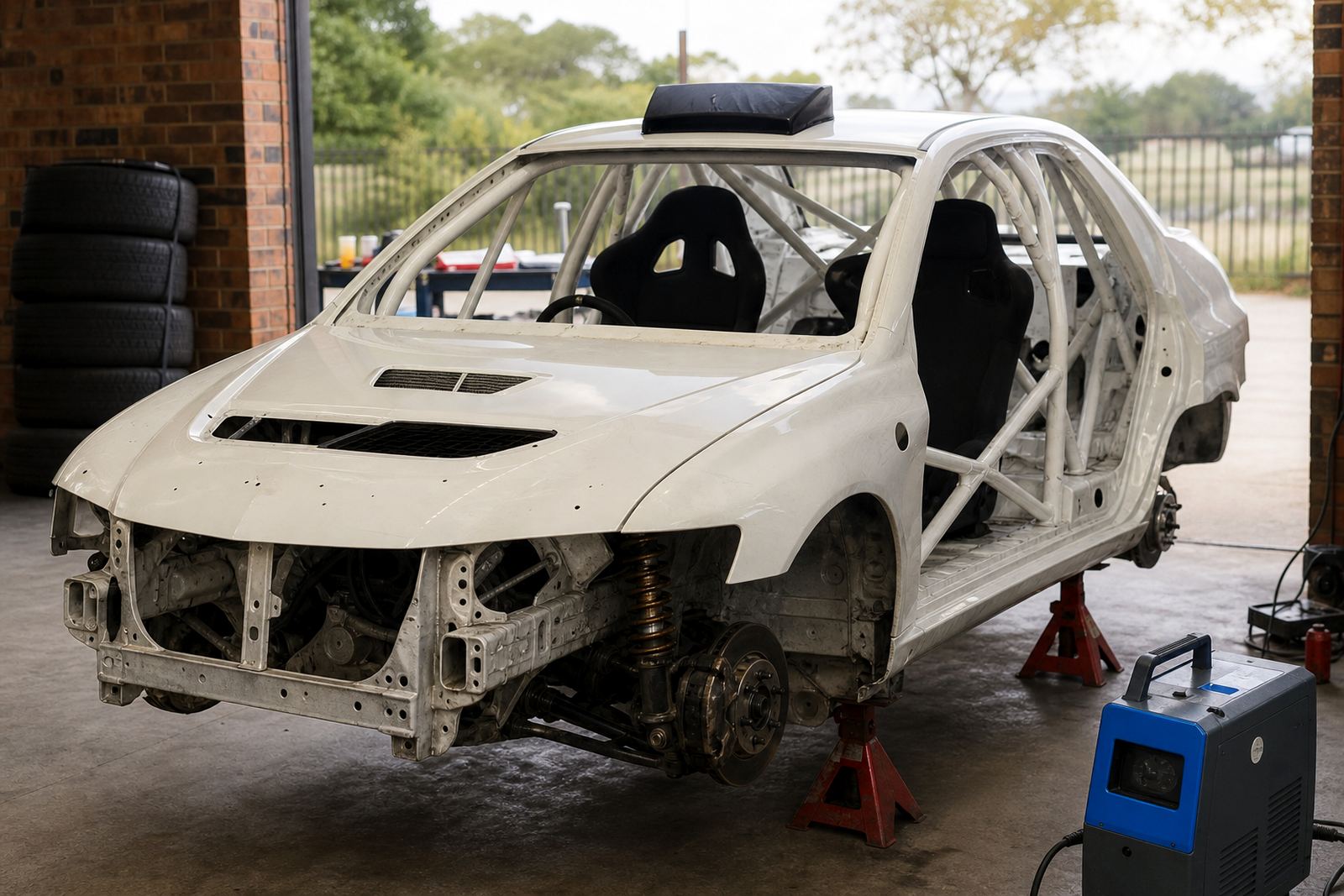
The owner wanted a dependable track day car for club events and private test days, not a stripped build that only made sense on a trailer. The car still had to move through Sandton traffic and live in ordinary parking spots, so we kept the package tight and avoided parts that would make the car awkward in daily use.
The main targets were stronger braking, better temperature control, more predictable cornering and a seating position that gave proper control. We also had to work within a realistic budget, keep the cabin usable, and make sure the car could be serviced without awkward workarounds.
- Road car converted for regular track day use
- Owner wanted dependable lap after lap behaviour
- Needed to stay civil enough for street driving
- Parts had to suit Gauteng heat and stop-start traffic
What the car needed to stop doing
The first inspection showed the usual issues that appear when a road car starts seeing faster corners and longer braking zones. The factory pads were fading earlier than the driver liked, the fluid was due for a stronger specification and the suspension had too much pitch under braking. On hot days the cooling system also looked like it would benefit from extra headroom.
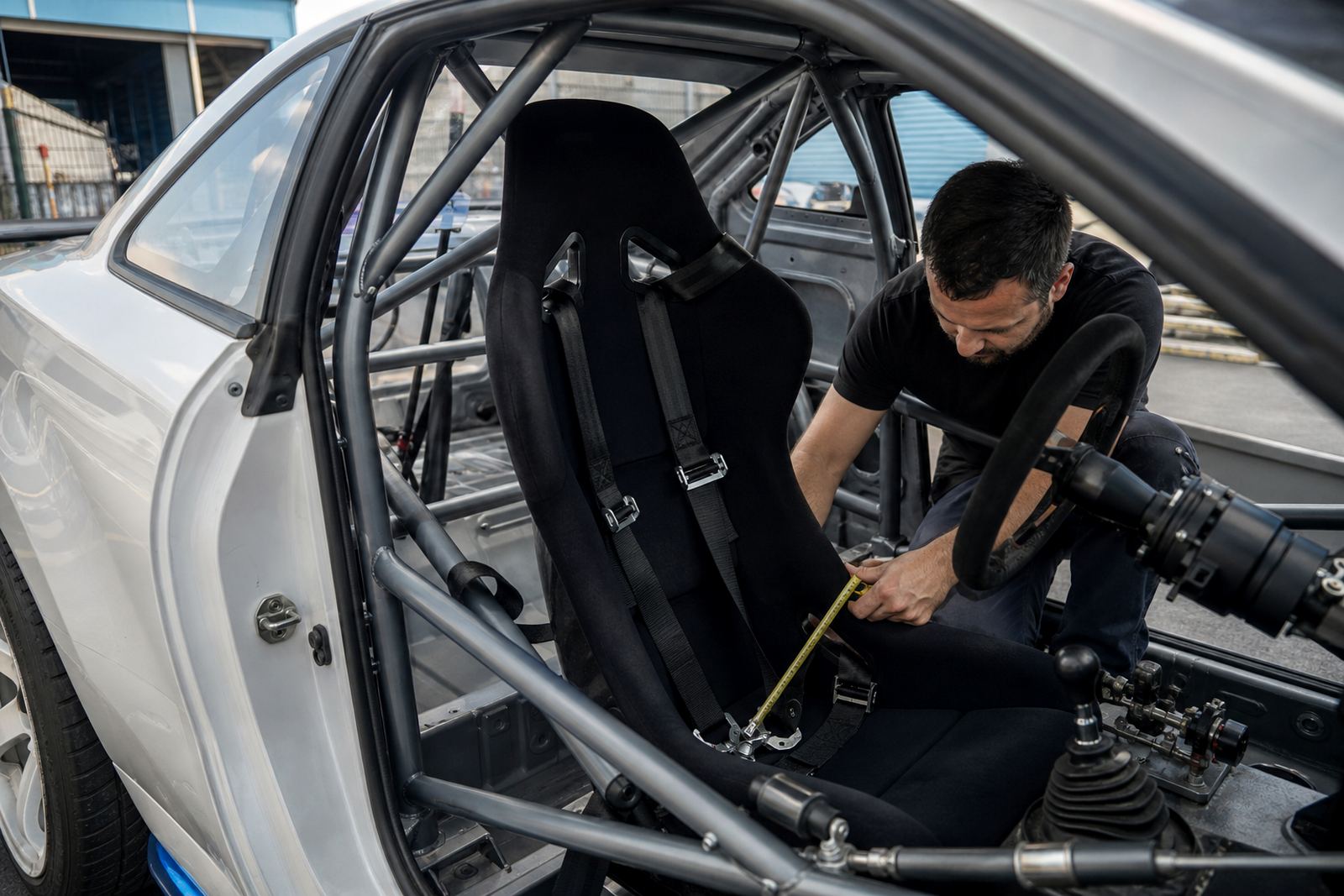
We flagged small but important details too, including seat position, harness anchoring, pedal reach and the amount of movement in older bushes. Those details do not sound dramatic, but they change how a car feels when the driver is pushing harder through a complex like Kyalami or a tighter club circuit.
- Brake fade under repeated hard stops
- Too much body movement in quick direction changes
- Cabin position not set up for consistent heel and toe work
- Cooling margin too narrow for hotter track days
Parts and setup work we supplied
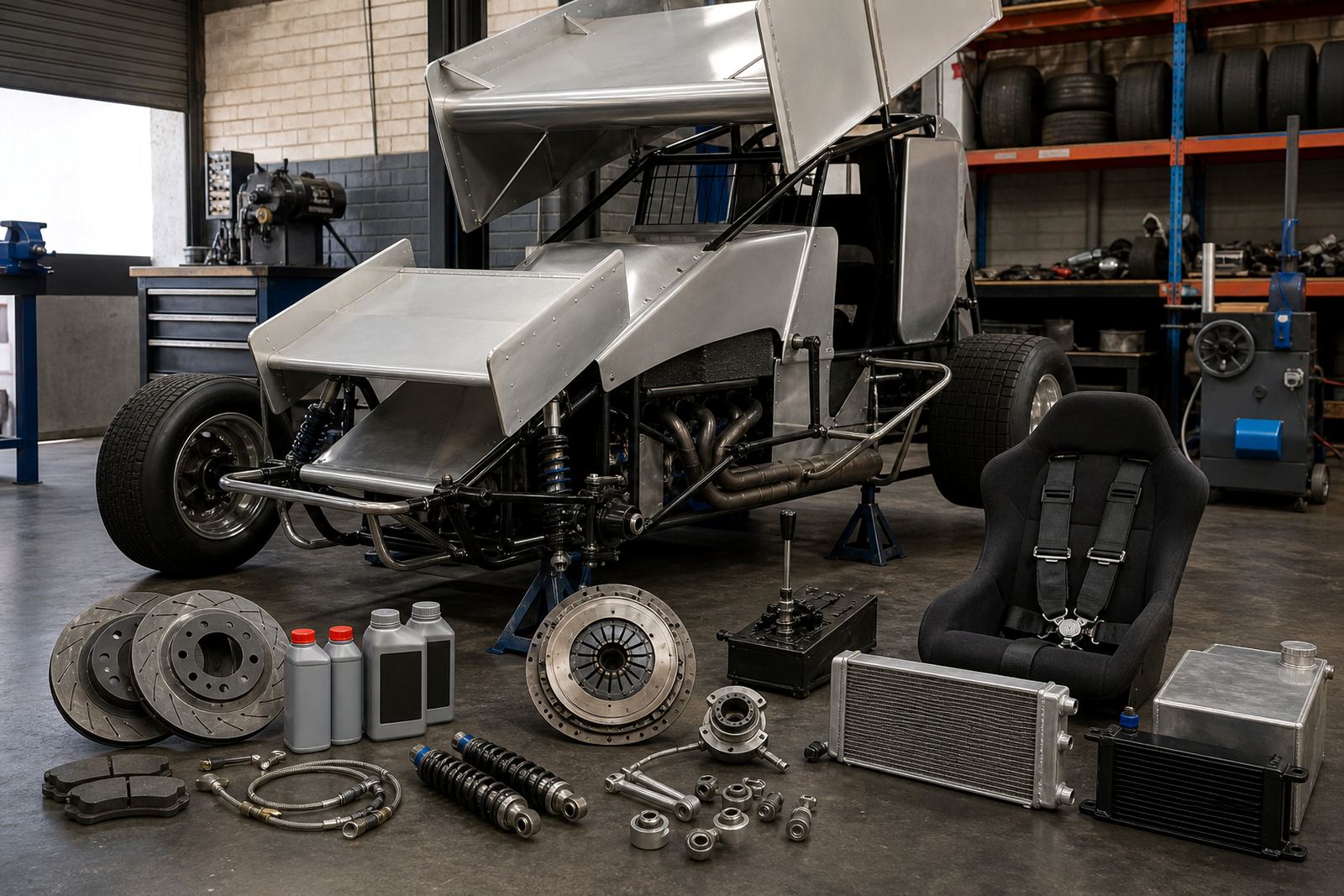
We supplied and fitted brake pads suited to heavier heat cycles, fresh high-temperature brake fluid and a cleaner bleed through the system. The suspension package used coilovers matched to the car’s weight and intended use, with alignment work and corner weighting to keep the tyre load more even. We also checked bushes, corrected ride height and set the car lower without making it scrape over normal Gauteng road surfaces.
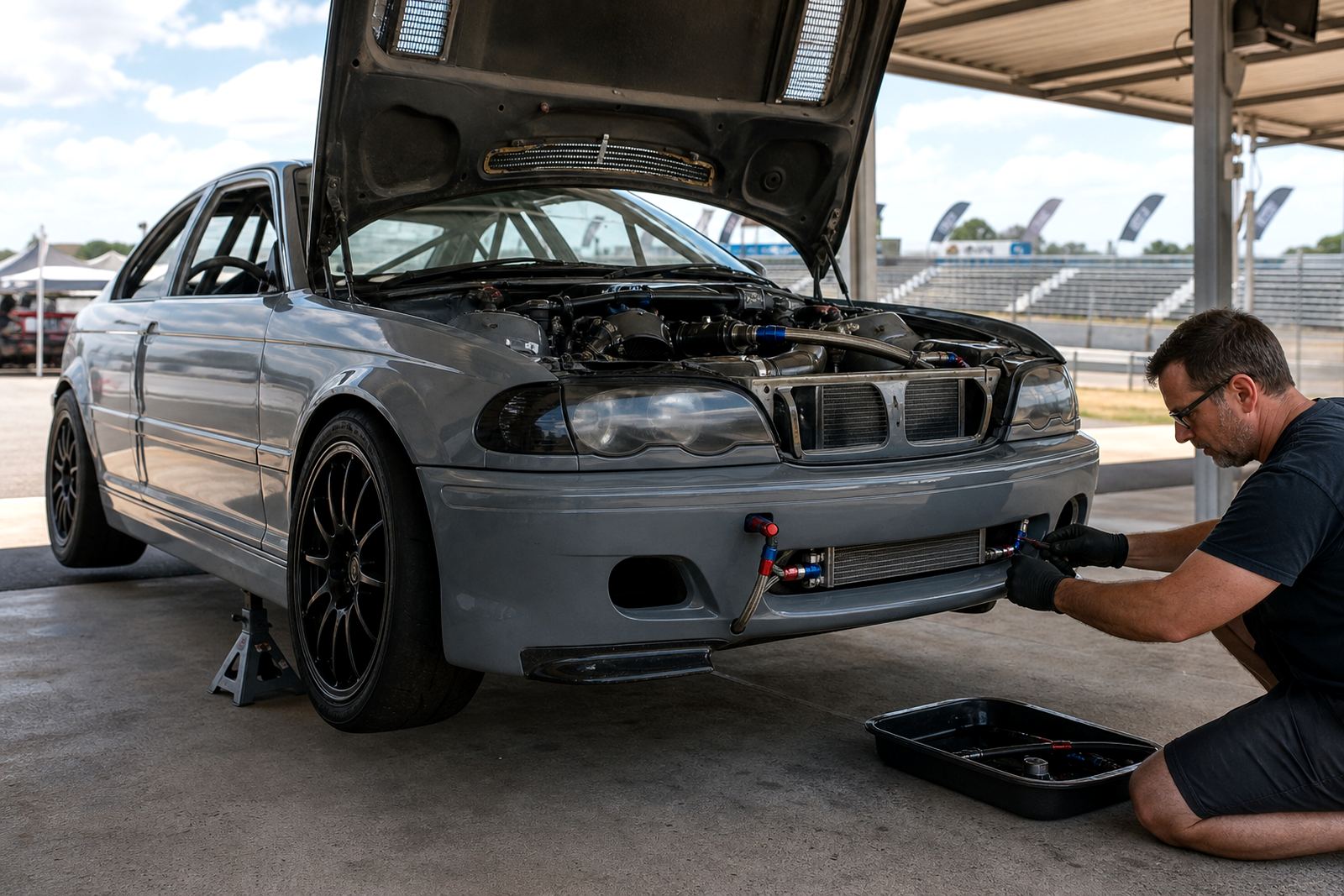
Cooling received a larger radiator and an oil cooler, with hose routing tidied for easier inspection. Inside the cabin we fitted a fixed-position seat, checked harness fitment and adjusted the driving position so the driver could stay planted through quick transitions. The car also had fuel system layout checks and clutch and shift setup work so the driveline felt cleaner when the pace picked up.
- Brake pads and high-temperature fluid
- Coilovers, alignment and corner weighting
- Radiator and oil cooler upgrade
- Seat positioning and harness fitment checks
- Fuel system layout and clutch setup review
How the weeks were used
From inspection to final setup, the build took three weeks. The first week went into assessment, parts planning and ordering the right pieces in the right sequence. The second week covered fitment, bleeding, cooling work and seat location, while the third week was used for geometry checks, rebalancing the suspension and a proper setup day with the driver present.
That last stage mattered because a track car is not finished when the hardware goes in. It only settles properly once the driver and the car are working as one, with pedal feel, steering weight and seating position all matched to the intended use.
- Week 1: inspection and parts planning
- Week 2: fitment and system checks
- Week 3: setup day and final adjustment
What changed on track and on the road
After the work, the car felt calmer under braking and more honest through fast direction changes. The driver had a better sense of front-end bite, less fade over repeated laps and more confidence leaning on the car through mid-corner load. The cooling package also helped keep temperatures steadier during longer sessions, which matters on warm Gauteng afternoons.
The road manners stayed acceptable too. The car was firmer, yes, but it did not become awkward for normal use. That balance was the whole point: a proper track day machine that can still move around Sandton without feeling like a race car that got lost on the way to the trailer.
- Better brake consistency on longer sessions
- Sharper turn-in and more stable balance
- Reduced heat stress in the cooling system
- Still practical enough for road use
Similar build
We would start with the driver’s seating position sooner, because it shapes everything that follows. Once the seat, harness and steering reach are right, the rest of the setup becomes easier to judge. We would also keep the cooling review early in the process, especially for cars that will see Durban humidity, Kyalami heat or repeated summer sessions in Gauteng.
For a private enthusiast build like this, the best result comes from matching the parts to the intended laps, not to a catalogue wish list. That means brake choice, spring rates, alignment numbers and seat position all need to work together, otherwise the car feels busy when it should feel composed.
- Set the driving position first
- Match cooling to track heat, not just road use
- Keep the suspension change measured
- Base the setup on the driver’s real laps
Key facts
| Project type | Private enthusiast road-to-track conversion |
|---|---|
| Home base | Sandton, with work handled from Midrand |
| Use case | Track days, club racing and fast road driving |
| Key parts | Brake pads, fluid, coilovers, radiator, oil cooler, seat and harness |
| Setup services | Alignment checks, corner weighting, brake bleeding and track setup days |
| Timeline | 3 weeks from inspection to final setup |